Latest news and stories about tuition fees in Portugal for expats and residents.
This page has only 1 story and is not indexed by search engines.
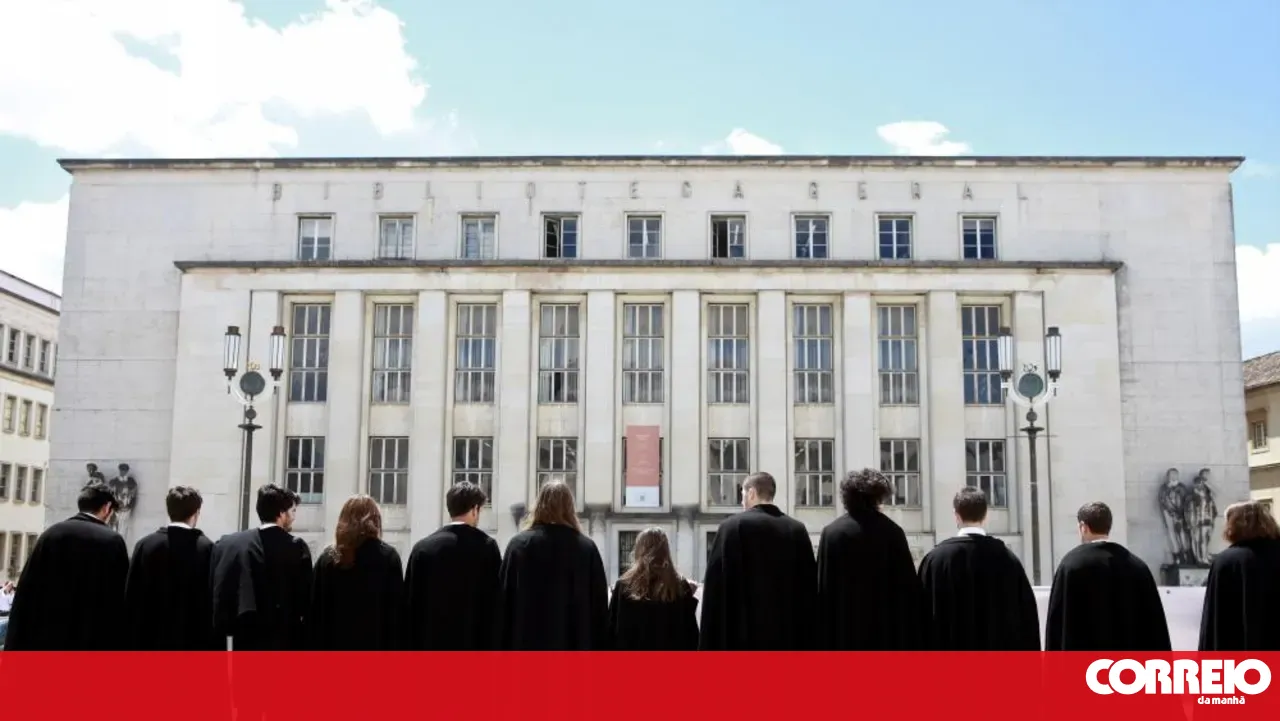
Bloco de Esquerda, PCP, PS and Livre argued for ending that payment, with slight differences between them, but all the proposals were voted against by MPs from PSD, CDS-PP, Chega and Iniciativa Liberal.

The proposals were rejected with votes against from the PSD and CDS-PP, which favour increasing tuition fees.

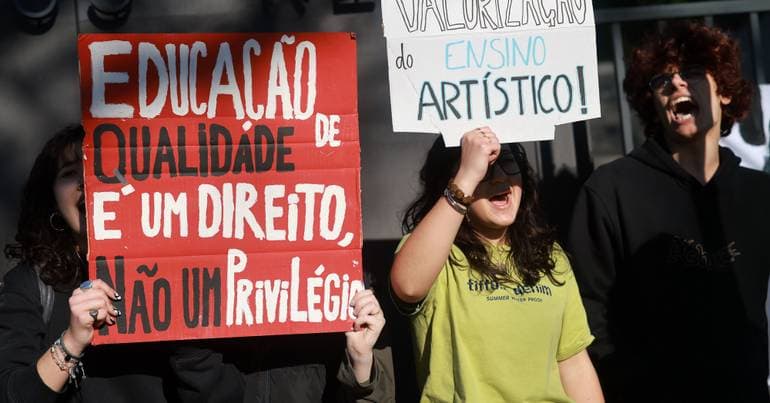
Some parties call for the abolition of tuition fees.

'Frankly, I think everything will stay the same,' says an official of the Lisbon Academic Federation.

The issue of higher education costs borne by students remains on the table: five different proposals were submitted to the Assembly of the Republic in recent days.

Although the Government downplayed the impact of the general strike, the country's economic activity recorded an 8% drop on the day of the stoppage called by the UGT and the CGTP in protest at changes to the labour law. Hundreds of young people are still waiting for the money they are entitled to as part of refunds of tuition fees, without ...

Portugal’s Minister of Education has rejected accusations that he blamed disadvantaged students for the deterioration of university residences, calling the claims “completely false.” “That is completely false. What I said The post Minister denies blaming poor students for university residence degradation appeared first on Portugal Resident.

The Minister of Education has made statements regarding recent educational policies and initiatives.

Higher education institutions are at odds regarding the provision of accommodation for students who are not on scholarships.

The presentation of the new social action system for Higher Education has sparked controversy.

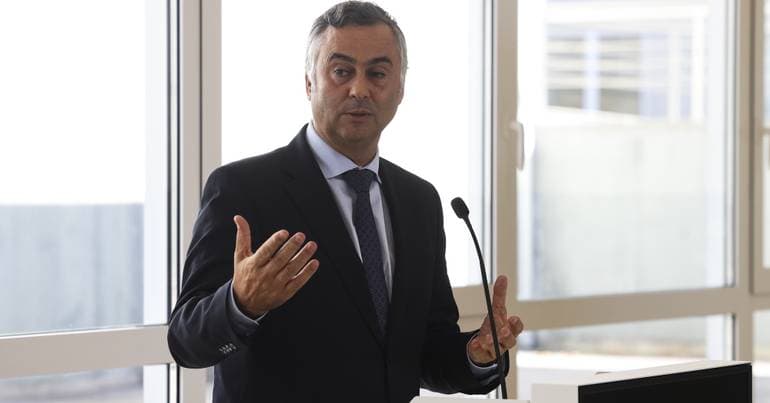
Fernando Alexandre argued on Tuesday at a ceremony presenting the new social action model for higher education that public residences should include students from various social strata; otherwise, prioritising scholarship students will lead to faster degradation.

Fernando Alexandre stated that the fact that residences are mainly occupied by students with fewer resources may contribute to the degradation of the spaces. Pedro Nuno Santos is calling for his resignation.

Fernando Alexandre cites university residences as an example. The minister announced changes to the calculation of the component for housing support in the new scholarship model for higher education students.

The poorest students entering higher education will receive, in addition to their scholarship, an extra support of 1,045 euros per year for the duration of their course, the Minister of Education revealed today.
This is one of the changes to the proposal presented earlier this month to rectors, presidents of polytechnics, and students.

Elsa Fernandes, the councillor responsible for Education, explains that the regional government (PSD/CDS-PP) is focusing on improving the quality of education and is committed to investing in teachers.

This figure is above the EU average of 14%. The data from the European Statistical Office refers to 2024 and considers formal education or vocational training for young people aged 15 to 34.

The Education Minister states that the strikes affecting schools are due to non-teaching staff. Fernando Alexandre acknowledges, however, that the professionals have valid reasons for complaint.
The appeal gathered nearly 1400 signatures. Parent associations will be heard in the parliamentary Education committee.

The government wants to resume the creation of the director's status and the review of school autonomy. Directors point out some communication failures in this reorganisation process of the Ministry of Education.

The education minister reports that there has been minimal participation in the school strike.

Mariano Gago's reforms professionalised science in Portugal, but also solidified two semi-permeable circuits: that of research and higher education. The review of the funding formula for higher education institutions is the right moment to address this duality, linking the base budget of higher education institutions to scientific and educational outcomes.

Teachers believe that the government's intention is a “civilizational retreat” that undermines the right to strike. Like the directors, they doubt that it will “benefit public schools.”

The Ministry of Education will grant institutions “more autonomy” to determine how many places they wish to offer. The measure will take effect in the next academic year.