Latest news and stories about trade tariffs in Portugal for expats and residents.
This page has only 1 story and is not indexed by search engines.
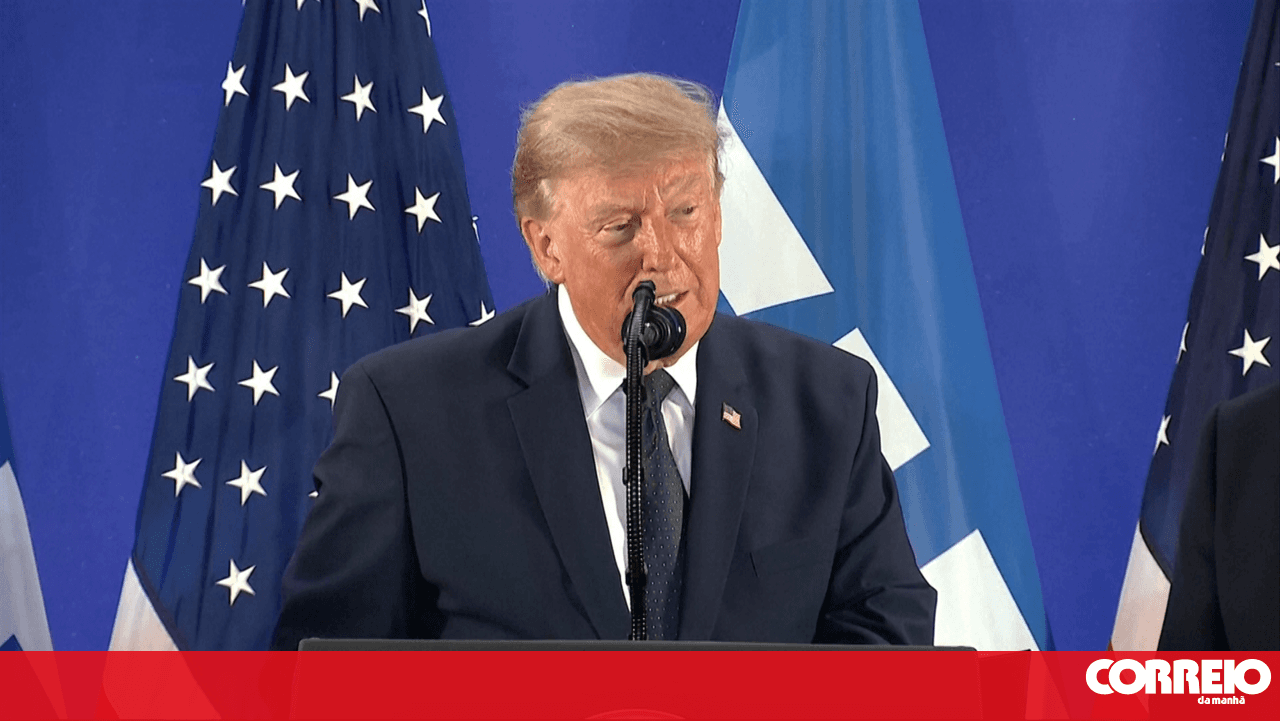
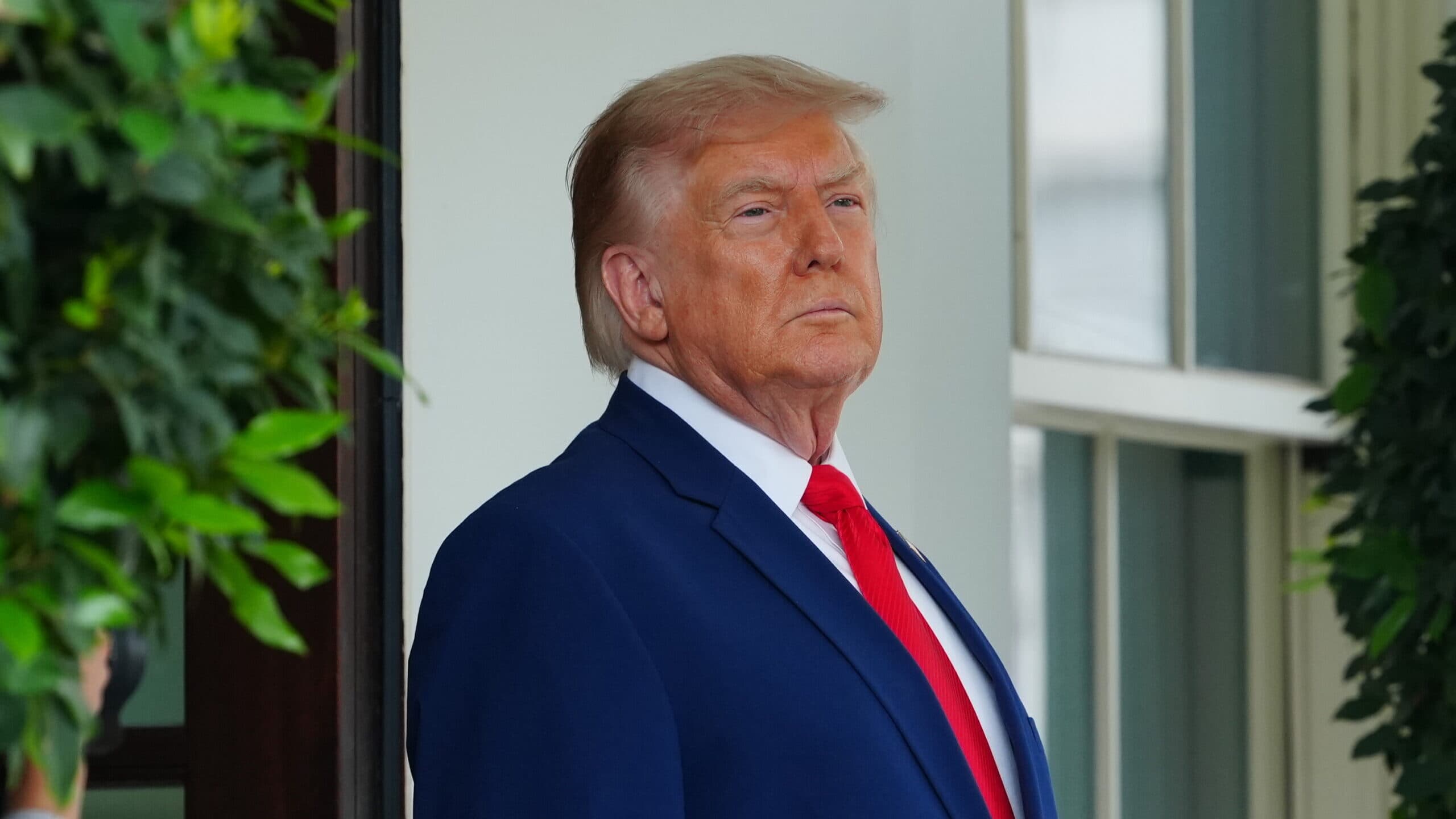
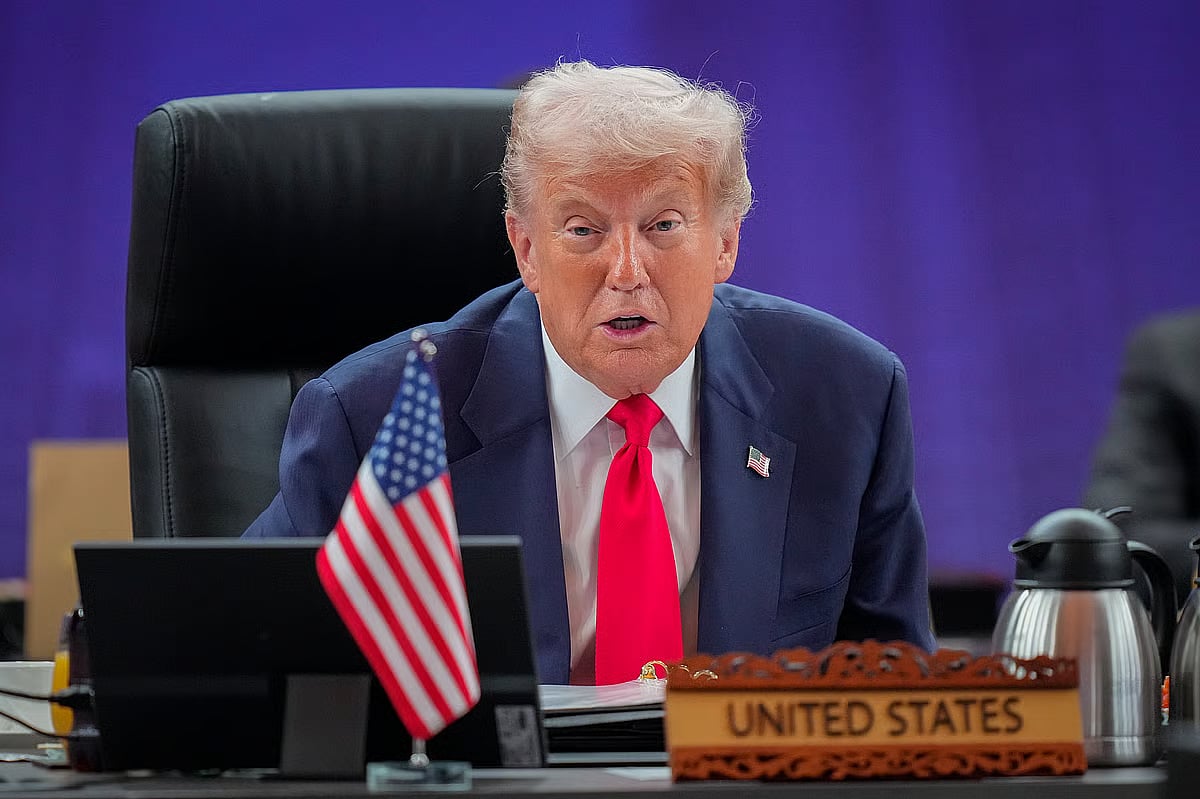
EU ambassadors are expected to meet in an emergency session this Sunday to assess the bloc's response to Donald Trump's threats and may decide to activate the European anti-coercion mechanism.
The European Union's anti-coercion instrument, which French President Emmanuel Macron will ask to be activated today if Donald Trump's threats of additional customs tariffs are carried out, was adopted in June 2023 but has never been used.
The Committee of Permanent Representatives of the European Union's member states has been convened for an extraordinary meeting this Sunday.
Rui Henrique Santos, an expert in international relations, analyses the Europeans' stance on a day when the US announced its intention to impose new trade tariffs on several allies, linking the move to the US attempt to acquire Greenland.

On a day when Trump announced his intention to impose new trade tariffs on several European allies, linking the move to the US attempt to acquire Greenland, Diana Soller, a commentator for CNN Portugal, analyses the true intentions of the US president.

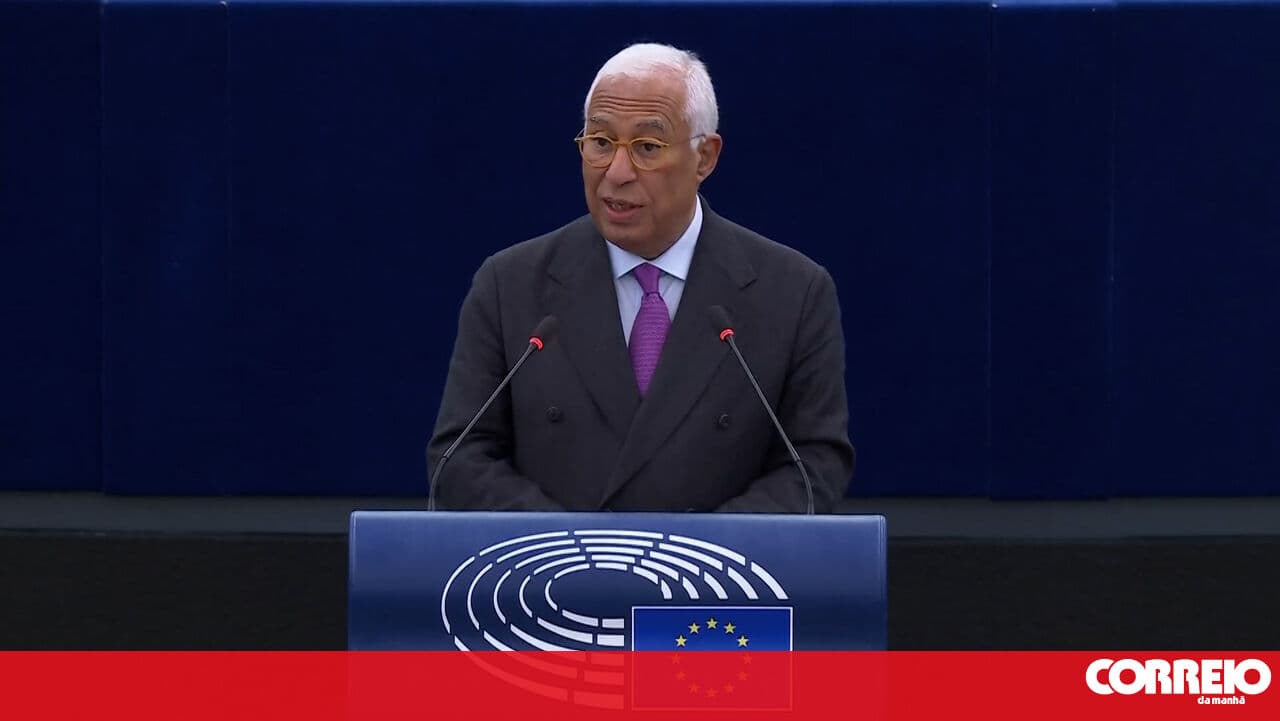
U.S. President Donald Trump announced tariffs on eight European countries tied to a dispute over Greenland, prompting President of the European Council, António Costa, and EU ambassadors to meet urgently on Sunday and leaders to promise a coordinated response. Brussels and several national leaders warned the measures threaten transatlantic relations; the European Parliament has signalled it will not advance a pending EU–US trade deal while tensions escalate. The political uncertainty could stall trade policy and affect exporters and markets; business owners and exporters should monitor developments closely.
Update: Multiple outlets (RTP, POLITICO Europe, ECO) report French President Emmanuel Macron pressed EU leaders to activate the bloc’s anti‑coercion instrument if Washington imposes the threatened surtaxes; the tool would require a qualified majority of member states to be deployed and is meant as a legal-political deterrent. Markets, exporters and import‑dependent businesses should monitor diplomatic developments and any concrete EU measures that could affect trade flows.

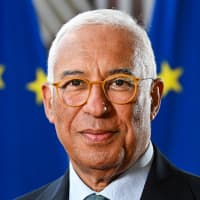
António Luís Santos da Costa (born July 17, 1961, in Lisbon) is a Portuguese lawyer and Socialist politician who served as Prime Minister of Portugal from 2015-2024 and currently serves as President of the European Council since December 1, 2024. After leading the Lisbon Municipal Assembly and practicing law, he was elected MEP (2004-2005) and entered parliament in 2002. He led the Socialist Party from 2014-2024, building unprecedented parliamentary coalitions with the Communist Party and Left Bloc (2015-2019) before winning an absolute majority in 2022. He resigned as PM in November 2023 following a corruption investigation, though subsequently cleared. The 27 EU member states elected him Council President in June 2024, making him the fourth full-time President and the first southern European socialist in that role.
Political Philosophy:
Costa represents moderate European social democracy, combining orthodox fiscal responsibility with progressive social investment. He prioritizes European integration, consensus-building, and pragmatic compromise over ideological confrontation. As Council President, he champions mediation between member states, improved EU inter-institutional relations, shorter decision-making processes, and regular visits to every EU capital to reconnect citizens with European institutions. His approach emphasizes "creative bridges" reconciling divergent interests while maintaining firmness on European values, particularly regarding Ukraine.
The term refers broadly to negotiations or arrangements between the European Union and the United States to manage tariffs, market access and trade disputes; there is no single comprehensive EU–US free-trade agreement, so relations are handled through sectoral deals, WTO rules and ad‑hoc talks. Tariffs or threats of tariffs (the recent row that prompted Brussels to warn about damage to transatlantic ties) can raise prices, disrupt supply chains and prompt coordinated EU responses or reciprocal measures, which is why EU capitals are sensitive to any escalation.
The EU anti‑coercion instrument is a tool the European Union agreed in 2021 that lets the bloc adopt targeted countermeasures (such as tariffs, trade restrictions or other trade-related measures) in response to economic pressure from third countries. Activating it in response to threats of U.S. tariff surcharges would allow the EU to coordinate a collective reaction that could affect trade flows, prices and businesses across member states.
Emmanuel Macron is the President of France, first elected in 2017 and re‑elected in 2022, and is associated with the centrist Renaissance movement. He is engaging European counterparts about using EU tools like the anti‑coercion instrument to respond to international trade threats.
In the EU Council context, a qualified majority means approval by at least 55% of member states representing at least 65% of the EU population (the standard since the Lisbon Treaty). It’s a higher threshold than a simple majority but lower than unanimity; decisions taken by qualified majority can authorise actions such as activating the EU’s anti‑coercion instrument, so businesses and travellers should watch Council votes when trade measures are at stake.

The European Council (Conselho Europeu) brings together EU heads of state or government to set the bloc’s overall political direction and priorities; it does not adopt ordinary legislation. Its president, Charles Michel, has chaired meetings since December 2019, and the Council’s political endorsement is important for major trade and investment deals, so those following EU policy should note its stance on agreements like the EU–Mercosur deal.

Brussels expresses solidarity with Denmark and warns that the tariffs would damage transatlantic relations. France, Sweden and the United Kingdom reject intimidation and promise a coordinated European response.

Europe will “be very firm in defending international law,” European Council President António Costa warned Washington.
China has imposed provisional tariffs of up to 42.7% on dairy imports from the European Union, a measure that could affect EU dairy exporters and heighten trade tensions.