The problem with Europe’s Big Tech breakup: It’s still hooked
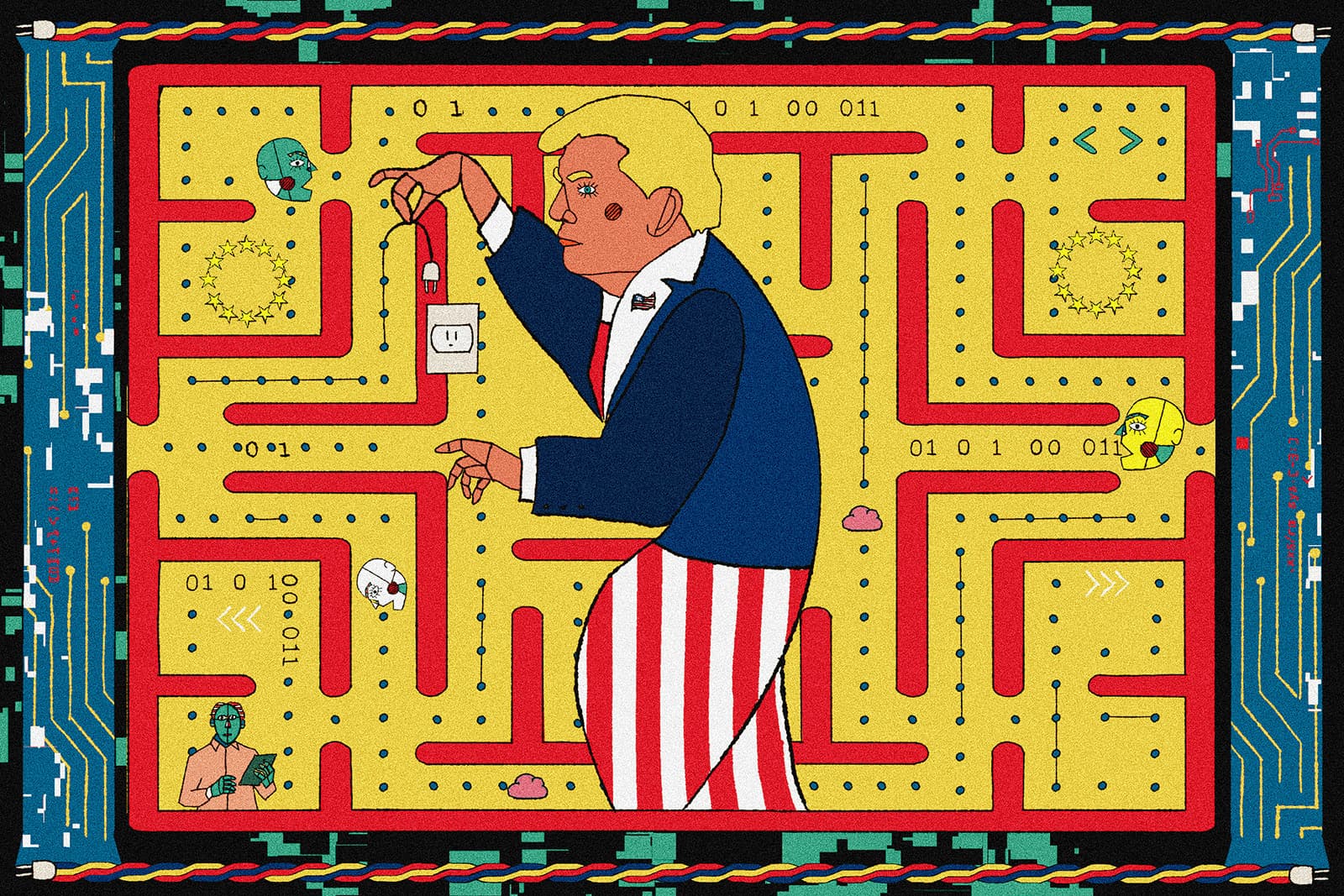
Thanks to Trump, EU governments are trying to break their overreliance on U.S. technology. It won’t be cheap or easy.
POLITICO Europe
Latest news and stories about tech policy in Portugal for expats and residents.
Thanks to Trump, EU governments are trying to break their overreliance on U.S. technology. It won’t be cheap or easy.
At stake is the new Digital Markets Act, which applies to 'gatekeepers', platforms that sometimes create barriers between businesses and consumers and control entire ecosystems.
At the latest Mobile World Congress, the CEO of Telefónica issued an unusual warning for a European leader: Europe is being 'naive' in assuming it will always have access to critical technologies developed outside the continent. The message is clear and uncomfortable: technological dependence has shifted from a theoretical topic to a real strategic risk. The digital infrastructure supporting the European economy—from cloud computing and AI to operating systems—largely depends on decisions made outside Europe. This debate, central to the upcoming APDC Congress, highlights that autonomy does not mean isolation, but rather choosing where to depend on others and where not to. While Europe leads in regulation, it lags in creating global tech champions, raising the question of whether regulation alone can build autonomy. True autonomy requires investment, scale, and a cultural shift toward risk-taking, as in a world where technology is power, failing to decide in time means losing ground.

On April 3rd, the EU's provisional rules for the detection and reporting of this content came to an end. Several tech giants have committed to maintaining their efforts through voluntary actions.

On April 3, the European derogation that legally framed the detection of this content expired. Tech companies are urgently calling on EU institutions for a solution.
Critics say Brussels risks ceding control of its tech laws under U.S. pressure.

The conflict is not between ethics and militarisation, but between different centres of power competing to define the limits of technology usage.

Sovereignty. The geopolitical context highlights the technological fragility of states and companies, which use tools they have little control over. 70% of computing capacity is foreign. Managers say it is an operational risk.

Scanning for child abuse content will become illegal in Europe after April 3.

After meetings with top Silicon Valley executives, Teresa Ribera doubled down on red lines around mixing the EU’s tech rules with trade negotiations with the U.S.

In a geopolitical context marked by instability and shifting alliances, topics such as technological and data control are increasingly crucial for companies and states – particularly in Europe. This was one of the key themes at the CEO AI Forum, organised this morning by Accenture, with Expresso as a media partner.

A group of 18 European publisher associations, tech companies, and startups is urging the European Commission to conclude the investigation launched in March 2024 into Google regarding the tech giant's alleged favouring of its own services in online searches. The imposition of a fine on Google is also being demanded. The open letter...

The growing use of AI models entails an increasing consumption of energy and resources, raising questions about the sector's sustainability.

The Minister of Economy and Territorial Cohesion, Manuel Castro Almeida, will appear before Parliament as a matter of urgency to explain the risk that Portugal could lose the headquarters of the European Startup Nations Alliance (ESNA – Europe Startup Nations Alliance). The motion presented by the PS was approved unanimously this Tuesday by the Economy and Cohesion Committee ...