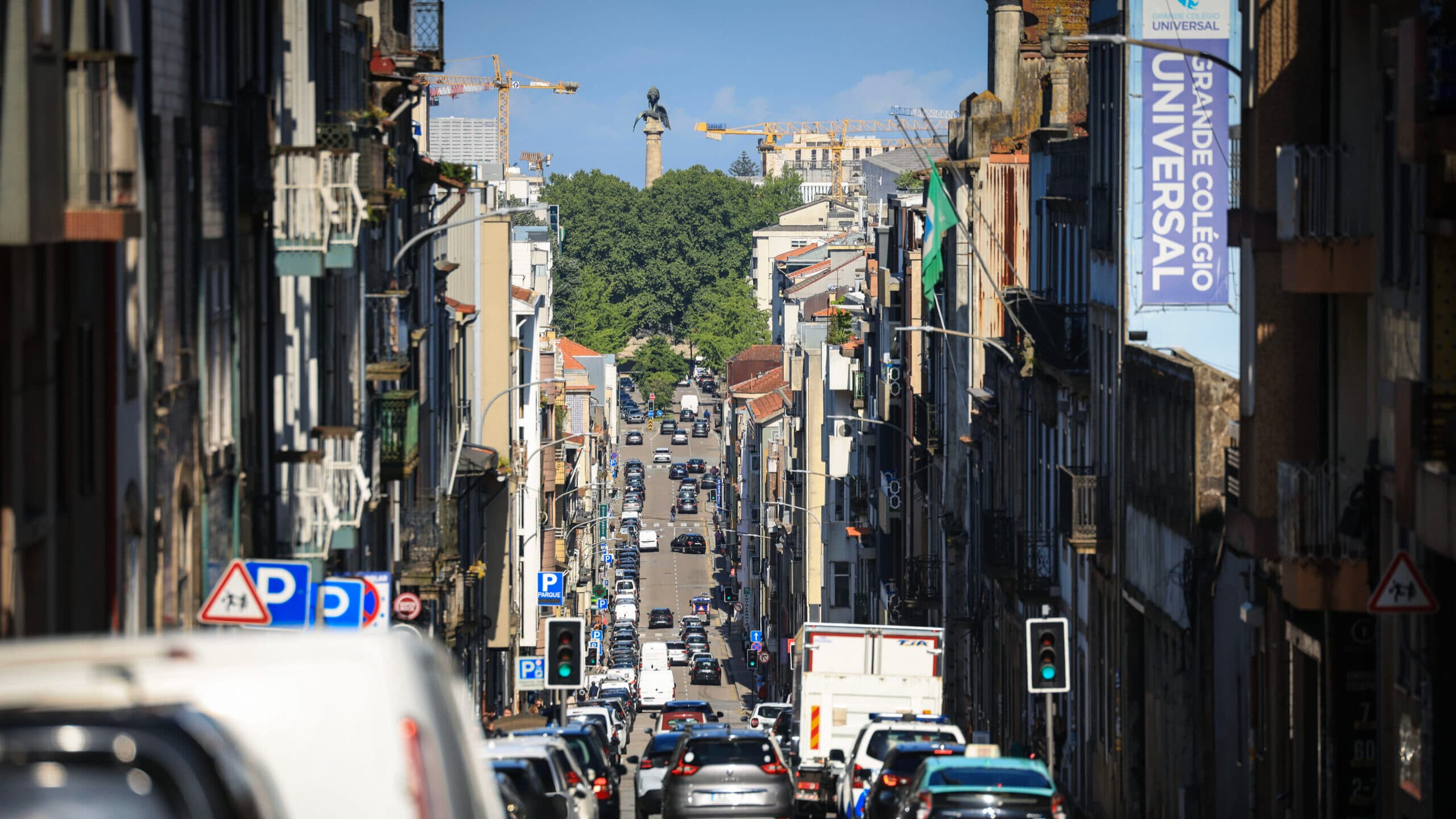
Porto is the first city in Portugal to offer free public transport
Porto has become the first Portuguese city to implement a free public transport system for its residents.
/https://i.s3.glbimg.com/v1/AUTH_da025474c0c44edd99332dddb09cabe8/internal_photos/bs/2026/R/3/wRPhSIQVuCk0Vy0z0XfQ/ngoc-hoang-lrrgx2mvclo-unsplash.jpg)
Latest news and stories about public transport in daily life in Porto, Portugal for expats and residents.
Porto has become the first Portuguese city to implement a free public transport system for its residents.
A section of a newspaper or publication featuring letters sent by readers to the editor.

The Porto Municipal Assembly has approved a proposal to provide free public transport for residents across the entire metropolitan area, with implementation scheduled for January 2027 at an estimated annual cost of 20.5 million euros.
The Porto Metrobus begins its commercial service today between Casa da Música and Praça do Império, ending its free trial period after 51 days, with the second phase to Anémona still pending.
Two people were reportedly stabbed near Trindade metro station in Porto; suspects fled the scene. One man sustained minor injuries and was taken to Santo António Hospital. The incident raises concerns about safety at a major transport hub and is likely to prompt a police investigation and reviews of security and emergency response measures to reassure the public and protect commuters.

Metro do Porto has announced that the new Pink Line, linking São Bento and Casa da Música, will be operational by March 2027. Company president Emídio Gomes said this despite construction works being completed this year, indicating a multi-month gap between project completion and passenger service commencement. The announcement clarifies the timetable for a key expansion of Porto’s public transport network.


The GNR identified which motorways it admits may experience the most impact.
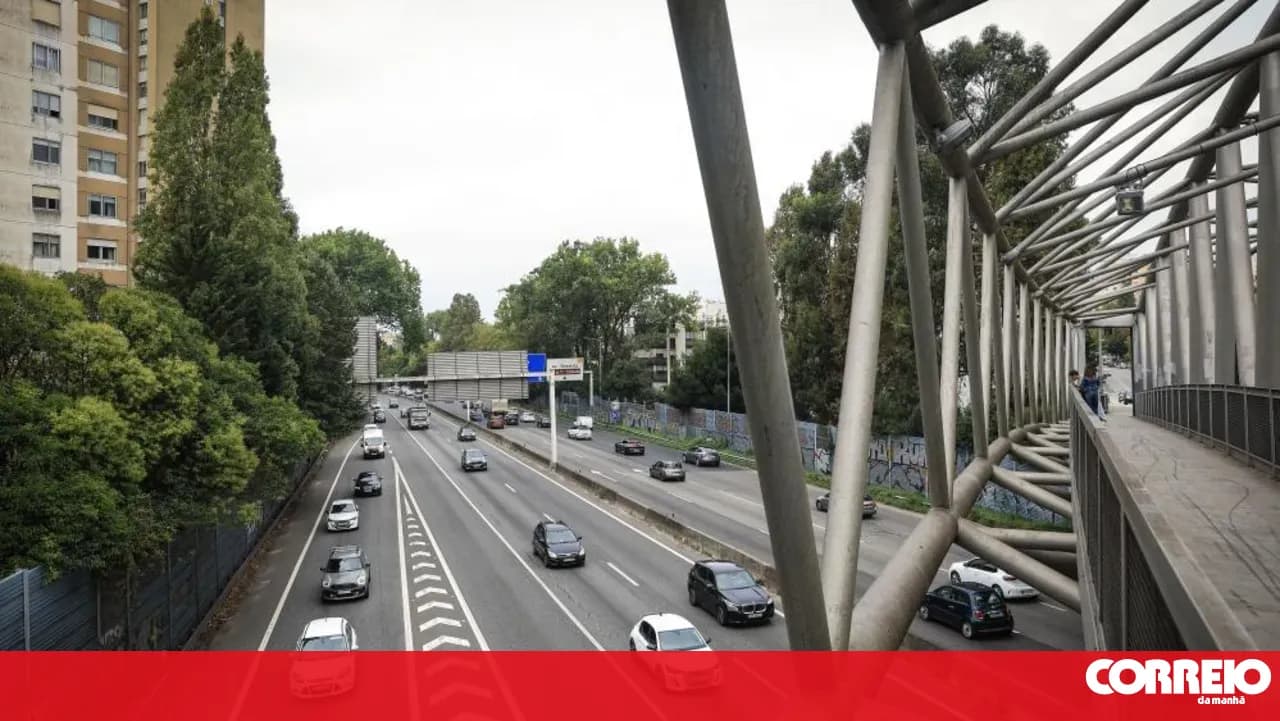
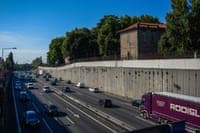
The ban on heavy vehicles not destined for the cities of Porto or Vila Nova de Gaia on the Internal Beltway (VCI) came into force this Tuesday between 07:00 and 21:00 on weekdays.
Around 8,000 heavy goods vehicles used to pass through the VCI daily. The bans begin this Tuesday between 07:00 and 21:00.
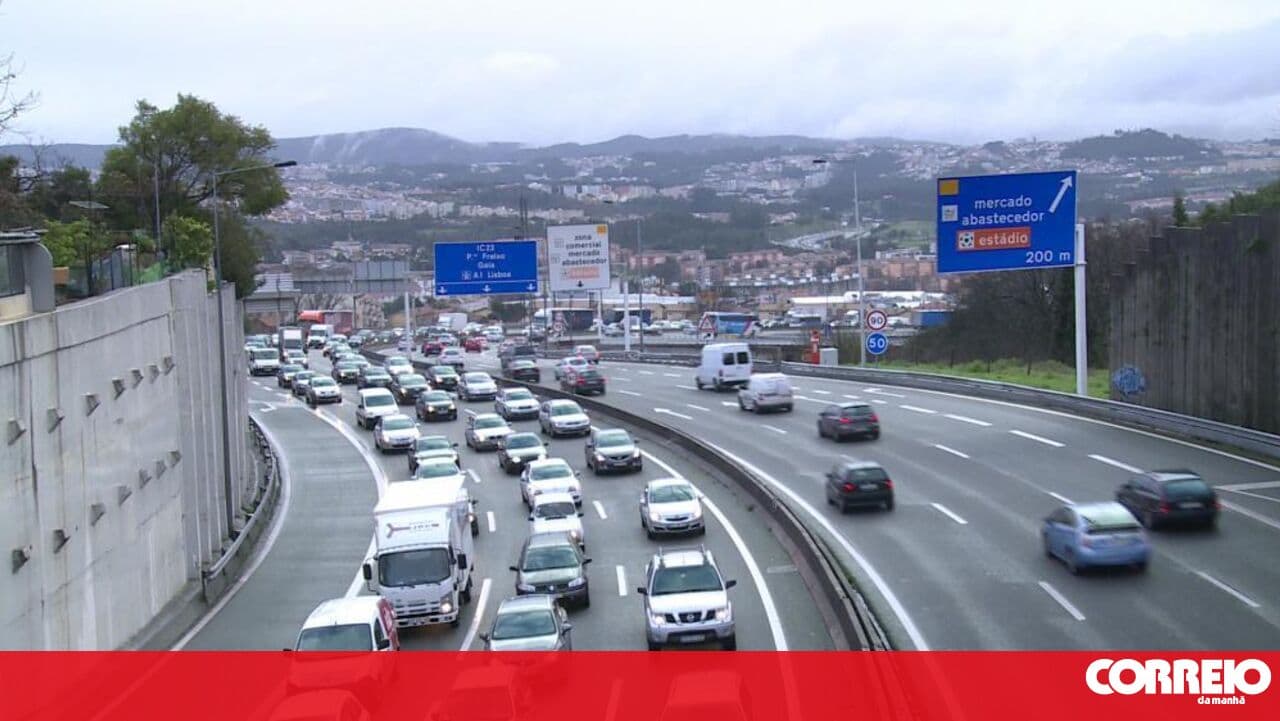
It is expected that half the number of trucks that previously passed through there daily will now circulate.
Porto's mayor, Pedro Duarte, announced a new parking policy to be presented by the end of the year, aiming to reduce surface parking and grant priority to residents. The strategy includes reviewing current parking contracts, potentially lowering rates for locals, and discouraging car use in the city centre through pedestrianisation and increased bus lanes. Additionally, the council plans to install speed cameras by 2027 to enforce the 30 km/h speed limit zones.
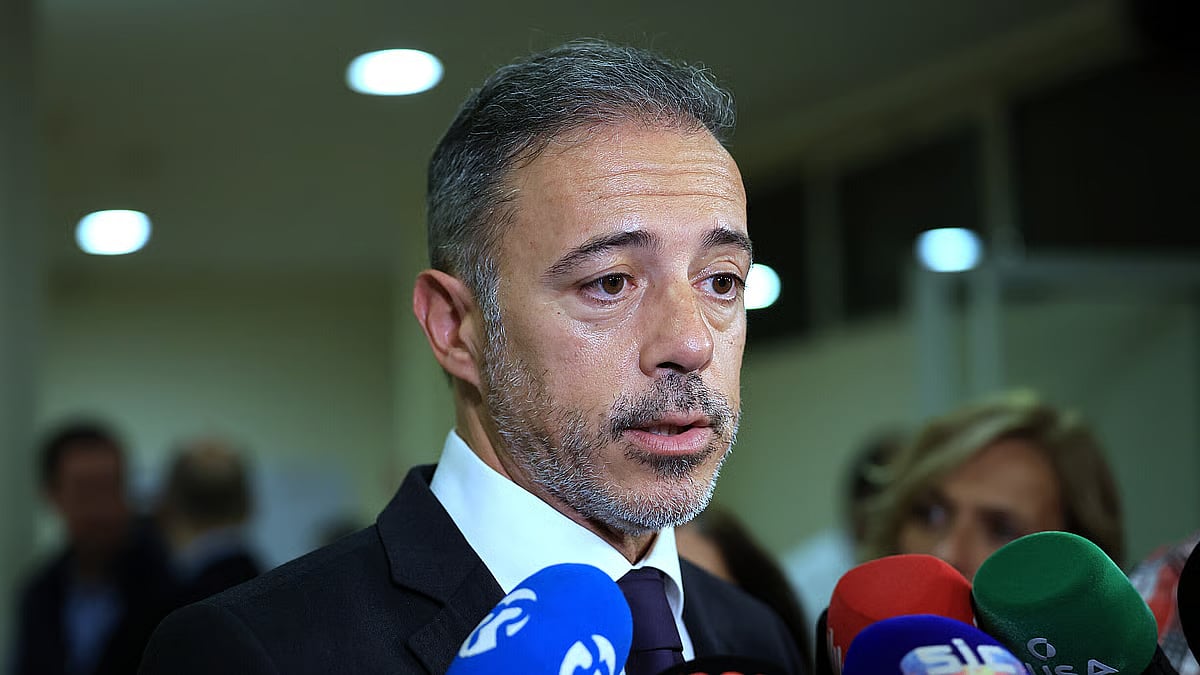
Starting this Tuesday, heavy goods vehicles are prohibited from circulating on the VCI between 07:00 and 21:00, except for deliveries to Porto and Gaia. The CNN Portugal reporter on site reports on how the first day of this measure is going.

The VCI (Via de Cintura Interna) in Porto is implementing new traffic restrictions for heavy goods vehicles starting today.

The measure aims to alleviate traffic in this area. The Mayor states that it will not solve the traffic problem on the VCI, but that it may help. As an alternative, the A41 is toll-free.
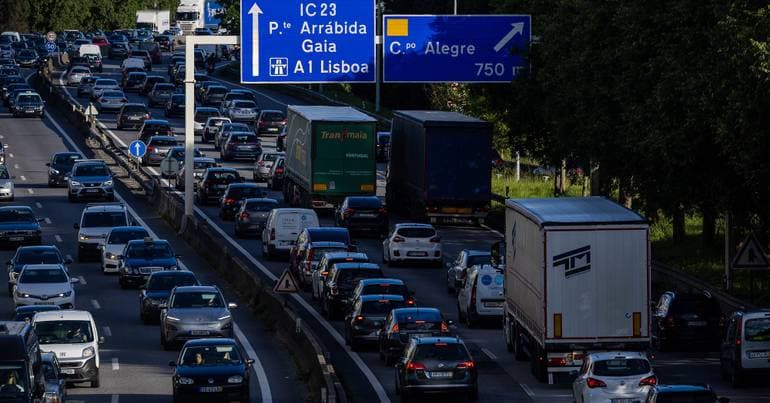
Heavy goods vehicle traffic on the VCI is limited during the day to vehicles destined for Porto or Vila Nova de Gaia

The measure aims to ease traffic on this artery and applies to goods vehicles with a gross weight exceeding 3,500 kilograms, three or more axles, and a height of 1.1 metres or more.
Around 8,000 heavy goods vehicles used to pass through the VCI daily. The bans begin this Tuesday between 07:00 and 21:00.
Starting this Tuesday, heavy goods vehicles face strict circulation restrictions on the Inner Beltway (VCI). What is changing and for whom?

There are exceptions, but the ban covers most heavy vehicles on weekdays between 7 am and 9 pm. The measure aims to reduce congestion on what is one of the city's main roads.

Approximately 210,000 customers use the youth pass, with 60,000 students having a station within five minutes of their school. It highlights the reach of the network, which includes the Boavista metrobus.
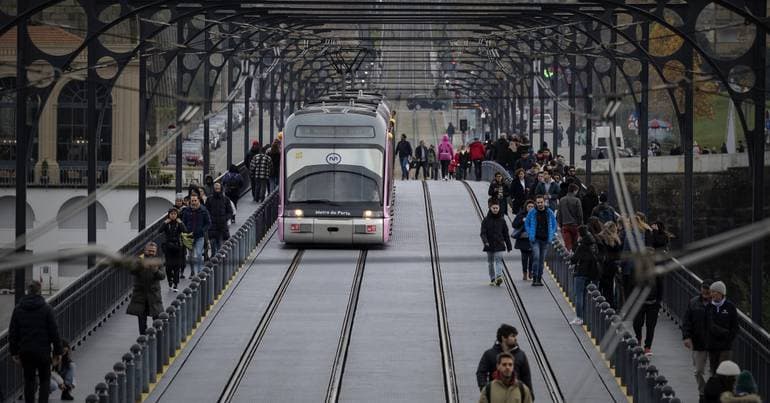
The Metro notes that approximately 210,000 youth pass holders were recorded on the metro carriages, corresponding to a total of 13 million validations.
It is an extra 60 kilometres and an easy calculation to make: additional fuel and time will weigh on the final bill
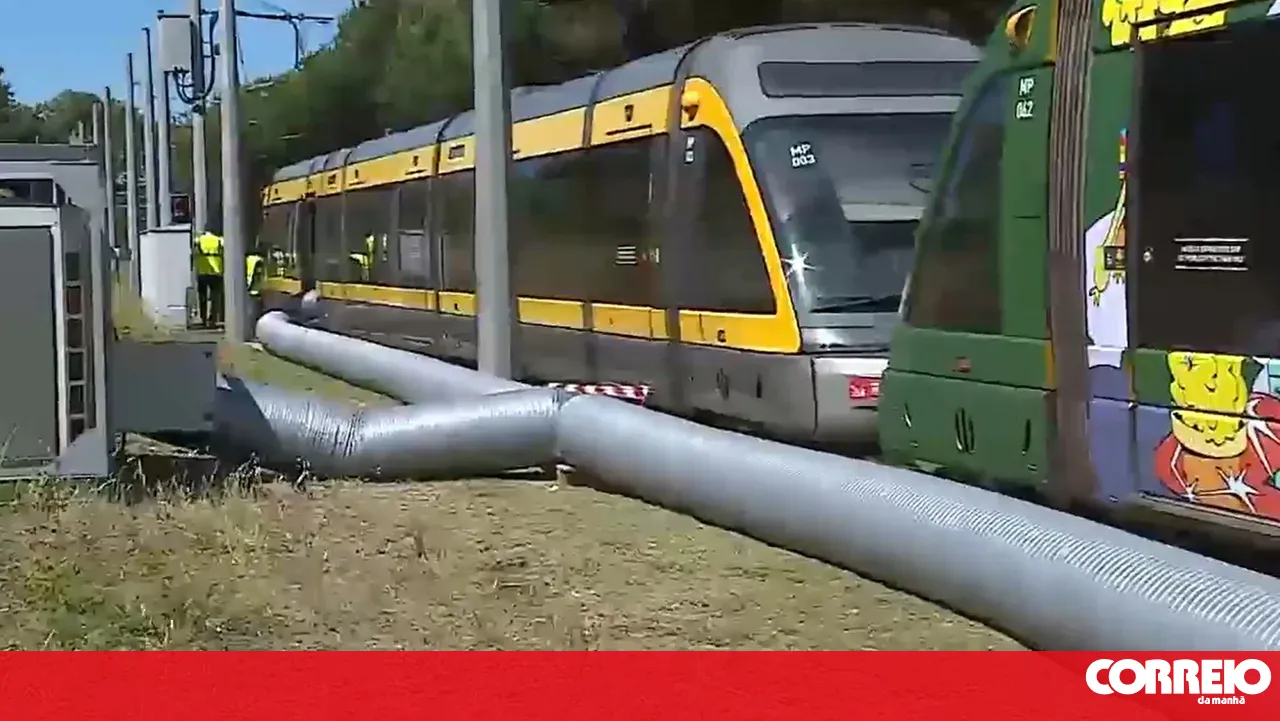
Service between Campo 24 de Agosto and Senhora da Hora will be interrupted from 10:00 PM on Saturday until 12:00 PM on Sunday. Stations will remain open and an alternative route will be provided by bus.
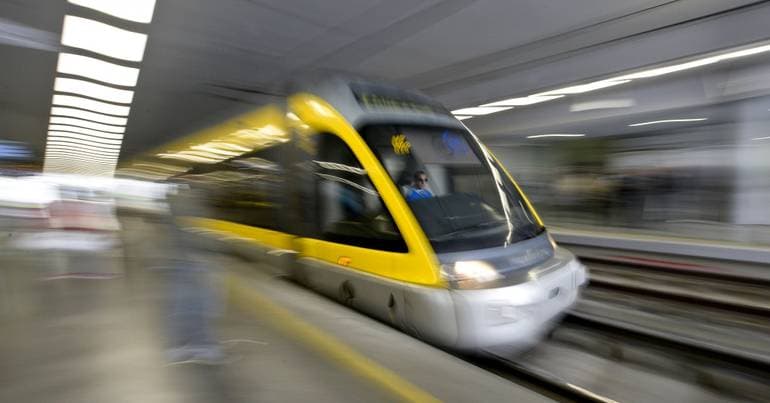
Despite the interruption on this section, the stations will remain active for travel to and from other directions.
More than 100,000 people have already signed up for the free public transport pass on the Porto municipal card. About half are new registrations for the social pass.

Home News Public transport campaign targeting youth in Portugal Public transport campaign targeting youth in Portugal On 7 September, Transportes Metropolitanos do Porto announced the launch of the ‘Validate Your Pass’ campaign for the Andante brand, aimed at promoting the adoption of the Youth P
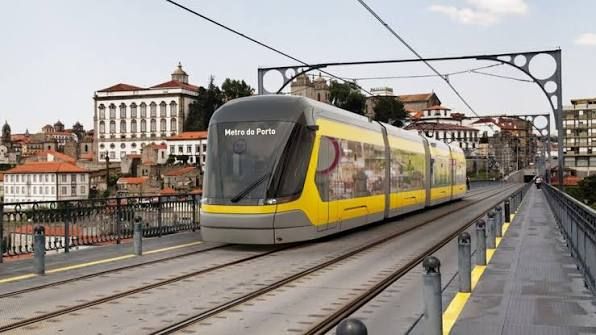
Price appears as the second reason, followed by speed and frequency. The plan's submission to public consultation will be voted on at the Porto City Council public meeting on Tuesday.
Porto loses at least 100 million euros in potential annual revenue associated with illegal parking, according to the diagnosis made in the Sustainable Urban Mobility Plan (PMUS) consulted today by Lusa. These data also allow for an estimated potential revenue loss of about 100 million euros per year, from a perspective...