

Socialist Portugal: PS reinforces political strategy with a “battle of ideas”
The Socialist Party (PS) is strengthening its political approach by focusing on a debate of core principles and ideological positioning.

Latest news and stories about political strategy in Portugal for expats and residents.
The Socialist Party (PS) is strengthening its political approach by focusing on a debate of core principles and ideological positioning.
In an interview, Francisco César discusses the Socialist Party's (PS) need to evolve to regain public trust, the party's stance on parliamentary partnerships, and the challenges facing its leadership following the recent party congress.
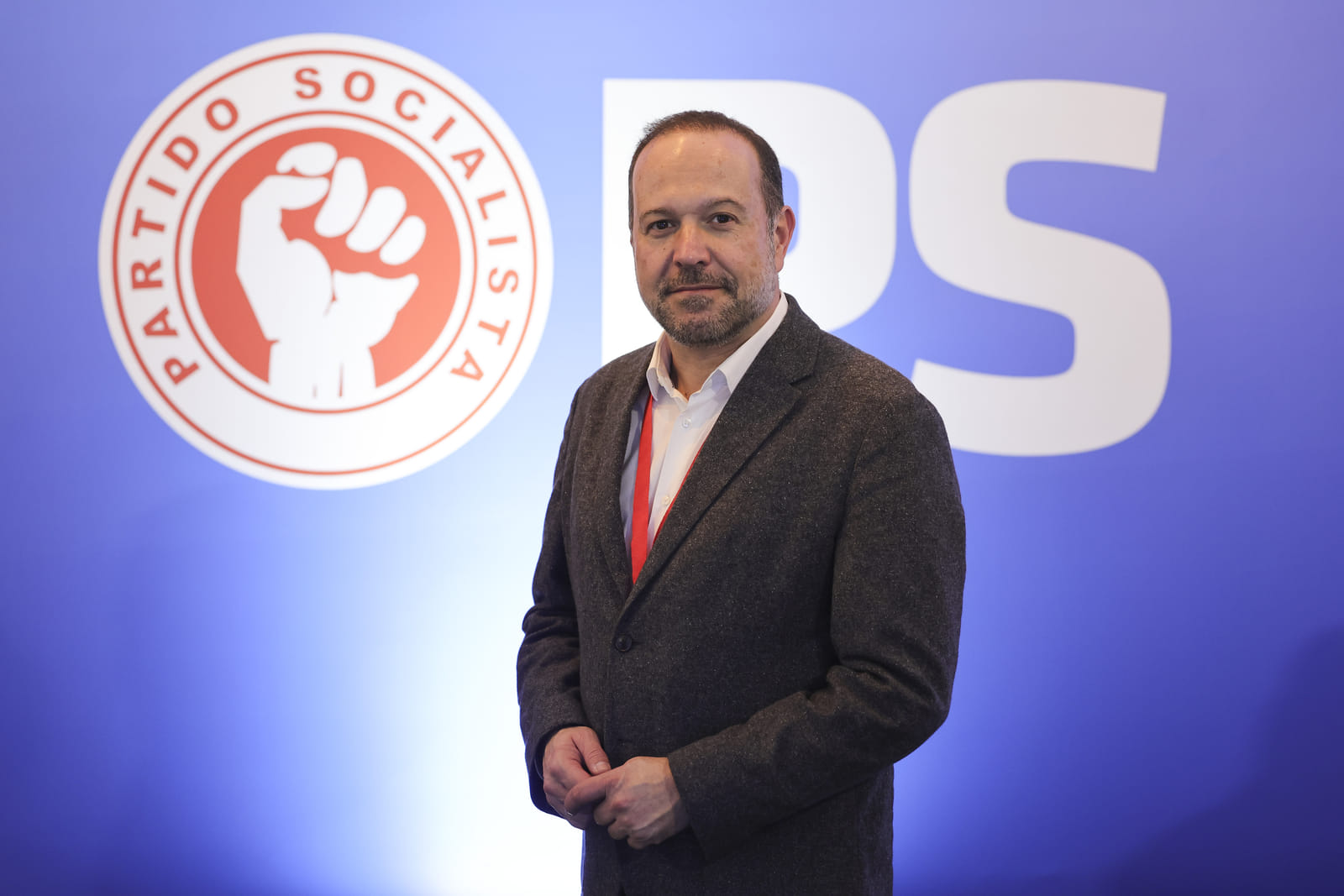
The Socialist Party (PS) Congress confirmed that while José Luís Carneiro is an unchallenged leader institutionally, he lacks political consensus. Despite no formal opposition, delegates in Viseu criticised his lack of a clear strategic direction, demanding more courage and a stronger voice in opposition. Carneiro faces the paradox of needing to rebuild the party after electoral defeat while navigating the complex relationship between the AD government and Chega. Internal factions are divided between a hardline approach of total rupture and a more institutional stance focused on governability. With the party struggling to attract new voters and internal rivals watching closely, Carneiro must define a clear path to avoid the fate of former leaders and prepare for the 2029 electoral cycle.
Socialist leader closes congress leaving the door open to the PSD and refocusing the party's strategy in Parliament. He is already looking towards a victory in the next legislative elections.

At the closing of the 25th PS congress, José Luís Carneiro presented several proposals for the coming months of opposition but guarantees that he will continue to be a “constructive” opposition.
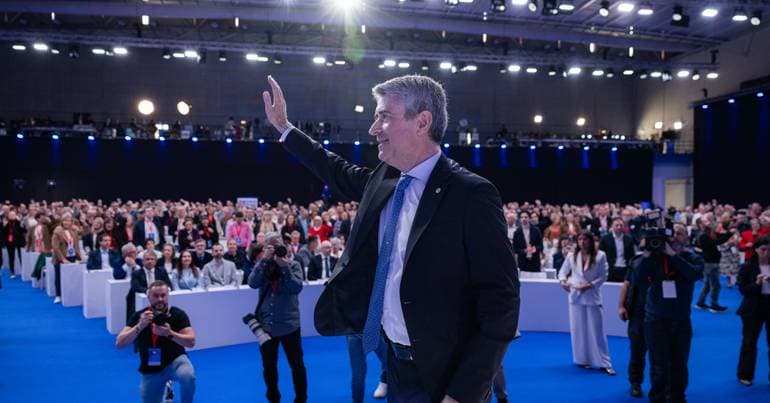
This is one of the highlights on the agenda of the PS Congress. Today is also the deadline for submitting lists for national bodies. Additionally, pending asylum applications have doubled and are now nearly 9,000.

Augusto Santos Silva is the general coordinator of the body reflecting on the country the PS intends to have by 2050. He provided ideas for Carneiro's motion and information for parliamentary discussions.

Ahead of the 25th PS Congress, party members are calling for a fresh political approach, urging leader José Luís Carneiro to move beyond being a mere parliamentary partner to the government and to establish the party as a credible, progressive alternative to the current administration's policies.
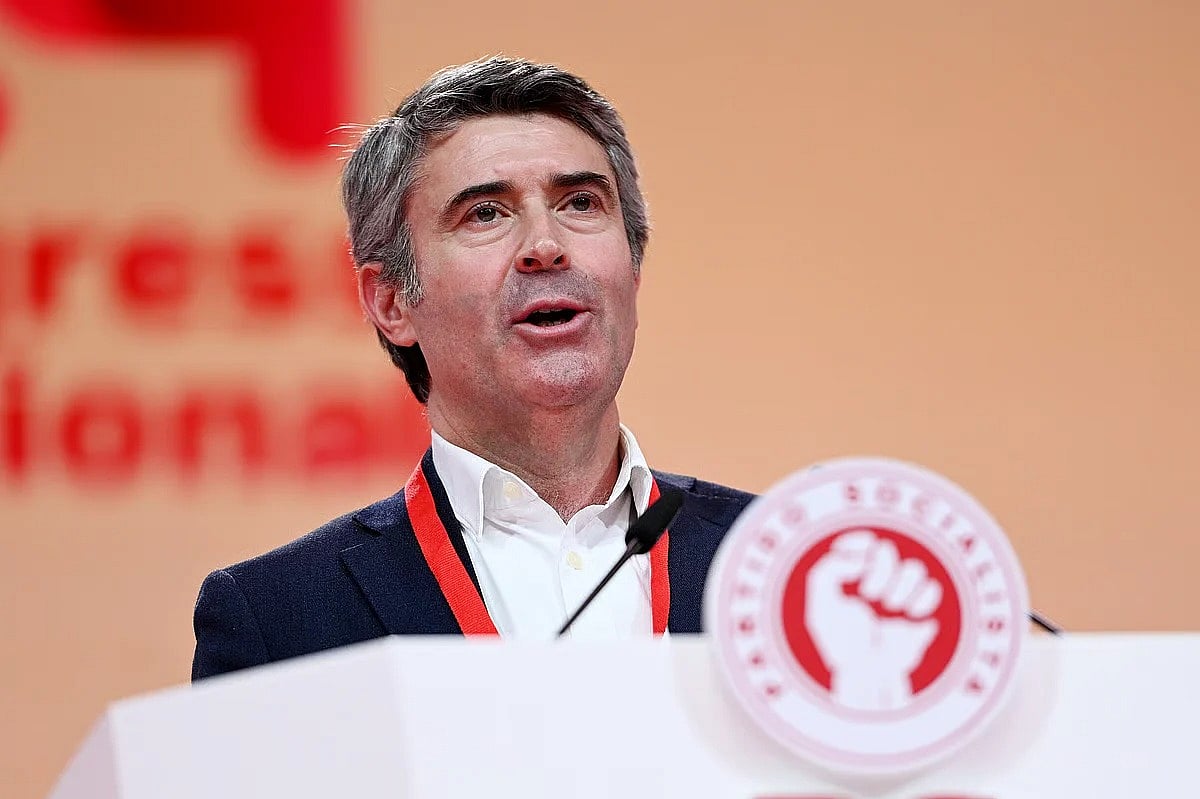
The socialists' major meeting in Viseu was dominated by the relationship with the PSD and the Government, and by the need for party renewal to prepare a future strategy and establish itself as a credible alternative.

André Ventura reframing the campaign, placing the emphasis on what he calls the elites set against him.
The centre‑right faces a dilemma over André Ventura: if their candidate loses, Ventura will remain influential and keep his support; if he wins, he will dominate and reshape the political scene.

Marques Mendes's campaign apparatus identifies some of the factors behind the poor electoral result. Demobilisation within the PSD and disinformation on social media are among the explanations found.

In Luís Montenegro's team the instruction is to play down the drama. No one truly believes Ventura will be elected, although a strong result carries risks. And Seguro will not be held hostage by Rato.

The prime minister ended up going to the polls in these presidential elections and was defeated on election night. Not backing Seguro would be a mistake that would culminate in a 'difficult relationship' if Ventura reaches Belém.

Inês Figueiredo, a journalist at Observador, outlines André Ventura's strategy for the second round. During the campaign he presented himself as 'a more moderate candidate' and on election night it became very clear why he was adopting that approach: 'He wants to be the new leader of the right, now fragmented, and seeks to show that he is the only person who can bring it together.'
On the final day of the election campaign, João Marcelino analyses the changes in voting intentions for the presidential candidates, assuming that António José Seguro “will probably be in the second round” and that second place will be taken either by André Ventura or by Cotrim de Figueiredo.

The answer can be summed up like this: if Ventura became President of the Republic he would be politically 'castrated', which would have very negative consequences for Chega's subsequent electoral results.

Cotrim's slip was seized on by Mendes to dramatise an appeal for tactical voting. Not seeking miracles, he received a public declaration of affection and help in attacking the opinion polls.

Only candidates from the 'centrão' (the centrist bloc) have avoided launching a fierce attack on President Marcelo Rebelo de Sousa.

The candidate backed by the PS (Socialist Party) refuses to respond to opponents' provocations and presents himself as a unifier, seeking support from the left right through to the right. There's even a whiff of Soares from 1986 energising him.

Known for verbal aggression in previous campaigns, André Ventura now chooses not to respond to opponents' provocations, arguing that exchanges of accusations do not interest the Portuguese, who prefer to hear about the issues that affect the country.

Liberals on social media are trying to woo Chega voters by pointing to the possible election of a 'socialist'. Ventura is following the tactic and has already urged Montenegro to join him to prevent Seguro from becoming President.
In an attempt to win votes on the right, Cotrim Figueiredo is aligning himself with the Government, but he risks alienating his own voters. Also: the obsession with Passos Coelho and the letter to Montenegro.

With five candidates in a technical tie, Seguro and Jorge Pinto should reach an understanding. Each must take a step towards the other to increase the chances of the former being elected.
Candidate invokes social-democratic credentials to try to win over Mendes's electorate

Henrique Gouveia e Melo has come in with full force using an aggressive strategy and is lashing out at all his opponents. Marques Mendes, meanwhile, doesn't know whether to back away or to stick even closer to Montenegro.
A more interventionist president is someone who, with the personal legitimacy of the vote, conditions the government. Ventura knows this — and he also knows that Mendes, in the second round, is a perfect target waiting to be brought down.

After months of internal tensions, PAN will also approve the political strategy for the next two years. Also, António José Seguro today discloses the list of clients from whom he received money.
Carneiro says that votes for Seguro would secure the left's place in the second round of the election.
