

IL joins PSD and Chega at the Constitutional Court. Will it be enough?
Is a possible resolution to the deadlock at the Constitutional Court getting closer?

Latest news and stories about political deadlock in Portugal for expats and residents.
Is a possible resolution to the deadlock at the Constitutional Court getting closer?
Prime Minister Luís Montenegro and Socialist Party (Partido Socialista or PS) leader José Luís Carneiro met to discuss the ongoing impasse regarding elections for external parliamentary bodies. Following the meeting, José Luís Carneiro noted that while the conversation was practical, a final agreement is still pending, specifically regarding the Constitutional Court (Tribunal Constitucional). Those following national politics should note that the deadlock has delayed the appointment of officials to several independent regulatory and judicial oversight roles.

Luís Filipe Montenegro Cardoso de Morais Esteves (born February 16, 1973, in Porto) is a Portuguese lawyer and center‑right politician who has served as Prime Minister of Portugal since April 2, 2024. A long‑time member of the Social Democratic Party (PSD), he is the leading figure of the post‑Troika generation of Portuguese conservatives. Montenegro was elected to the Assembly of the Republic in 2002 for the Aveiro district and remained an MP for 16 years, becoming PSD parliamentary leader from 2011 to 2017 during the bailout and austerity period under Prime Minister Pedro Passos Coelho. He was a prominent defender of strict austerity measures, arguing in 2014 that “the life of the people is no better, but the life of the country is a lot better,” a phrase that has followed his public image since. After an unsuccessful leadership bid against Rui Rio in 2020, Montenegro won the PSD leadership in 2022. He then forged the centre‑right Democratic Alliance (PSD–CDS‑PP and allies), which won a plurality of seats in the 2024 legislative election. Refusing to partner with the far‑right Chega, which he has called “often xenophobic, racist, populist and excessively demagogic,” he formed a minority government as head of the XXIV Constitutional Government on April 2, 2024. His first government fell in March 2025 after a no‑confidence vote linked to a conflict‑of‑interest affair, but fresh elections saw the Democratic Alliance increase its seat share, allowing Montenegro to return as prime minister leading the XXV Constitutional Government. His importance to Portugal lies in attempting to re‑center the traditional centre‑right after the crisis years, defending liberal‑conservative economics and EU alignment while drawing a sharp line against formal cooperation with the radical right, thus shaping how Portuguese democracy manages its new multi‑party era.

Socialist Party (PS)
Portugal's other traditional major party suffered a historic collapse in the 2025 election, dropping from 78 to 58 seats and falling to third place for the first time in democratic history. The party was led by Pedro Nuno Santos from January 2024 until his resignation following the May 2025 defeat. José Luís Carneiro, a 53-year-old former Minister of Internal Administration known for his moderate positioning within the party, was elected unopposed as the new Secretary-General with 95% of votes in June 2025. The Socialist Party governed Portugal from 2015 to 2024, including an absolute majority from 2022 to 2024 under António Costa, who resigned in November 2023 amid a corruption investigation. The PS previously led the innovative "Geringonça" (contraption) coalition government from 2015-2019, a minority government supported by the Left Bloc and Portuguese Communist Party that reversed austerity measures and presided over economic recovery.
The Constitutional Court (Tribunal Constitucional) is Portugal's highest court for constitutional review. Its primary role is to assess whether laws, decrees, and government actions comply with the Portuguese Constitution, and it has the power to strike down or suspend unconstitutional measures.
The court consists of 13 judges — 10 appointed by the Assembly of the Republic and 3 co-opted by the other judges. It also oversees the legality of political parties and their finances, verifies election results, and rules on the constitutionality of referendums.
The Constitutional Court is frequently in the news when opposition parties, the President, or the Ombudsman refer controversial legislation for review — such as labor reforms, housing laws, or immigration policy changes. Its rulings are final and binding.

Marcelo Rebelo de Sousa does not want to comment on the deadlock regarding the selection of names for state bodies and the Constitutional Court. The former President of the Republic says he will dedicate himself to events linked to culture and education and will attend official moments, but will not speak about active politics again.

Luís Rosa and Paulo Saragoça da Matta have a “Duel” over the causes of the deadlock in the election of three judges to the Constitutional Court.

Cecília Meireles and Miguel Prata Roque analyse the deadlock in the election of new judges for the Constitutional Court, on the Linhas Vermelhas podcast.

The current impasse in appointing members to external bodies is a symptom of structural failure in Portugal. Rather than a temporary delay, this months-long process reflects a political system that prioritises partisan influence over public interest. The PSD has failed to lead or negotiate, while the PS has engaged in deliberate obstructionism to suit its own agenda. Meanwhile, Chega's pursuit of positions contradicts its previous anti-establishment rhetoric. The Iniciativa Liberal advocates for the appointment of independent, merit-based candidates to restore institutional functionality and democratic maturity, warning that the ongoing paralysis is eroding public trust.

Could the early departure of the current Constitutional Court president, José João Abrantes, break the deadlock delaying appointments to external bodies? The Socialist Party (PS) denies that a new vacancy would change their stance, as negotiations remain stalled. Meanwhile, the PSD seeks to secure a majority with the support of the Liberal Initiative to appoint judges, while the PS warns against a right-wing shift in the Court. The President of the Republic is expected to encourage a consensus, though political tensions remain high following accusations of obstructionism.
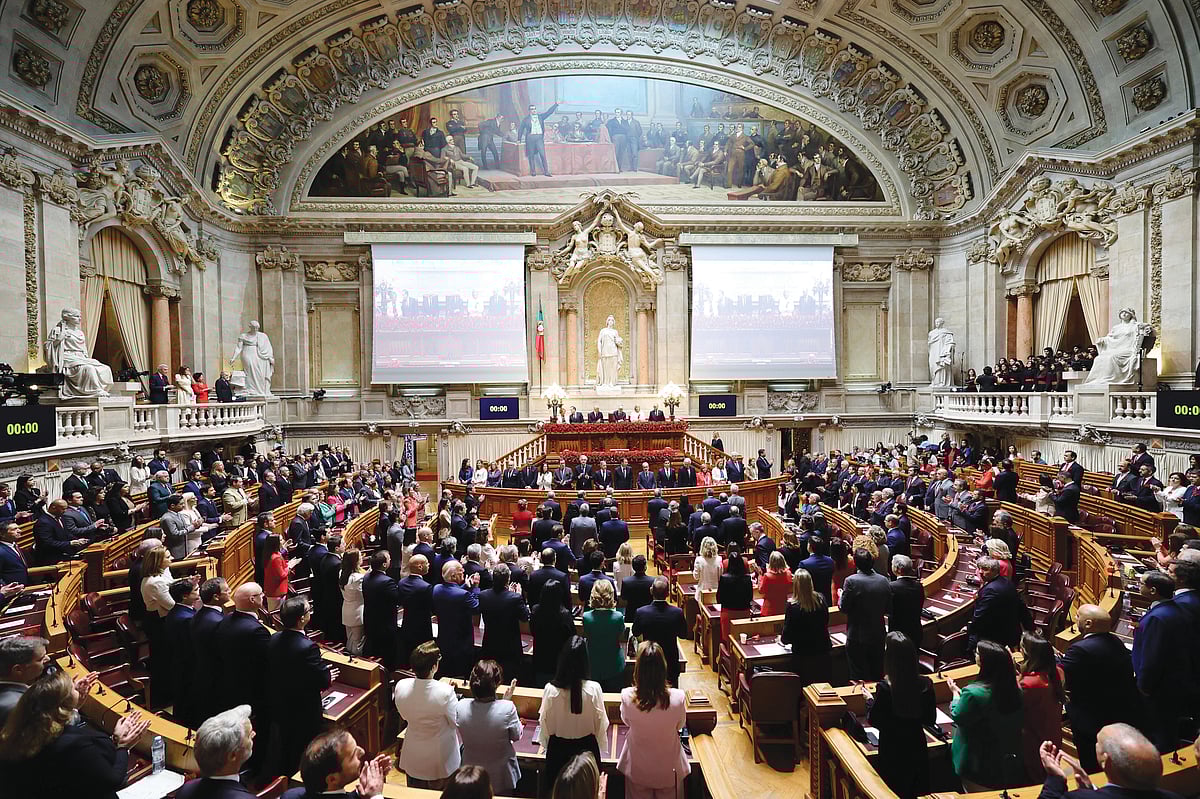
Pedro Delgado Alves says that Abreu Amorim's tone “only worsens the institutional situation”. At issue is the deadlock in the election of three judges for the Constitutional Court.
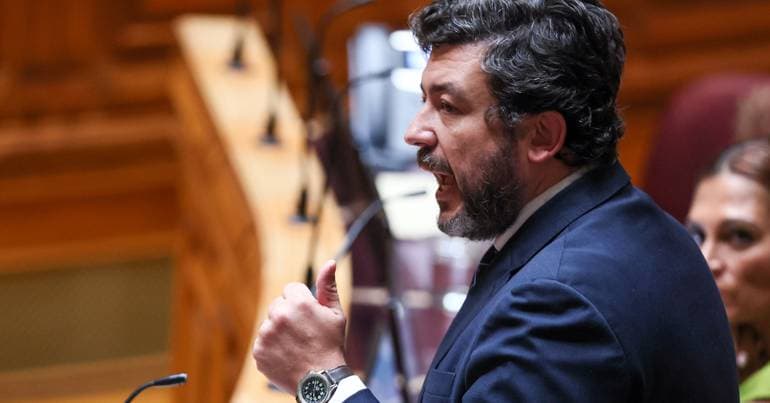
PSD, PS, and Chega fail to reach an agreement on the election of three new judges for the Constitutional Court. But why is this election so important after all?
The president of the Constitutional Court, José João Abrantes, is expected to leave his post in the coming months, anticipating the opening of four vacancies in the court, as reported by Público (paywall). The departure, which he reportedly admitted internally would occur in April or May, adds to three already vacant seats and worsens the political deadlock regarding the replacements.
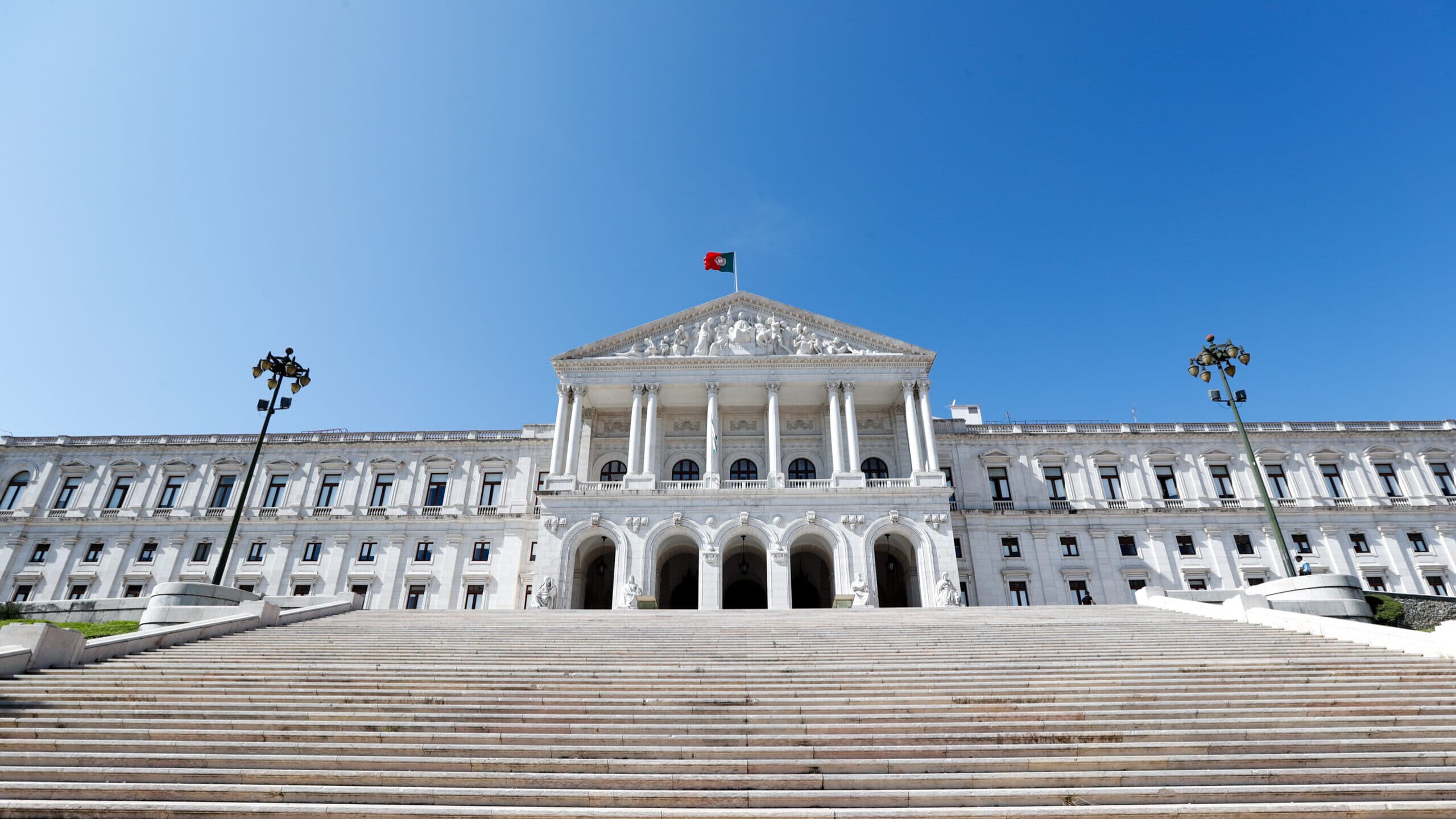
There may be four, not three, judges to replace at the Constitutional Court (TC). Público reports that president João Abrantes may leave before his term ends, increasing pressure to resolve the political deadlock over the appointment of judges. JN reveals a newspaper piracy scheme where, for 10 euros, users can join WhatsApp and Telegram groups to access content illegally. Correio da Manhã highlights the life of the Portuguese nurse convicted of murder, discovered in Jakarta. Mariana Fonseca lived with her girlfriend and received financial support from her parents; she is currently serving her sentence in Tires. Expresso features a report on the long winter in Ukraine and how the population is surviving amidst the prolonged war and intense cold.
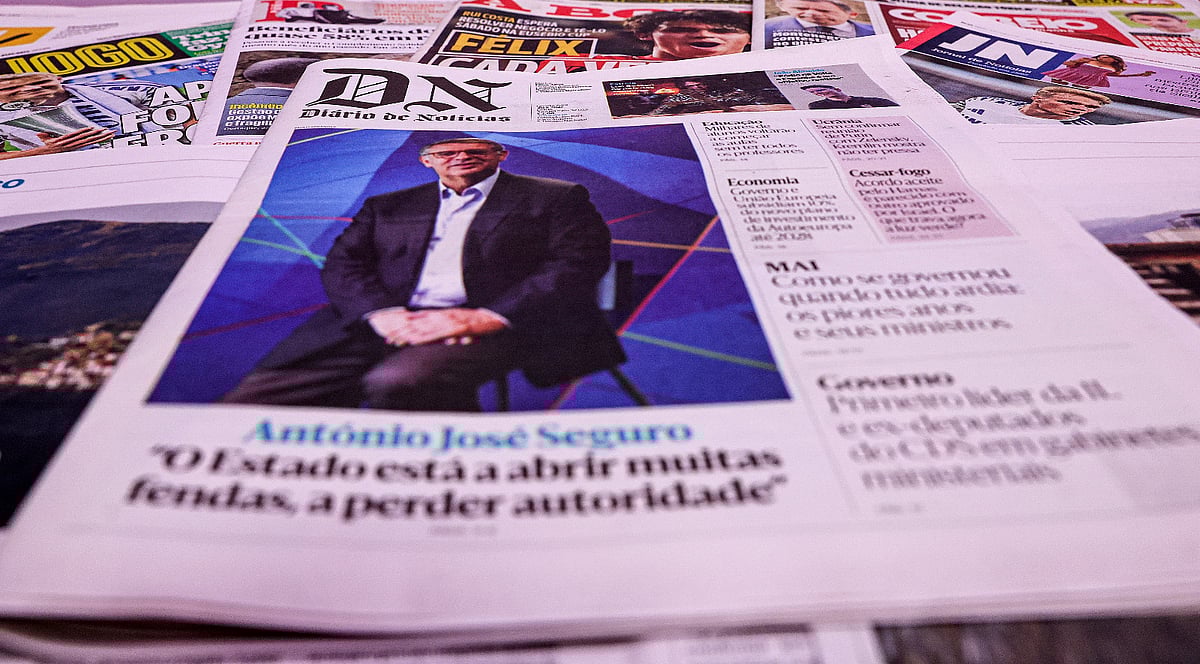
Faced with the deadlock in the elections for the Constitutional Court, we commented on the parties' tantrums regarding this choice, Centeno's millionaire pension, and the controversy over meals for the rich and poor at the Salesians of Manique.

It is necessary to say no and ensure that judges with high-quality curricula go to the Constitutional Court.

The parties' hearings with the new President of the Republic were marked by the deadlock in nominations for the Constitutional Court. Chega says that an agreement with Montenegro only failed to progress due to the PS's 'stubbornness'.
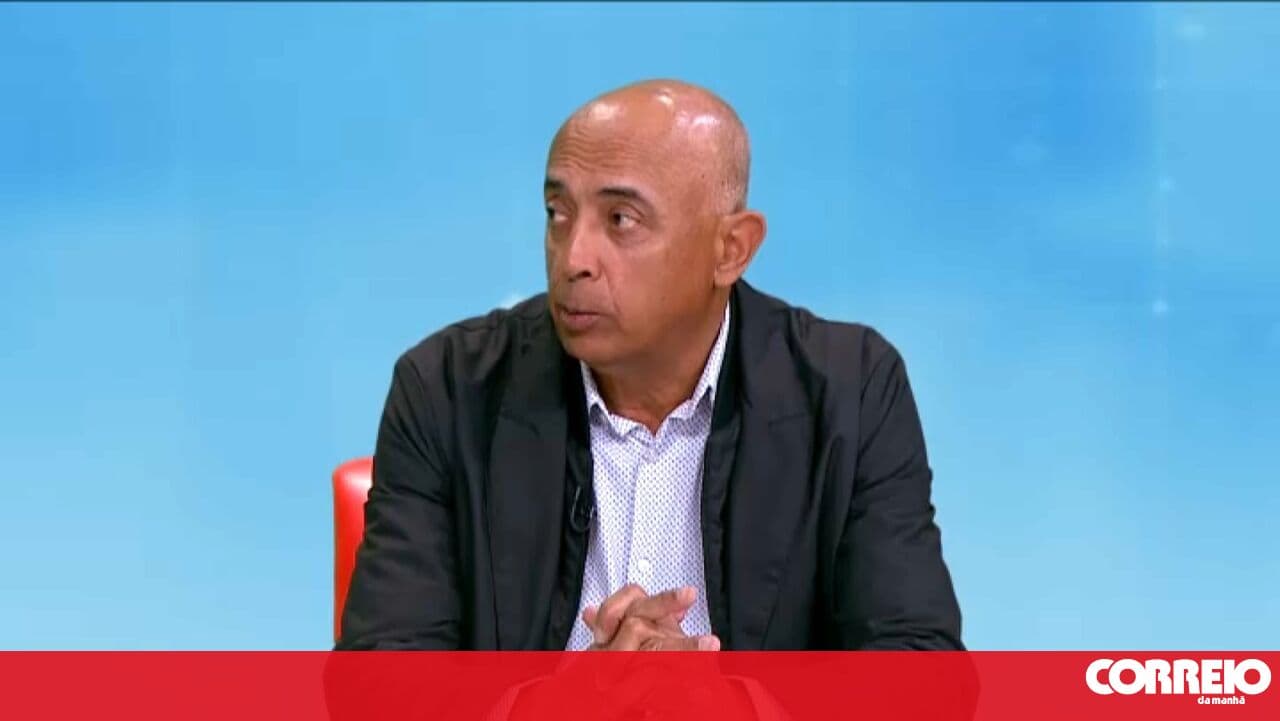
CMTV commentator reacts to the fact that there are missing judges at the Constitutional Court and parties continue to fail to reach an agreement.
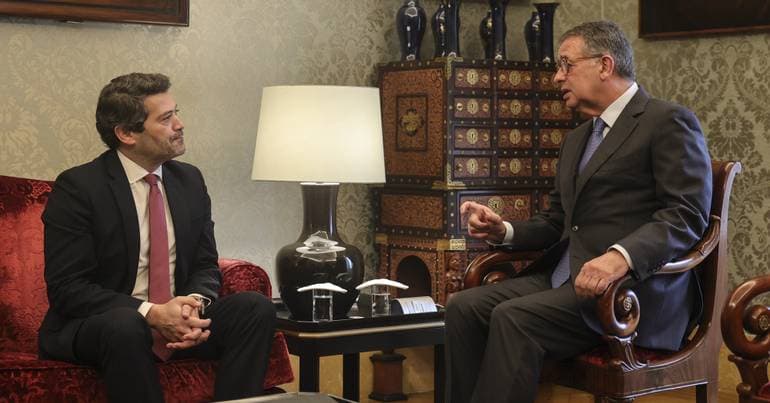
The leader of Chega, André Ventura, harshly criticised the deadlock in the appointment of external bodies to the Assembly of the Republic, specifically for the Constitutional Court, considering it 'shameful' that institutions remain blocked due to a lack of political agreement. After a meeting with the President of the Republic, António José Seguro, which took place this Thursday morning in Belém, Ventura...
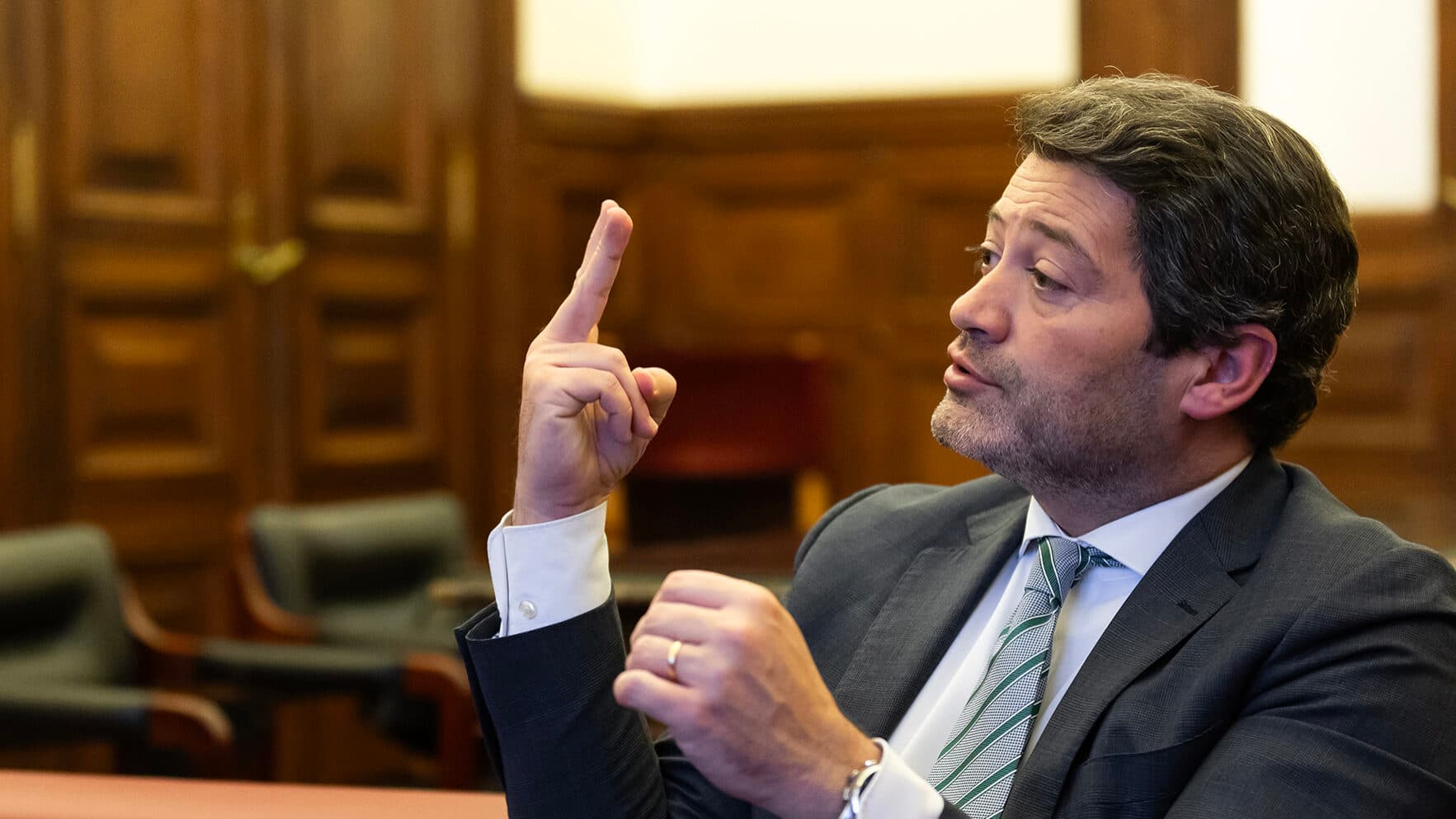
They reportedly discussed the deadlock in the election of bodies external to the Assembly of the Republic, but José Luís Carneiro does not confirm. Also, three women died in the first Iranian attack to cause Palestinian casualties.

The Socialist Party (PS) expresses criticism towards the Chega party regarding the ongoing impasse in the election of judges for the Constitutional Court.

PSD and PS leaders met in Parliament with no solution for three Constitutional Court judges. PS insists on a historical quota; PSD reportedly wants to include Chega. The deadlock remains unresolved.
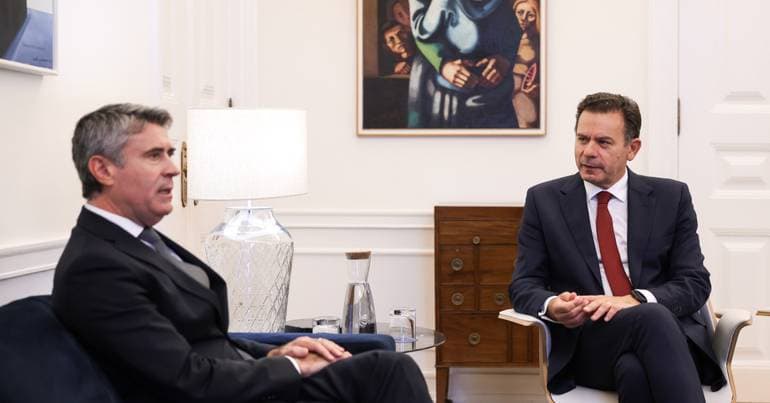
Seguro showed concern regarding the deadlock in negotiations over external bodies of the Assembly of the Republic, which has been dragging on for months. At issue is the replacement of three Constitutional Court judges, the Ombudsman who was never replaced when Maria Lúcia Amaral joined the government, three names for the Council of State, among others, including the intelligence oversight committee.

And the deadlock continues. PSD, PS, and Chega continue to fail to reach an agreement on the election of dozens of officials for sovereign bodies, including three judges of the Constitutional Court, five members of the Council of State, the Ombudsman, the President of the Economic and Social Council, and members of various Superior Councils.

Is there a possible solution to the deadlock in choosing the names to occupy the external bodies of the Assembly of the Republic?

The deadlock continues due to missing seats on the Constitutional Court. The PS wants to make nominations, and Chega already has a name that is expected to be accepted by the PSD. The IL is willing to approve appointments regardless of the proposal's origin.
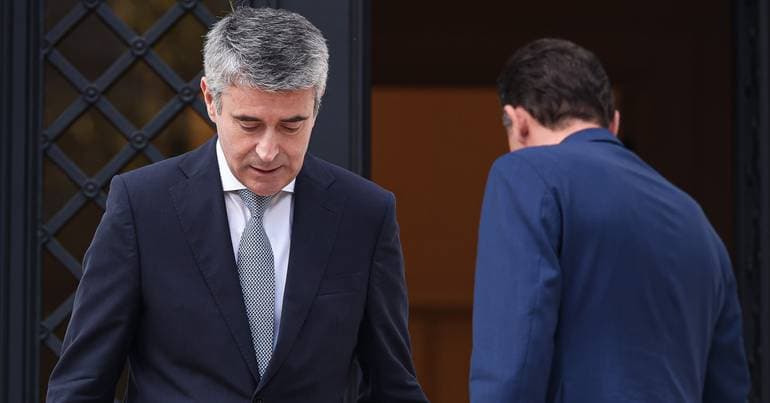
A new request to postpone the election of external bodies of the Assembly of the Republic, originally scheduled for April 1st, has sparked tension between the main opposition parties. The Socialist Party (PS) claims that no adequate solution has been found for the Constitutional Court. André Ventura, leader of Chega, accused the PS of causing a deadlock that is paralyzing essential state institutions. In response, PS secretary-general José Luís Carneiro announced he would speak with Prime Minister Luís Montenegro to ensure the PS retains representation in the Constitutional Court. The delay, following months of previous postponements, means the election will likely be pushed to mid-April. Ventura claims the PS is trying to exclude Chega from these institutions, while Carneiro argues the PS is merely seeking to maintain its right to nominate a magistrate, suggesting the PSD should yield one of its spots to accommodate Chega.
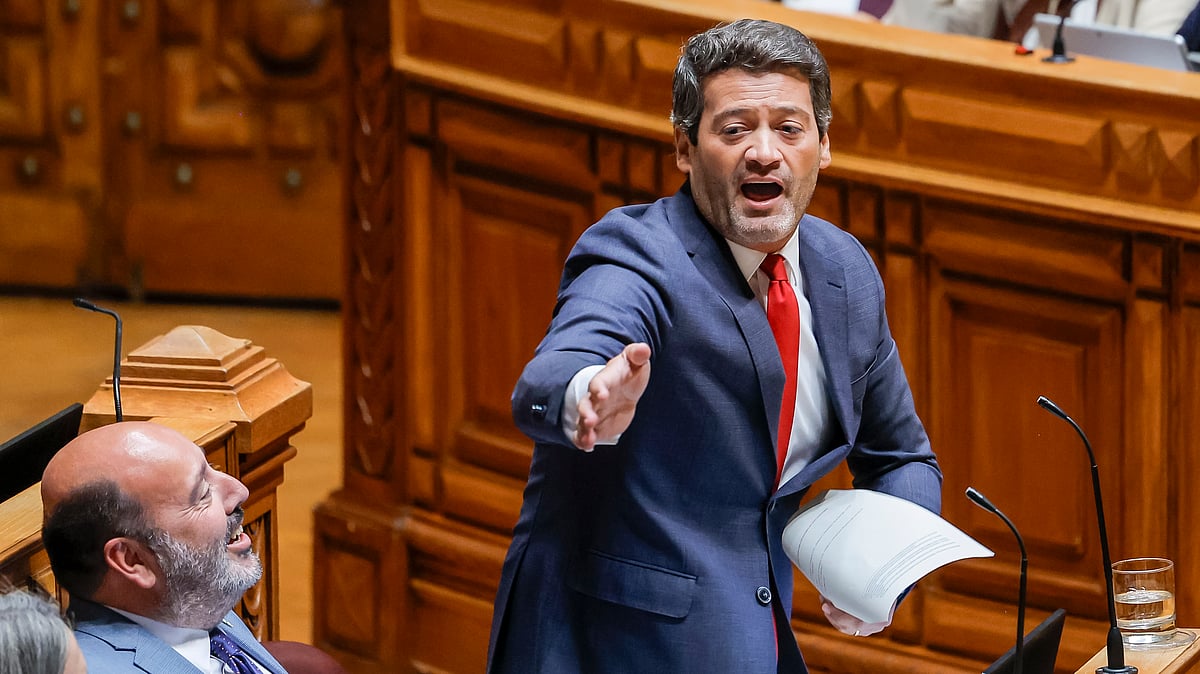
“The PS wants to ignore that, politically, the voters chose another path, but it wants to tie institutions to its own presence and its own dominance,” the Chega leader fired back.
Socialist leader confirms that the PS's issue is losing representation in the selection of the remaining councillors for that judicial body.

This time it was the Socialists who requested the postponement, following two requests from the PSD and one from Chega. The blocking factor is the selection of three judges for the Constitutional Court, an election that requires a two-thirds majority vote from MPs.
