Georg Trakl, the dark splendour of the fall
First complete collection of Georg Trakl's poetry. The Austrian's work crosses the landscape of modern poetry like a magnificent spectre.
publico.pt

Latest news and stories about poetry in Portugal for expats and residents.
First complete collection of Georg Trakl's poetry. The Austrian's work crosses the landscape of modern poetry like a magnificent spectre.
I take the liberty of reproducing here (plagiarising myself) the preface I had the pleasure and honour of writing for a recent book of poems by José Luís Tinoco, published by the Leiria City Council. Beyond the beautiful song lyrics he composed, José Luís Tinoco also carried within him a demanding and powerful poet, perhaps more nocturnal than the rest of his work, but also closer to the authenticity of someone who considers, with dry eyes, the balance of a life. His poetry, with its firm formal refinement and wise development, free from any weaknesses or easy paths, presents us with a dystopian world laden with its own emptiness, a grey world where we pursue in vain the shimmering embers of memories. They fade, the embers, as soon as we reach them, but we can glimpse, behind the ash, the intense lost world to which this poetry calls us. And there are many memories to be glimpsed. Even in the midst of the greyest landscape, it is impossible to lose the call of life. Because writing is to triumph over the void and to affirm the colours that resist beyond the grey and the loss. And so the poet promises us: 'tomorrow I will find you among the roots / and what remains of the night's breath / by the springs / where the survivors of the sun and the storms drink / to discover you in that vague rumour of glass and stars / that moves over the stones / and only now do I begin to understand / the clear blue that will cover the rest of your days.' And poetry becomes that intense and concentrated search for blue, which allows us to continue believing in life. Thus, the poetry of José Luís Tinoco will only seem grey and dysphoric to a first and less attentive reading. His entire poetic work, although a child of melancholy and the black bile that, according to Aristotle, characterises genius, constitutes a strong appeal to life, which makes colours return to the dullest and driest landscape the poet can evoke. And this alternation of the melancholy of loss with the wonder of creation is the engine that fuels the poetry, and that is why we can say here, with the poet Manuel Gusmão: 'Against all evidence to the contrary, joy.' For if there is no vertigo for those who know the abysses, as our poet teaches us, he also keeps in mind Nietzsche's warning: 'Whoever loves the abyss must have wings.' And José Luís Tinoco did not lack the wings of poetry, as he well knows. That is why this book of mature and polished poetry, in which we see a new and original poetic voice emerge in its full capacity, takes us by surprise and never lets us go. In this painful farewell, these are the words I leave to the memory of the architect, musician, poet, and great man of our culture, José Luís Tinoco.

A poet from the Algarve region has been selected to represent Portugal at an event in Paris.

In 1964, “Livro Sexto” by Sophia de Mello Breyner received the grand poetry prize from the Portuguese Society of Authors. This was a landmark book in the poet's body of work, highlighting her commitment to freedom and social justice. Listen to her biography in this special podcast, Retratos de Abril, originally released for the 50th anniversary of the Revolution in Portugal in 2024.

The award was unanimously granted to the Spanish essayist. A “man of the border” and the Iberian frontier, he is a translator of contemporary Portuguese poetry.

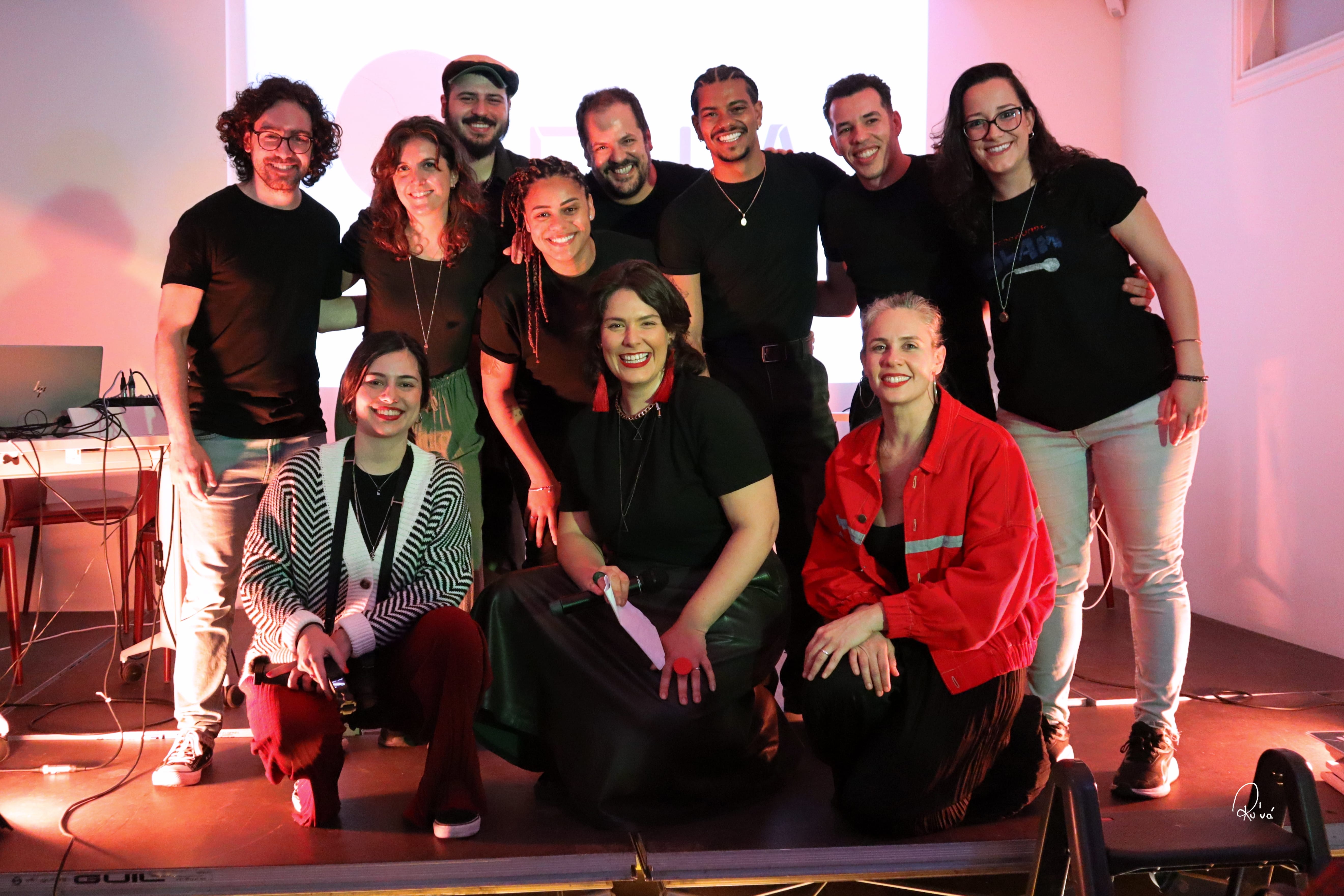
The Fala Orgânica Association, composed of Brazilians and Portuguese, is launching the DUO Festival in May. This new project, dedicated to spoken word and performance, marks the seventh anniversary of the Todo Mundo Slam collective in Lisbon and runs until July. Featuring sessions that blend artistic disciplines like music and theatre, the festival aims to consolidate spoken word as an artistic genre in Portugal. The events will take place fortnightly on Saturday afternoons at the Alcântara - José Dias Coelho Library, featuring guest performers and open slam sessions. The initiative highlights the diversity of the Portuguese language, with artists from Brazil, Angola, Cape Verde, and Portugal, and will culminate in the publication of a book featuring poems from the project's participants.
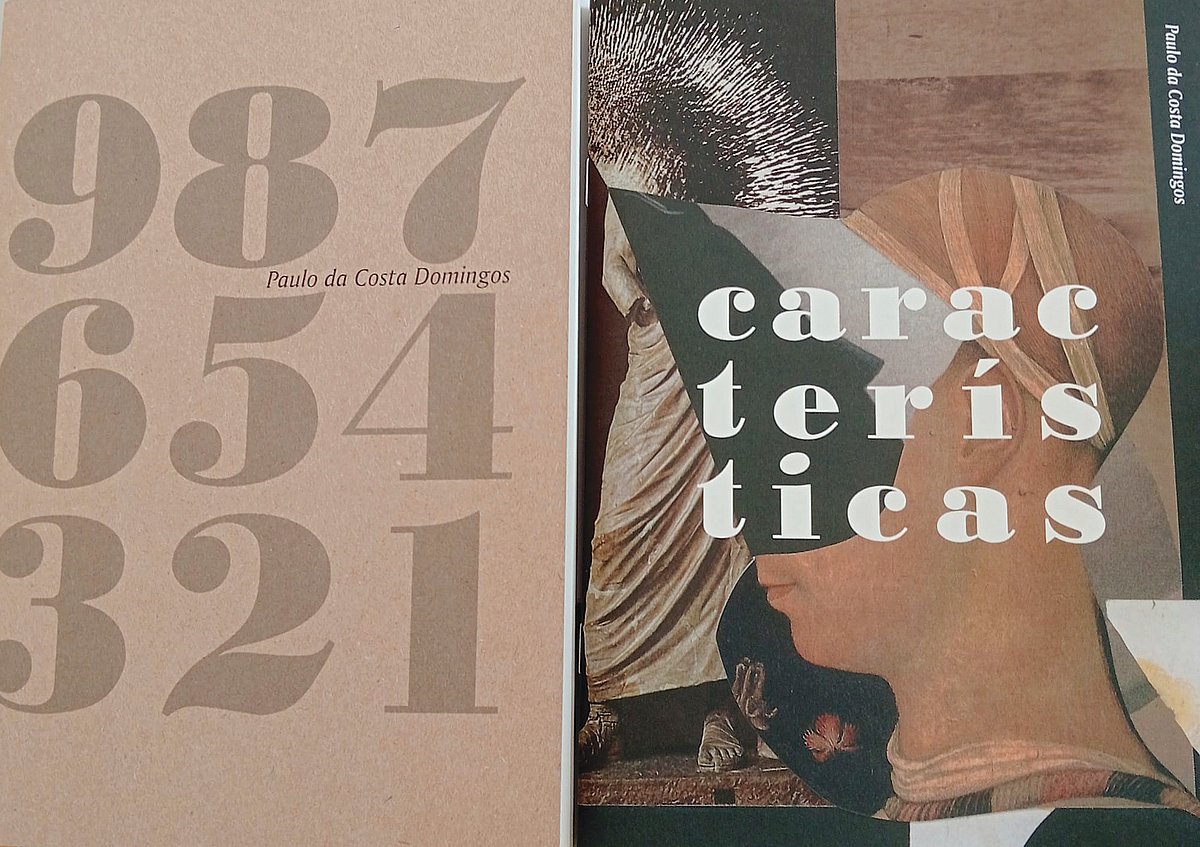
A review of two recent poetry collections by Paulo da Costa Domingos, 'Características' and '987654321', which function as a diptych. The author explores themes of Western decline, the dehumanising effects of modern technology, and the stifling nature of contemporary society. His work is described as austere, analytical, and caustic, standing in stark contrast to the performative nature of modern poetry. Published by Barco Bêbado, these books cement his unique and uncompromising position in the current Portuguese literary landscape.
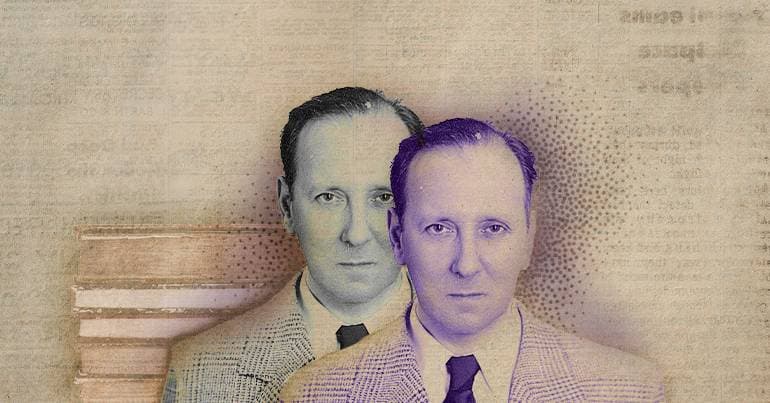
All readers of Pessoa know that at the end of “O menino da sua mãe” the protagonist “lies dead and rots.” But before dying, the soldier was a person.

He uses the classic sonnet form as a way of expression for these days. After more artisanal editions, he has gathered 77 sonnets in a book published by Assírio & Alvim.

A new book gathers a set of poems by Botto that remained unpublished. Observador spoke with the editor and three researchers about the relevance of the collection belonging to the author of “Canções”.
Born in Lisbon in 1940, she has just published a new book of poetry, “O Que Se Vê” (What One Sees). In an interview, the writer, essayist, translator, and Fernando Pessoa researcher leaves nothing unanswered.

Guardian of Nature, reading moderator, and bookbinder, Andresa Olímpio says that “poetry is not directed at the intellect, but at the senses: we do not have to look for what the poet meant to say.”

An exploration of the work and sporadic publishing habits of poet José Carlos de Vasconcelos, whose latest book, 'Os Sete Sentidos e Outros Lugares', reflects a lifetime of meticulous editing and long-term revision. The article also features brief reviews of 'Toda a Beleza do Mundo' by Patrick Bringley and 'As Vidas de Um Filósofo' by José Jorge Letria.
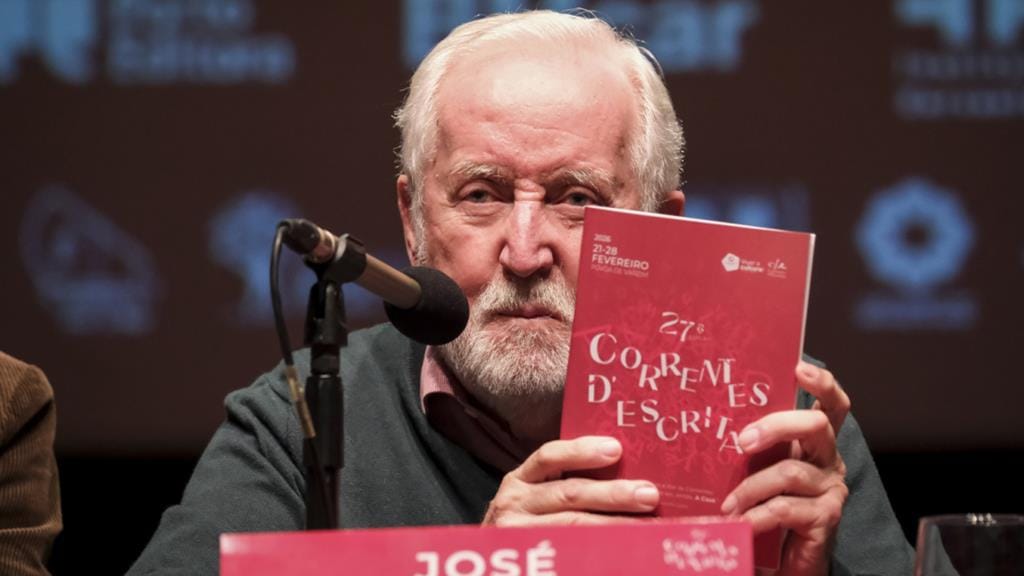
The writer died on 4 February 2025 at the age of 87.
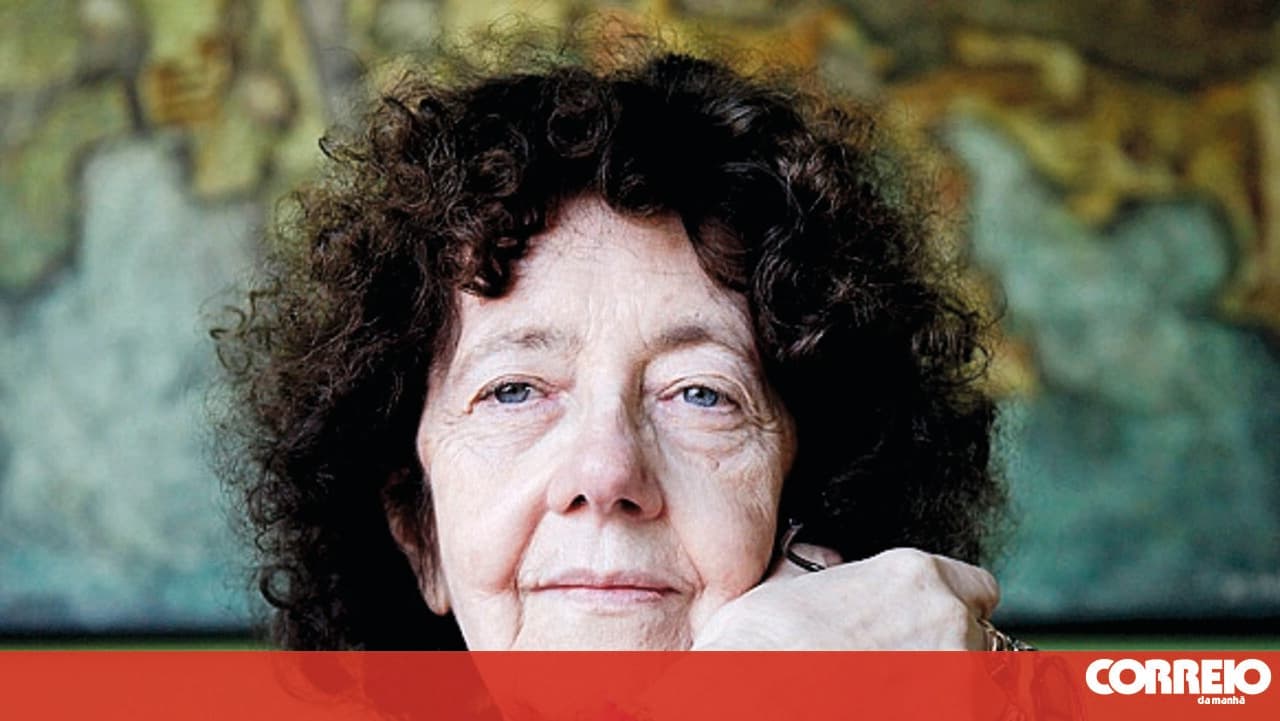
The author does not want to write poems, but stumbles upon poetry. “I just dived into them and enjoyed the luck of being alive.” It is fortunate that the reader also stumbled upon this text.

Poems by António Gedeão, Al Berto, Jorge de Sena, and Craveirinha give shape to songs that include a good selection of several previously unreleased tracks. For João Afonso, this is the Time for Poetry.

Fernando Pessoa attributes to the heteronym Alberto Caeiro the writing of some of the most universal poems in Portuguese poetry, even when using very local references, such as in the poem 'The Tagus is more beautiful than the river that runs through my village'.

Poet and translator Sónia da Silva, the new director of the Institut Pierre Werner, discusses her efforts to strengthen cultural ties between the Portuguese community in Luxembourg and their home country, while reflecting on her own identity as a second-generation immigrant.
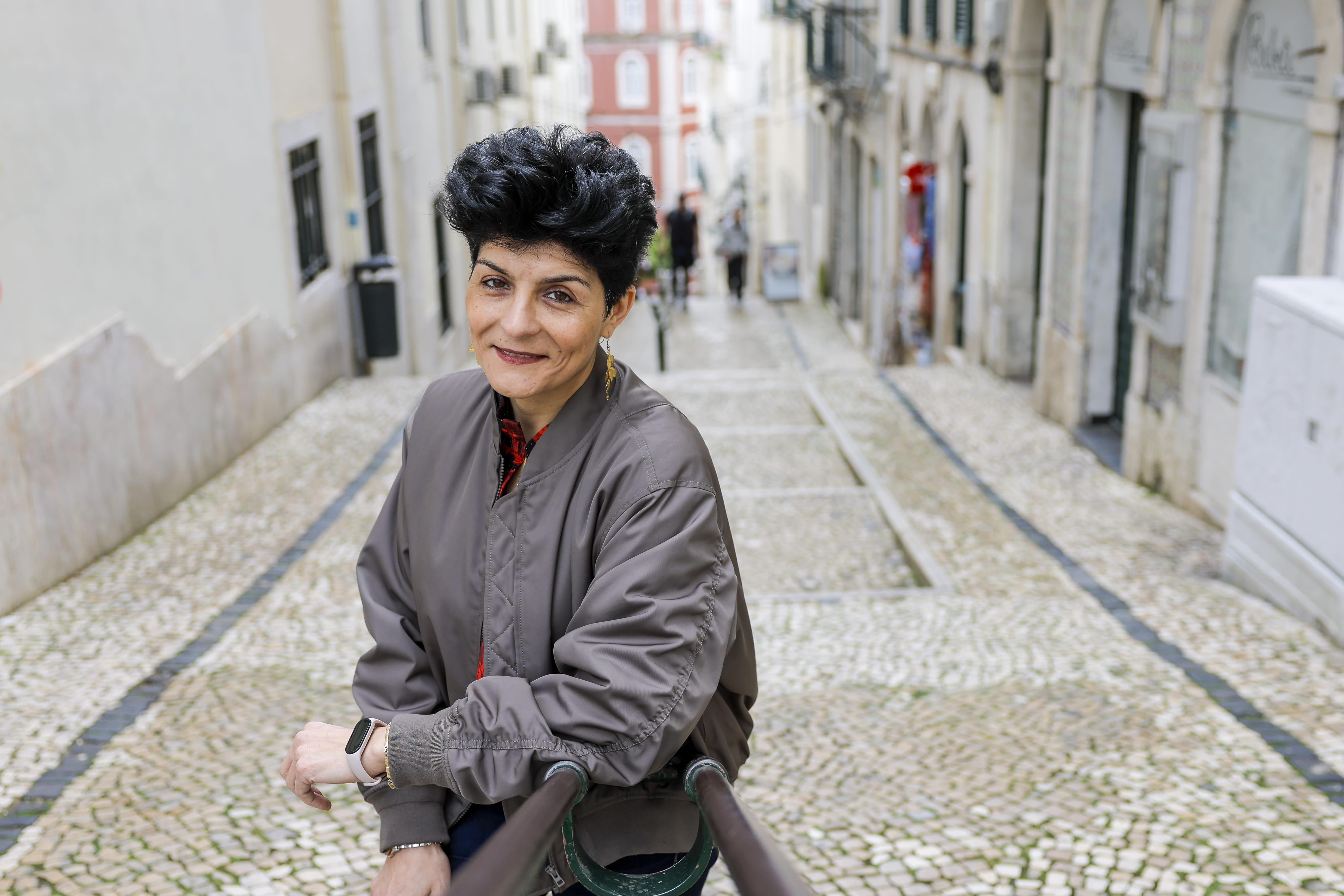
A reflection on the state of poetry and humanity in 2026, arguing that poetry must resist the dehumanizing effects of digital culture, social media, and political mediocrity. The author calls for a return to authentic, human-centred expression and critical independence, emphasizing that poetry serves as a vital counter-power against the erosion of culture and the rise of global digital authoritarianism.
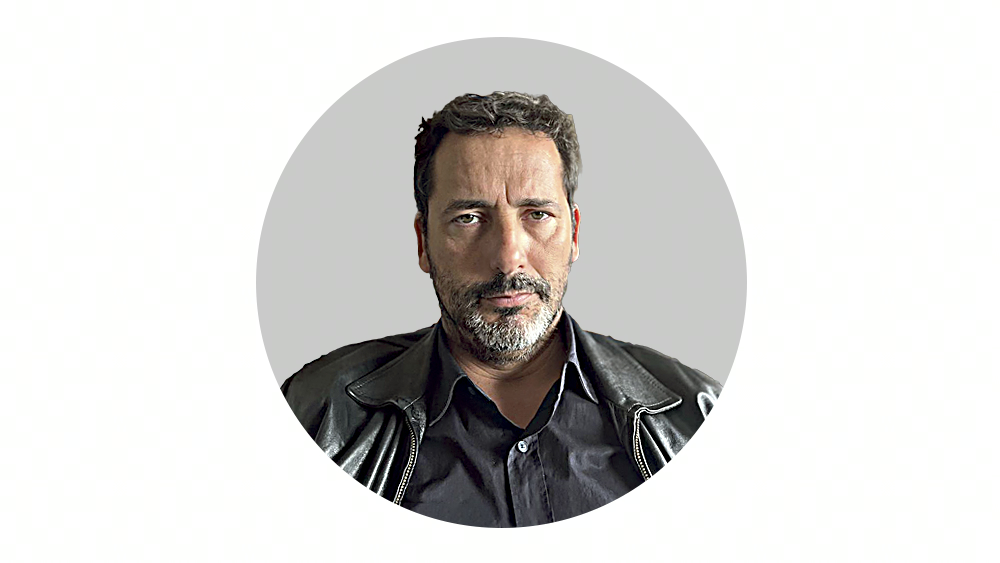
Father Américo was, in his own way, a poet. In the technical sense of the word, but also in its most radical sense: he saw the invisible in what was visible, justice where others saw fatality. Opinion piece by Henrique Manuel Pereira.

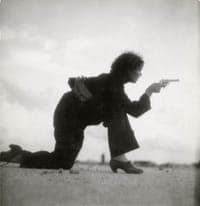
It is not yet the end of the world. Or, as Manuel António Pina wrote, it is not yet the end nor the beginning, “it is just a little late”. This Saturday, 21 March, World Poetry Day, we have gathered poems chosen by CNN Portugal journalists, not to decorate the date with occasional verses, but to seek in poetry something deeper and more useful than consolation. A form of resistance, lucidity, fury, tenderness, a way to continue saying what haste, noise and barbarism try to wear down every day. There are poems of love and loss, of insubordination, of ruin and fire, of beauty, poems that save no one but still help us to breathe, to think, to stand firm against fear. And opening this notebook is a photograph by Gerda Taro, a photojournalist, taken in Barcelona in August 1936: a republican militia woman in training, knee in the sand, revolver extended, caught in that rare moment when everything still seems like an exercise and is already war.
Cultural initiatives are taking place all over the country.
If words have the power to transform, poetry can give shape to the unspeakable. More than just written verses, it gains body, voice, and rhythm. Celebrated on the day spring arrives, World Poetry Day marks a form of language. And if there is one face and voice that brings many poems to life, it is Pedro Lamares, for whom poetry 'is a vehicle and a mirror' of reality, 'a tool for intervention and a form of activism, through culture, through art'.
From a literary residency in Berlin, Miguel Cardoso wrote 'Passageiros', a book that reinforces the uniqueness of his perspective, between the circumstantial and the collective, memory and History.

A new performance festival, poetic walks, and music by Bach, Trovante, and Suede.

Did you know that World Poetry Day is celebrated on March 21st? To me, poems are just mirrors of our thoughts.

“Florbela”, an album featuring poems by Florbela Espanca set to music by various Portuguese artists under the artistic direction of João Só, is released this Friday.

Released on the eve of World Poetry Day, “Florbela” includes 14 tracks, united by the “lyrics, the words, and the type of poems.”
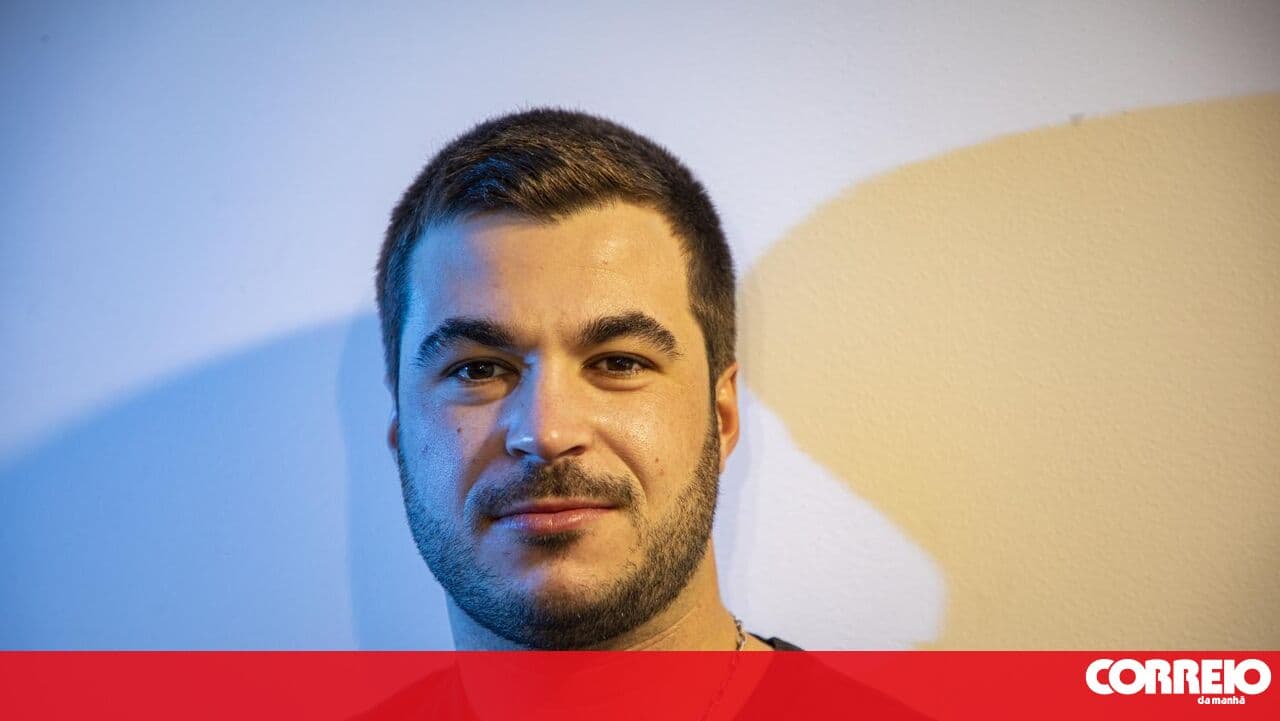
Announced a year ago, the album 'Os Melros' by Miguel da Silva, featuring guest vocalists, premieres this Friday. The preview takes place this Thursday at Atmosfera M in Lisbon at 6 pm.

To celebrate poetry month, nearly twenty publishers and booksellers are gathering for a four-day fair. This Thursday, the programme includes cinema and performing arts.