Oil price at record highs drives up fuel costs
The price of crude oil is projected to surpass 100 dollars soon, with potential to reach 150 dollars if production is halted, leading to increased fuel costs.
Correio da Manhã

Latest news and stories about oil prices in Portugal for expats and residents.
The price of crude oil is projected to surpass 100 dollars soon, with potential to reach 150 dollars if production is halted, leading to increased fuel costs.
The market does not foresee immediate effects on oil prices following the United Arab Emirates' exit from OPEC due to the blockade of the Strait of Hormuz, although it anticipates increased supply and lower prices in the long term. With the Strait of Hormuz blocked and in a context of tensions between the United States and Iran, ...
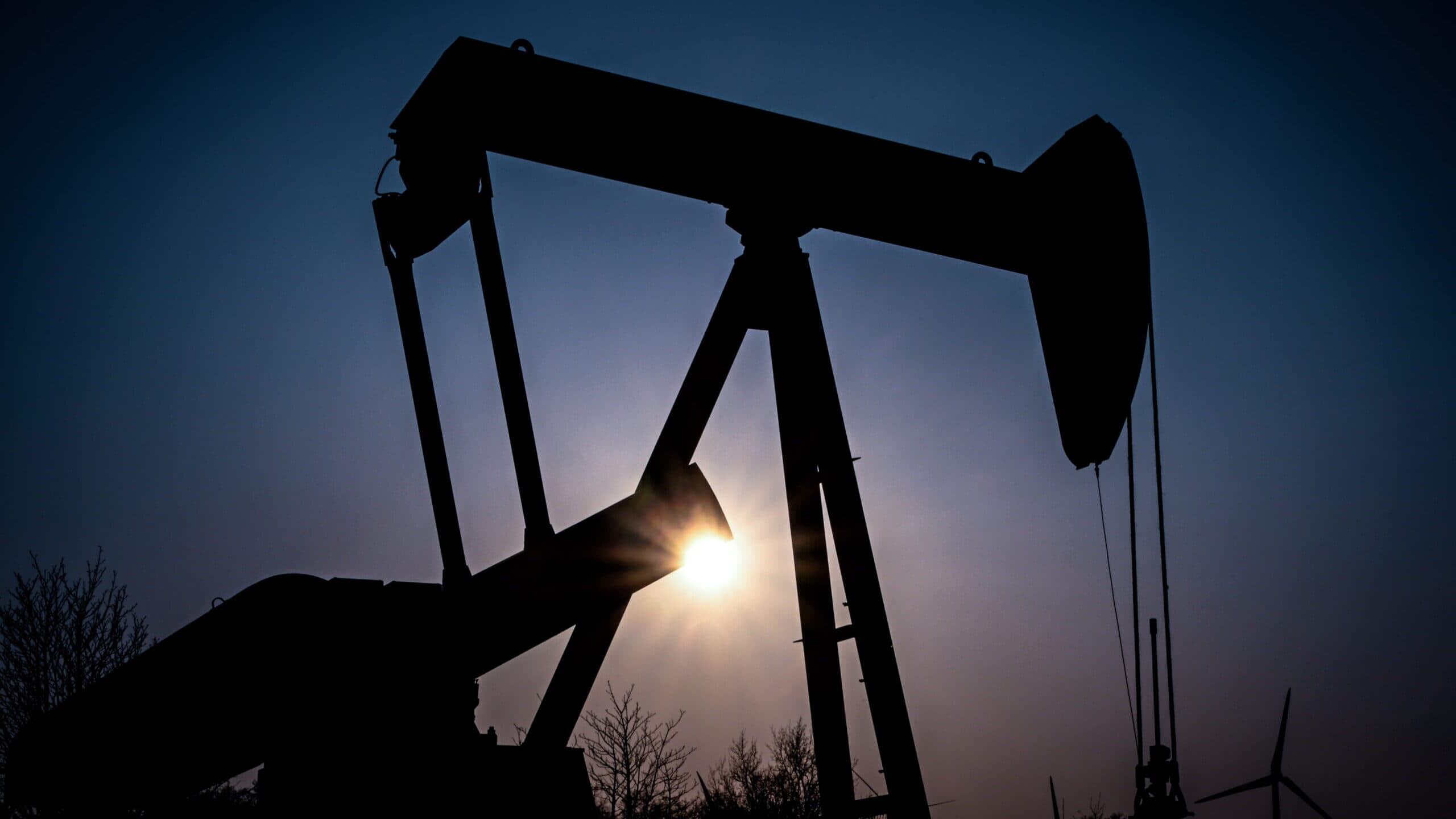
The drop in prices reflects greater optimism in the market

The price of Brent crude oil — the benchmark for Europe — is surging more than 5% this Thursday, driven by reports that the US is considering military action against Iran to break the deadlock in negotiations aimed at ending the war, raising fears of further supply disruptions.
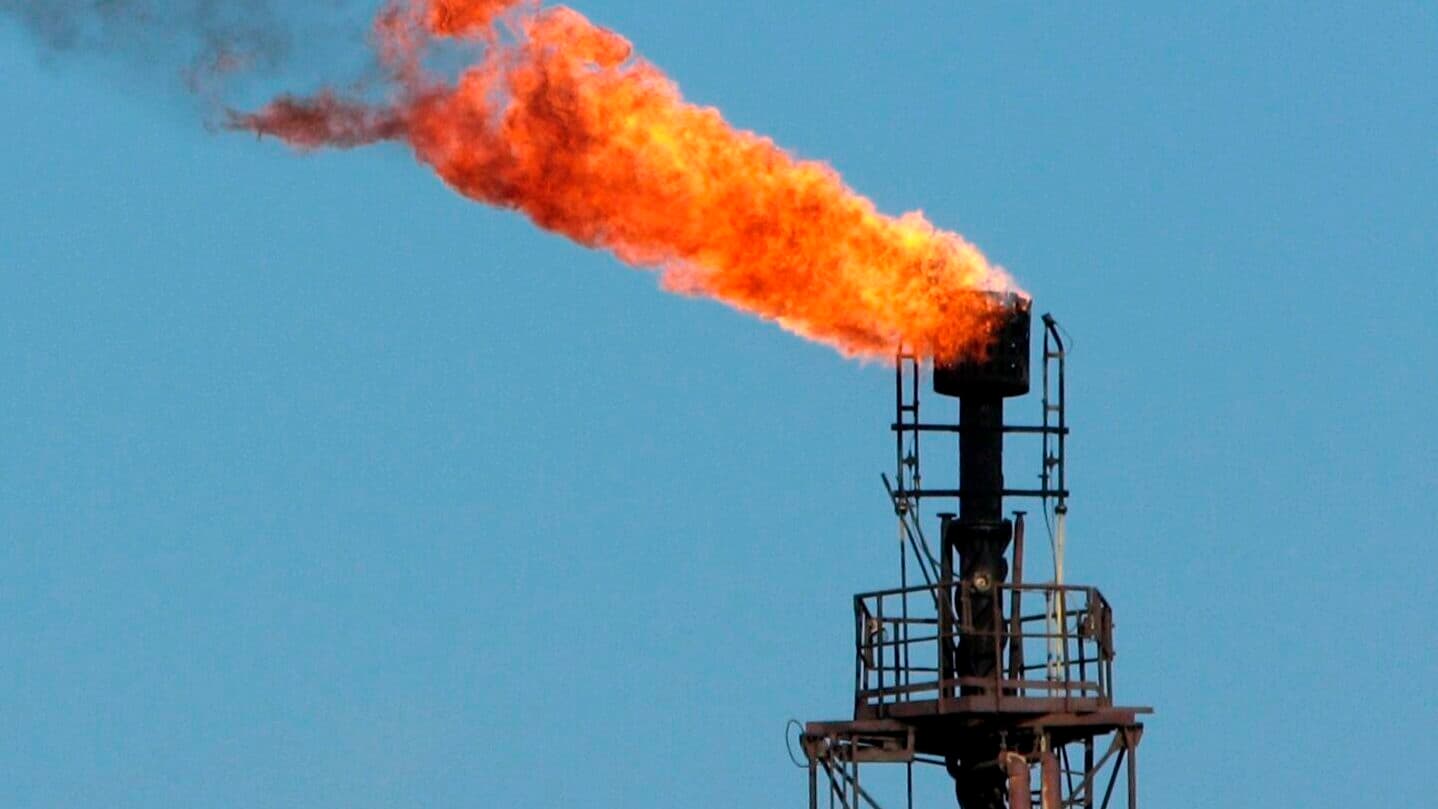
With Thursday's value, Brent surpassed its highest price since 2022 due to Russia's invasion of Ukraine.

Donald Trump discussed a “multi-month” blockade with oil industry executives, triggering a rise in oil prices to their highest level since 2022. The White House stated that US negotiators remain in contact with the Iranians, who are “struggling to resolve their leadership situation” amidst the war. Vladimir Putin warned Trump against new military action against Iran by the US and Israel. We are following the developments of the war in the Middle East minute by minute here.
At 8:30 (Lisbon time), the price of Brent crude rose 1.11% on the London futures market, reaching 112.51 dollars per barrel, marking its eighth consecutive session of gains.
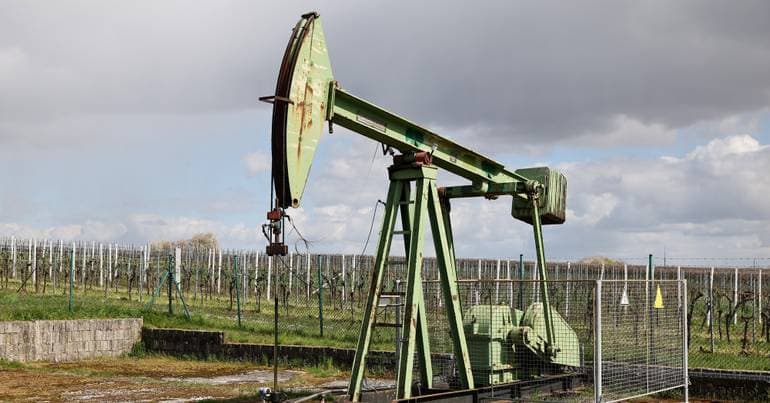
The US blockade of Iranian ports is unlikely to significantly reduce Iran's oil exports in the medium term. Despite the measures, dozens of tankers linked to Iran have successfully bypassed the blockade by disabling their Automatic Identification Systems (AIS). While there has been a slight decrease in daily tanker movements, the volume of oil in transit remains substantial, with 130 million barrels passing through the area since the blockade began. Meanwhile, global oil prices for Brent and WTI have surged as geopolitical tensions escalate and negotiations remain at a standstill.
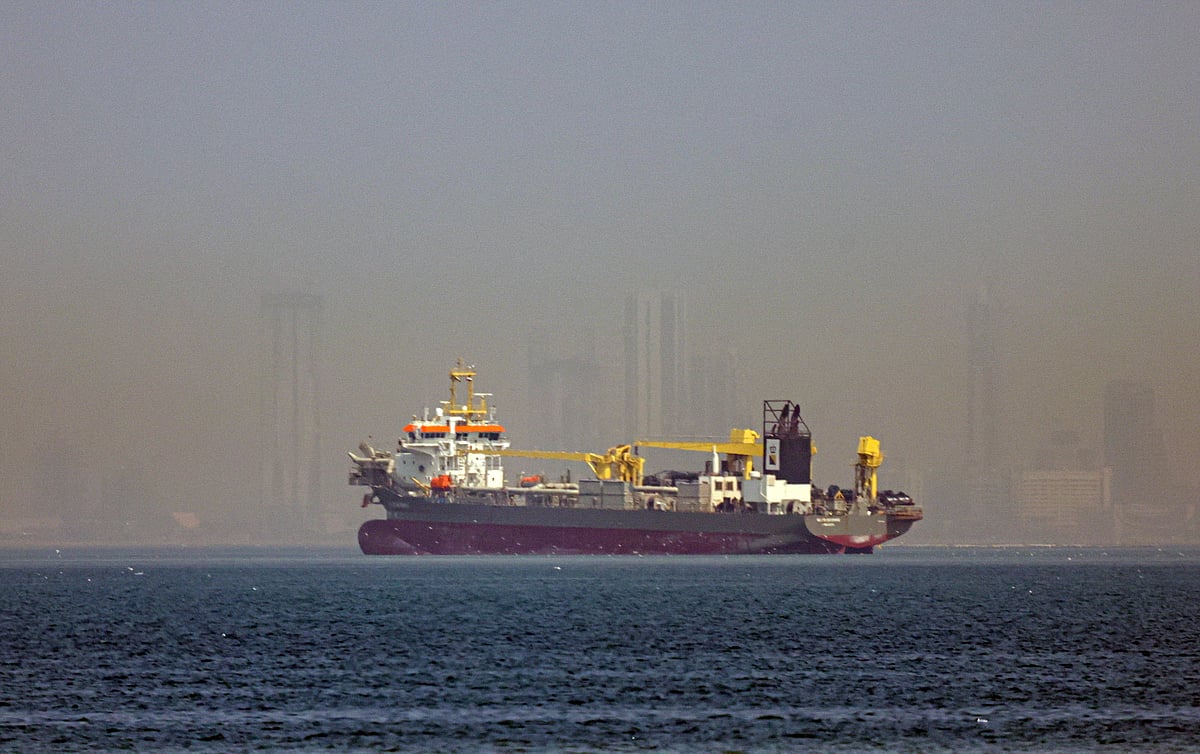
Around 00:25, the value of North Sea Brent, the global benchmark, increased by 3.62% to 105.63 dollars, due to uncertainty regarding negotiations between Iran and the USA.


A note points to production cuts in several Persian Gulf countries caused by Iranian attacks on oil industry facilities and the closure of the Strait of Hormuz.
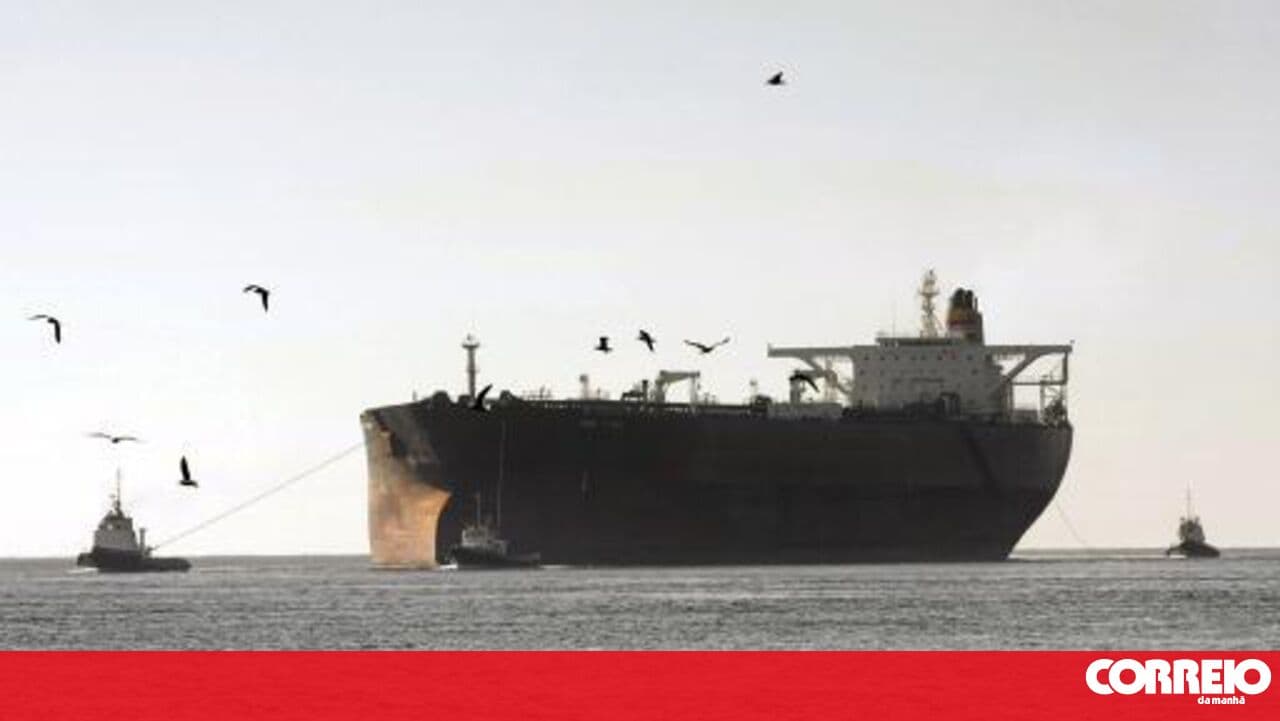
Sailors of various nationalities report panic and are requesting evacuation from ships near where missiles and drones are falling. There are reports that food supplies are beginning to run low in some cases.
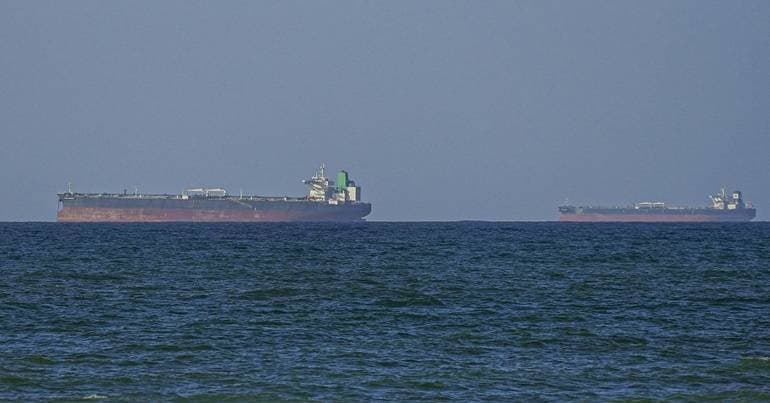
US oil reserves fell last week amid the war in the Middle East, likely due to higher-than-expected export volumes. Reserves dropped by 913,000 barrels in the week ending April 10, reaching 463.8 million. This contrasts with analyst expectations of a 900,000-barrel increase. Prices are at their highest since 2022 due to the Gulf conflict, which is reducing market supply. Reserves are currently about 1% below the five-year seasonal average, according to the Energy Information Administration (EIA). The data boosted demand for oil futures, with West Texas Intermediate (WTI) rising 1.12% to $92.30 per barrel and Brent crude rising 1.05% to $95.79 per barrel. Brent crude prices have since fallen slightly but remain around $100 per barrel.
Oil company BP reported this Tuesday, the 14th, that market conditions and oil price volatility caused by the war in Iran will impact its financial results for the first quarter of the year. The company, listed on the London Stock Exchange, expects an exceptional result in oil trading for the first three months of 2026, following weakness recorded in the last quarter of 2025. In a statement, BP added that it is observing 'impacts associated with the current situation in the Middle East and market conditions, which translate into greater volatility in crude oil, natural gas, and refined product prices during the latter part of the first quarter.' These market conditions are expected to impact financial results, insisted BP, which plans to release its first-quarter 2026 results on April 28. This Tuesday, the Brent crude oil barrel for June delivery fell more than 1%, due to market optimism regarding the possibility of the US and Iran continuing to negotiate a peace agreement, despite US President Donald Trump keeping the Strait of Hormuz blocked. Brent futures contracts, Europe's benchmark oil, fell 1.49% this morning to 97.88 dollars on the London futures market. BP's net profit rose 5.3% in 2025 to 1.1 billion euros.
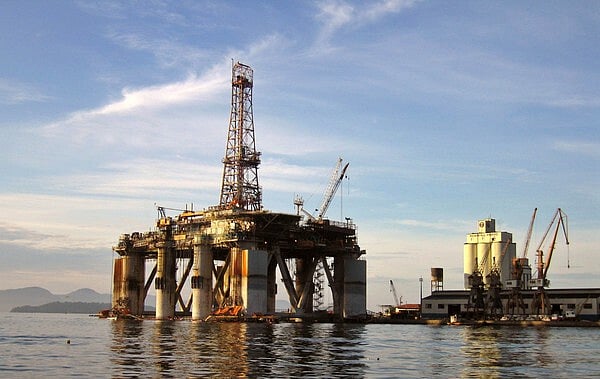
Global oil production fell by 10.1 million barrels per day in March due to the war in the Middle East, the largest drop ever recorded, the International Energy Agency (IEA) reported on Tuesday, the 14th. In its monthly oil market report, the IEA states that cumulative losses caused by the conflict exceeded 360 million barrels in March and could grow to around 440 million in April if disruptions continue. In early April, Iran's near-blockade of the Strait of Hormuz reduced the flow of crude, natural gas, and refined products through that corridor to 3.8 million barrels per day, down from over 20 million barrels per day in February before hostilities began. Although countries like Saudi Arabia, the United Arab Emirates, and Iraq have opened alternative routes to export part of their production, oil exports suffered losses exceeding 13 million barrels per day, partially offset by the use of reserves which, according to the IEA, are dwindling. The agency has revised its 2026 demand outlook downwards, now estimating an annual average of about 104.3 million barrels per day, representing a reduction of 730,000 barrels per day compared to the March forecast. Between the second and fourth quarters, the drop in consumption could reach 1.5 million barrels per day—the sharpest decline since the start of the COVID-19 pandemic—and if disruptions persist, demand could contract by up to five million barrels per day year-on-year during that period. The report's authors warn that maintaining high levels of disruption will force the consumption of reserves at 'unsustainable' rates of about six million barrels per day, equivalent to two billion barrels over the year. IEA Executive Director Fatih Birol warned that 'April is expected to be worse than March' for the energy sector and described the situation as 'the most serious energy crisis in history,' stressing that the impact extends beyond oil and natural gas, also affecting essential products such as fertilisers, petrochemicals, and helium. OPEC oil production fell by 27.5% in March.
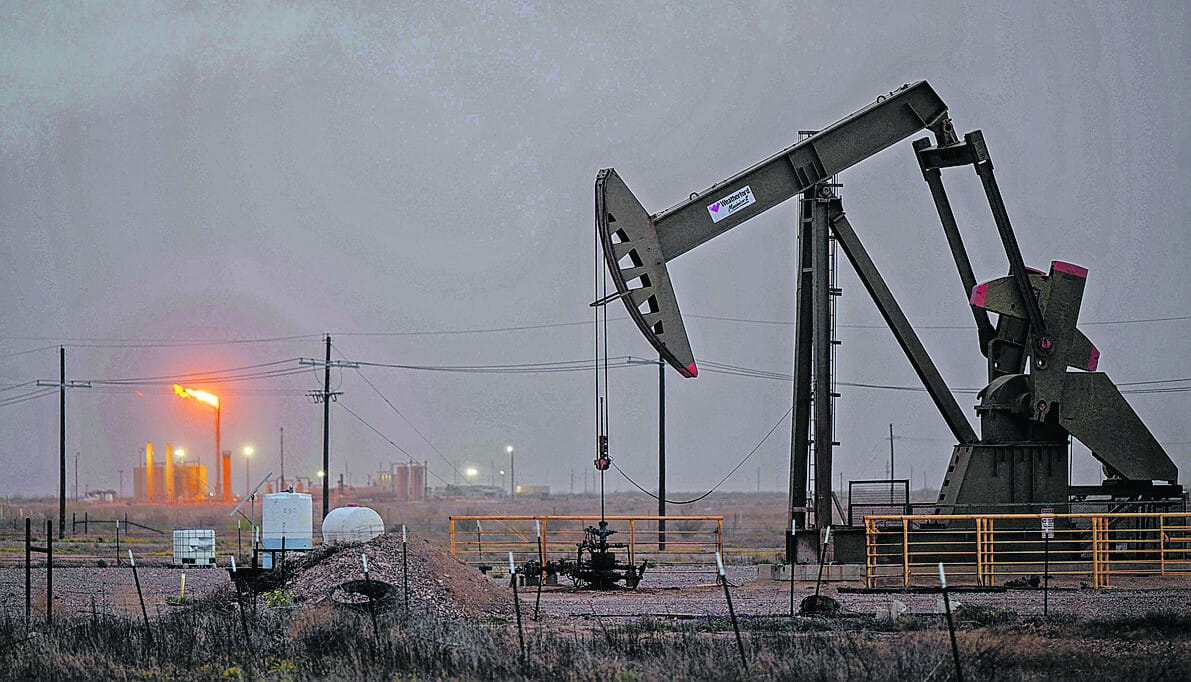
The International Energy Agency (IEA) has drastically reduced its annual forecasts for global oil supply and demand growth, now projecting that both will decrease compared to 2025 levels. The shift is due to disruptions in supply flows caused by the conflict in the Middle East. According to the...
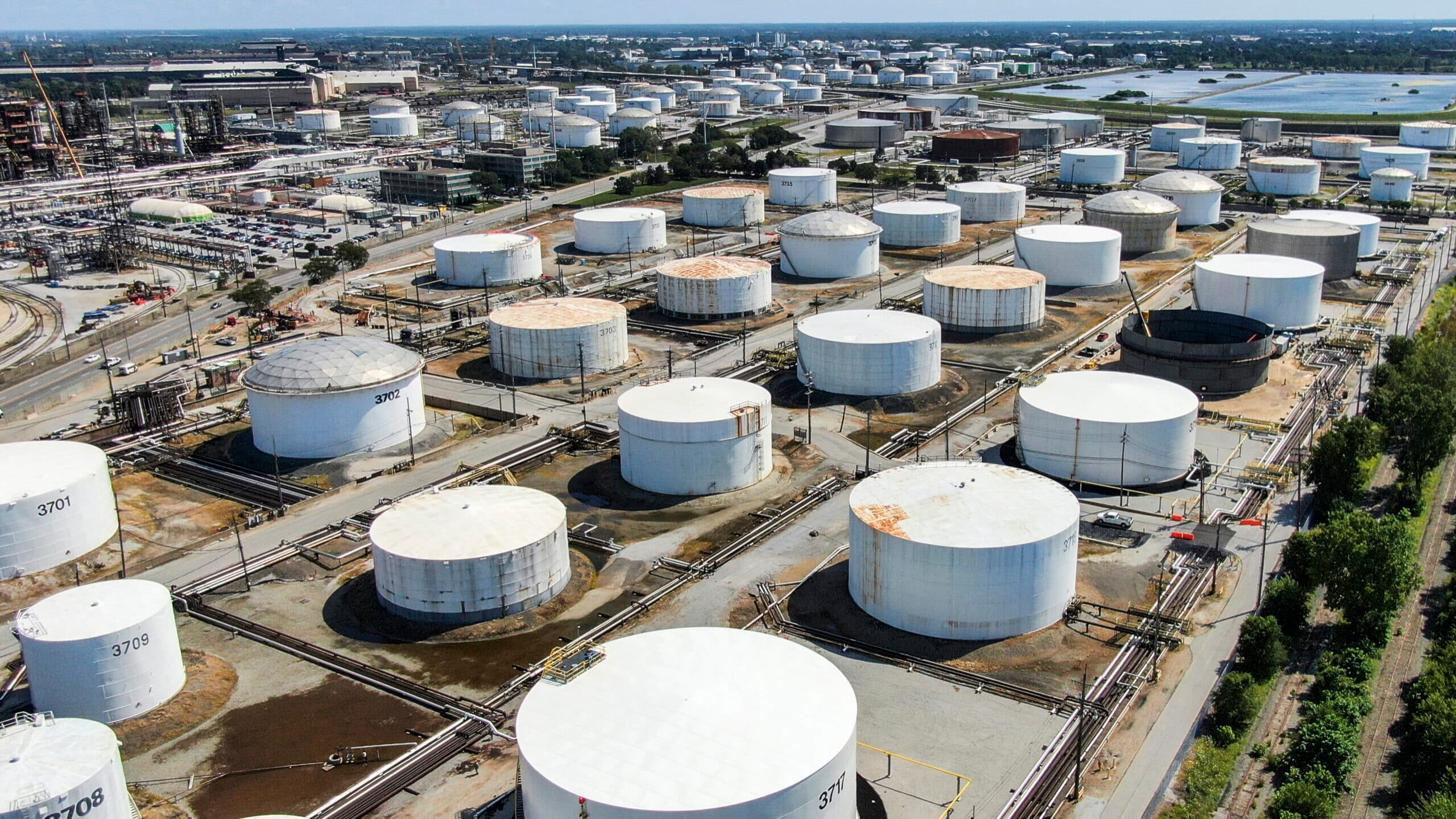
Brent crude prices rose to 102.25 dollars and WTI surpassed 104 dollars after the US announced it would prevent ships from entering or leaving the Strait of Hormuz, in an escalation following the failure of negotiations with Iran in Pakistan.

Oil prices fall, but risks of 'new potentially disruptive initiatives as a political manoeuvre' increase.
Black gold prices fall by nearly 15% in the Asian session, the largest drop since the start of the Gulf War in 1991 against Saddam Hussein's invasion of Kuwait. Asian stock markets record their biggest daily gain of the year. Expresso spoke with James K. Galbraith, Peter Cohan, and Christian Bueger.

Europe had experienced a session of significant optimism on Wednesday, but the US President made the sentiment fade. In Lisbon, Galp Energia avoids losses.

Brent crude jumped 5% to 106.22 dollars, the US benchmark crude rose 4.2% to 104.36 dollars, and the Japanese Nikkei index lost 1.4% following Trump's threats to attack Iran with “great force” in a speech broadcast last night, during the early hours in Europe.
The price of a barrel of Brent crude jumped 6.5% and WTI 5.3% this Thursday after Donald Trump stated that the United States will maintain and even reinforce attacks on Iran, but without committing to a timeline for the end of the war, fueling investor fears regarding prolonged disruptions in the...
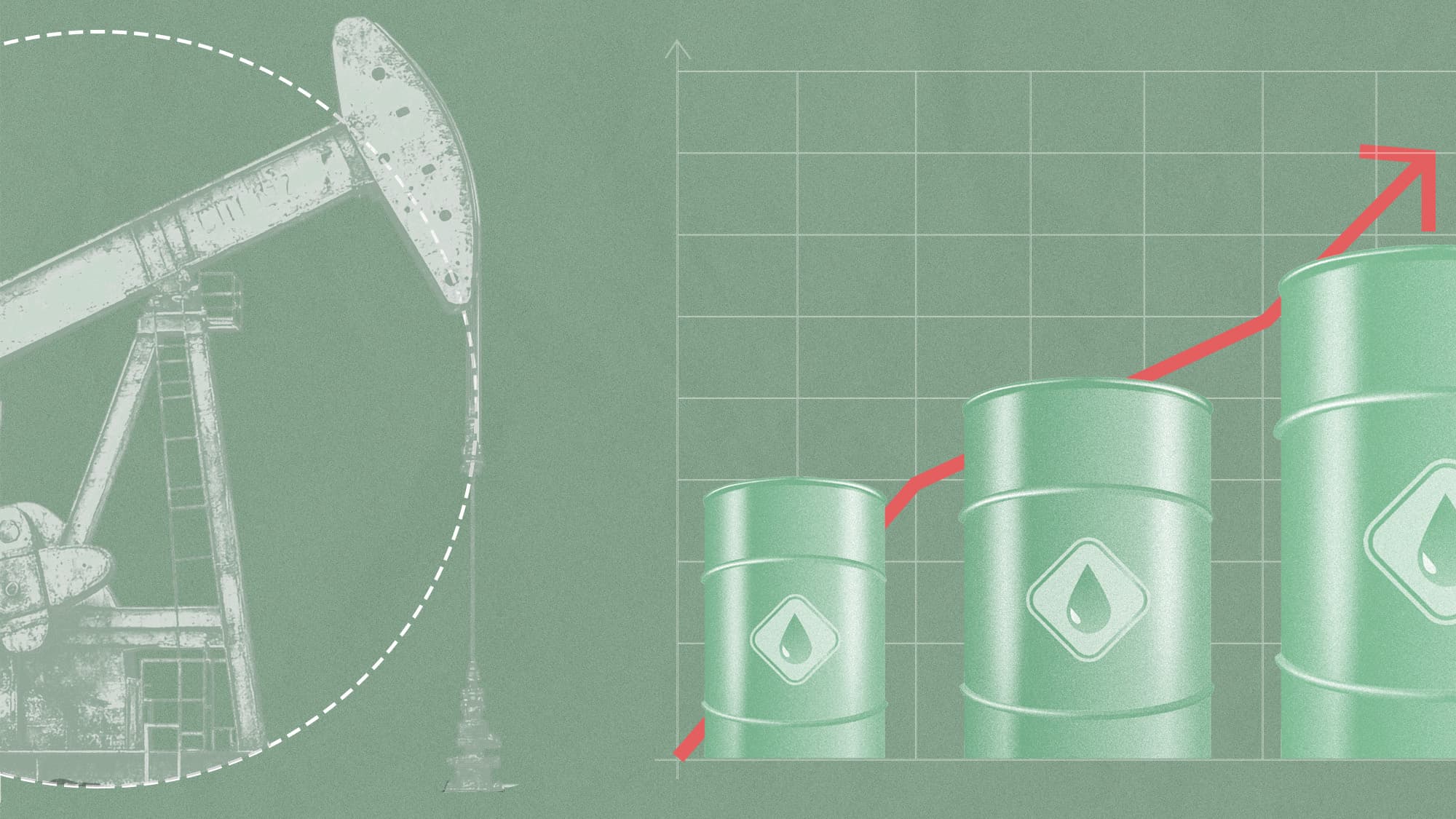
The White House braces for a potential oil spike to $150 or higher as the Iran war chokes supply.

Saudi Arabia tried to bypass the Strait of Hormuz blockade by diverting oil exports to the Red Sea, but the Houthis' entry into the war threatens that route as well. With attacks in the Bab el-Mandeb Strait, the risk of global supply disruption is growing, which could cause oil prices to soar and worsen shortages, especially in Asia.

The G7 also welcomed the decision on a further coordinated release of their oil reserves, in an effort to contain price volatility.

The US President stated to the Financial Times that he “wants to keep Iran's oil,” driving up the price of the commodity in international markets.

Brent crude oil for May delivery rose 5% today and is trading at 107 dollars per barrel, after Donald Trump warned Iran to come to the negotiating table “before it is too late”.

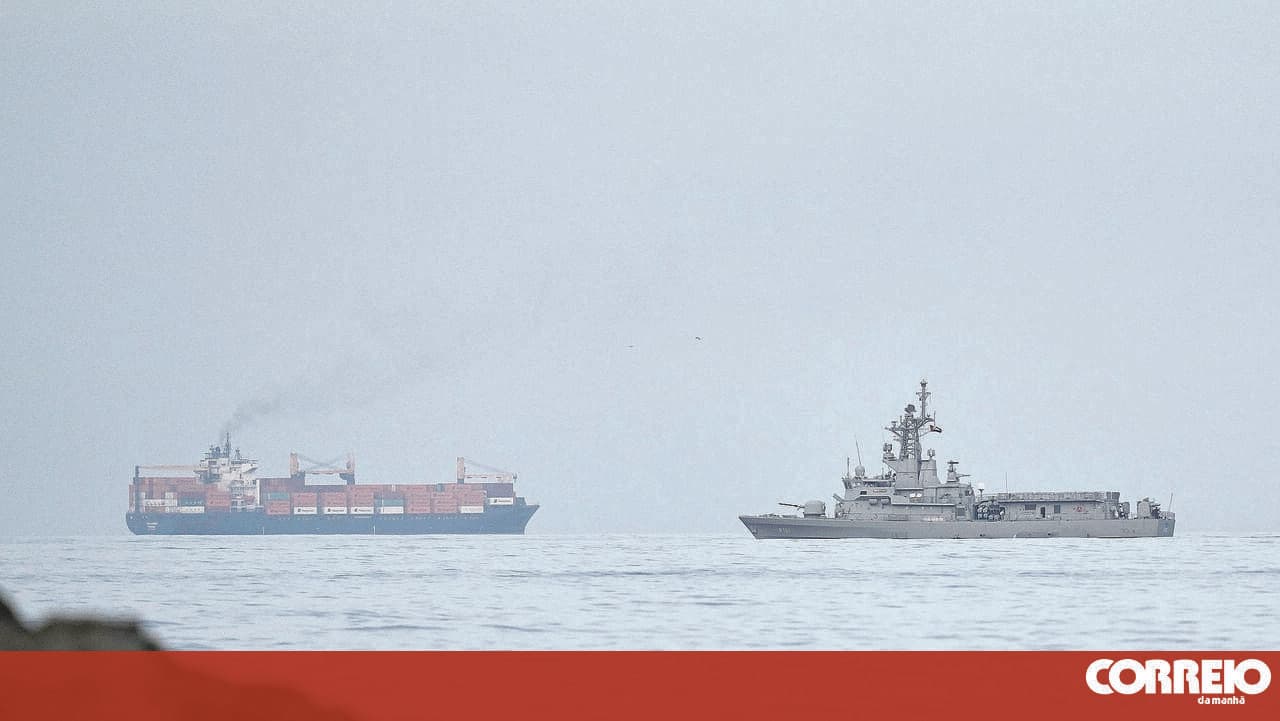
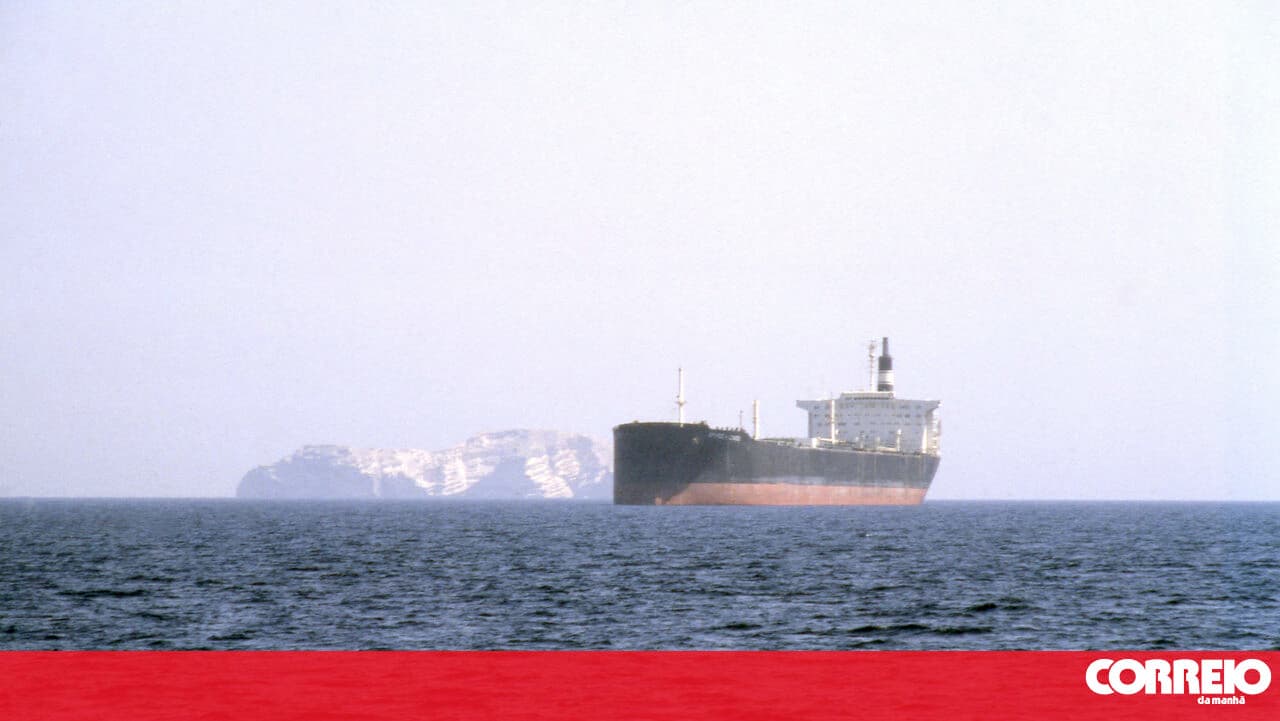
Since the beginning of the offensive by Israel and the United States against Iran, the country has threatened and attacked ships attempting to cross the Strait of Hormuz.
The CM executive director discusses Donald Trump's apparent truce with Iran and the stability of oil barrels.