

Science is not the property of a party
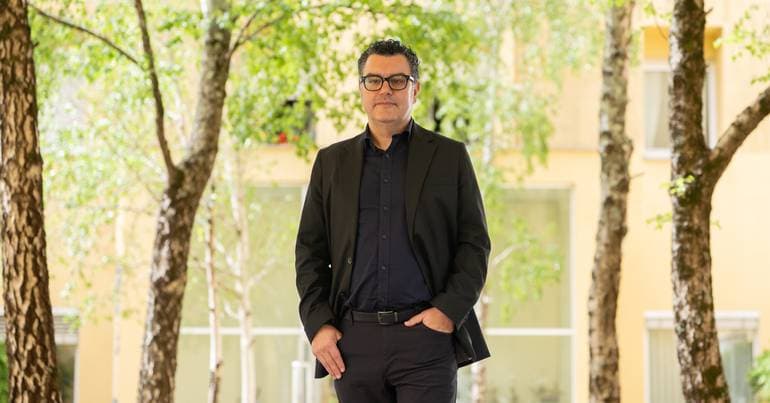
Rui Costa has been the president and CEO of the Allen Institute since 2021 and, amidst threats of funding cuts and growing societal skepticism, he argues that total transparency is the answer.
Observador
Latest news and stories about neuroscience in Portugal for expats and residents.
Rui Costa has been the president and CEO of the Allen Institute since 2021 and, amidst threats of funding cuts and growing societal skepticism, he argues that total transparency is the answer.
What happens when we die? It is one of humanity's oldest questions and the starting point for a conversation with neuroscientist Miguel Castelo-Branco, who will discuss the topic at the Casa do Médico in Porto during the 'This Side and Beyond the Brain' meeting.

Home News Portuguese University announces new brain discovery Portuguese University announces new brain discovery The human brain has a specialised system that assembles movements in a “surprisingly systematic” way, revealed a study by researchers from the universities of Coimbra (Portugal) and C
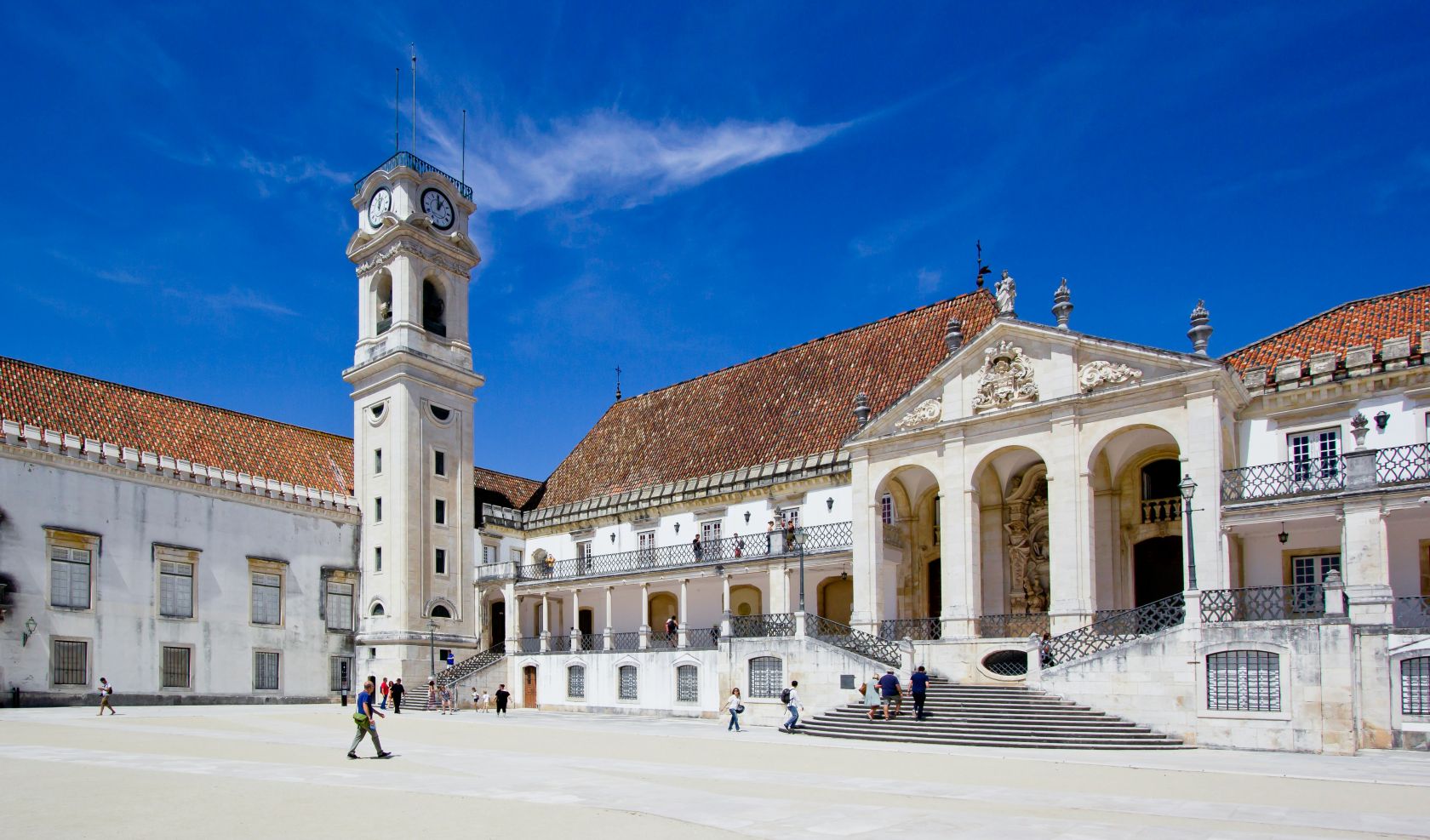
He is a neuroscientist at the Karolinska Institute, which awards the Nobel Prize in Physiology or Medicine, and is the only Portuguese person involved in the selection process for this Nobel. He hopes to discover therapies for multiple sclerosis.

Neuroscience shows that learning physically transforms the brain. However, this process requires attention, time, effort, and the courage to make mistakes. In an increasingly fast-paced world, it is worth asking: are we still giving the brain enough time to learn?
The assembly of systematic movements occurs in an area of the brain near the left ear, where the 'operations command centre' for handling objects is located, the study reveals.
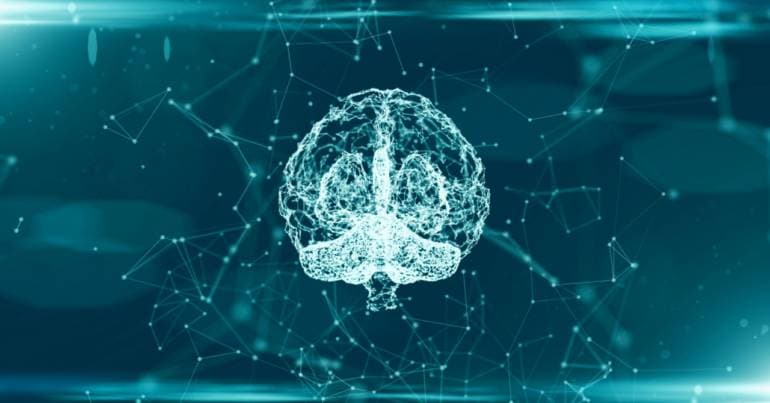
The human brain has a specialized system that assembles movements in a “surprisingly systematic” way, revealed a study conducted by researchers from the universities of Coimbra (Portugal) and Carnegie Mellon (USA), which was released today.

It is always with renewed enthusiasm that we celebrate Brain Awareness Week every March. In recent decades, neuroscience has made extraordinary progress, allowing us to observe and model the human brain in action. However, this has also led to the proliferation of 'neuro-business'—the misuse of scientific terms like 'dopamine' or 'neuroplasticity' to sell unproven coaching methods, motivational packages, and quick-fix solutions for complex mental health issues. The author warns against these 'neuro-experts' who lack rigorous scientific training and emphasizes that true scientific advancement requires years of study, clinical trials, and critical thinking, rather than weekend certifications.

Funding of 21.15 million euros has been awarded to a team that includes the Champalimaud Foundation. They will implant devices in neurons to destroy tumours.

The most profound impact of neuroscience in combating stigma is not just in showing “where the problem is”. It lies in showing that the brain changes. Column by Daniel Martins

The scientist and journalist profiles people whose brains are anything but conventional. Some have a diagnosis; others have no name for what they experience. 'Impensável' is the book's title. We spoke to the author.
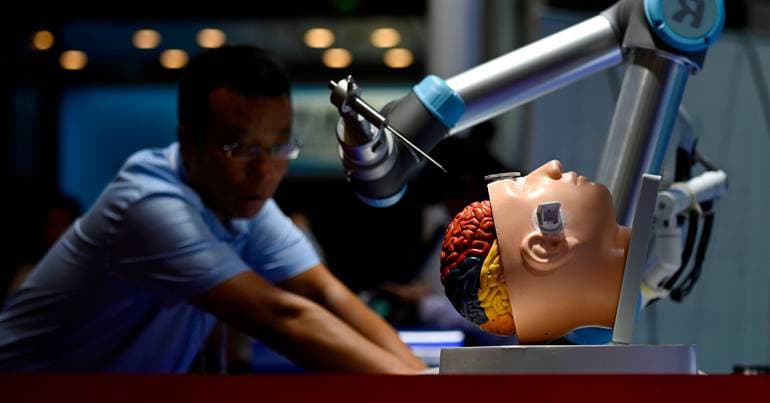
Three researchers based in Portugal will develop projects and test whether their work can become valuable tools or products for the public.

A study shows that the drugs, rather than acting on the brain's attention circuits as long believed, primarily target the brain's reward and wakefulness centres.
