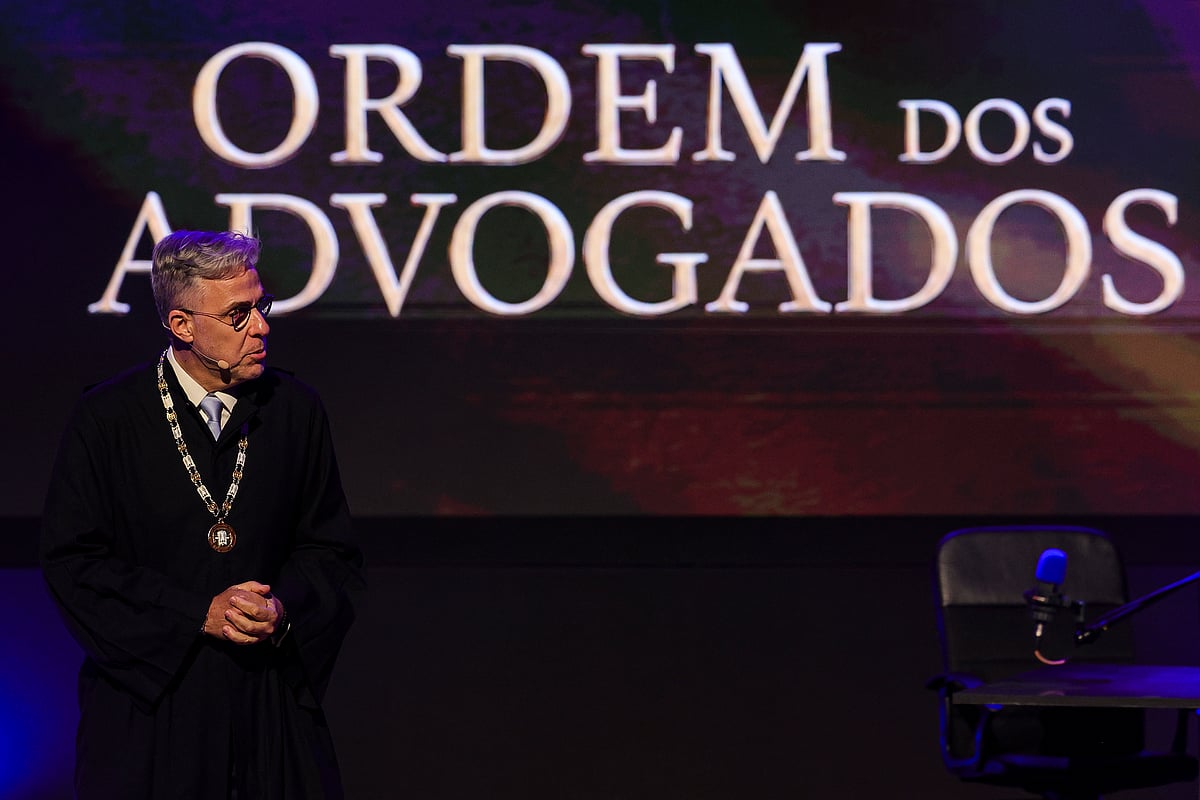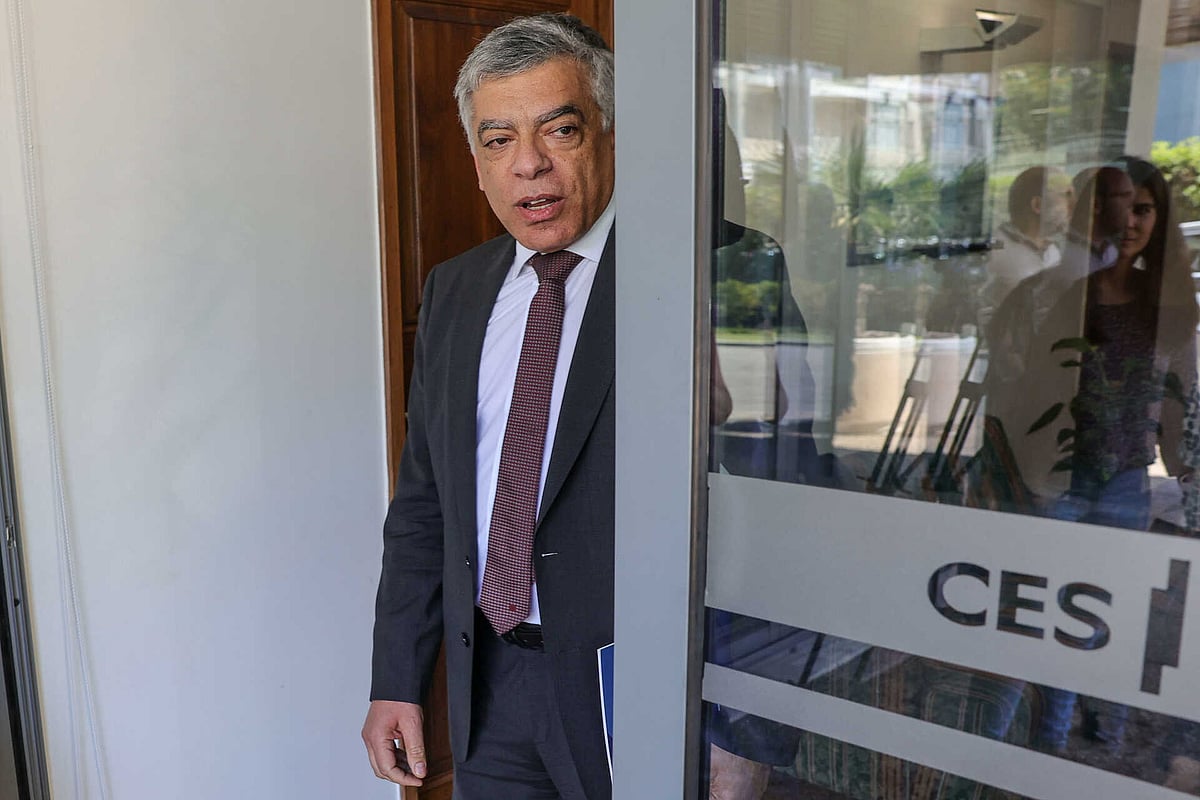
The General Inspectorate for Health Activities (IGAS) is to investigate the nationality requirement imposed by the Lisbon Western Local Health Unit (ULSLO) in its recruitment processes. The inspector-general, António Carapeto, confirmed the review after reports that the unit was unlawfully requiring Portuguese nationality for private-law contracts, potentially misleading candidates. Legal experts, including Maria Antónia Beleza, argue that the practice is discriminatory and legally incoherent, as it confuses residency and visa requirements with nationality status, potentially deterring qualified applicants.
The Lisboa Ocidental Local Health Unit (ULSLO) is facing accusations of illegality for requiring Portuguese nationality in recruitment notices for roles governed by private labour law. Legal experts argue that this requirement is discriminatory and contradicts both the Labour Code and European Union law, potentially deterring foreign candidates. While the health unit claims it follows legal requirements and exceptions, lawyers maintain that the reference to public service laws in private contract procedures is incoherent and unlawful.
An Asian buffet restaurant in Cacém was closed following an inspection operation, where serious hygiene and food storage failures were detected. The establishment served spoiled food and accommodated immigrant employees in makeshift rooms.
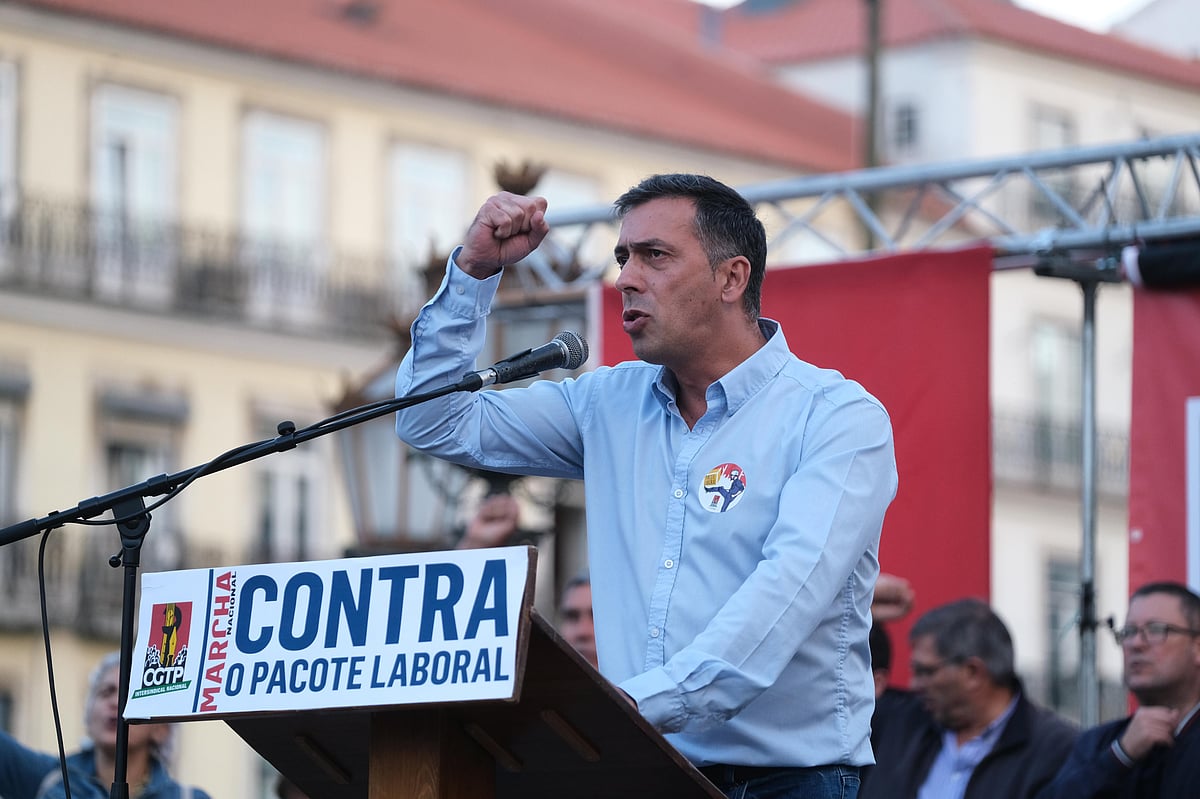
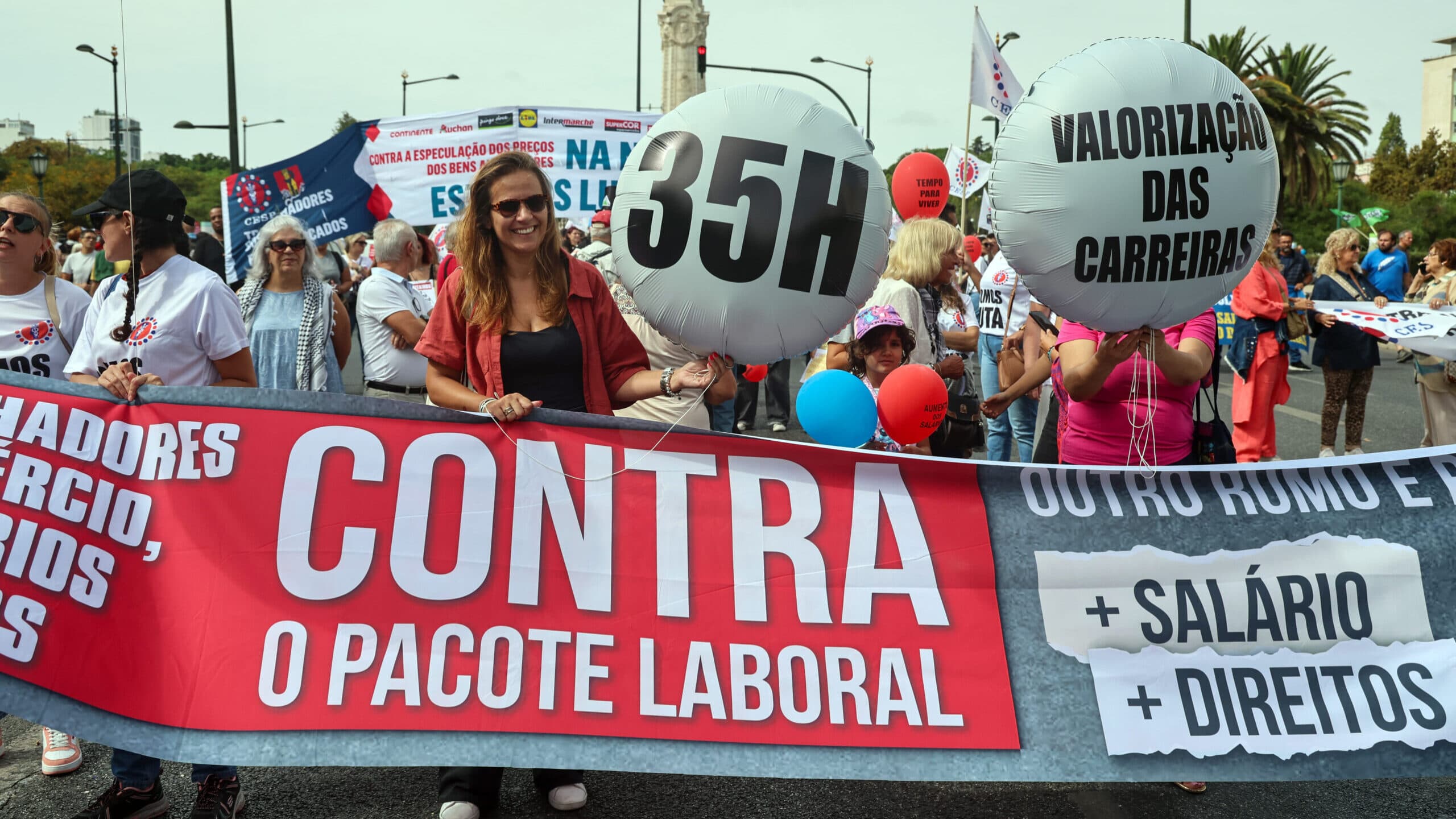
More than a hundred people demonstrated in downtown Lisbon, organized by CGTP, to demand gender equality and oppose a labor package perceived to worsen women's working conditions. The protest featured slogans advocating for equal pay and rights, with participants highlighting ongoing disparities in the workplace. CGTP leaders emphasized the need for legislative changes to uphold constitutional rights for women, especially in light of the upcoming International Women's Day.
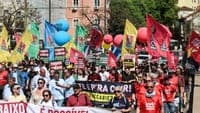
Thousands of demonstrators took to the streets in Lisbon and Porto to protest against the government's proposed changes to the labour law, known as the 'Work XXI' reform. Led by the CGTP union, the protests highlighted concerns that the reforms would negatively impact workers' rights. CGTP's Secretary-General, Tiago Oliveira, called for the government to withdraw the labour package, emphasizing its detrimental effects on the workforce.
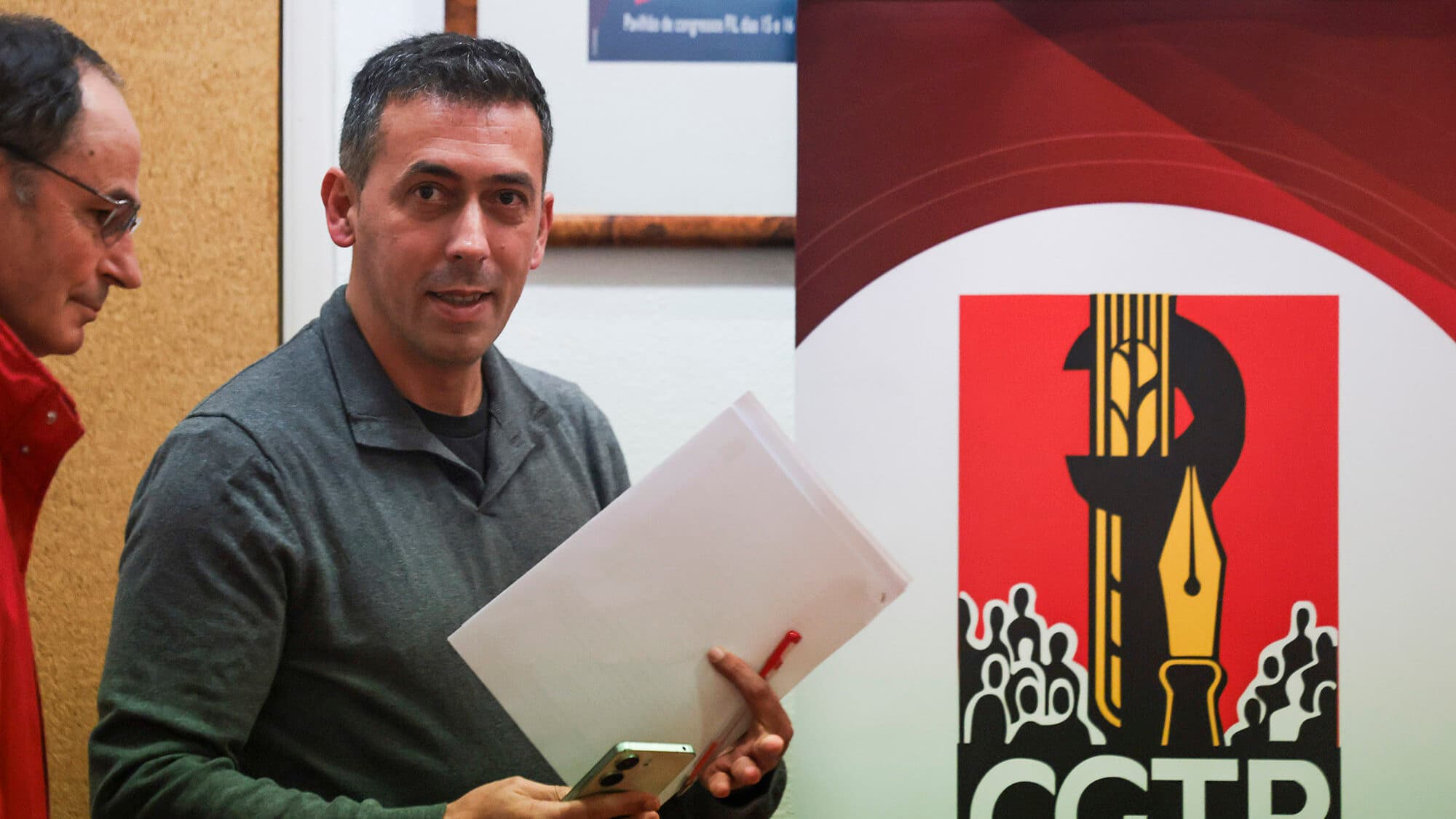
The Secretary-General of CGTP, Tiago Oliveira, emphasised that “this labour package is negative for the world of work and is negative for workers” and demanded that the Government withdraw it.
Thousands of workers protested in Lisbon against a new labor package, expressing their discontent with proposed changes to labor laws. The demonstration highlights significant opposition to the government's labor policies, reflecting broader concerns about workers' rights and conditions in Portugal.
The Minister of Labour will meet on Monday, 23rd, with UGT and four employer confederations to discuss changes to the labour law, in a meeting without the participation of CGTP. The meeting is scheduled for 9:30 AM at the Ministry of Labour, Solidarity and Social Security (MTSSS) in Lisbon. This gathering aims to assess the technical meetings that have taken place between the government, employer confederations, and UGT regarding the labour law changes being discussed in the Social Concertation framework, where CGTP is also represented. Last week, the Minister had called UGT and employer confederations for a meeting, but it was held without union representatives as CGTP was not invited and UGT announced it would not participate, deeming the meeting 'untimely'. An official source from the ministry indicated that 'UGT was invited and did not show availability at any time this week', but the government remains open to discussions with the union. In UGT's absence, employer confederations expressed their 'interest' in reaching an agreement on the labour law, stating that without the union's presence, 'in practice, there was no meeting' and they are willing to negotiate with the union starting this week. This was noted by Francisco Calheiros, president of the Tourism Confederation of Portugal (CTP), who spoke on behalf of the other three employer confederations. When asked about CGTP's absence, Calheiros declined to comment. The Secretary-General of CGTP accused the government of trying to exclude the inter-union from discussions on labour law changes and using methods of discussion 'completely outside' the usual negotiation processes. The draft reform, called 'Trabalho XXI', was presented by the government of Luís Montenegro (PSD and CDS-PP) on July 24, 2025, and the Minister has indicated the intention to submit the bill to parliament, although no date has been committed to. The changes proposed by the government in July were rejected by the unions, who view the changes as an attack on workers' rights. The opposition led CGTP and UGT to jointly call for a general strike on December 11, 2025. Employer confederations welcomed the reform but stated there is room for improvement. In response to criticisms from CGTP and UGT, the government presented a new proposal to UGT with some concessions but reiterated that it is not willing to withdraw the entire initiative or abandon the core elements of the announced changes. UGT submitted a counterproposal to the government on February 4 and indicated it has red lines on issues such as fixed-term contracts and outsourcing, which it considers 'unacceptable'.
Rejecting any possibility of negotiation regarding the current labour proposal, Paulo Raimundo highlighted the precariousness of researchers and scholarship holders during a visit to the Instituto Superior Técnico.
The leader of the PCP sees the general strike as a sign of the Government's “isolation” and the growth of the “social front of struggle to defeat it”. He also accuses Chega of doing a “flip-flop” on the labour package.
The CGTP requested a meeting with Prime Minister Luís Montenegro on Monday following a general strike with a “very significant” turnout against the government's proposed labour law revisions. The trade union, led by Tiago Oliveira, demands the complete withdrawal of this package.
Those accused of operating a human trafficking network are already on trial. They facilitated the arrival of immigrants in Portugal and kept them in degrading conditions without pay.
The Civil Aviation Flight Personnel Union (SNPVAC) accuses easyJet of having replaced striking crew members during last week's general strike, violating labour legislation. They will file a complaint with the Labour Conditions Authority. "During the general strike on December 11, and after several attempts on our part ...
The general strike was not just a protest against specific measures. It reflected a country that is discussing the future with categories from the past.
Proposals to expedite justice, particularly regarding major cases, have been approved by the Council of Ministers and will be submitted to Parliament. Massano refers to a “security drift.”
Ana Mendes Godinho hopes that the Government will “interpret” the workers' participation in the general strike and withdraw controversial proposals from the labour law, and she welcomes the return to the negotiating table with the UGT.
Workers from SPdH/Menzies, who provide ground assistance at airports, will go on strike on 31 December and 1 January due to uncertainty caused by the licensing tender, which favoured the Clece/South consortium.
A day after the general strike against the revision of the labour law, the Ministry of Labour called UGT for a new meeting, with the trade union led by Mário Mourão stating that they are open to this, but it is necessary to remove the key obstacles that the Government has...