A new study from the Technical University of Vienna identifies the Portuguese housing market as systematically inaccessible for middle-income earners, highlighting a broader European trend where average buyers struggle to afford basic living spaces.
Rising accommodation costs in cities like Lisbon and Coimbra are forcing university students to consider dropping out, while families face increasing risks from online property scams.
Electrical engineer João Santos is using his platform 'O Explorador' and viral social media content to challenge inflated property prices in Lisbon, advocating for market transparency and aggressive negotiation.
Government demand incentives for first-time homebuyers are clashing with supply shortages and demographic shifts, drawing criticism from the IMF and Bank of Portugal over potential impacts on housing prices.
A recent report reveals that housing affordability in several European cities has reached a critical point, with Lisbon recording a price-to-income ratio of 18.7, meaning residents must dedicate nearly 19 years of average annual earnings to purchase a home.
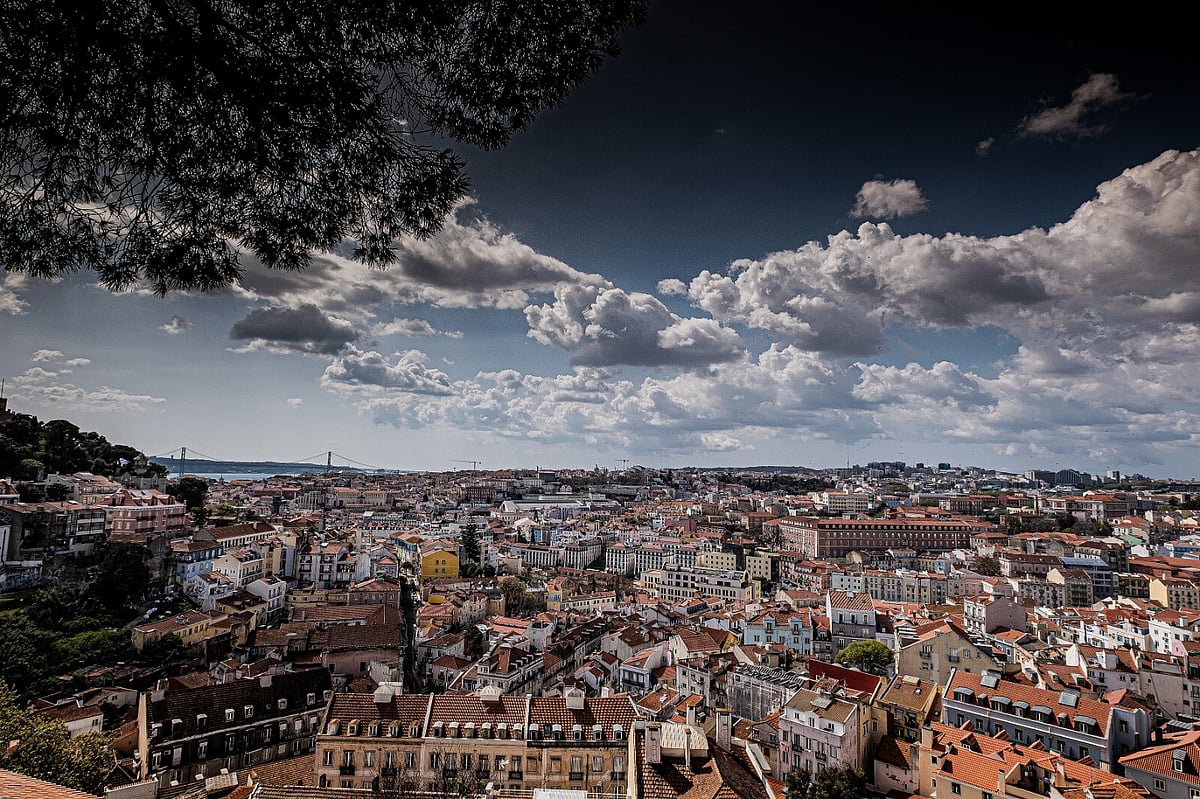
An analytical look at the property market reveals that Lisbon has become the least affordable capital city in Europe, driven by rising costs of living and housing.
A report highlights the significant price gap in the housing market, noting that foreign buyers are willing and able to pay 43% more for properties compared to local Portuguese residents.
The Casa para Viver platform is petitioning the President of Portugal to declare the housing crisis a national emergency, advocating for rent controls and eviction protections ahead of nationwide protests.
Reported house prices rose 16% year‑on‑year, but the data provided appears inconsistent: the body states prices reached €2,111 per square metre in Q3 last year, while the headline claims €5,000 per square metre in Lisbon. This likely reflects different measures or geographies (national average vs Lisbon city centre, asking vs transaction prices). Verify source breakdowns and timing; implications include tighter affordability, stronger expat/investor demand in Lisbon, and amplified regional divergence in the housing market.
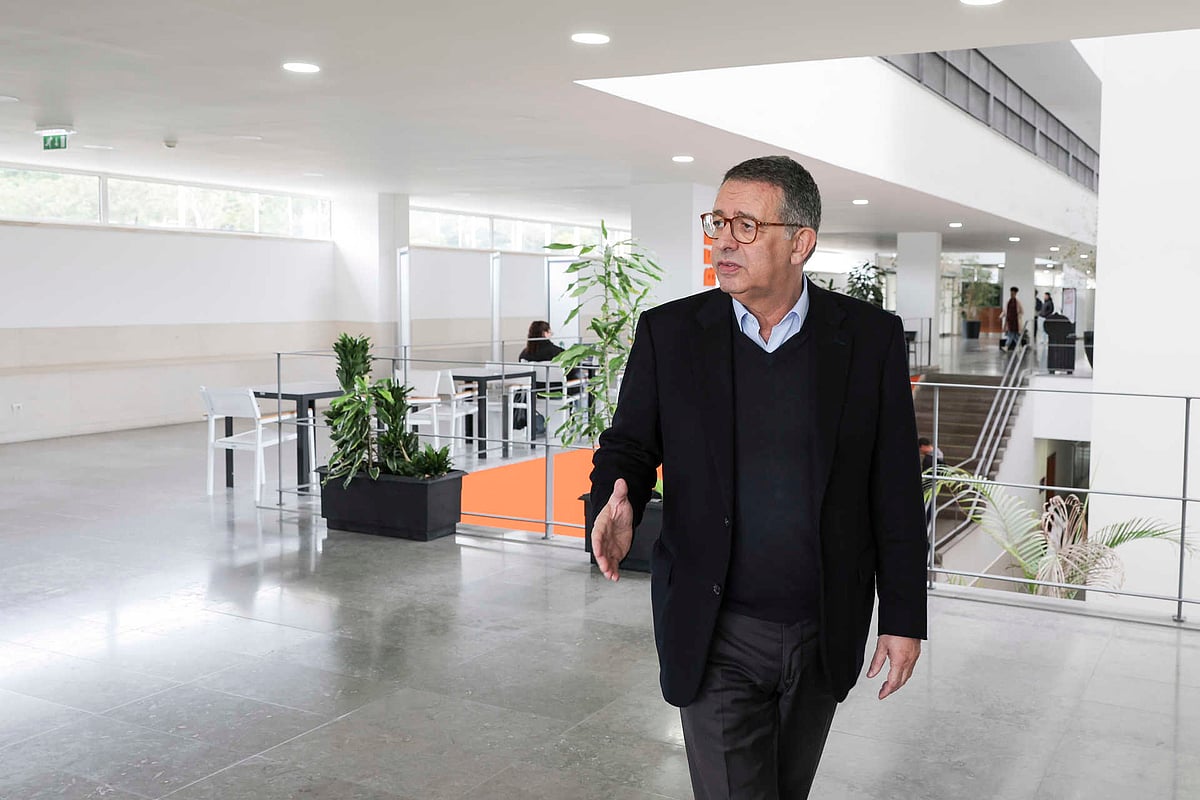
António Brito Guterres says that when comparing salaries and housing prices, Portugal stands out among European criteria. The urban studies expert advocates for more public housing and believes that limiting short-term rentals is not enough.
Lisbon continues to stand out in the real estate market, with prime residential rents rising by 7.6% in the first half of 2026, the second-highest increase among the 30 cities analysed by the Savills World Cities Prime Residential Index. Sales prices also followed the trend, recording a 3.3% increase, driven by a shortage of supply in the city. The Portuguese capital, behind only Cape Town, demonstrates robust demand for prime properties, according to the study, resulting in a significant appreciation of rents. The report explains that international buyer demand remains high, but supply is limited, which has been a crucial factor in rising rents and is conditioning sales price growth. In June 2026, the average cost of a prime property in Lisbon was 14,600 euros per square metre, while the average rent was around 30 euros per square metre per month. By comparison, Lisbon has already surpassed Madrid, where a prime square metre costs 11,700 euros, but it is still far from Paris (19,000 euros) and Geneva (26,300 euros), the most expensive city in the European group analysed. The appreciation pattern is not limited to Lisbon, as other southern European cities also recorded increases in prime sales prices, with Madrid growing by 2.4%, Barcelona by 1.5%, Athens by 1.2% and Rome by 0.2%. These cities face demand that exceeds supply, thus sustaining values in a context of greater caution among global buyers. For the second half of 2026, the Savills report projects growth of between 2% and 3.9% for Lisbon, aligning it with cities such as Madrid, Barcelona, Singapore, Seoul and Kuala Lumpur. The combination of limited supply and international demand is expected to be the main driver of appreciation until the end of the year, positioning Lisbon among the best-performing prime residential markets in Europe. Real estate development is accelerating in Portugal, with supply rising by 22%.
Elaine Torres, who has lived in Portugal since 2023, now owns her own beauty salon in Amadora, in the Lisbon metropolitan area. For her, the greatest difficulty in entrepreneurship is the cost of property rent.
Público headlines the accident at the Glória Funicular, reporting that Carris has not opened any disciplinary proceedings. The company admits it may still do so, but there is a risk that potential infractions may already be time-barred. The front page photo features Messi's farewell to the Argentine national team. Correio da Manhã highlights that house rents rose by 2.56% in January, warning that rising inflation is penalising tenants. The photo feature covers Benfica's 2-1 victory over Estoril at the Luz stadium, marking Palhinha's debut. Jornal de Notícias reports that while there are more care homes and support for the elderly, they only reach one in ten people, as the rapid growth of the population aged 65 and over strains the sector's capacity. The photo shows Benfica's win. Jornal Económico notes that Portugal is in the top 10 for wind power, ranking seventh in new installed capacity with a 200 million euro investment and over two gigawatts planned by 2030. It also highlights TAP's losses increasing to 99 million euros amidst privatisation. Jornal de Negócios focuses on rising house prices, stating that housing will weigh even more on family budgets as variable-rate mortgage payments rise this month with no relief in sight from Euribor futures. The photo features Apple's new CEO, John Ternus, inheriting a four-trillion-dollar company and the challenge of AI. Diário de Notícias headlines the plan to replace the funicular involved in an accident that injured 16 people in Lisbon a year ago, with Carris expecting the new Glória Funicular to be operational by 2029. The front page photo covers the Strait of Hormuz, the centre of new military attacks between the US and Iran.
Economist Carlos Daniel Santos acknowledges that property valuations have increased and reached 'slightly unsustainable' prices. The rise may mean that 'the market is reaching a limit', he warns.
With 50,000 candidates entering higher education - many of whom will move to Lisbon - average rents in the capital have increased by about 10%. In Porto, the price has increased by 20 euros.
The average rent in Lisbon and Porto increased after the announcement of higher education placements on Sunday, now hovering around 550 and 450 euros per month for a room in the two cities.
Average room rental prices in Lisbon and Porto have risen following the announcement of higher education placements, now reaching approximately 550 and 450 euros per month respectively. Despite an increase in the number of available rooms, prices have climbed by about 10% in the capital and have also risen in Porto, often exceeding the maximum housing support values provided to scholarship students by the government.
Renting a studio apartment for students in Lisbon can cost up to 1,500 euros per month, while in Porto prices reach 980 euros. Despite an increase in supply, student accommodation remains scarce in Portugal, where only 7% of university students have access to beds in student residences, reveals the Portugal PBSA study.
Similar to the average rents recorded last August, a room in Lisbon continues to hover around 500 euros per month, making the capital the most expensive city to study in.
Along with the many good things that the modernisation of Lisbon and the country brings, there are also problems that make life a kind of purgatory for many. Between heaven and hell.
The sector reports cooler booking rates this summer, especially in cities and larger units designed for families. In addition to the general increase in travel costs, hotel supply has risen and Lisbon airport's capacity is at its limit, which is putting pressure on prices to start falling.