Government meets UGT and employers on labour reform
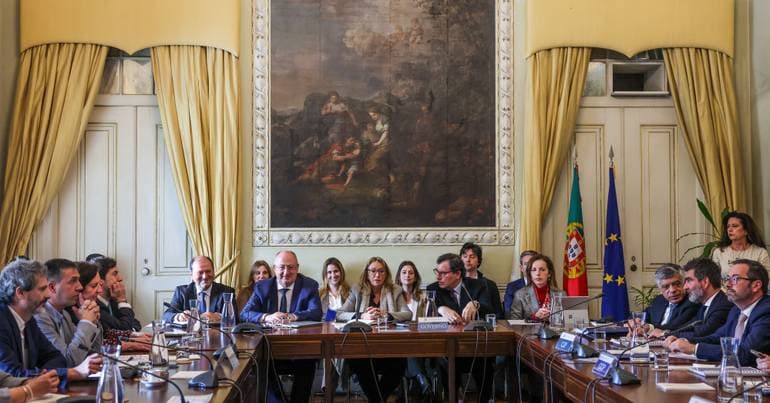
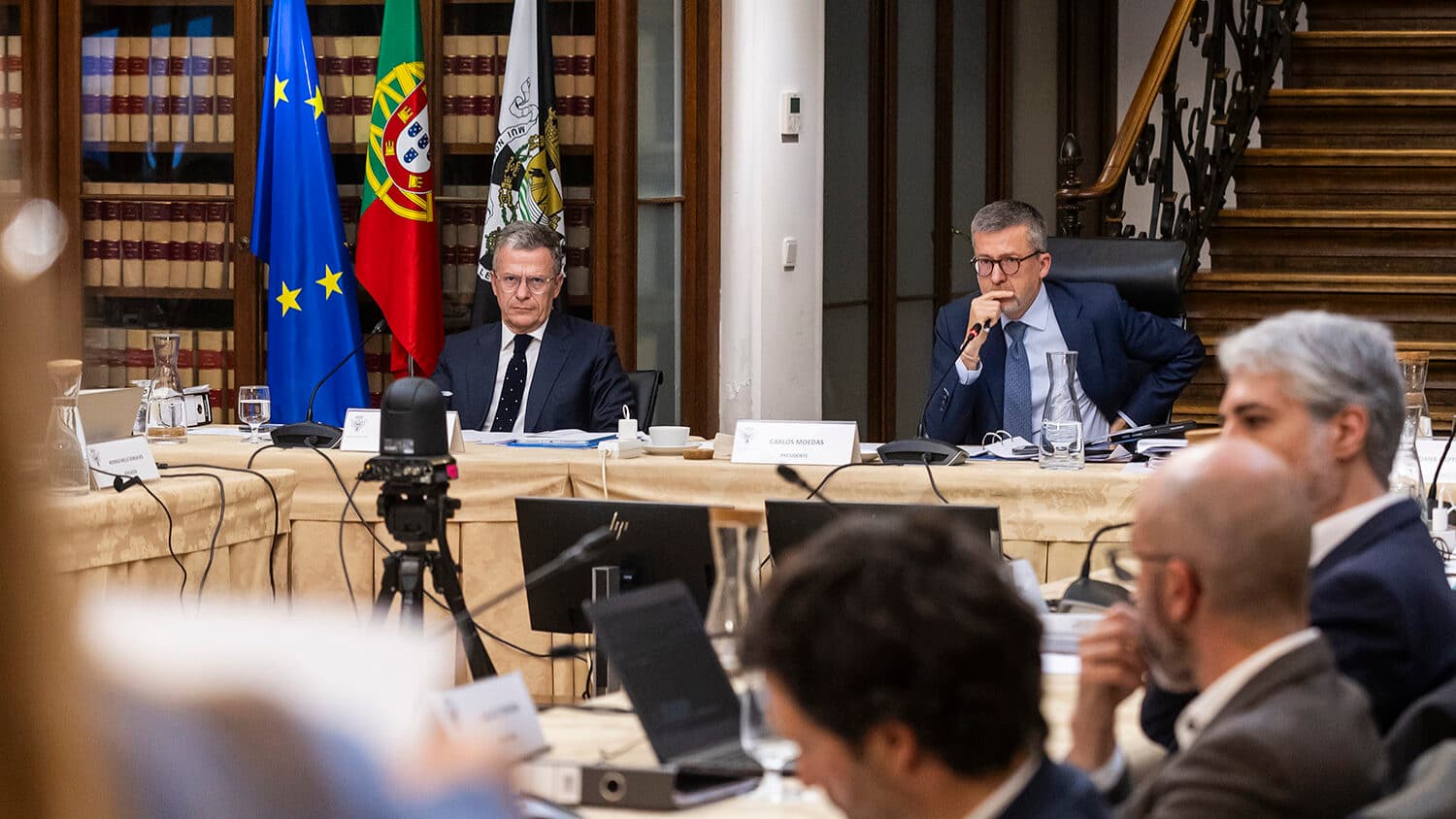
The Minister of Labour will meet UGT and four employer confederations at the Ministry of Labour, Solidarity and Social Security (Ministério do Trabalho, Solidariedade e Segurança Social) at 9:30 on Monday the 23rd to discuss proposed changes to labour law and to review technical talks held under the Social Concertation process. CGTP was not invited to the meeting, according to reporting. Workers, employers and union members should follow the talks for possible changes affecting contracts, collective bargaining and employment rules.
Update: Employers call revision 'balanced', urge dialogue
Armindo Monteiro, president of the Confederação Empresarial de Portugal (CIP), told media the government's draft is “balanced” and does not justify “all this conflict,” calling instead for continued talks between unions and employers and warning that taking the proposal to the Assembly without prior agreement risks politicising the process ahead of elections.

The General Union of Workers (UGT – União Geral de Trabalhadores) is one of Portugal’s two main national trade union confederations. Founded in Lisbon on 28 October 1978, it was created as a social‑democratic alternative to the more communist‑aligned CGTP after the 1974 Revolution, grouping unions close to the Socialist Party and moderate centre‑right currents.
UGT represents around 400,000 workers and is affiliated to the European Trade Union Confederation and International Trade Union Confederation, giving Portuguese labour a voice at EU and global level. Its principles stress union independence from the state, employers, churches and parties, internal democracy and active worker participation.
Historically, UGT’s hallmark has been “propositive” social dialogue: it is usually more willing than CGTP to sign tripartite agreements on wages, labour law and social policy with governments and employers, shaping minimum wage increases, working‑time rules and social protection reforms. This makes UGT a key centrist actor in Portugal’s industrial relations, often mediating between left and right while defending collective bargaining and incremental improvements to labour rights.
The Ministry of Labour, Solidarity and Social Security (Ministério do Trabalho, Solidariedade e Segurança Social) is the Portuguese government department responsible for labour policy, social welfare and pensions. It sets and enforces labour rules, negotiates with unions and employers, and is where the meeting on Monday the 23rd at 9:30 AM with UGT and employer confederations will take place, so workers and employers should note any changes discussed there.
CGTP (Confederação Geral dos Trabalhadores Portugueses – Intersindical Nacional) regularly publishes studies and proposals on labor market conditions, wages, working time, and employment rights. These reports are used to support the union confederation's negotiating positions with the government and employers.
CGTP studies typically cover topics such as minimum wage adequacy, working hours reform, collective bargaining trends, social security sustainability, and the impact of proposed labor law changes on workers. The confederation uses this research to advocate for positions in tripartite social dialogue (Concertação Social) alongside the UGT union confederation and employer groups.
These publications are significant because they often shape public debate ahead of labor reforms and can influence the pace and direction of legislative changes.
Parental leave (licença parental) in Portugal includes paid leave around childbirth that can be shared between parents plus a separate paternity quota, with eligibility usually tied to social‑security contributions or residency. Payments and administration go through Social Security (Segurança Social), so expat parents should check their contribution record, employment contract and register with Segurança Social to claim benefits and confirm exact leave length and pay rates.
Social Concertation (Concertação Social) is Portugal's tripartite dialogue between the government, trade unions and employer associations to negotiate labour, social and economic policies. Its agreements often shape government proposals but are not binding, so if talks fail the government can still submit the labour-law revision to Parliament and will need to secure votes there, potentially relying on support from opposition parties such as Chega.

The General Confederation of the Portuguese Workers (CGTP – Confederação Geral dos Trabalhadores Portugueses) is Portugal’s largest trade-union confederation, grouping most unions in manufacturing, public services and many other sectors.
Founded clandestinely in 1970 as “Intersindical” under the dictatorship, it emerged publicly after the 1974 Carnation Revolution and was legalised in 1975. It has been central to virtually all major labour struggles since then, from defending collective bargaining and the 40‑hour week to leading general strikes against austerity and labour‑law rollbacks.
CGTP is historically close to the Portuguese Communist Party and has a class‑struggle, anti‑neoliberal profile, strongly critical of EU and government policies seen as undermining workers’ rights. It favours grassroots mobilisation and strikes over compromise, often refusing national social‑pact deals that the more centrist UGT is willing to sign.
In today’s Portugal, CGTP remains a key actor in wage bargaining, labour‑law debates and national protests; together with UGT it called the first joint general strike in years in December 2025, signalling its continuing capacity to organise mass action.
Armindo Monteiro is the president of CIP - Confederação Empresarial de Portugal (Confederation of Portuguese Business). He said on Monday that the government's proposed labour-law revision is "balanced" and called for dialogue between employers' and workers' representatives, a position that matters because CIP represents major employers and can shape labour negotiations affecting companies and workers in Portugal.
Segurança Social is Portugal's public social security system, responsible for administering pensions, unemployment benefits, sickness pay, parental leave, family allowances, and other social support payments. It is funded through mandatory contributions from employers and employees.
Most services are managed online through Segurança Social Direta (SSD), where users can check contribution records, apply for benefits, submit declarations, and track payments using their NISS (Social Security Identification Number) and Citizen Card credentials.
Key interactions for residents include registering as a contributor (mandatory for all workers), claiming unemployment benefits, applying for parental leave, and accessing the minimum income scheme (Rendimento Social de Inserção). Self-employed workers (trabalhadores independentes) must also make quarterly income declarations through the platform.
The Ministry of Labour (Ministério do Trabalho) is the government department responsible for employment policy, labour law, collective bargaining and workplace inspections. It organises talks between employers and unions and can convene negotiations or propose changes to labour rules, so its meetings affect workers and employers directly.
A banked hours scheme (banco de horas) is a flexible working time arrangement under Portuguese labor law that allows employees to accumulate overtime hours and use them later as time off, rather than receiving immediate overtime pay.
Under the Portuguese Labour Code, banked hours can be established through collective agreements or, in some cases, individual agreements. The scheme allows employers to vary working hours based on demand — requiring longer hours during peak periods and compensating with shorter hours or days off later.
Banked hours schemes are a frequent topic in labor reform negotiations, with unions (particularly CGTP) pushing for tighter limits and greater worker protections, while employers argue for more flexibility. Proposed reforms have included extending eligibility to parents of young children and adjusting the cap on banked hours.