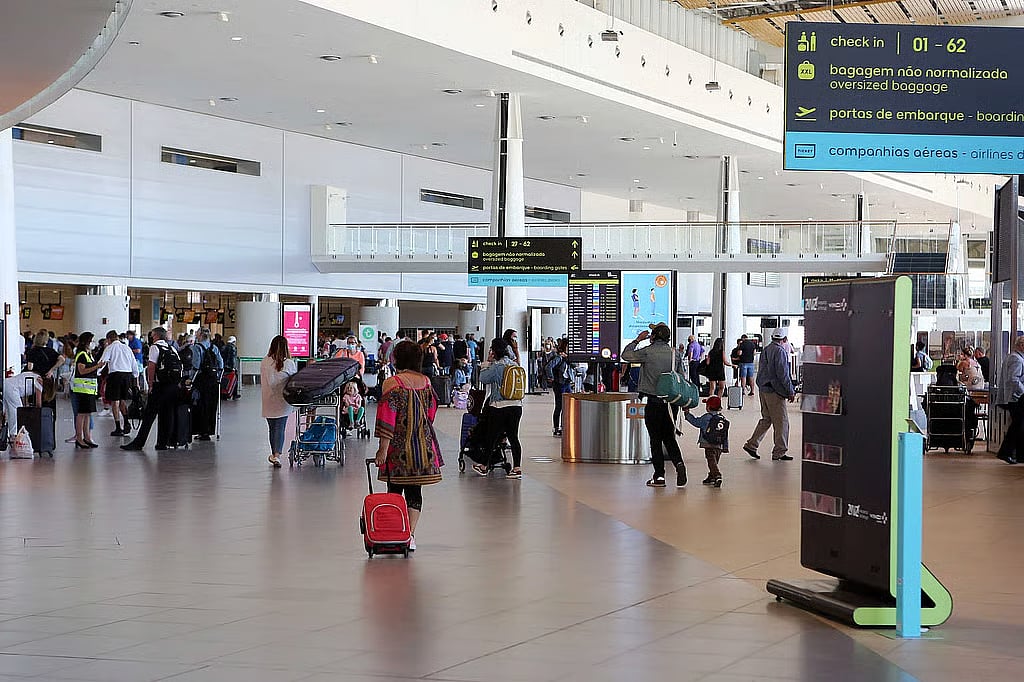
Lisbon airport border control closed after passenger error
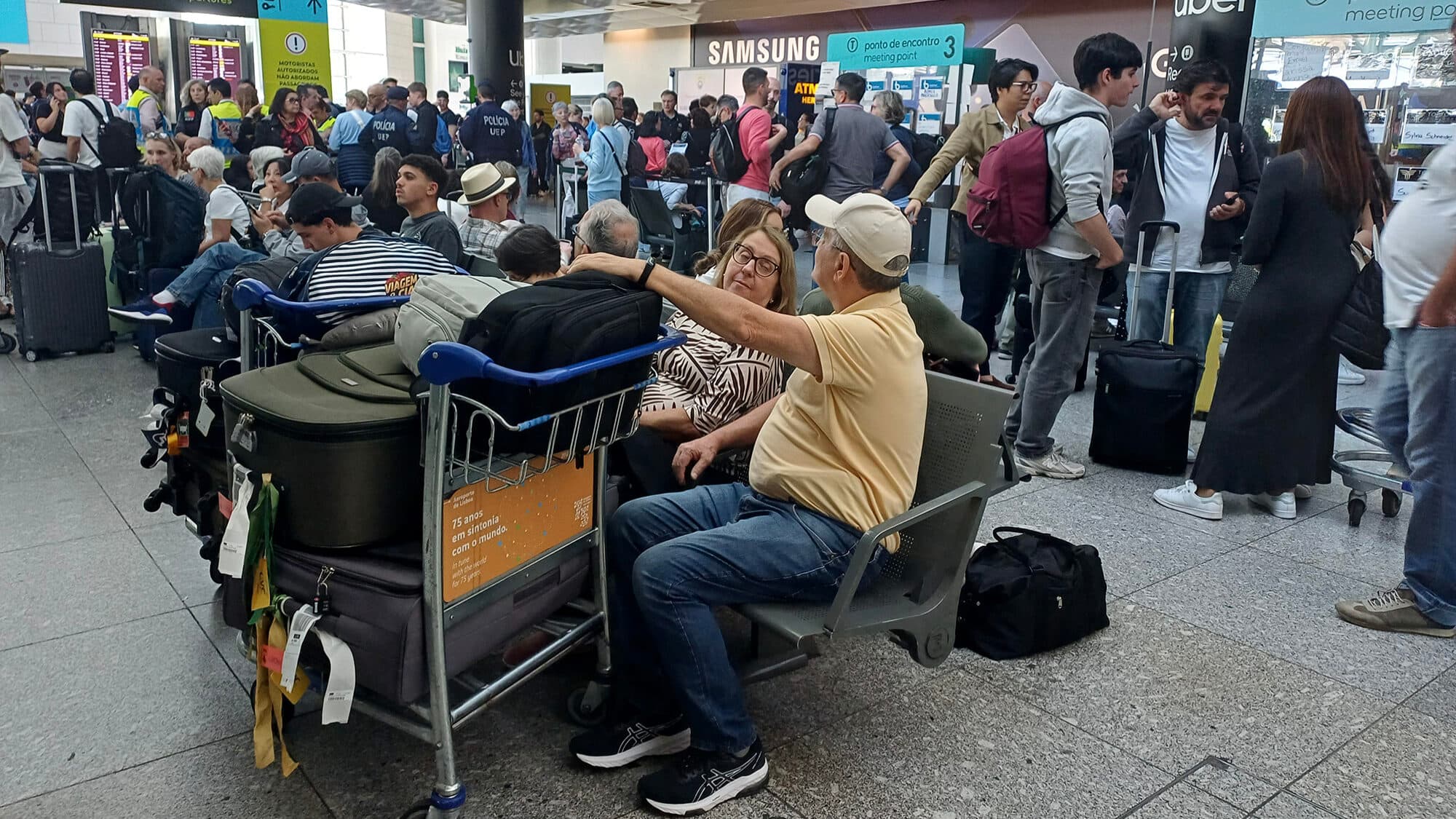
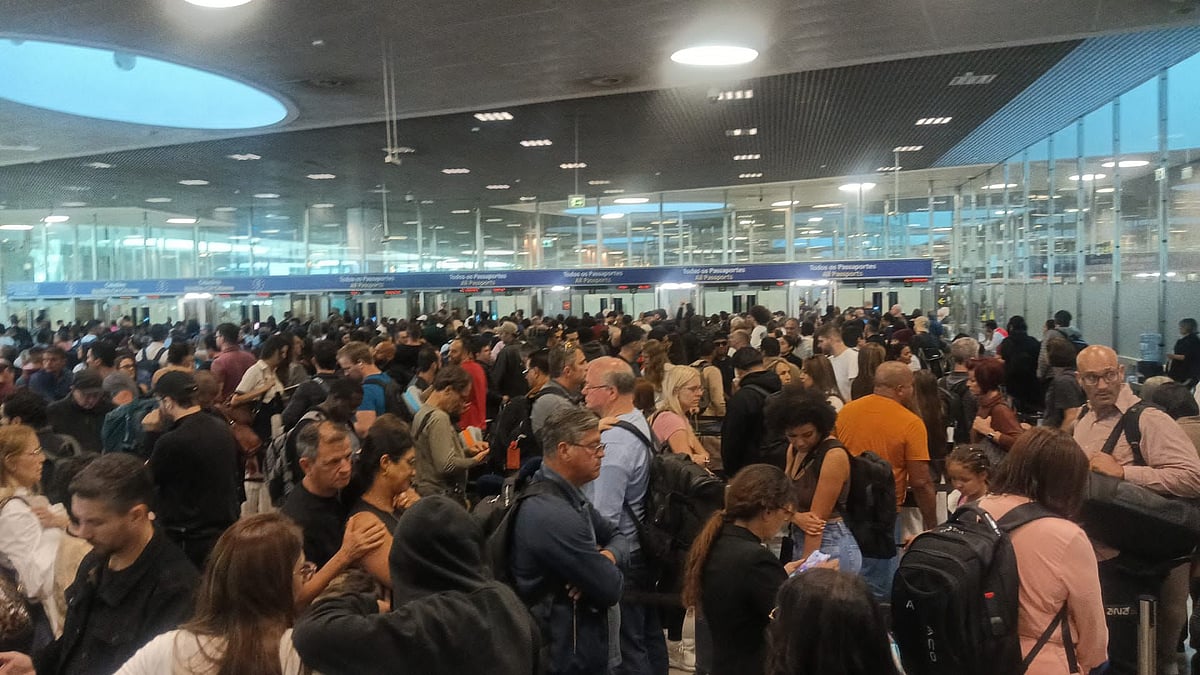
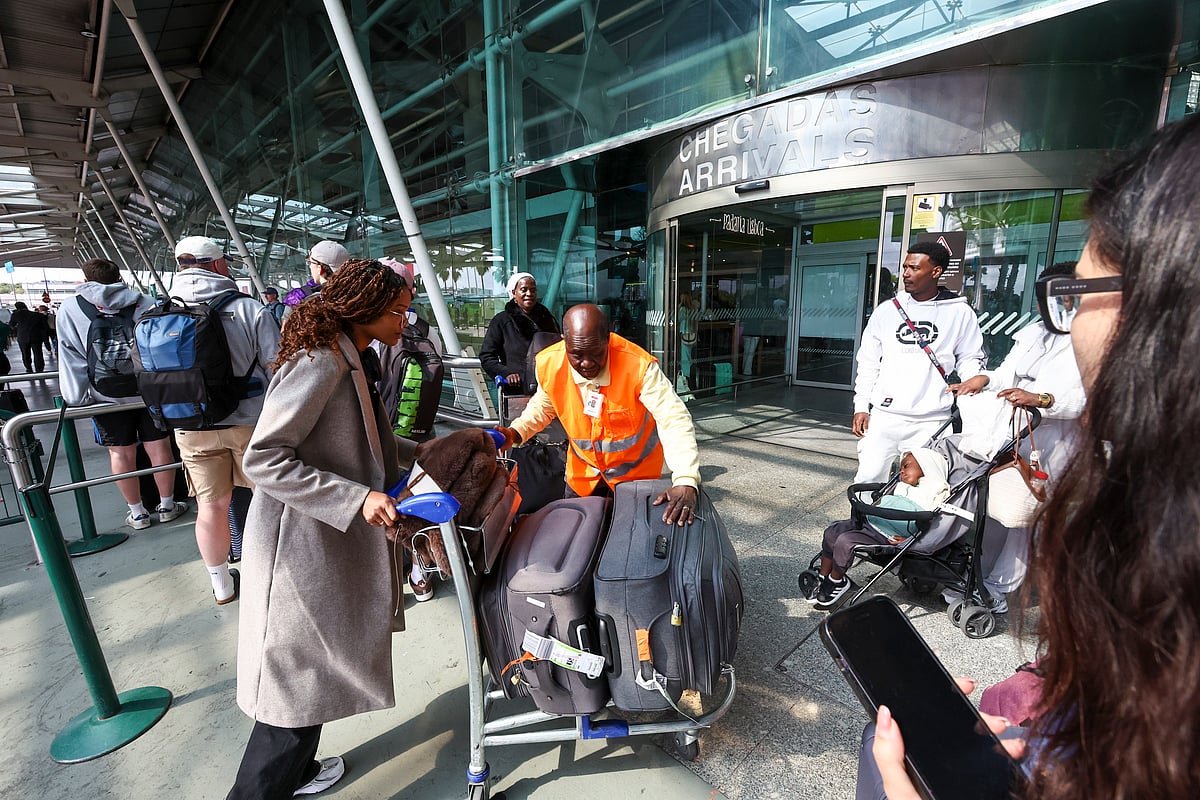
Border control at Lisbon Airport was temporarily closed on Tuesday after passengers from a flight arriving from Brazil disembarked in the wrong area. The Public Security Police (Polícia de Segurança Pública or PSP) confirmed that the error led to a mix of screened and unscreened passengers, necessitating a temporary halt to operations.
Update: Lisbon Metro Red Line suspended after pipe burst
Service on the Lisbon Metro Red Line was suspended between Chelas and the Airport following a pipe burst that flooded technical rooms. The incident caused a train to stall, leading some passengers to force doors open and walk along the tracks, forcing a complete shutdown of the line.

The PSP (Polícia de Segurança Pública) is Portugal's national civilian police force, founded in 1867. Responsible for defending Republican democracy and safeguarding internal security and citizens' rights, the PSP polices major cities—Lisbon, Porto, Faro—and large urban areas, covering only 4% of Portugal's territory but roughly half the population. Led by a National Director under the Ministry of Internal Affairs, its approximately 21,500 officers handle preventive policing, crime investigation, public order, airport security, diplomatic protection, private security regulation, firearms licensing, and border control (since 2023).
PSP vs. GNR: The PSP is civilian with police-focused training and urban jurisdiction, while the GNR (Guarda Nacional Republicana) is military (gendarmerie) with military training, covering 96% of Portugal's rural and suburban territory. Both share core public safety missions but differ fundamentally in nature, training, and geographic responsibility.