The Zero Association criticizes Lisbon's Noise Action Plan as ineffective and proposes a 5.7 euro noise tax per passenger to fund building insulation and mitigate aircraft noise impacts on over 370,000 residents.
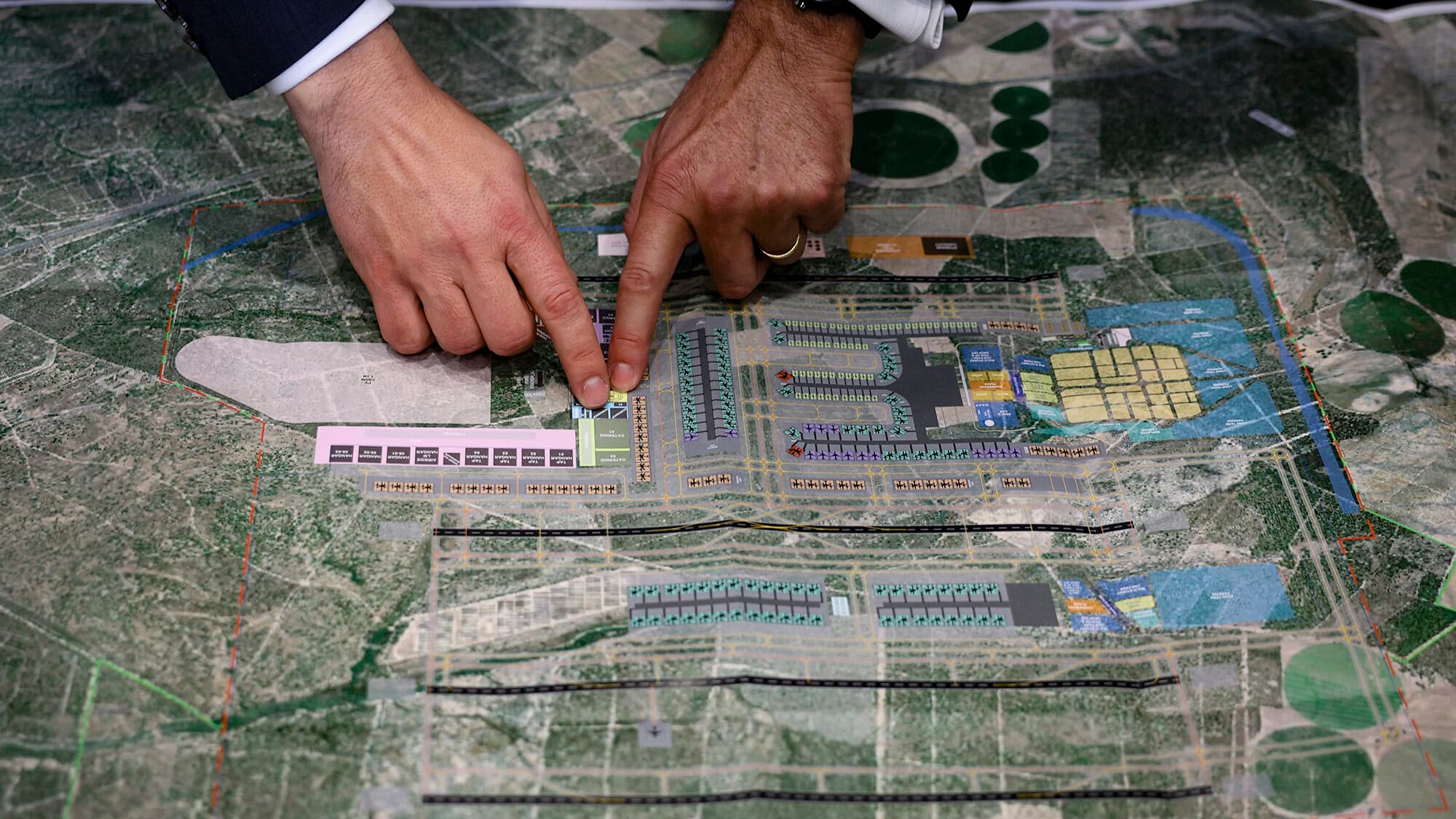
The Government has received the first environmental report for the proposed new Lisbon airport, submitted by ANA – Airports of Portugal. The Ministry of Infrastructure said the next step is delivery of a technical report by 16 July, which will detail the project’s principal environmental impacts and justify the choice of location within the Campo de Tiro de Alcochete perimeter. The final environmental impact study is expected to be submitted to the Portuguese Environment Agency in the third quarter, marking a new phase in the planning and regulatory review of the airport project.
The Bike Bus Summit brings together families, activists, and decision-makers from over nine countries this week in the capital, which leads the movement with 36 schools and 500 children cycling together.
The decision follows a technical assessment by municipal services, which concluded that the location of 20 jacaranda trees conflicts with the urban development project.
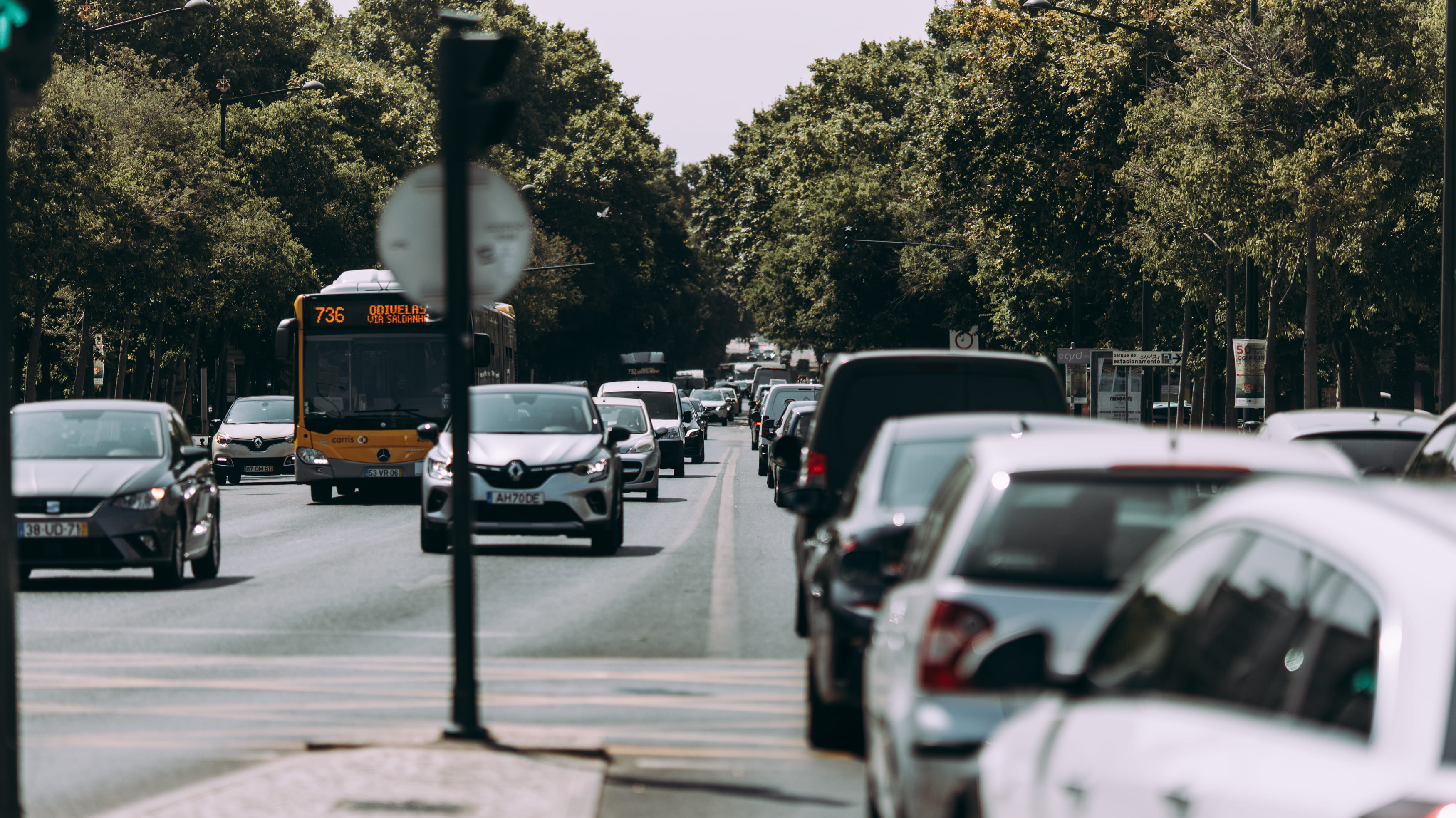
Portugal continues to have several urban areas with high concentrations of air pollutants, warns the environmental association Zero, advocating for a significant reduction in vehicles on the road and the electrification of freight transport, buses, and collective light vehicles. To reduce air pollution in urban areas, it is necessary to replace older fleets with electric vehicles, especially for intensive use, the association explains in a statement released for International Day of Clean Air, marked on Sunday, April 12. The proposed measures not only improve air quality but also reduce dependence on fossil fuels, serving as an effective way to address rising fuel prices resulting from the current geopolitical context. However, the association laments that the Portuguese trend has been an increase in traffic in urban areas, such as the Lisbon Metropolitan Area, and that Portugal lags behind in the European Union in the electrification of logistics and public passenger transport. Recalling that air pollution is a leading cause of premature death globally, surpassing tobacco, Zero highlights how air pollution is associated with diseases such as stroke, respiratory illnesses, and lung cancer, with its impact on children being particularly concerning. In Portugal, air pollution is responsible for the premature death of about 4,200 people per year, equivalent to 12 deaths per day—deaths that Zero considers largely preventable if the values recommended by the World Health Organization were met. Road transport is one of the main sources of air pollution, especially in urban environments, contributing to high levels of nitrogen dioxide (NO2), fine particles, and ozone (as a precursor), making it essential to act in this sector, Zero reinforces. Zero wants the Lisbon Metro to open at 05:30 due to the increase in fuel prices.
The second tunnel of Lisbon's General Drainage Plan (PGDL), connecting Chelas and Beato, is expected to be completed in 2029, Lisbon Mayor Carlos Moedas announced on Wednesday. The project, which aims to mitigate flooding in the capital, has faced multiple delays since its inception. While the first tunnel from Monsanto to Santa Apolónia is currently under construction, the overall plan includes various retention basins and infrastructure upgrades. Moedas highlighted the importance of the project for the city's future resilience and noted that the work is supported by European Union funding.
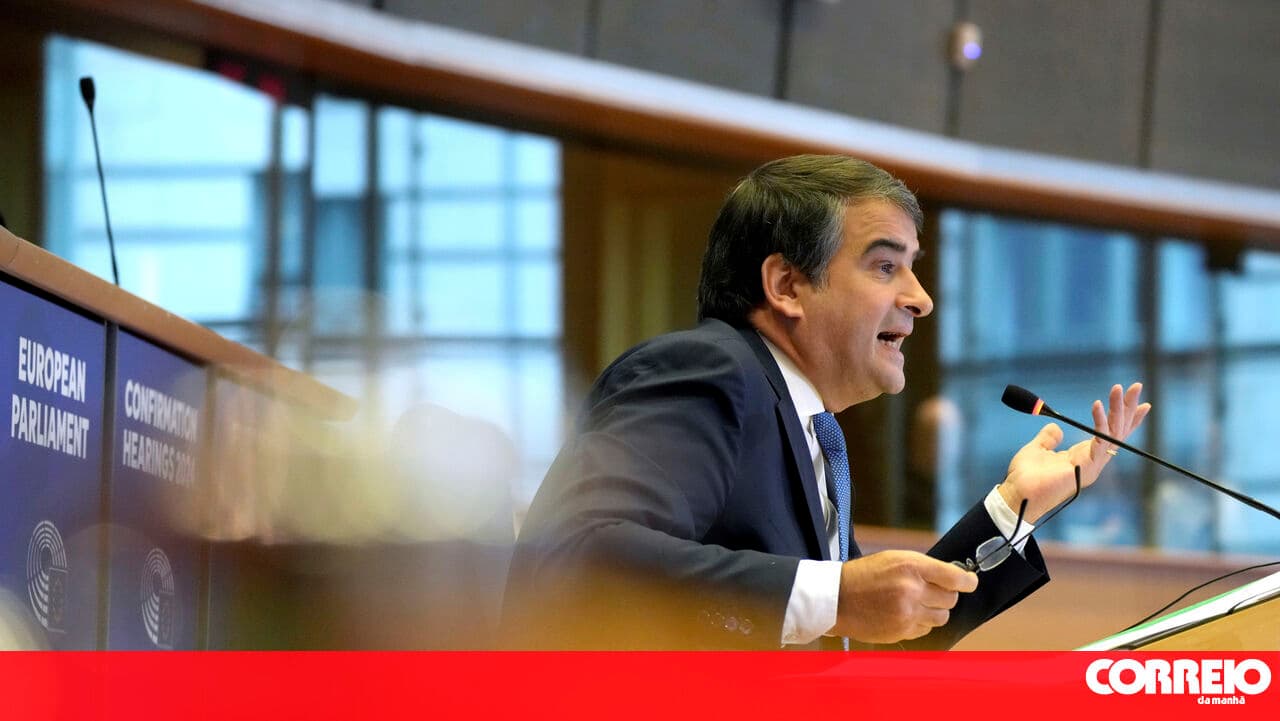
European Commission Vice-President Raffaele Fitto is visiting Lisbon and the Azores from Wednesday, the 8th, to Friday to discuss the future of cohesion policy and the EU's strategy for outermost regions. During his visit, Fitto will meet with Foreign Minister Paulo Rangel, Minister of Economy and Territorial Cohesion Manuel Castro Almeida, President of the Regional Government of the Azores José Manuel Bolieiro, and Mayor of Lisbon Carlos Moedas. The visit will focus on the new framework for cohesion policy investments for the 2028-2034 budget, the mid-term review of cohesion policy, and the future of National and Regional Partnership Plans. Additionally, Fitto will discuss EU support for Portugal via the Solidarity Fund to address damage from earlier storms, while Bolieiro will urge the government to ensure the EU maintains specific funding for outermost regions.
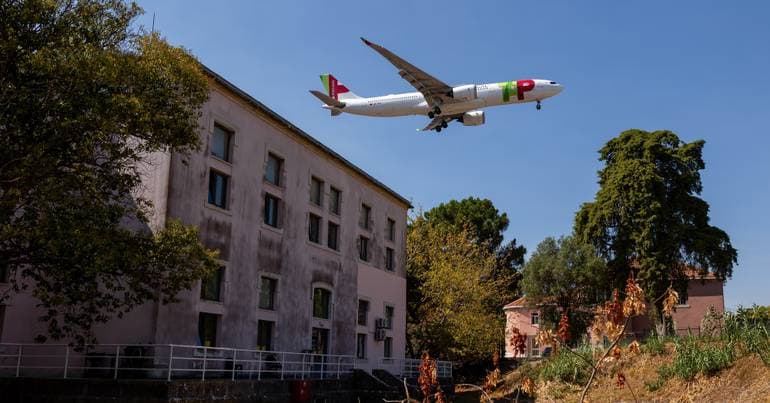
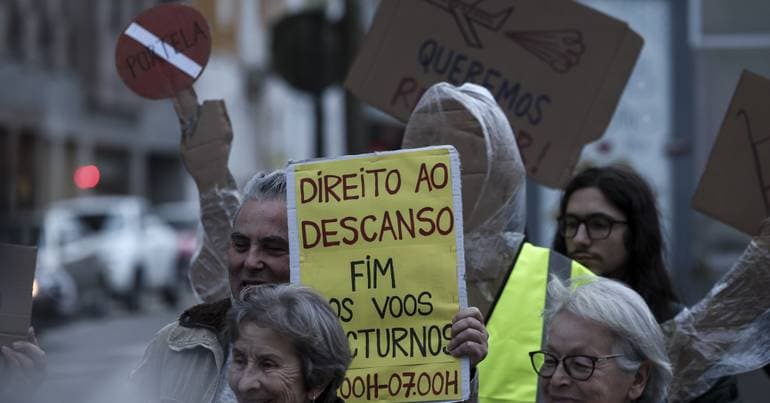
The environmental association Zero considers the 2024-2029 Noise Action Plan for Lisbon Airport ineffective and regrets that the health of more than 370,000 people continues to be affected by aircraft noise.
With 60,000 people exposed to night-time noise above legal limits, the Zero association advocates for an urgent review of the plan and the closure of the airport.
The environmental association Zero accuses the Lisbon airport Noise Action Plan, which is under public consultation until Sunday, of “failing completely” to fund acoustic insulation for buildings, as it only allocates seven million euros to mitigate noise impact.
The 'Less Noise' programme reaches nine Lisbon parishes in May. The capital will receive 5.5 million to soundproof homes against noise from Humberto Delgado Airport.
Floods in Lisbon may soon be a thing of the past. This is the promise of the General Drainage Plan, a project designed to change how the city reacts to extreme rainfall. How? By turning Lisbon into a sponge city. A report by Andreia Vale and Nuno Quá.
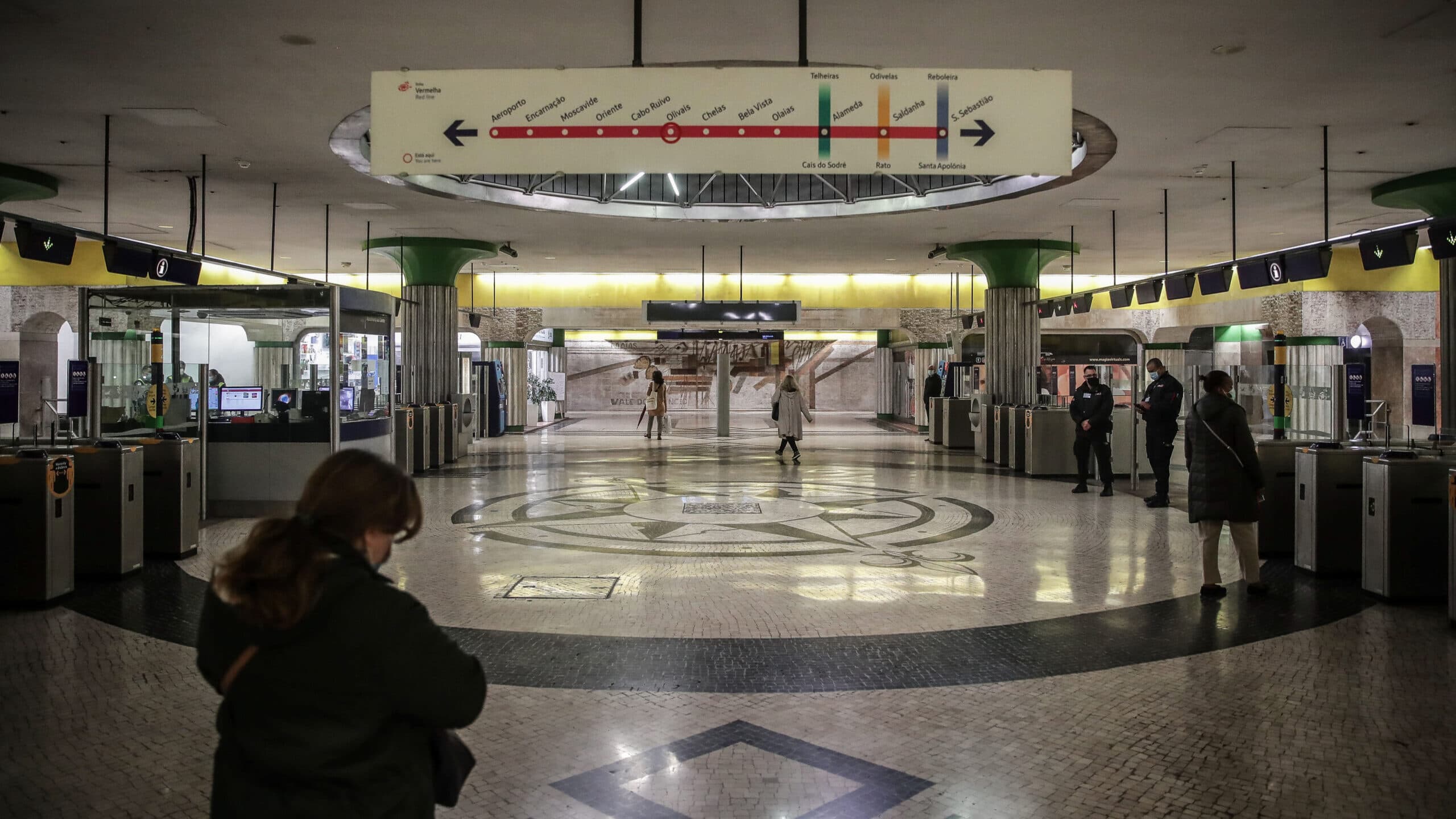
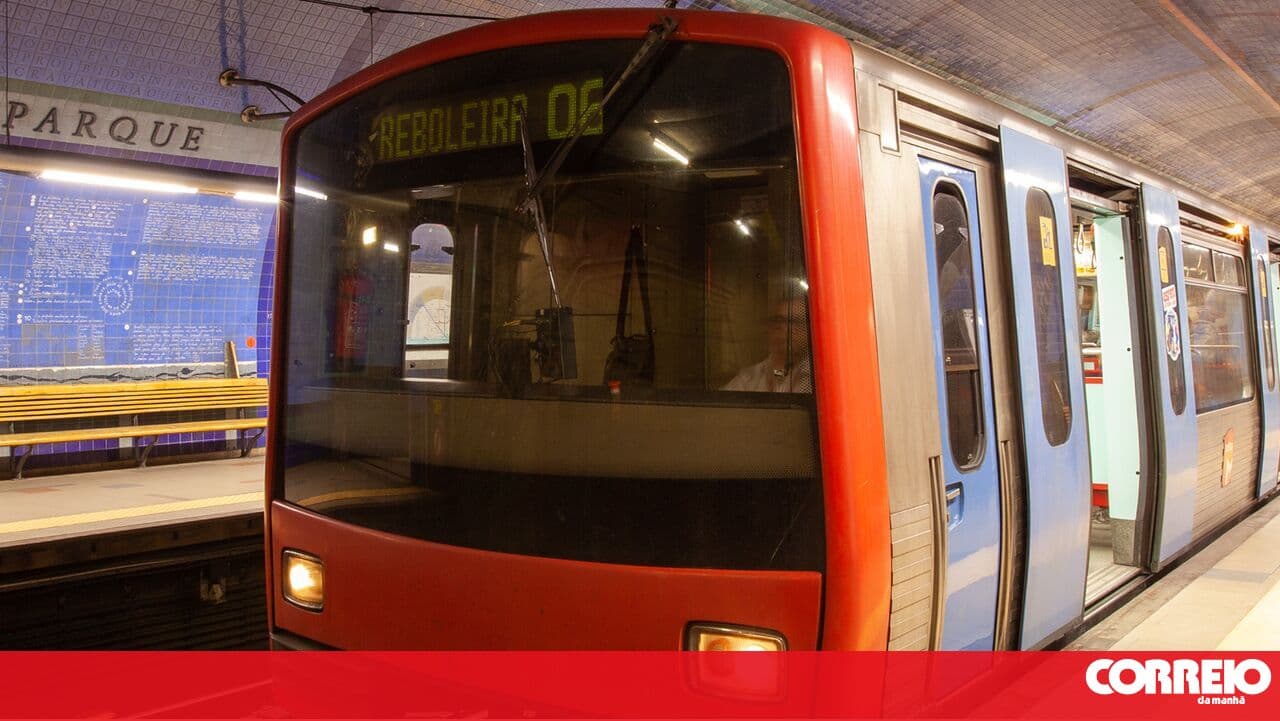
Acácio Pires, from Associação Zero, appeared on CNN Central to explain his association's position, which advocates for the Lisbon Metro to open earlier, at 05:30, due to rising fuel prices and to encourage the use of public transport.
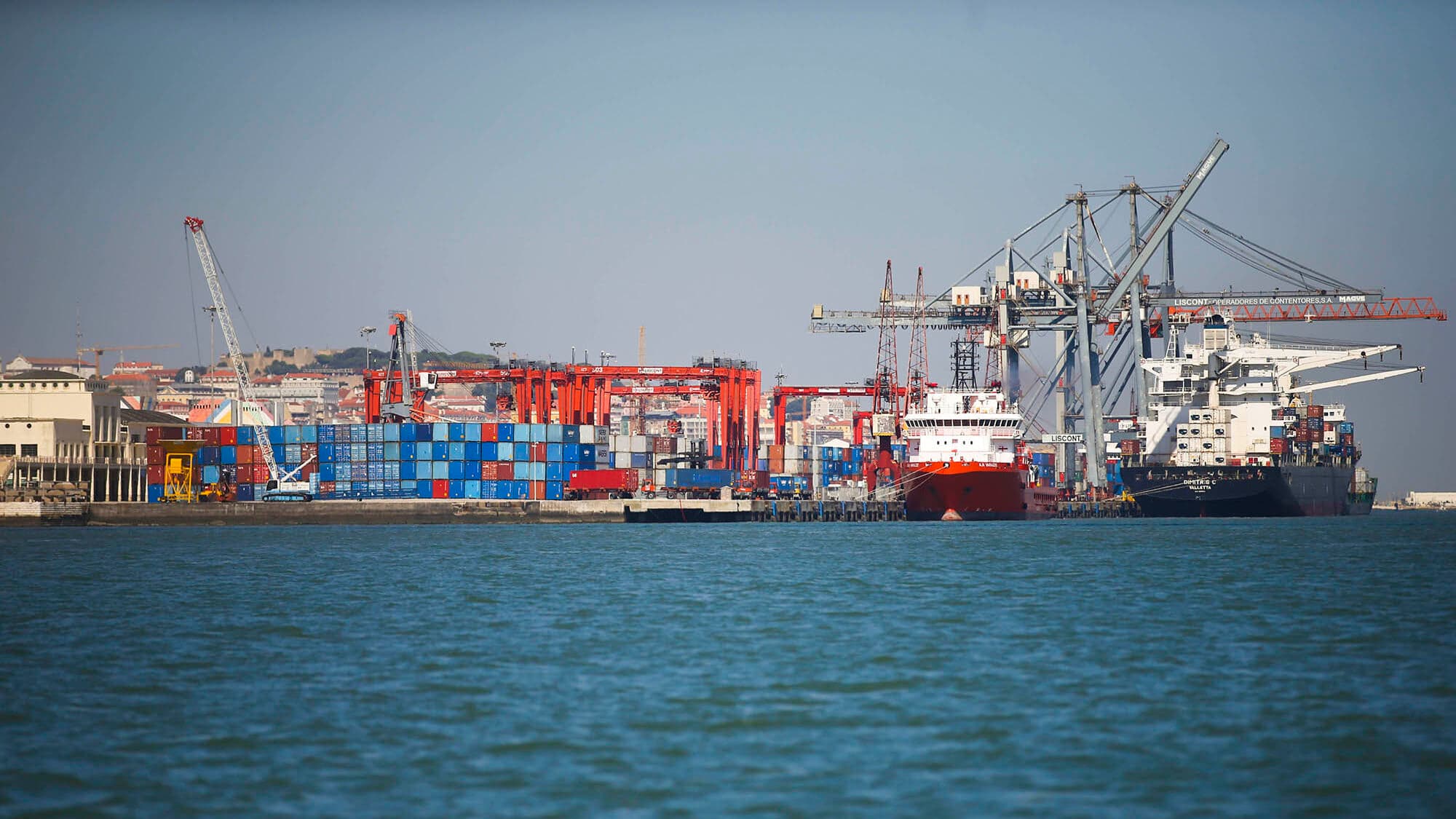
The Port of Lisbon will invest 5.8 million euros in the development of an Intelligent Port Management Platform and an integrated monitoring and sensor system, having already secured 4.25 million euros in European funding. The project is called “Smart Port Lx” and is expected to be completed by 2030. “This project represents a step...
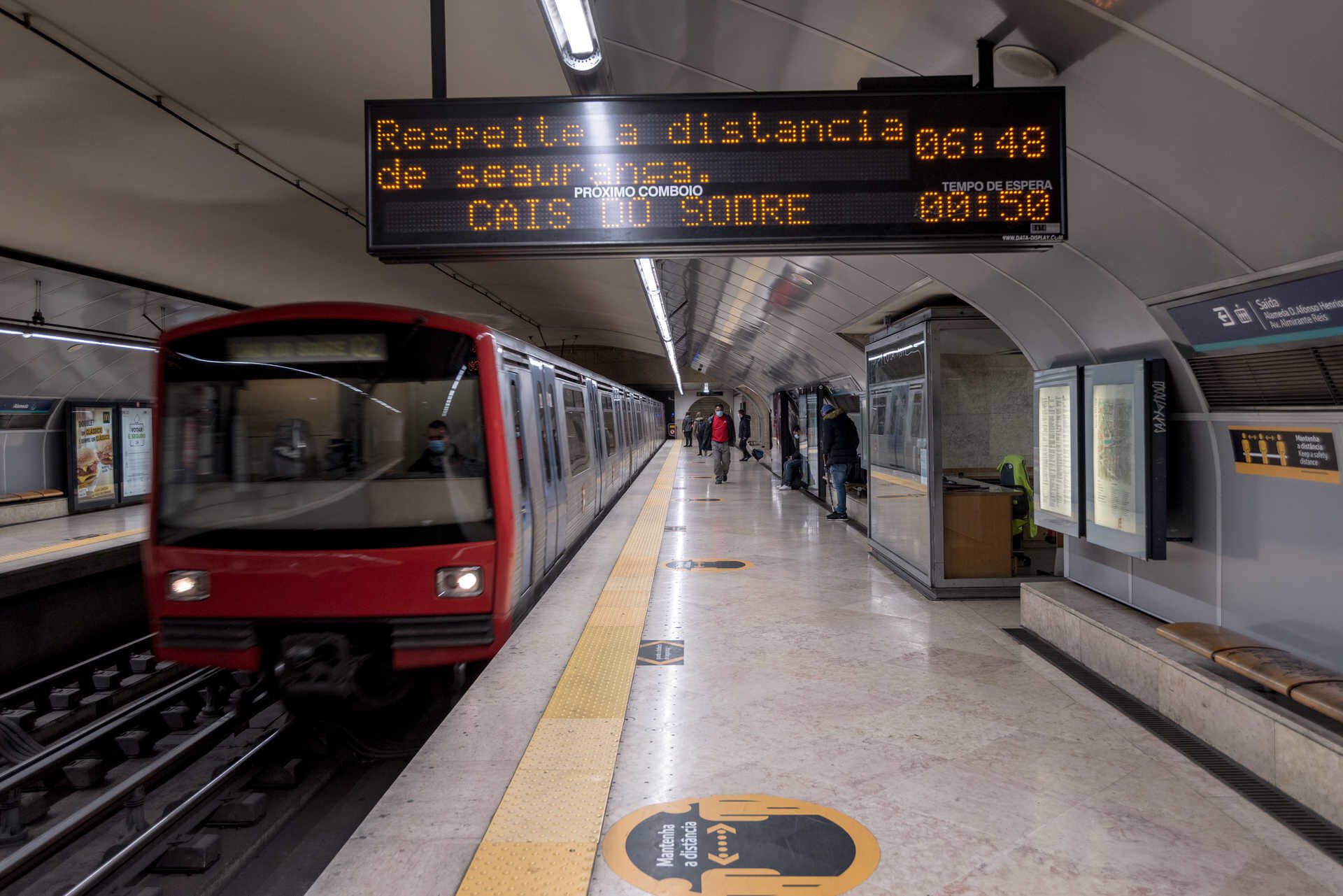
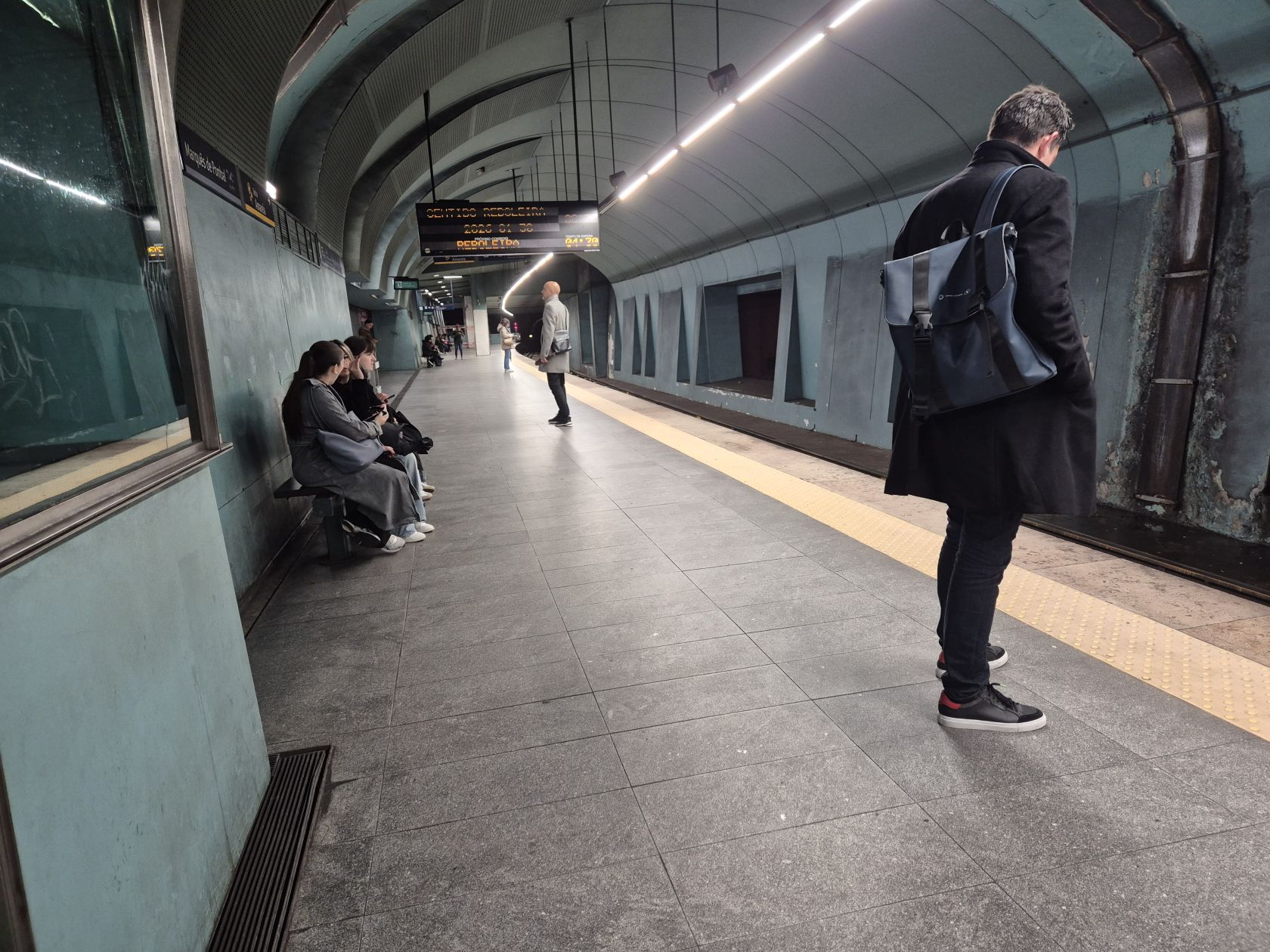
The environmental association Zero argued this Friday for the daily opening of the Lisbon Metro to be brought forward to 05:30, alongside increased service frequency and improvements to transport hubs and stations, in response to the escalating rise in fuel prices. The recommendations come in a context marked by the escalation of the conflict in the Middle East and the subsequent...
The environmental association Zero has called for the Lisbon Metro to open earlier at 05:30, alongside increased service frequency and station improvements, to provide a viable alternative to private cars amid soaring fuel costs. The association argues that the current 06:30 opening time fails to serve essential workers starting early shifts and highlights operational inefficiencies on the Yellow Line, particularly between Campo Grande and Odivelas. Zero acknowledges staffing and infrastructure constraints but insists that management must re-evaluate priorities to ensure a reliable public transport service.
In a context of rising fuel prices, the environmental association lists Metro problems that it attributes to “management choices” and not just a lack of train drivers or rolling stock.
The recommendations come at a time when the escalation of the conflict in the Middle East is reflected in the extraordinary increase in oil product prices.
Environmentalists state that the 6:30 AM opening time primarily disadvantages workers in healthcare, cleaning, logistics, and hospitality. They also point out that in most European cities, the metro begins service earlier.
Home News Calls for Lisbon Metro to operate earlier Calls for Lisbon Metro to operate earlier The environmental association Zero called for the Lisbon Metro to begin daily operations at 5:30 am, increase service, and improve transfers and stations, in light of the sharp rise in fuel prices.
PRESS REVIEW || The goal is to reduce traffic pressure and congestion in bus lanes, where Carris vehicles have been experiencing slower circulation speeds.
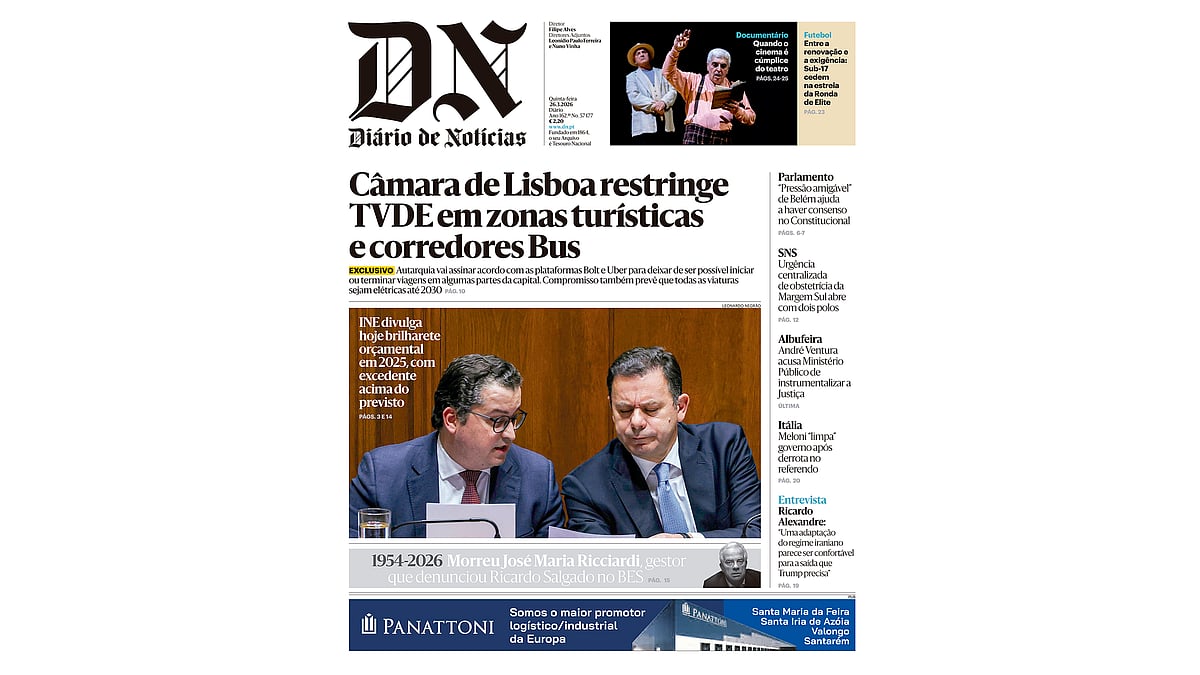
A DN exclusive on traffic changes in the capital makes the front page: Lisbon City Council restricts ride-hailing services in tourist areas and bus lanes. The municipality will sign an agreement with platforms Bolt and Uber to prohibit starting or ending trips in certain parts of the capital. The commitment also stipulates that all vehicles must be electric by 2030. In the main photo: The National Statistics Institute (INE) releases a strong budgetary performance for 2025 this Thursday, with a surplus higher than expected. Also highlighted: José Maria Ricciardi, the manager who denounced Ricardo Salgado at BES, has died. Download the electronic edition of the newspaper at the link below.
Lisbon City Council is set to sign an agreement with Bolt and Uber to create 'red zones' where ride-hailing vehicles cannot pick up or drop off passengers, and 'blue zones' that will function like taxi ranks. The deal also mandates the full electrification of the ride-hailing fleet in the capital by 2030. Mayor Carlos Moedas stated that the measures aim to improve traffic flow, protect historic areas, and ensure better coexistence between different road users, while also addressing the congestion caused by ride-hailing vehicles in bus lanes.
A French company has developed a system of electric boats and bicycles to replace lorries in city centres. ULS debuted in Strasbourg, is set to start in Paris, and aims to operate in Lisbon.
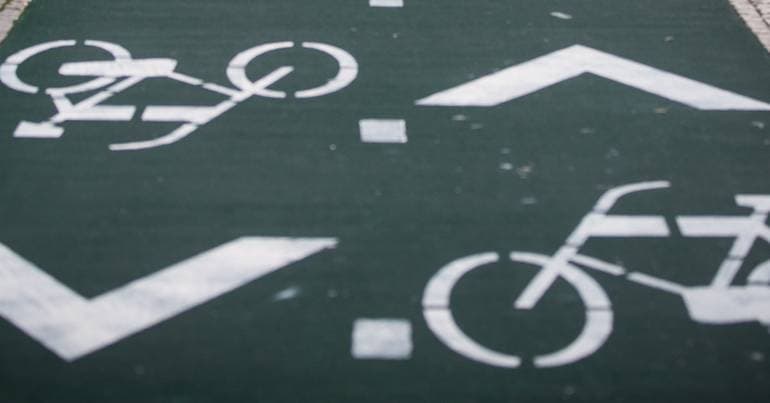
Moedas announced a package of cycle paths in Lisbon while on a bicycle, frustrating the opposition who voted against it: “It is unbelievable.” And Suzana Garcia explains what racism is.
Portugal is investing €95 million, funded by the European NextGenerationEU program, to modernize the signaling system on its Northern Line, which connects Lisbon and Porto. This upgrade aims to digitize traffic control, enhance cybersecurity, and prepare the line for high-speed rail service, including the future Lisbon–Porto high-speed line expected to be operational by 2032. The project is part of Portugal’s broader efforts to improve rail safety, efficiency, and sustainability, supporting the country’s green and digital transition. Key stations such as Campolide, Oriente, Alverca do Ribatejo, and Azambuja are included in the modernization plan.