Chega admits it may support the PSU if the PSD accepts changes
Ventura says the current PSU proposal is a fraud against the Portuguese people's goals of moralising subsidies.
Latest news and stories about expat rights in immigration in Lisbon, Lisboa, Portugal for expats and residents.
Ventura says the current PSU proposal is a fraud against the Portuguese people's goals of moralising subsidies.
The number of new lawsuits challenging expulsion orders, voluntary departure requests, and residence permit denials reached its highest level in Lisbon this April since at least January 2025. Data from the Superior Council of Administrative and Tax Courts (Conselho Superior dos Tribunais Administrativos e Fiscais or CSTAF) indicates a growing trend in legal disputes involving the Agency for Integration, Migration and Asylum (Agência para a Integração, Migrações e Asilo or AIMA).
Update: Record number of legal challenges filed in Lisbon
Administrative courts recorded 496 new cases in April alone, bringing the total number of pending residency-related disputes to 2,271. This surge follows a review process by AIMA that resulted in a high volume of permit rejections, prompting the establishment of a judicial task force to address the growing backlog.
Temporary residence is a limited residence permit that allows non‑EU nationals to live in Portugal for a set period (commonly one year, renewable) for study, work or other reasons. The Agência para a Integração, Migrações e Asilo (AIMA) launching an online form means eligible students who also work can apply or regularise their status more easily through AIMA’s process rather than only via consular services.
The CSTAF (Conselho Superior dos Tribunais Administrativos e Fiscais) is the governing body responsible for the management and discipline of judges within Portugal's administrative and tax courts. It ensures the independence and proper functioning of these specialized courts, which handle disputes between citizens and the state or tax authorities.
Minister of the Presidency António Leitão Amaro confirmed that the national immigrant integration plan is still being drafted. The announcement follows public criticism from immigrant advocates regarding the performance of the Agency for Integration, Migration and Asylum (Agência para a Integração, Migrações e Asilo or AIMA).
Temporary residence is a limited residence permit that allows non‑EU nationals to live in Portugal for a set period (commonly one year, renewable) for study, work or other reasons. The Agência para a Integração, Migrações e Asilo (AIMA) launching an online form means eligible students who also work can apply or regularise their status more easily through AIMA’s process rather than only via consular services.

Portugal's updated nationality law has officially increased residency requirements for citizenship, extending the threshold from five to seven years for nationals of the Community of Portuguese Language Countries (Comunidade dos Países de Língua Portuguesa or CPLP). Immigrant associations have met with the Presidency to voice concerns regarding bureaucracy at the Agency for Integration, Migration and Asylum (Agência para a Integração, Migrações e Asilo or AIMA) and the impact of these legislative changes.
The Community of Portuguese Language Countries (Comunidade dos Países de Língua Portuguesa or CPLP) is an intergovernmental organization of nine nations where Portuguese is an official language. It facilitates political, diplomatic, and cultural cooperation between member states, including Portugal, Brazil, Angola, and Mozambique.
Temporary residence is a limited residence permit that allows non‑EU nationals to live in Portugal for a set period (commonly one year, renewable) for study, work or other reasons. The Agência para a Integração, Migrações e Asilo (AIMA) launching an online form means eligible students who also work can apply or regularise their status more easily through AIMA’s process rather than only via consular services.
Minister of the Presidency António Leitão Amaro announced that the Agency for Integration, Migration and Asylum (AIMA) has approved processes for approximately 385,000 immigrants. The minister stated that 458,989 residence cards have been issued to date, aiming to resolve long-standing administrative delays. Meanwhile, the government is also debating a new return law in the Assembly of the Republic to accelerate the removal of foreign nationals in irregular situations.
Temporary residence is a limited residence permit that allows non‑EU nationals to live in Portugal for a set period (commonly one year, renewable) for study, work or other reasons. The Agência para a Integração, Migrações e Asilo (AIMA) launching an online form means eligible students who also work can apply or regularise their status more easily through AIMA’s process rather than only via consular services.
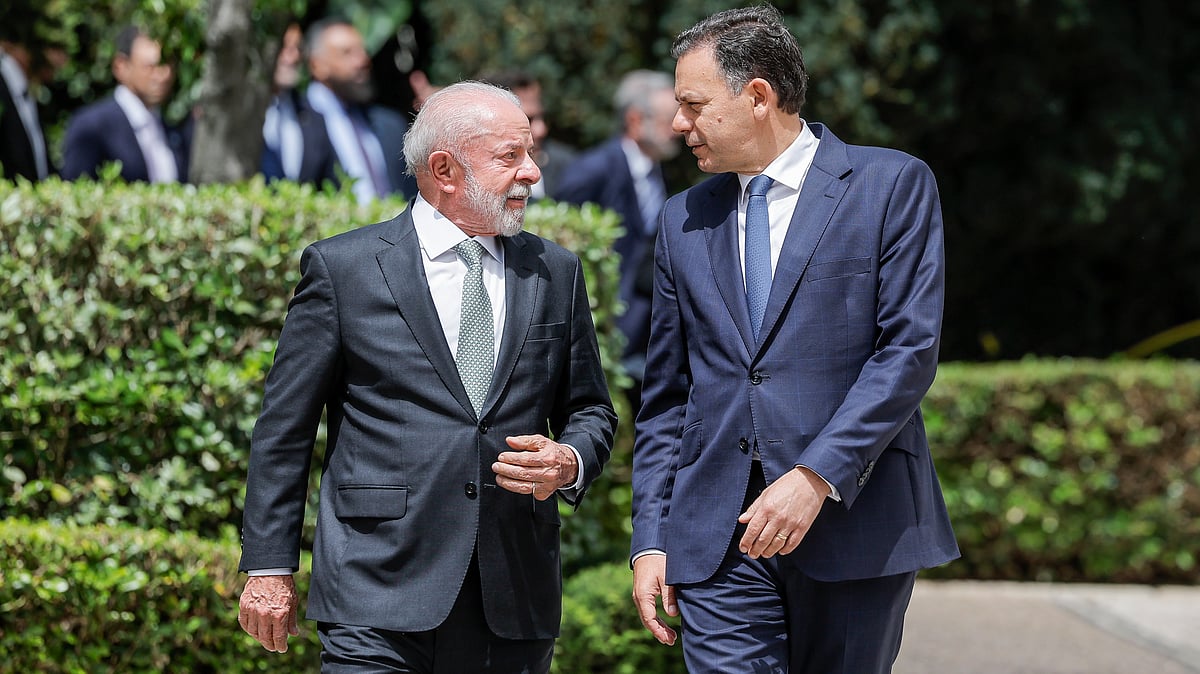
Brazilian President Luiz Inacio Lula da Silva concluded his visit to Portugal this Tuesday, meeting with Prime Minister Luís Montenegro and President of the Republic António José Seguro. While the visit focused on strengthening bilateral ties and trade, Lula did not address specific changes to Portuguese immigration and nationality laws, disappointing some members of the Brazilian community. Montenegro highlighted that Portugal has regularized over 235,000 Brazilian immigrant applications in the last two years.
Luiz Inácio Lula da Silva is the current President of Brazil, serving his third term since January 2023. A prominent figure in Brazilian politics, he previously served as president from 2003 to 2010 and is a founding member of the Workers' Party (Partido dos Trabalhadores).

Luís Filipe Montenegro Cardoso de Morais Esteves (born February 16, 1973, in Porto) is a Portuguese lawyer and center‑right politician who has served as Prime Minister of Portugal since April 2, 2024. A long‑time member of the Social Democratic Party (PSD), he is the leading figure of the post‑Troika generation of Portuguese conservatives. Montenegro was elected to the Assembly of the Republic in 2002 for the Aveiro district and remained an MP for 16 years, becoming PSD parliamentary leader from 2011 to 2017 during the bailout and austerity period under Prime Minister Pedro Passos Coelho. He was a prominent defender of strict austerity measures, arguing in 2014 that “the life of the people is no better, but the life of the country is a lot better,” a phrase that has followed his public image since. After an unsuccessful leadership bid against Rui Rio in 2020, Montenegro won the PSD leadership in 2022. He then forged the centre‑right Democratic Alliance (PSD–CDS‑PP and allies), which won a plurality of seats in the 2024 legislative election. Refusing to partner with the far‑right Chega, which he has called “often xenophobic, racist, populist and excessively demagogic,” he formed a minority government as head of the XXIV Constitutional Government on April 2, 2024. His first government fell in March 2025 after a no‑confidence vote linked to a conflict‑of‑interest affair, but fresh elections saw the Democratic Alliance increase its seat share, allowing Montenegro to return as prime minister leading the XXV Constitutional Government. His importance to Portugal lies in attempting to re‑center the traditional centre‑right after the crisis years, defending liberal‑conservative economics and EU alignment while drawing a sharp line against formal cooperation with the radical right, thus shaping how Portuguese democracy manages its new multi‑party era.
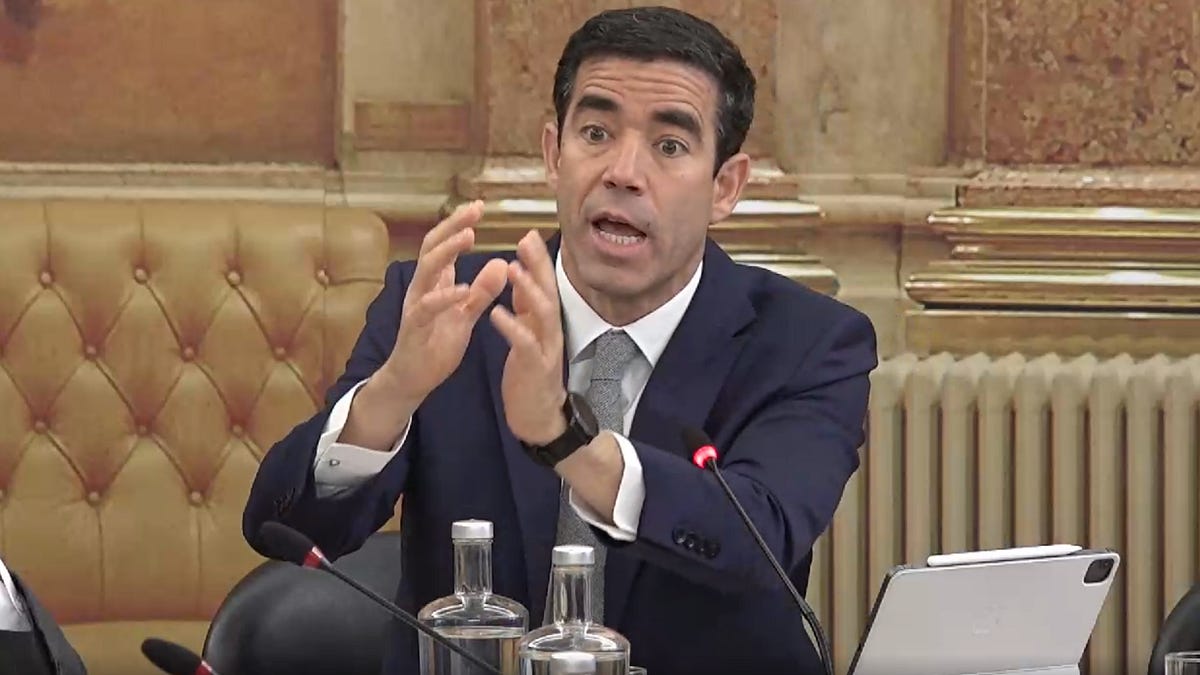
The Agency for Integration, Migration and Asylum (Agência para a Integração, Migrações e Asilo or AIMA) has reopened its online portal for family reunification requests. The service is now available to citizens of the Community of Portuguese Language Countries (Comunidade dos Países de Língua Portuguesa or CPLP) seeking to bring minor children to Portugal. This development occurs ahead of the visit by Brazilian President Luiz Inácio Lula da Silva, who is expected to discuss immigration policy with Prime Minister Luís Montenegro.
Temporary residence is a limited residence permit that allows non‑EU nationals to live in Portugal for a set period (commonly one year, renewable) for study, work or other reasons. The Agência para a Integração, Migrações e Asilo (AIMA) launching an online form means eligible students who also work can apply or regularise their status more easily through AIMA’s process rather than only via consular services.
Luiz Inácio Lula da Silva is the current President of Brazil, serving his third term since January 2023. A prominent figure in Brazilian politics, he previously served as president from 2003 to 2010 and is a founding member of the Workers' Party (Partido dos Trabalhadores).
Luís Filipe Montenegro Cardoso de Morais Esteves (born February 16, 1973, in Porto) is a Portuguese lawyer and center‑right politician who has served as Prime Minister of Portugal since April 2, 2024. A long‑time member of the Social Democratic Party (PSD), he is the leading figure of the post‑Troika generation of Portuguese conservatives. Montenegro was elected to the Assembly of the Republic in 2002 for the Aveiro district and remained an MP for 16 years, becoming PSD parliamentary leader from 2011 to 2017 during the bailout and austerity period under Prime Minister Pedro Passos Coelho. He was a prominent defender of strict austerity measures, arguing in 2014 that “the life of the people is no better, but the life of the country is a lot better,” a phrase that has followed his public image since. After an unsuccessful leadership bid against Rui Rio in 2020, Montenegro won the PSD leadership in 2022. He then forged the centre‑right Democratic Alliance (PSD–CDS‑PP and allies), which won a plurality of seats in the 2024 legislative election. Refusing to partner with the far‑right Chega, which he has called “often xenophobic, racist, populist and excessively demagogic,” he formed a minority government as head of the XXIV Constitutional Government on April 2, 2024. His first government fell in March 2025 after a no‑confidence vote linked to a conflict‑of‑interest affair, but fresh elections saw the Democratic Alliance increase its seat share, allowing Montenegro to return as prime minister leading the XXV Constitutional Government. His importance to Portugal lies in attempting to re‑center the traditional centre‑right after the crisis years, defending liberal‑conservative economics and EU alignment while drawing a sharp line against formal cooperation with the radical right, thus shaping how Portuguese democracy manages its new multi‑party era.

Hundreds of immigrants, primarily from Nepal, have filed complaints with the Judicial Police (Polícia Judiciária or PJ) regarding forged criminal record certificates (Certificado de Registo Criminal). The Nepalese embassy estimates at least 2,000 victims were scammed by companies promising legal documents for residency applications. Visa holders should note that AIMA has already identified nearly 3,000 applications with fraudulent stamps, which could lead to expulsion.

The PJ (Polícia Judiciária) is Portugal's national criminal investigation police agency, founded in 1945. Operating under the Ministry of Justice and supervised by the Public Ministry (prosecutors), the PJ is a "higher criminal police body" specializing in serious and complex crimes. Mission: The PJ assists judicial and prosecuting authorities by investigating terrorism, organized crime, homicide, kidnapping, drug trafficking, corruption, cybercrime, financial crime, and money laundering. It conducts forensic examinations, operates Portugal's Interpol and Europol liaison offices, and maintains specialized units including the National Counterterrorism Unit and National Anti-Corruption Unit. Difference from PSP/GNR: While PSP (civilian urban police) and GNR (military rural police) focus on preventive policing, public order, and investigating minor crimes, the PJ exclusively handles serious crime investigation requiring specialized technical and scientific expertise. PSP and GNR report to the Ministry of Internal Affairs; PJ reports to the Ministry of Justice. PJ officers receive higher pay and prestige but face greater operational risk.

The SOS Racismo movement has condemned the Chega party for displaying “anti-immigration propaganda” at the Futurália education fair in Lisbon. The party's stand, visited by leader André Ventura, featured posters comparing Portugal to Bangladesh and referencing the “Great Replacement” theory. Those attending the fair should note that the movement has called on the Ministry of Education to clarify the rules for political participation in events aimed at young people.

Chega ("Enough") is a Portuguese far-right populist party founded in 2019 by André Ventura. It positions itself as an anti-establishment movement against what it calls a "rotten and corrupt system" of PS-PSD dominance. The party surged from 1.3% in 2019 to 22.8% in May 2025, becoming parliament's second-largest force with 60 seats. Chega's core platform emphasizes strict immigration control—ending automatic CPLP residency, deporting non-independent immigrants, implementing job-market quotas, and requiring five-year social security contributions before benefit access. It advocates radical constitutional reform, including reducing parliament to 100 members, abolishing the prime minister position for a presidential system, and dismantling public healthcare. Law-and-order policies include life imprisonment and chemical castration proposals.
The party is defined by inflammatory anti-Romani rhetoric, with Ventura convicted multiple times for discrimination. Chega maintains international alignments with European far-right figures including Marine Le Pen, Santiago Abascal, and Matteo Salvini. Mainstream Portuguese parties, including Prime Minister Luís Montenegro's government, have imposed a cordon sanitaire, refusing coalition with Chega despite its parliamentary strength.

André Ventura, born January 15, 1983, is a lawyer, academic, and Portugal's most prominent far-right leader. He founded Chega ("Enough") in 2019 after his PSD mayoral campaign attacked the Romani community. Chega surged from 1.3% in 2019 to 22.8% in May 2025, becoming parliament's second-largest party and making Ventura Leader of the Opposition.
His platform emphasizes immigration restrictions, law-and-order policies, constitutional reform, and contains inflammatory anti-Romani rhetoric that has triggered multiple discrimination convictions and investigations. Politically classified as far-right by international media, Ventura cultivates alliances with European far-right figures including Marine Le Pen and Santiago Abascal.