Latest news and stories about public safety in government in Lisbon, Lisbon, Portugal for expats and residents.
The Public Prosecutor's indictment is 122 pages long and describes the assaults in detail.

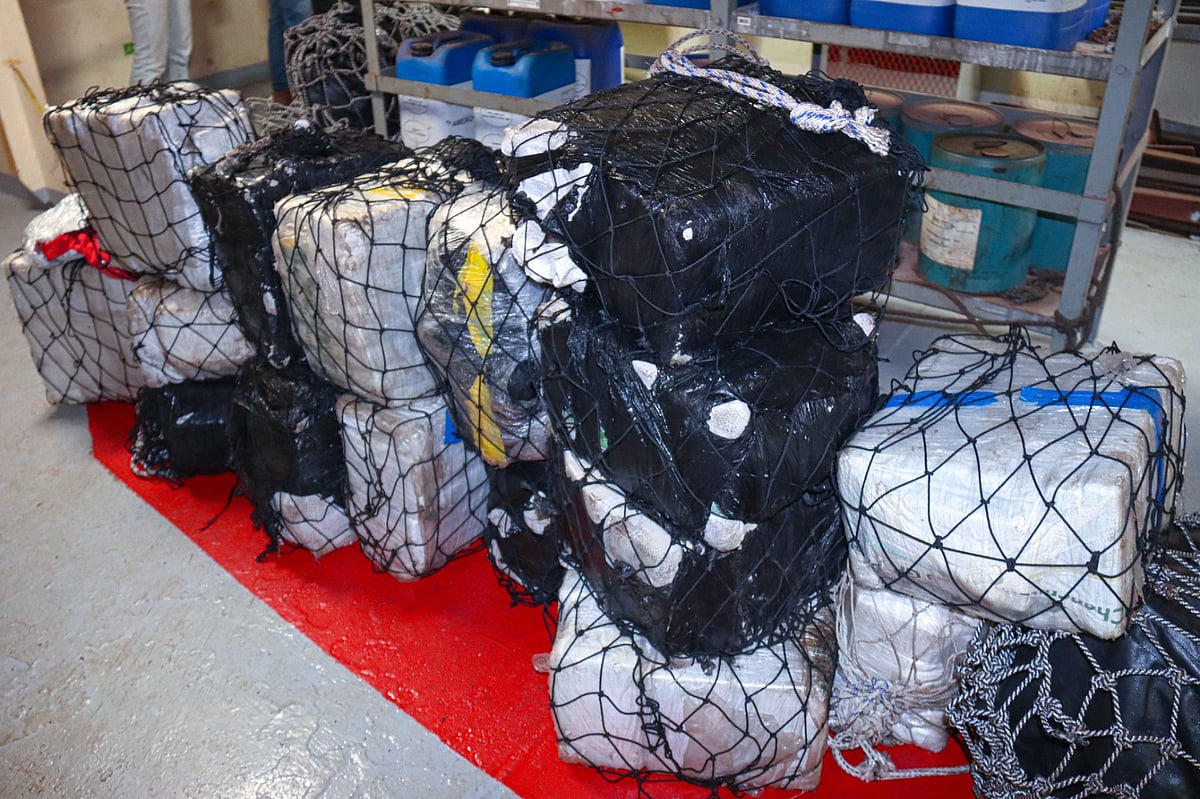
Part of the seized drug was being carried inside the detainee's body, the PJ (Polícia Judiciária) reported.

Given the foetus's size and degree of development, health professionals believe the pregnancy was at least around 30 weeks.

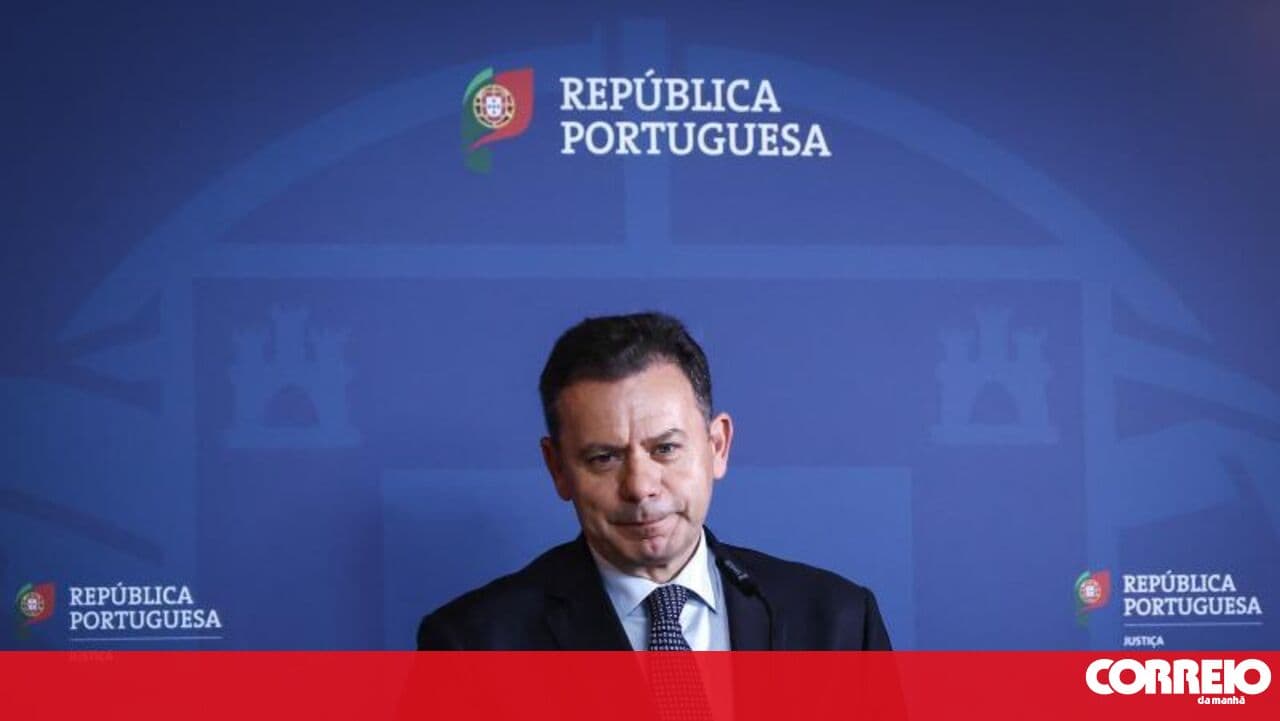
The Lisbon Court of Appeal (TRL) upheld the lower-court decision that fined a young environmental activist €1,600 after he struck Prime Minister Luís Montenegro with green paint during a protest.
Recordings from the surveillance cameras will be used as evidence in the trial against the former MP.
Casa Pia, from the Portuguese first division, is accused by the Public Prosecutor's Office of having received more than one million euros from the Russian club FC Akhmat and of concealing the origin of the money to circumvent European Union sanctions. The decree-law that changes the rules for locum doctors in the Service ...

The Ministry of Internal Administration says it deeply regrets these behaviours, as well as any actions that violate the rights, freedoms and guarantees of citizens.

CCTV recordings will be used as evidence in the trial of the former MP.

The indictment by the Public Prosecutor's Office obtained by CNN Portugal describes a repeated pattern of abuse of authority, including assaults inside São José Hospital.

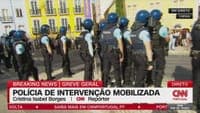
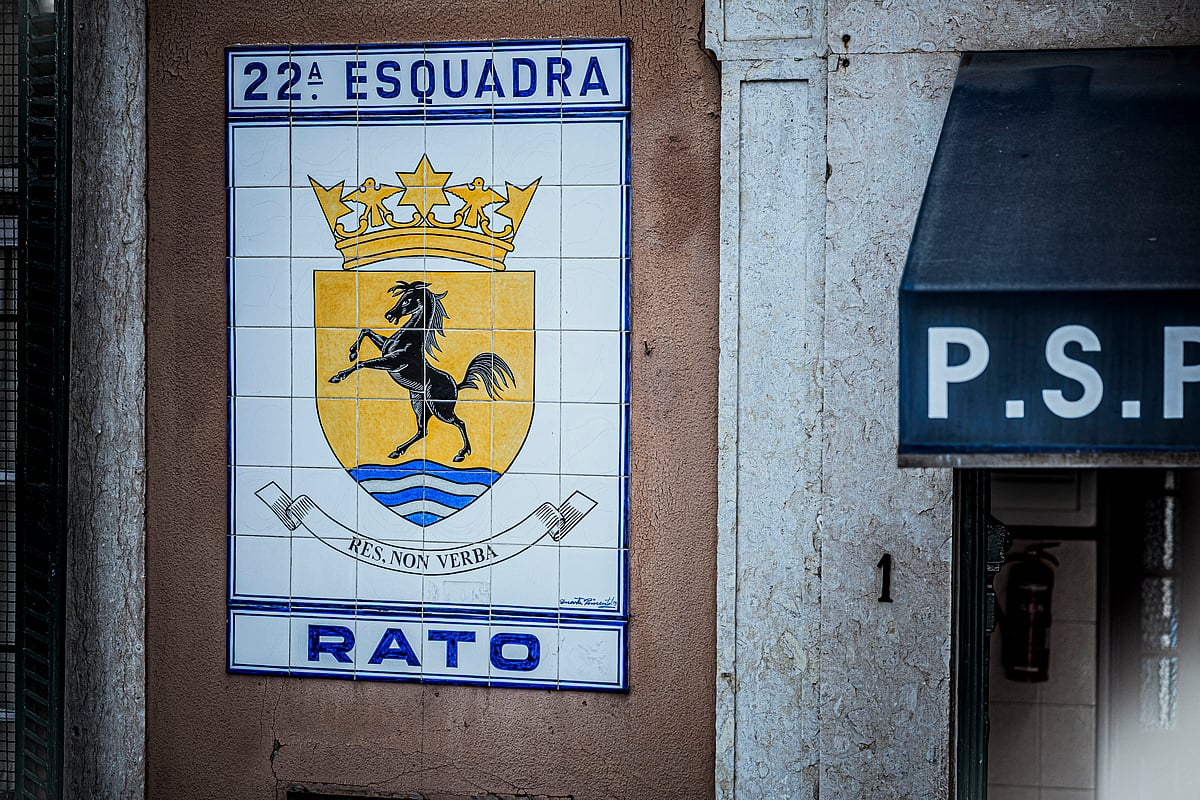
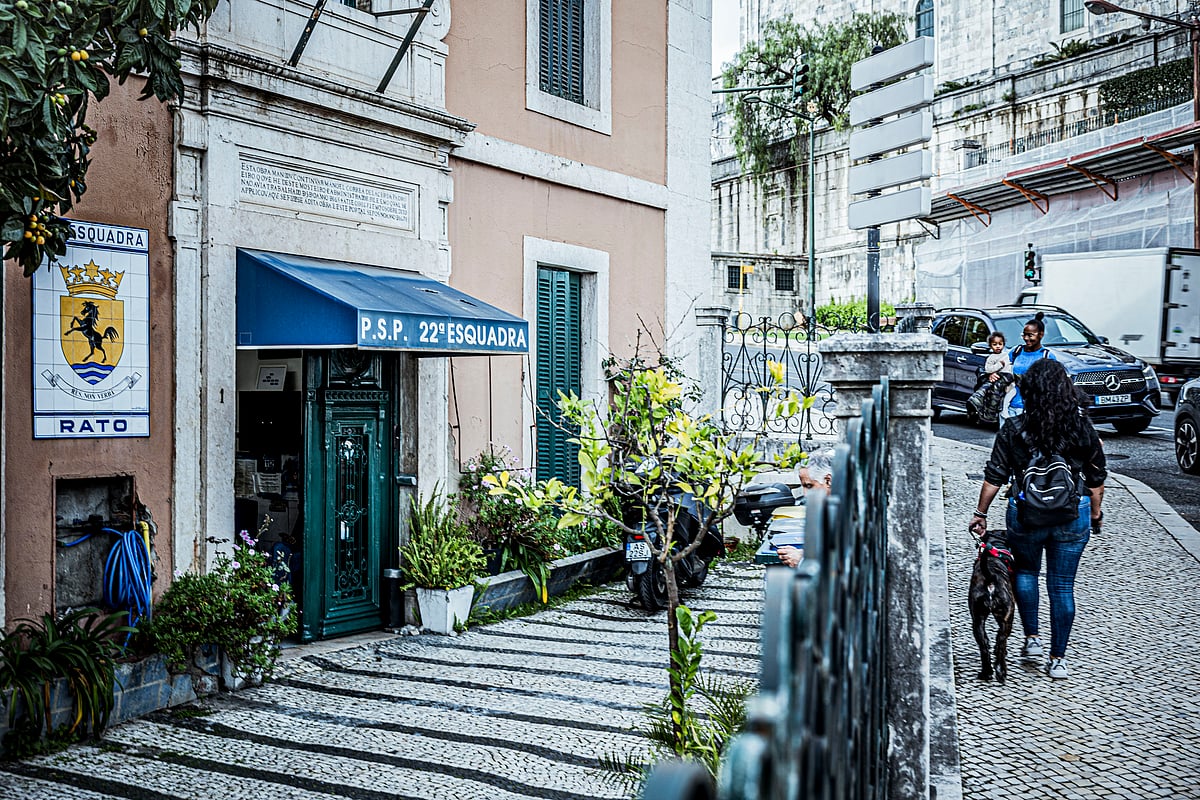
Bloco de Esquerda today requested an urgent parliamentary hearing with the Minister of Internal Administration regarding the case of police violence at the Rato police station in Lisbon.

Suspects caught in Bairro do Armador were detained with drugs and cash.

Authorities continue to carry out inquiries

Reports say two Polícia de Segurança Pública officers, aged 23 and 26, have been accused by the Public Prosecutor’s Office of dozens of crimes including torture and sexual violence allegedly committed in police stations; several others are named as co‑perpetrators. The PSP says it regrets the events and has carried out an internal investigation as the criminal case proceeds. The allegations have raised questions about police conduct and oversight; anyone with concerns about detention or police practice should follow official case developments and rights‑advice channels.
Update: The Public Prosecutor’s Office now says its inquiry suspects more than ten officers were involved in violent assaults at two Lisbon police stations and that the circulation of torture images implicates upwards of 70 officers; two people have been formally named as suspects in connection with the images and assaults.

The PSP (Polícia de Segurança Pública) is Portugal's national civilian police force, founded in 1867. Responsible for defending Republican democracy and safeguarding internal security and citizens' rights, the PSP polices major cities—Lisbon, Porto, Faro—and large urban areas, covering only 4% of Portugal's territory but roughly half the population. Led by a National Director under the Ministry of Internal Affairs, its approximately 21,500 officers handle preventive policing, crime investigation, public order, airport security, diplomatic protection, private security regulation, firearms licensing, and border control (since 2023).
PSP vs. GNR: The PSP is civilian with police-focused training and urban jurisdiction, while the GNR (Guarda Nacional Republicana) is military (gendarmerie) with military training, covering 96% of Portugal's rural and suburban territory. Both share core public safety missions but differ fundamentally in nature, training, and geographic responsibility.
The Public Prosecutor’s Office (Ministério Público) is Portugal’s state prosecution service responsible for investigating crimes, bringing criminal charges and representing the state in court; it is institutionally independent from the police and is led by the Procurador‑Geral da República (Attorney General). In the story it is the body accusing two officers, so residents and those interacting with law enforcement should know that criminal allegations are pursued and prosecuted by this office.

Bloco de Esquerda has asked for an urgent hearing with the Interior Ministry after reports of alleged police violence at the Rato police station; parties are seeking ministerial answers and potential oversight measures. Media coverage highlights political pressure on the Ministério da Administração Interna (MAI) to explain events and any disciplinary steps. Those concerned about policing and civil‑liberties oversight should follow parliamentary developments and local reporting.
The Left Bloc (Left Bloc (Bloco de Esquerda)) is a Portuguese left-wing party founded in 1999 that campaigns for progressive policies such as stronger social welfare, workers’ rights and more public services. Expats who follow Portuguese politics should note the Bloco often influences coalition talks and debates over healthcare, housing and labour regulations.

The Left Bloc achieved its worst result in history in 2025, dropping from 5 seats to just 1. Mariana Mortágua, who led the party from May 2023, resigned in October 2025 after failing to reverse the party's electoral decline. Founded in 1999 as a coalition of far-left parties, BE was once the third-largest force in Portuguese politics and a key partner in the 2015-2019 Geringonça government.

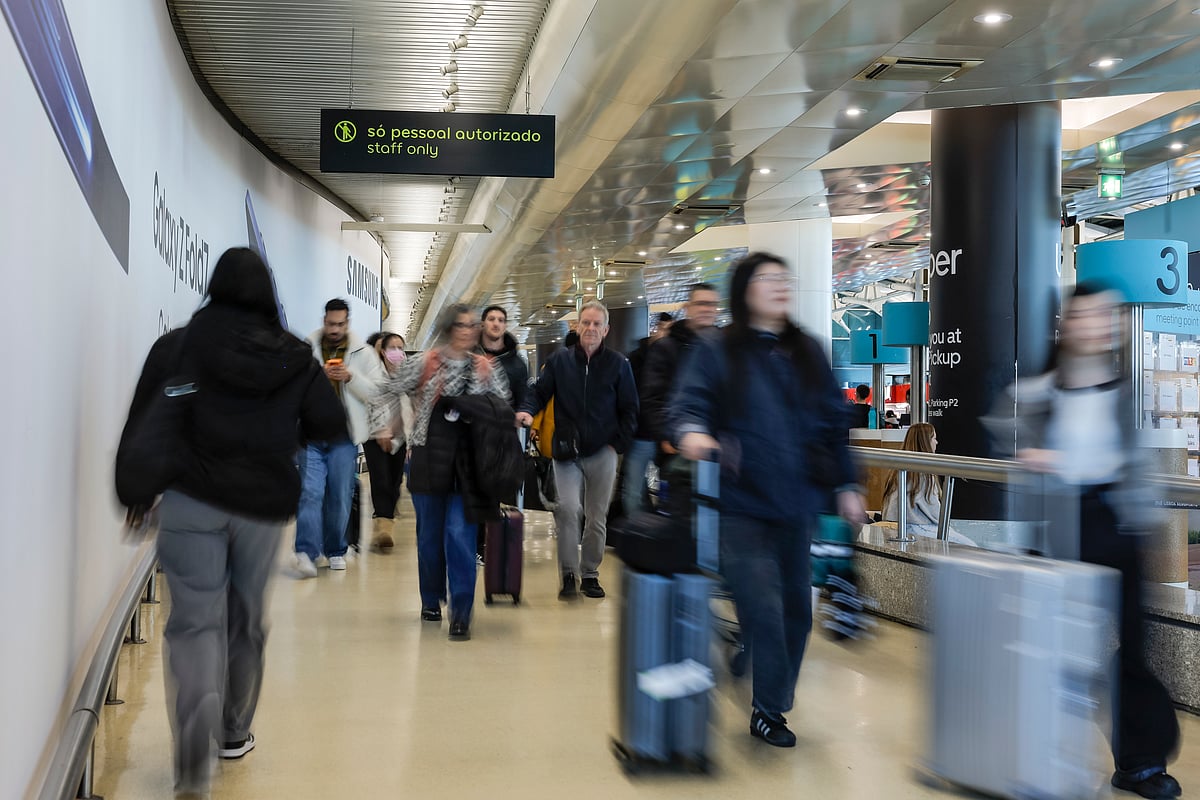
A police union (ASPP/PSP) has scheduled a protest rally at Lisbon Airport on 29 January, warning the day could be disruptive for travellers. The announcement flags the risk of delays or congestion on a date several outlets identify as likely to affect passenger journeys. Those travelling through the capital on or around 29 January should check airline and airport notices and consider alternate dates or extra time for transfers.

The PSP (Polícia de Segurança Pública) is Portugal's national civilian police force, founded in 1867. Responsible for defending Republican democracy and safeguarding internal security and citizens' rights, the PSP polices major cities—Lisbon, Porto, Faro—and large urban areas, covering only 4% of Portugal's territory but roughly half the population. Led by a National Director under the Ministry of Internal Affairs, its approximately 21,500 officers handle preventive policing, crime investigation, public order, airport security, diplomatic protection, private security regulation, firearms licensing, and border control (since 2023).
PSP vs. GNR: The PSP is civilian with police-focused training and urban jurisdiction, while the GNR (Guarda Nacional Republicana) is military (gendarmerie) with military training, covering 96% of Portugal's rural and suburban territory. Both share core public safety missions but differ fundamentally in nature, training, and geographic responsibility.

Portuguese outlets report the Public Security Police (PSP) screened more than 11 million passengers at Lisbon airport in 2025, refusing entry to 1,867 people and detaining 263; separate reporting says PSP identifies an average of about 70 suspicious international passengers a day. Coverage combines national totals with daily operational figures and highlights intensified checks on arrivals. Travelers should note increased security controls may mean longer queues and documentary checks at Lisbon airport — carry ID and travel papers and allow extra time for arrivals and departures.

The PSP (Polícia de Segurança Pública) is Portugal's national civilian police force, founded in 1867. Responsible for defending Republican democracy and safeguarding internal security and citizens' rights, the PSP polices major cities—Lisbon, Porto, Faro—and large urban areas, covering only 4% of Portugal's territory but roughly half the population. Led by a National Director under the Ministry of Internal Affairs, its approximately 21,500 officers handle preventive policing, crime investigation, public order, airport security, diplomatic protection, private security regulation, firearms licensing, and border control (since 2023).
PSP vs. GNR: The PSP is civilian with police-focused training and urban jurisdiction, while the GNR (Guarda Nacional Republicana) is military (gendarmerie) with military training, covering 96% of Portugal's rural and suburban territory. Both share core public safety missions but differ fundamentally in nature, training, and geographic responsibility.

Lisbon's municipal authority has proposed banning alcohol consumption in public streets from 11pm, with proposed fines of up to €3,000 that could also be applied to establishments. Framed as a measure to reduce nuisance and improve public safety, the proposal raises questions about enforceability, proportionality and the potential economic impact on nightlife and hospitality. Separately, Le Monde reports Emmanuel Macron accusing Donald Trump of 'breaking with international rules', underscoring a parallel debate about norms and accountability on the international stage.

The PSP (Public Security Police) have identified around 30 people after shots were fired with prohibited weapons in Lisbon. A targeted operation — involving Rapid Intervention Teams and Traffic Division units — ran from 22:00 Friday to 02:00 Saturday; no incidents were recorded and no arrests were made. Enquiries and investigations remain ongoing as police follow up on those linked to the discharges.

At 18:00, the Chega party lodged a formal complaint reporting incidents of shots fired using prohibited weapons in Lisbon.

An IPMA yellow warning is in force this Friday for eight districts — Guarda, Castelo Branco, Coimbra, Leiria, Lisbon, Setúbal, Beja and Faro — calling for increased public caution due to adverse conditions that could affect travel, outdoor activities and local services. At the same time eight presidential candidates will convene in Lisbon for a radio debate, an event whose logistics and audience turnout may be influenced by the weather alert; organisers and the public are advised to monitor forecasts and prioritise safety while ensuring the debate proceeds with contingency plans for any disruptions. The overlap of a national weather warning and a key campaign event underscores the practical intersection of public safety and electoral logistics.

Reports indicate 24 National Republican Guard (GNR) personnel were assigned to reinforce border checks at Lisbon’s Humberto Delgado Airport to help reduce queues and bolster security. The GNR later clarified the 24 officers will be deployed as reinforcements from next Tuesday; the airport had previously been reinforced by 25 GNR personnel at 19:00 and around 80 PSP officers over the Christmas period.


Portugal Resident •