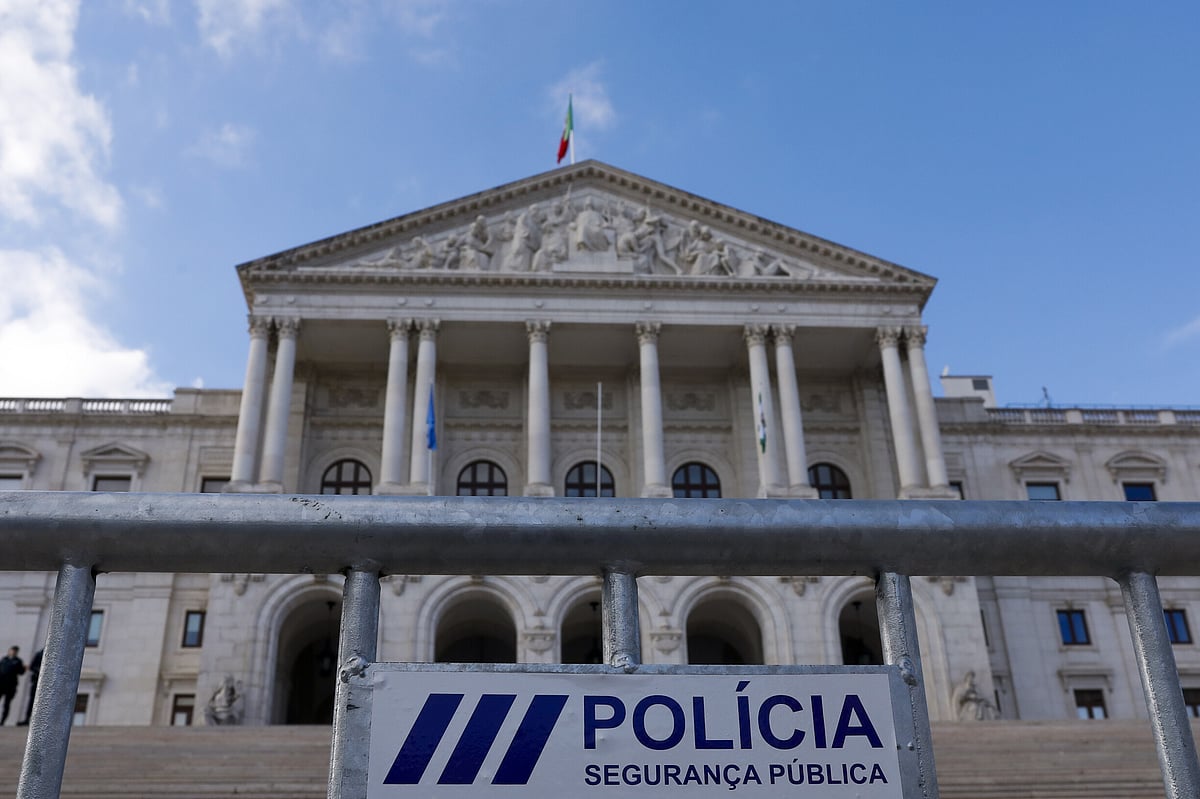
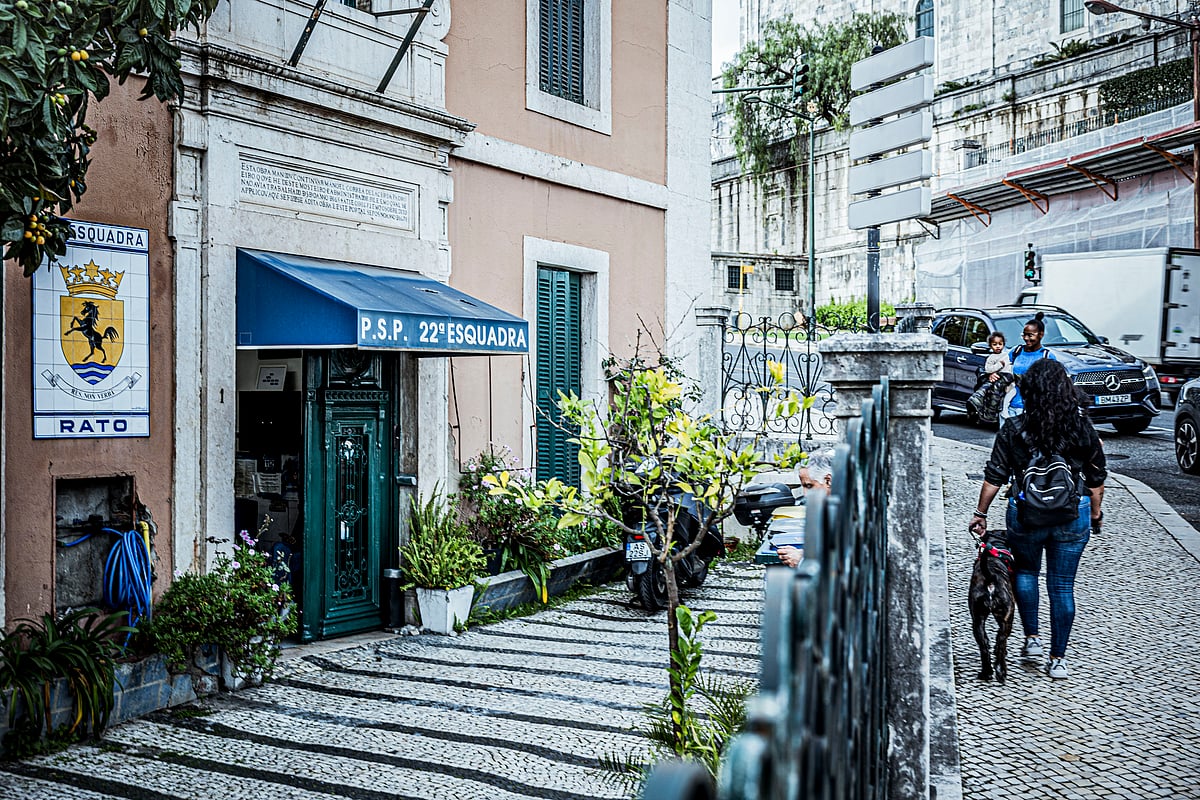
A corpse discovered at Lisbon's DIAP (Department of Investigation and Criminal Action) has prompted scrutiny not only of the investigation but of the role and rhetoric of journalists who present themselves as frontline combatants against crime. The incident raises questions about media ethics, the potential for sensationalism, the impact on public trust in criminal justice institutions, and whether self-styled ‘crime-fighter’ reporting helps or hinders serious investigative work and public safety. Analysts should examine how coverage frames the dead body and the institution, how it influences public perception, and what safeguards are needed to ensure responsible reporting and transparency in ongoing inquiries.
A body at Lisbon's DIAP and the journalists' fight against crime…
Friday, 30 January 2026RSS