Are PS and Chega allies against cycle paths in Lisbon?
Moedas announced a package of cycle paths in Lisbon while on a bicycle, frustrating the opposition who voted against it: “It is unbelievable.” And Suzana Garcia explains what racism is.

Latest news and stories about public transport in infrastructure in Lisboa, Portugal for expats and residents.
Moedas announced a package of cycle paths in Lisbon while on a bicycle, frustrating the opposition who voted against it: “It is unbelievable.” And Suzana Garcia explains what racism is.

Portugal is investing €95 million, funded by the European NextGenerationEU program, to modernize the signaling system on its Northern Line, which connects Lisbon and Porto. This upgrade aims to digitize traffic control, enhance cybersecurity, and prepare the line for high-speed rail service, including the future Lisbon–Porto high-speed line expected to be operational by 2032. The project is part of Portugal’s broader efforts to improve rail safety, efficiency, and sustainability, supporting the country’s green and digital transition. Key stations such as Campolide, Oriente, Alverca do Ribatejo, and Azambuja are included in the modernization plan.

Correio da Manhã reports that this is a consequence of the Constitutional Court rejecting Luís Montenegro's appeal. Also highlighted in Diário de Notícias, Lisbon is among the capitals with the highest public transport prices.

Lisbon is among the capitals with the highest public transport prices relative to income. The front page of DN this Tuesday is dedicated to a comparison: among the capitals of the 27 member states, Lisbon has some of the transport systems that weigh most heavily on travellers' pockets, while Luxembourg leads with total free access. The main photo is dedicated to cinema, noting that the American Oscars had Norwegian and Russian offshoots. There is also a major focus on health: the Western Lisbon Local Health Unit (ULS) requires Portuguese nationality for recruitment competitions, a practice lawyers claim is illegal. The competition for the recruitment reserve of nurses at the Western Lisbon Local Health Unit from February this year presents an illegality in the admission requirements by requesting Portuguese nationality, two labour law experts, Maria Antónia Beleza and Paulo Geraldes, told DN. This is not an isolated case, as there are other competitions where the irregularity persists. The ULS guarantees to DN that it complies with the law. Download the electronic edition of DN at the link below and see the front page in detail.

A comparison of public transport costs across European capitals reveals that while Lisbon's single-ticket prices are comparable to those in cities like Madrid or Paris, they represent a significantly higher financial burden due to Portugal's lower average wages. Lisbon ranks 8th in a normalized index of transport costs relative to income, trailing only behind Eastern European capitals. Despite subsidized monthly passes, low usage rates persist, driven by an inefficient network, long wait times, and a lack of restrictive policies on private car use compared to other major European cities.

A person's sudden illness was the cause of the interruption, which lasted for an hour and a half.

The new phase of the project continues several actions aimed at modernising the infrastructure throughout the Cascais Line.

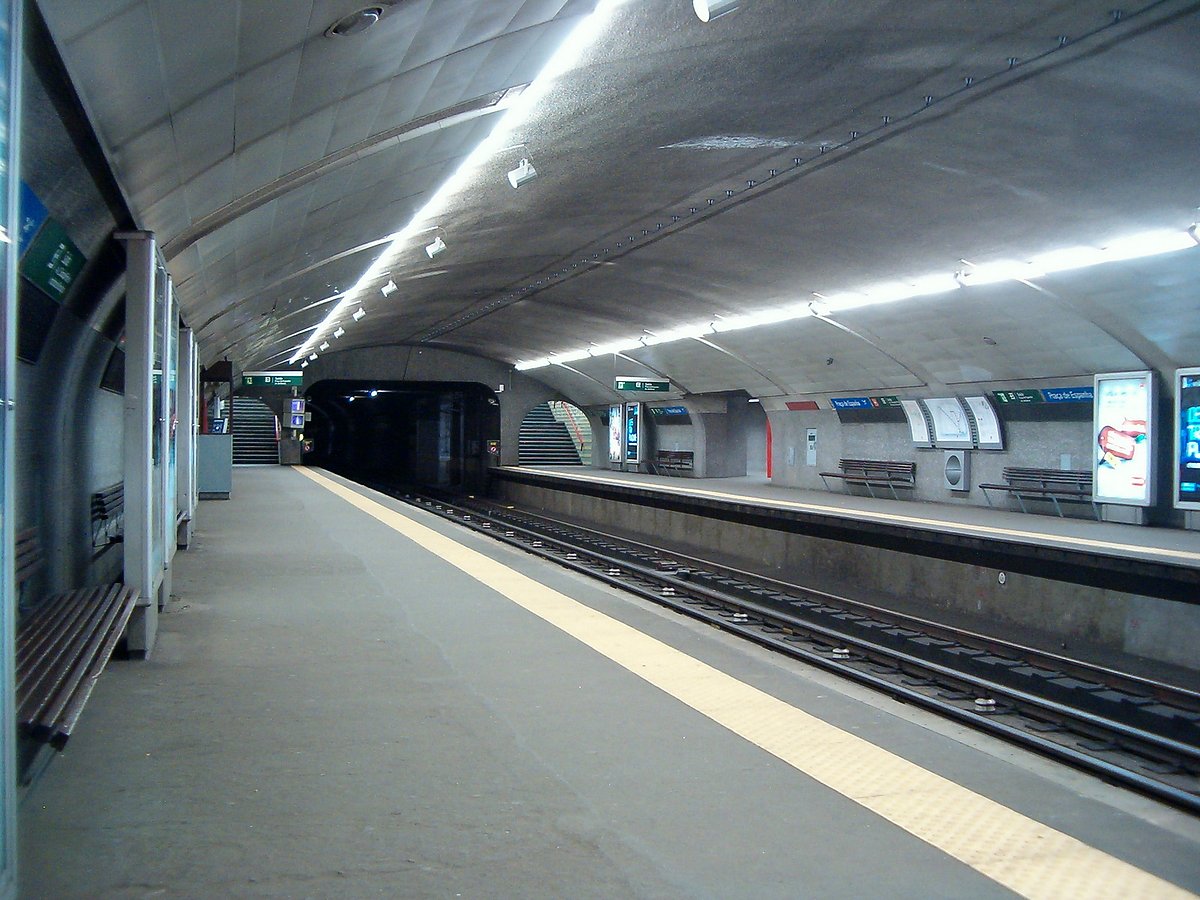
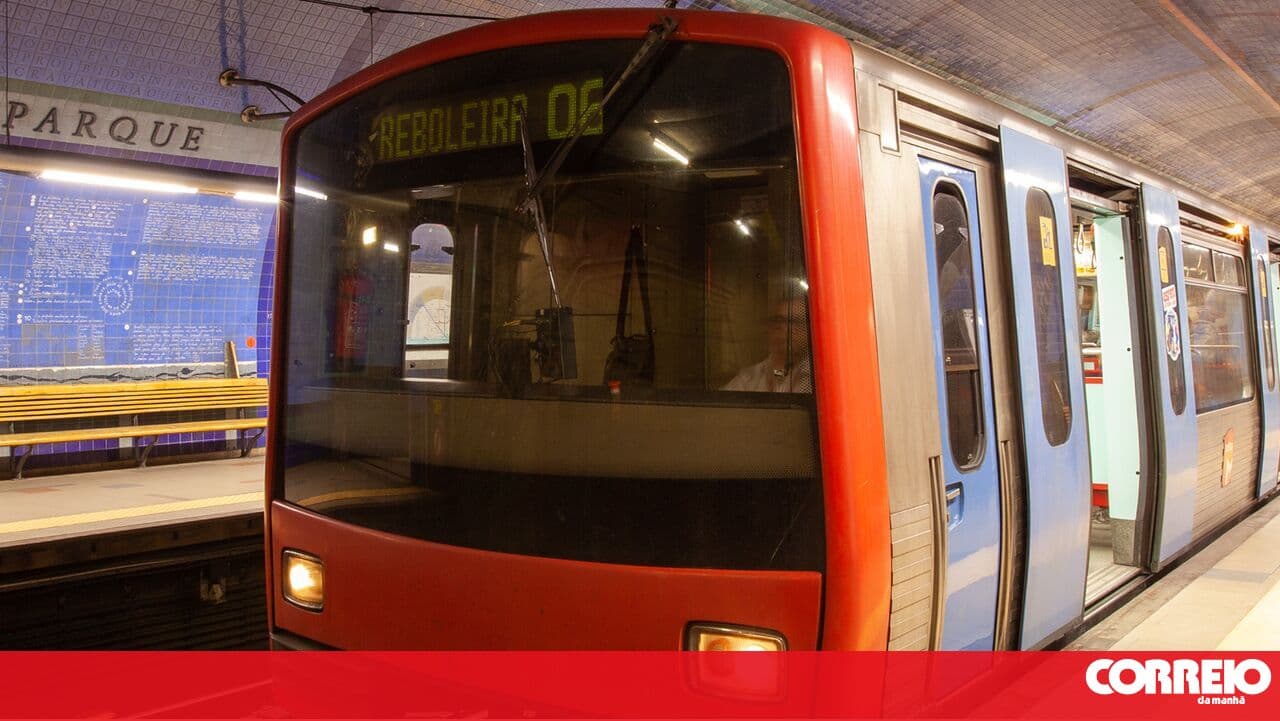
The Lisbon Metro Blue Line is suspended between Laranjeiras and Parque stations. According to the company, the service interruption is due to an 'external cause'. Service is halted at Jardim Zoológico, Praça de Espanha, São Sebastião, and Parque stations. The disruption began at 13:20 and there is no estimated time for normal service to resume. The company stated on X that the duration of the interruption is currently unpredictable and may be prolonged. DN has learned on-site that there are no further details regarding the nature of the 'external cause'.

A road transfer service will be provided during the periods of total closure, according to IP. The project involves extending the line's modernisation works to the Caxias-Cascais section.

Intervention on the Caxias-Cascais section is included in the modernisation work currently underway on that line.

The Cascais railway line will experience service disruptions starting 6 April due to works on the Caxias-Cascais section, part of an ongoing modernisation project, according to Infraestruturas de Portugal (IP). The company stated that the modernisation of the track and overhead lines will extend to the Caxias-Cascais section. The project includes replacing the electrification system, renewing the track, and installing new signalling and speed control systems. Disruptions will occur on weekday nights, Saturday nights, and specific times on Sundays. A road replacement service will be provided during periods of total line closure to mitigate the impact on passengers.

The Cascais railway line will experience traffic disruptions starting April 6 due to work on the Caxias-Cascais section, part of the ongoing modernisation project on that line, Infraestruturas de Portugal (IP) announced today.
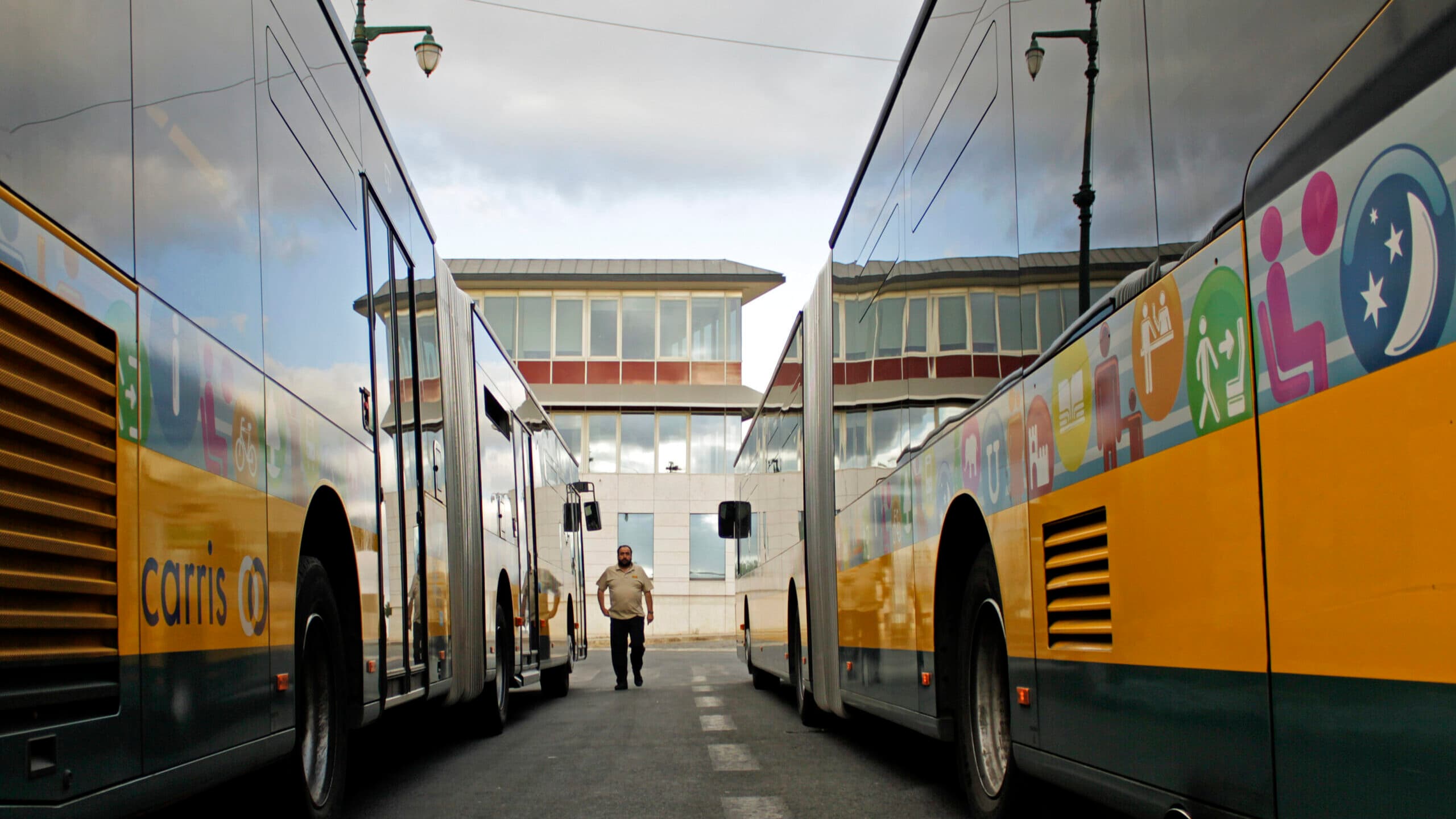
The launch of the Metrobus service has been marred by illegal occupation of its dedicated lanes by soft modes and cars. Despite the right lane being designated for shared use with bicycles and having a speed limit of 30 km/h, this limit is often exceeded, raising concerns about traffic safety and compliance.

The Mission Structure for the Recovery of Affected Areas reports 34,000 applications — including over 25,000 pre‑registrations — for the €10,000 reconstruction support aimed at homes in the Centre and Lisbon and Tagus Valley, with roughly 9,000 formal submissions handled through the two CCDRs. Authorities also note 66,000 insurance activations (around 8,000 for companies), while the Intermunicipal Council of CIM Leiria met to assess the local calamity response. Transport disruptions persist: the A16 has reopened after a short closure caused by a fallen advertising sign, but Infraestruturas de Portugal reports restricted railway circulation on parts of the national network due to recent bad weather. The IPMA forecasts easing rain and improving conditions through the weekend, which may reduce further transport and recovery impediments. The situation highlights strong demand for reconstruction aid, large insurance mobilisation and ongoing infrastructure vulnerability to extreme weather.
The government is set to move forward with CP's international tender for 12 high-speed trains, expected to be finalized this year. The arrival of these trains is projected for 2032, enabling the launch of high-speed service on the Porto-Lisbon route in the same year.

The Lisbon Metro has announced preventive measures in response to forecasted bad weather, which may lead to delays in the opening of the Blue and Green lines on Saturday. These measures include the installation of protective barriers at critical access points and the temporary closure of access to six stations.

Rail services on the Linha do Norte between Castanheira do Ribatejo and Alverca (Vila Franca de Xira, Lisbon) were suspended at about 06:00 due to flooding of the track, CP – Comboios de Portugal confirmed. The suspension affects local commuter links on this section and comes as the declared state of calamity for the area has been extended until 8 February; authorities and the operator are monitoring conditions and assessing restoration timelines.
After Lisbon and Porto urban lines were opened to the possibility of sub‑concession, the mayor of Cascais has proposed that Cascais — together with Oeiras and Lisbon — take over management of the Cascais suburban line and make train journeys within the municipality free for residents, workers and students. The proposal reframes the sub‑concession debate as an opportunity for local control but raises practical questions about funding the revenue shortfall, coordinating services across municipalities, the legal and contractual steps required, and the potential impacts on ridership, local traffic and equity.

Lisbon’s Marquês de Pombal metro station will undergo around four months of maintenance works aimed at improving user conditions and overall upkeep; authorities stress the station will remain open and train services will be uninterrupted. The intervention is presented as routine maintenance with minimal impact on commuters, with operations and timetables maintained throughout the works.

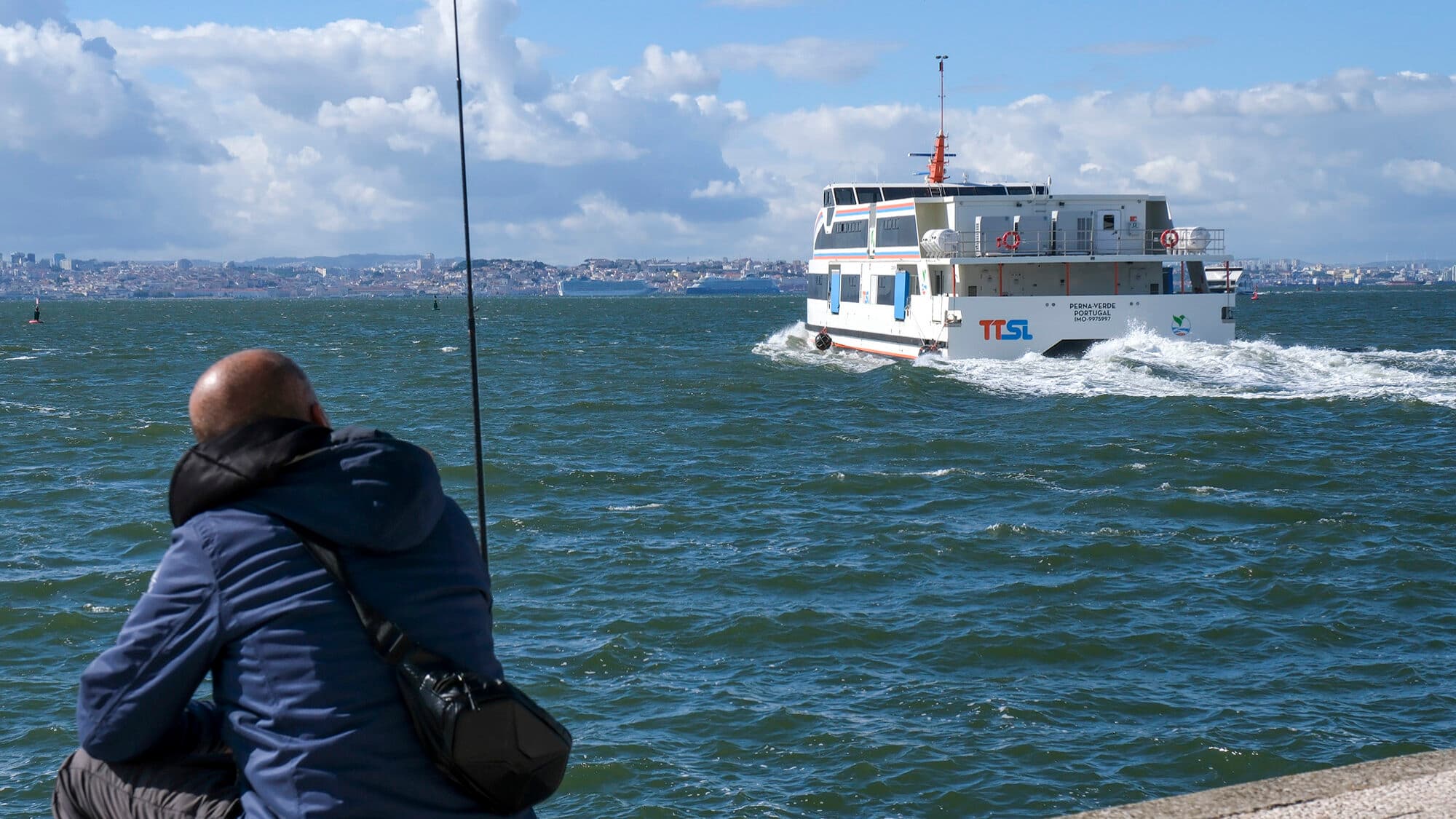
Transtejo has suspended vehicle transport for an indefinite period because of Depression Ingrid and adverse forecasts from the Portuguese Institute for the Sea and Atmosphere (IPMA). Passenger services have been restricted to the Porto Brandão–Belém route and are operating to the timetables in force. The measure is expected to disrupt vehicle crossings and related travel plans; no date for resumption has been announced.

Lisbon Metro has opened three central stations overnight to provide emergency shelter for people experiencing homelessness amid cold weather. Oriente (Red Line), Rossio (Green Line) and Santa Apolónia (Blue Line) will be accessible from Friday through the early hours of Tuesday at least, a period that the city warns may be extended or shortened depending on ongoing weather assessments. The move — driven by concern from Lisbon City Council — uses transport infrastructure as temporary refuge and highlights the need for coordinated short-term protection and wider services for people sleeping rough during extreme conditions.

Infraestruturas de Portugal (IP) and CP have postponed a planned maintenance intervention on the Cascais Line that was due to take place on Sunday, citing adverse weather. As a result, there will be no timetable changes on the section between São Pedro do Estoril and Cascais for that day. The decision prioritises safety and the continuity of services, with the intervention to be rescheduled when conditions allow to minimise disruption to passengers.

Infraestruturas de Portugal (IP) will deliver to the Government “in the coming days” a proposed management model for the three Tagus crossings. If approved, the proposal will move to a concession tender covering the two existing bridges and the planned Third Tagus Crossing (TTT), signalling a move towards outsourced management that could affect tolling, maintenance responsibilities and wider transport policy. Key details on timeline, contract structure and public‑private risk allocation remain to be confirmed.

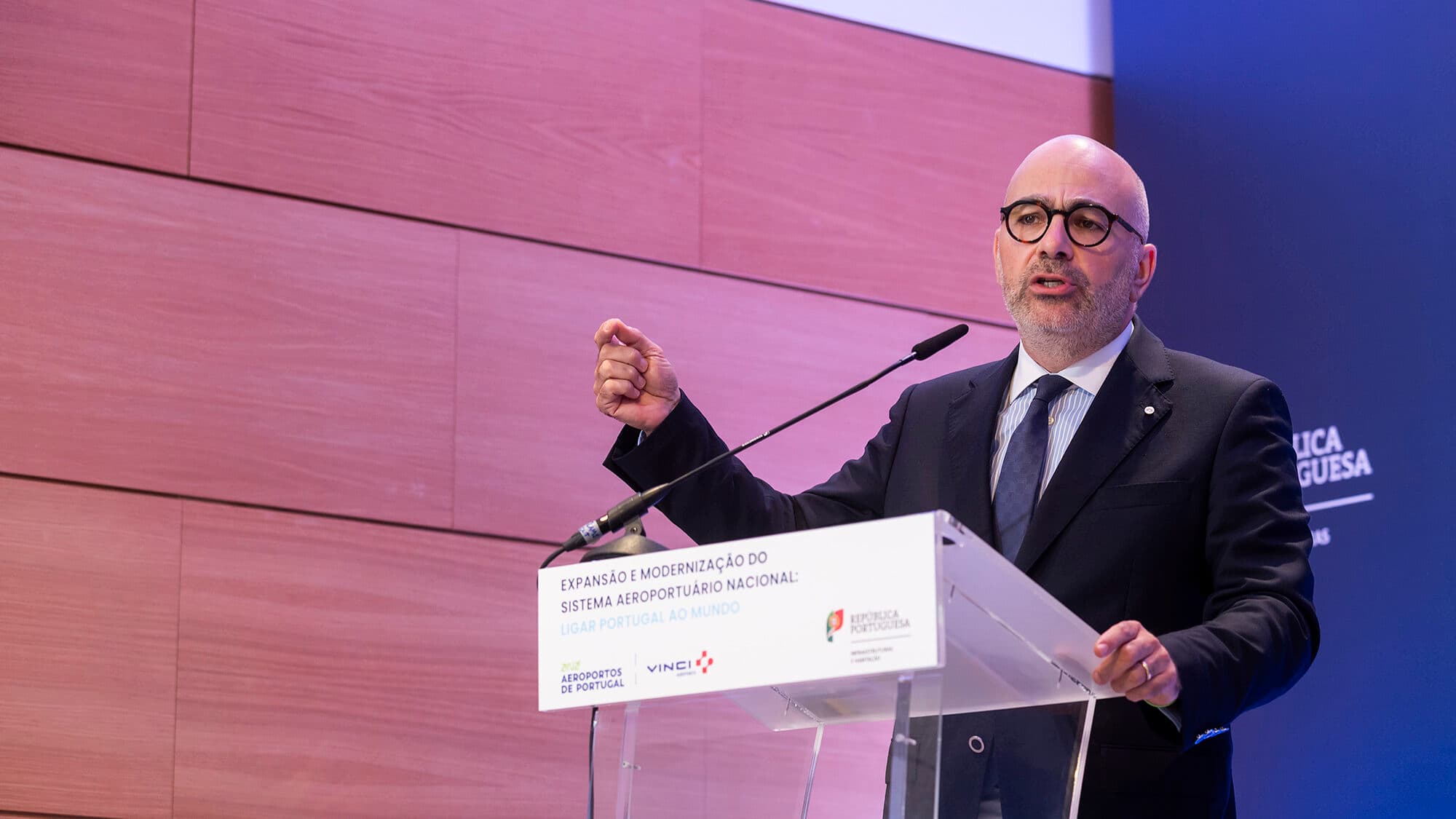
The Government has received the first environmental report for the proposed new Lisbon airport, submitted by ANA – Airports of Portugal. The Ministry of Infrastructure said the next step is delivery of a technical report by 16 July, which will detail the project’s principal environmental impacts and justify the choice of location within the Campo de Tiro de Alcochete perimeter. The final environmental impact study is expected to be submitted to the Portuguese Environment Agency in the third quarter, marking a new phase in the planning and regulatory review of the airport project.