A new study from the Technical University of Vienna identifies the Portuguese housing market as systematically inaccessible for middle-income earners, highlighting a broader European trend where average buyers struggle to afford basic living spaces.
Electrical engineer João Santos is using his platform 'O Explorador' and viral social media content to challenge inflated property prices in Lisbon, advocating for market transparency and aggressive negotiation.
This Tuesday features key economic updates including INE's June inflation estimates, the deadline for IRS tax filings, and the second day of the European Central Bank's annual forum in Sintra.
A recent report reveals that housing affordability in several European cities has reached a critical point, with Lisbon recording a price-to-income ratio of 18.7, meaning residents must dedicate nearly 19 years of average annual earnings to purchase a home.
An analytical look at the property market reveals that Lisbon has become the least affordable capital city in Europe, driven by rising costs of living and housing.
A report highlights the significant price gap in the housing market, noting that foreign buyers are willing and able to pay 43% more for properties compared to local Portuguese residents.
A BPI Vida e Pensões study reveals that while 63.3% of Portuguese citizens save for short-term emergencies, only 22.1% prioritize retirement planning, highlighting a significant gap in long-term financial security amid rising life expectancy.
An analytical look at the financial pressures of childcare costs in the UK, prompting a family to weigh the trade-offs of a significant salary reduction in exchange for a better work-life balance in Portugal.
This Wednesday features key economic data releases from the INE, a parliamentary hearing for Joaquim Miranda Sarmento, the election of the Nova University of Lisbon rector, and significant institutional inaugurations alongside political debates.
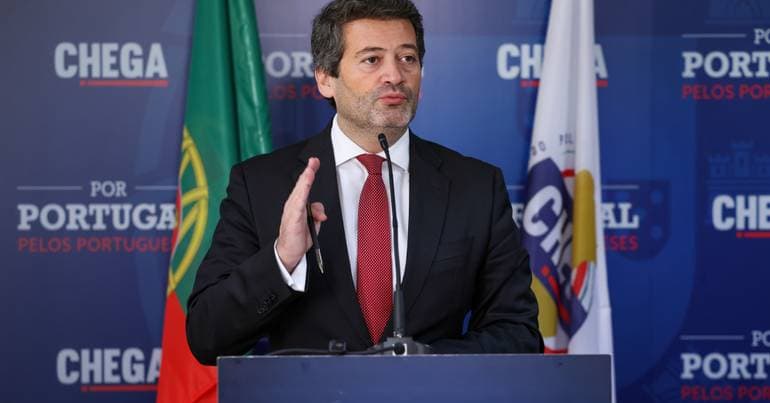
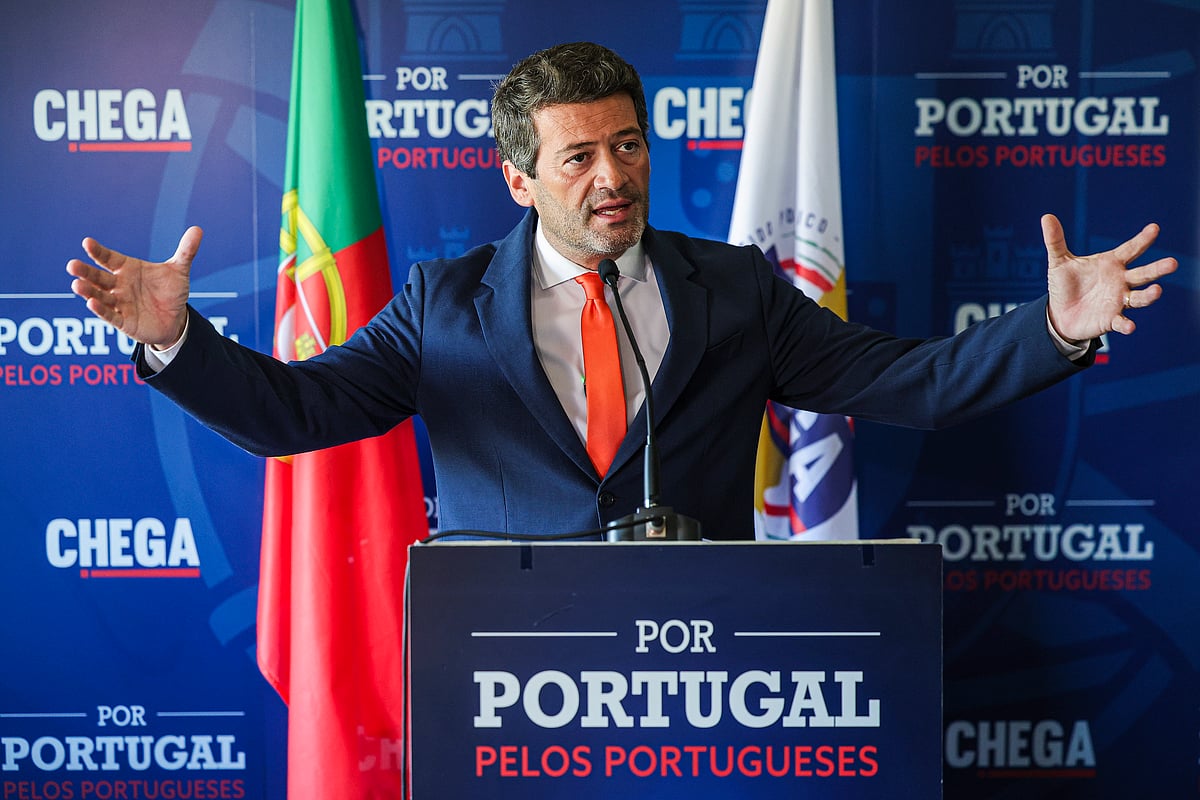
Leader of Chega, Ventura, has called on the Government to return the additional VAT revenue generated from the recent rise in fuel prices, emphasizing the need to differentiate between individuals and businesses. He criticized the Government's response to the fuel price crisis, particularly the insufficient discount on road diesel, and plans to push for an urgent debate in the Assembly of the Republic.
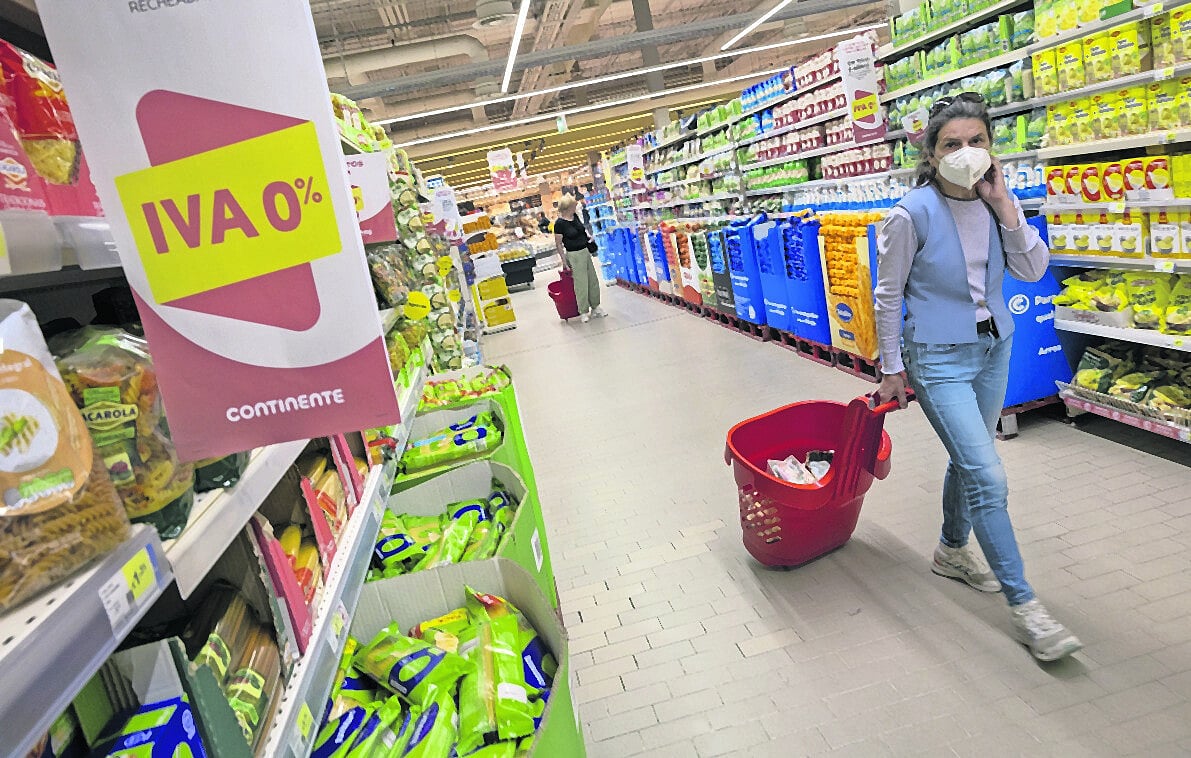
Chega plans to propose the reinstatement of zero VAT on essential goods, a measure they aim to limit until the end of the year. Additionally, the party is advocating for further government action to reduce fuel taxes.
European stock markets and the euro are experiencing declines as oil prices surge due to escalating conflict in the Middle East, particularly in Iran. US oil prices rose by 8% to $72.40 per barrel, while Brent crude increased by 8.8% to $79.30 per barrel. Natural gas futures in Europe saw a significant rise of over 40% following a production halt by Qatar. Gold prices also increased by 1.2% as investors sought safer assets amid uncertainty. Wall Street opened lower, with the Dow Jones down 0.70%, the Nasdaq down 0.58%, and the S&P 500 down 1.09%. In Europe, while the Lisbon stock exchange remained relatively stable, major markets like Madrid, Frankfurt, Paris, and London faced notable declines. The euro fell to $1.1703, down from $1.1817, and also weakened against the pound and yen.
Reported house prices rose 16% year‑on‑year, but the data provided appears inconsistent: the body states prices reached €2,111 per square metre in Q3 last year, while the headline claims €5,000 per square metre in Lisbon. This likely reflects different measures or geographies (national average vs Lisbon city centre, asking vs transaction prices). Verify source breakdowns and timing; implications include tighter affordability, stronger expat/investor demand in Lisbon, and amplified regional divergence in the housing market.
The secretary-general of the Federation of Public Administration Unions (Fesap) argues that the base salary in the public sector must continue to increase, suggesting it should exceed 1,030 euros next year. José Abraão notes that the current multi-year agreement is insufficient given rising inflation in food, fuel, and housing, and warns that the union will push for higher increases than those currently planned to protect workers' purchasing power.
The Government has already allocated approximately one billion euros through the ISP discount. This figure is expected to reach 1.3 billion euros by the end of the year, according to the Minister of Environment and Energy. Maria da Graça Carvalho reiterated that the Executive is preparing new support measures for transport.
António Brito Guterres says that when comparing salaries and housing prices, Portugal stands out among European criteria. The urban studies expert advocates for more public housing and believes that limiting short-term rentals is not enough.
The PS parliamentary leader accuses Chega of helping the Government by presenting bills to reduce VAT on fuel and apply zero VAT to essential food items that only take effect in January. In a press conference at the PS national headquarters in Lisbon, Eurico Brilhante Dias argued that these measures...
The leader of Chega spoke out this Saturday, September 12, to rebut criticisms from the socialist leadership and return accusations of inconsistency regarding the discussion on energy tax relief. In a press conference at the party's national headquarters in Lisbon, André Ventura pointed the finger at José Luís Carneiro, categorically rejecting that the Chega parliamentary group had blocked the reduction of prices at the pumps. 'The Socialist Party lies when it says that it was Chega that made these proposals unfeasible. It was the Socialist Party that, in agreement with the AD, made it unfeasible for fuel prices to effectively drop, as well as for there to be an exemption from tolls on bridges or SCUTs,' the party leader maintained. The response follows statements by the PS secretary-general, who had accused Chega in the morning of blocking previous initiatives to alleviate the tax burden on energy and essential goods. Carneiro accuses Ventura of trying to deceive the Portuguese about fuel prices. Ventura refuted the facts invoked by the socialist leader and challenged the scrutiny of the Assembly of the Republic's work: 'We just need to go through the archive of parliamentary proposals to verify that the Socialist Party did not present a single bill on fuel or zero VAT.' The exchange of accusations precedes the parliamentary scheduling for September 24, the date on which Chega will bring to the plenary a bill to cut the fuel VAT rate from 23% to 13%, together with a measure to apply a zero rate to essential food basket goods. Chega proposes zero VAT on food, a reduction in fuel prices, and an end to tolls on the Tagus. Protest in Espinho near Montenegro's house against fuel prices.
The Chega party, led by André Ventura, has submitted three legislative initiatives to Parliament aimed at addressing the rising cost of living. These include a temporary 0% VAT rate on essential food items, a reduction of VAT on road fuels to 13%, and the abolition of tolls on the 25 de Abril and Vasco da Gama bridges. The proposals, which also call for negotiations with Lusoponte regarding the end of their concession in 2030, are scheduled for debate in the plenary session on September 24.
Only Chega voted in favour of its motion of no confidence in the Government at the end of an afternoon marked by the announcement of measures for pensioners and the middle class. Montenegro went to Parliament to defend Neves, but above all to show that he still has political initiative.
Lisbon continues to stand out in the real estate market, with prime residential rents rising by 7.6% in the first half of 2026, the second-highest increase among the 30 cities analysed by the Savills World Cities Prime Residential Index. Sales prices also followed the trend, recording a 3.3% increase, driven by a shortage of supply in the city. The Portuguese capital, behind only Cape Town, demonstrates robust demand for prime properties, according to the study, resulting in a significant appreciation of rents. The report explains that international buyer demand remains high, but supply is limited, which has been a crucial factor in rising rents and is conditioning sales price growth. In June 2026, the average cost of a prime property in Lisbon was 14,600 euros per square metre, while the average rent was around 30 euros per square metre per month. By comparison, Lisbon has already surpassed Madrid, where a prime square metre costs 11,700 euros, but it is still far from Paris (19,000 euros) and Geneva (26,300 euros), the most expensive city in the European group analysed. The appreciation pattern is not limited to Lisbon, as other southern European cities also recorded increases in prime sales prices, with Madrid growing by 2.4%, Barcelona by 1.5%, Athens by 1.2% and Rome by 0.2%. These cities face demand that exceeds supply, thus sustaining values in a context of greater caution among global buyers. For the second half of 2026, the Savills report projects growth of between 2% and 3.9% for Lisbon, aligning it with cities such as Madrid, Barcelona, Singapore, Seoul and Kuala Lumpur. The combination of limited supply and international demand is expected to be the main driver of appreciation until the end of the year, positioning Lisbon among the best-performing prime residential markets in Europe. Real estate development is accelerating in Portugal, with supply rising by 22%.
The increase in fuel prices comes into effect this Monday. It is one of the highest records ever in Portugal, even with the ISP tax discount. During the morning, drivers protested along the 25 de Abril Bridge.
André Ventura was speaking at a 'rentrée' initiative of the Chega party's Lisbon district branch, which took place in the municipality of Loures (Lisbon district).