What is the UGT secretariat? And will there be an agreement on labour law? Seven answers to get you up to speed
An overview of the UGT secretariat's role and an analysis of the potential for a labour law agreement, provided through seven key points.

Latest news and stories about employment rights in legal in Portugal for expats and residents.
An overview of the UGT secretariat's role and an analysis of the potential for a labour law agreement, provided through seven key points.

Manuel Carvalho da Silva analyzes the stalled Labour Code reform, highlighting the political gridlock and the failure to address structural issues like the public-private sector disparity, despite ongoing negotiations.

In this week's episode of Eu Explico, we invited Tiago de Magalhães, a Labour Law attorney at CMS Portugal, to explain the salary transparency directive to us.

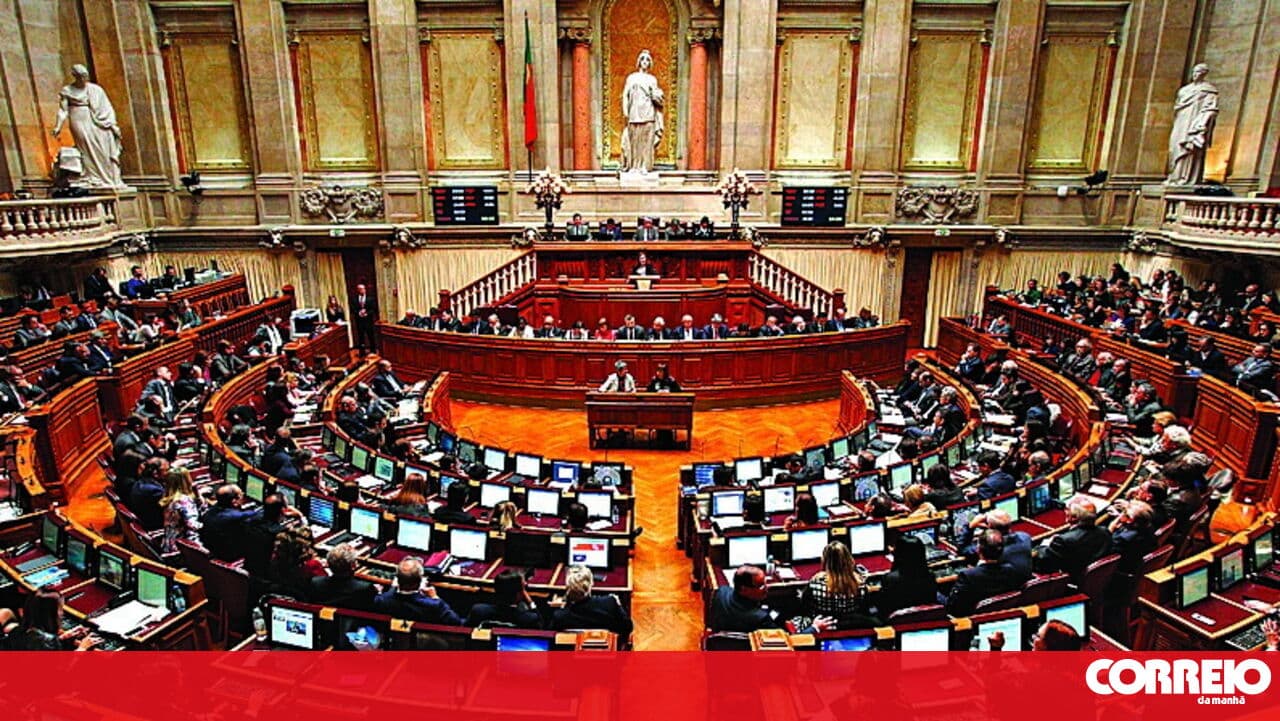
The UGT national secretariat meets today to decide whether the trade union centre, led by Mário Mourão, will give the “green light” to the proposed changes to labour legislation within the Social Concertation framework.
Negotiations between social partners have concluded. The trade union federation will decide this week.

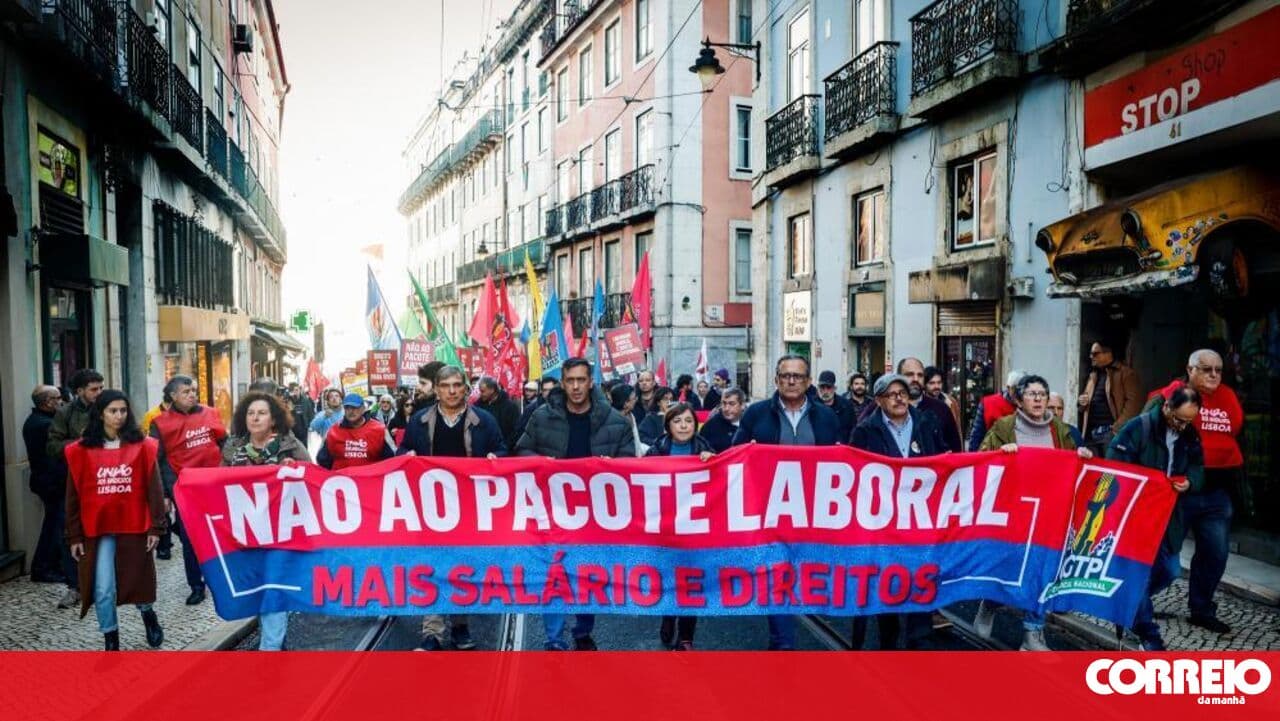
Negotiations regarding labour legislation are set to restart, while the CGTP trade union continues to refuse to participate in the talks.

The debate surrounding the Pay Transparency Directive has focused primarily on defining short-to-medium-term compliance strategies and systematising concepts derived from the legal text itself. However, one of its most disruptive effects may lie elsewhere: the time limit for taking legal action, specifically the need to reconcile...

The most recent proposal sent to social partners maintains several of the UGT's red lines and drops the possibility of recovering the 25 days of annual leave or the existence of two justified absences near the rest period.

Holidays must be booked by 15 April each year and there are rules for doing so

One week was enough to change the course of negotiations on the labour package. Partners are no longer at odds and are making a new effort to “align” the points that almost broke off the dialogue.

The Ministry of Labour indicated that the Government showed willingness for a subsequent meeting with the CGTP.

The trade union federation does not accept the 'attempted exclusion' from negotiations and reinforces that 'no process is valid with exclusion'.

In a change of ownership, the law safeguards impacts for employees.

The Portuguese Tourism and Commerce and Services confederations show openness to a new round of contacts between social partners. UGT stresses that it 'did not leave' the negotiating table.

Seguro urges all parties to resume discussions concerning the proposed labour legislation package.

It is unacceptable that these professionals have been left to stagnate after years of being subjected to bogus 'recibos verdes'.

The Prime Minister today expressed openness to “receive proposals and contributions” regarding the review of the labour law, rejecting suggestions that the Government's proposal represents any “civilisational setback” or that the executive is handling the process with arrogance.
The meeting was originally scheduled for 7 January and was rescheduled to 14 January, a date on which it will no longer take place.

The scheme applies to workers who do not perform their work on a continuous basis.


An entire ocean separates Portugal from the country led by Donald Trump, but the anti-diversity atmosphere experienced in the United States is indeed spreading to Portuguese and European companies. In an interview with ECO, Paula Carneiro — who is now stepping down from the leadership of the Portuguese Association for Diversity and Inclusion (APPDI) — admits that ...

Portugal currently diverges from European Union labour legislation. The reform package under way aims to align national labour laws with EU rules and standards — strengthening worker protections, updating contract and enforcement provisions and reducing regulatory gaps.

Among the more than 100 changes the Government wants to make to labour legislation, there are not only the most critical and media-covered measures — such as the extension of fixed-term contracts and the limitation of dismissal for breastfeeding — but also changes that have received less attention, particularly regarding remote work, ...

Unions expect high participation. The strike on December 11 was called by CGTP and UGT against the proposed revision of the Labour Code.

Paulo Gonçalves rejects the notion that the more than 100 changes the government wants to make to labour law are all negative. He acknowledges that there are “four or five promising points”. However, he warns that the majority disrupts the balance between employers and workers, introducing “enormous precariousness”, according to the president of the National Union of Managers.