Following an oil shock, a food shock may come due to fertilisers
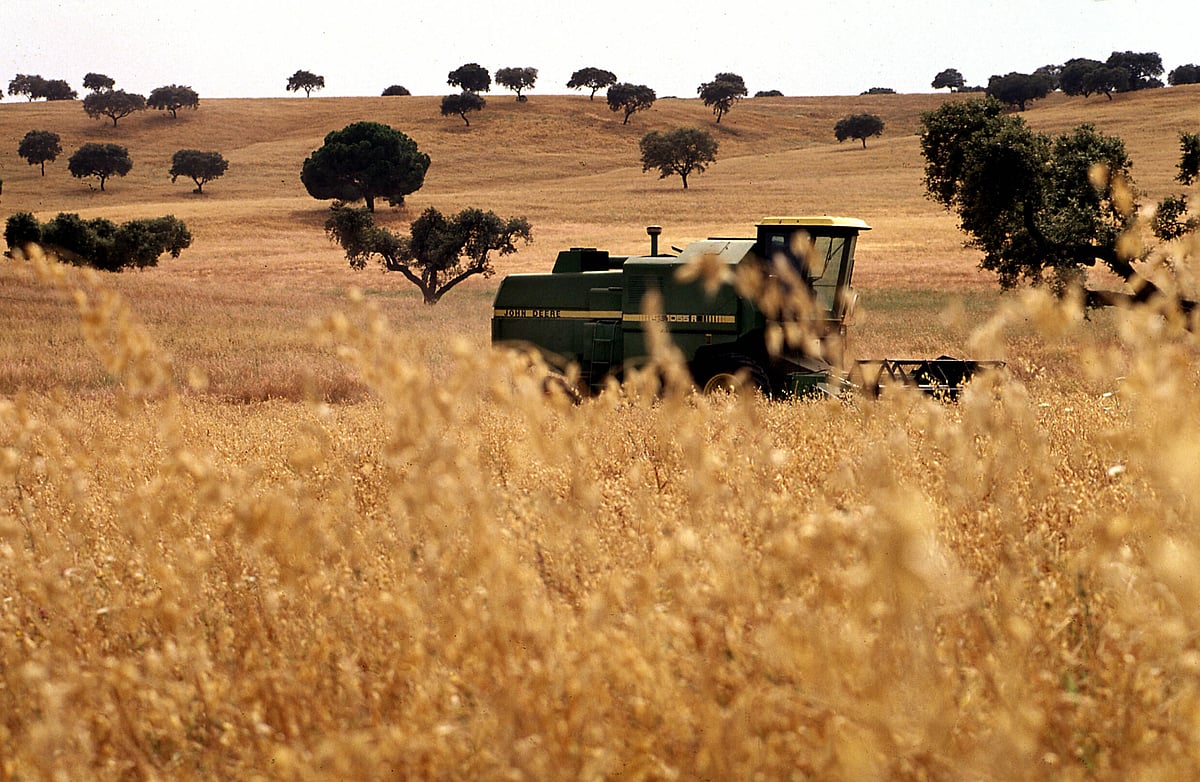
The oil shock is taking shape, with Brent crude oil trading above $85, an 18% increase since the start of the war against Iran. A significant rise in fuel costs is expected next Monday, but another burden is emerging: the cost of fertilisers, which directly impacts agricultural production and livestock farming. After the oil crisis, a food crisis seems to be forming. Major fertiliser producers, many located in the Middle East, are affected by the closure of the Strait of Hormuz, controlled by Iran. Analysts warn that the price of imported food in Portugal and many European countries is set to soar. Portugal has had weak food sovereignty for decades, importing €5.1 billion in agricultural products last year, an 8% increase from 2024. The dependence on fertilisers is also significant, with imports rising to €342 million in 2025, an 8% increase from the previous year. The meat market is similarly affected, with Portugal importing €2.1 billion in meat last year, a 22% annual increase. Economists warn that European countries, especially those heavily reliant on agriculture, will be among the most affected globally if the conflict continues, leading to higher food prices and potential shortages.