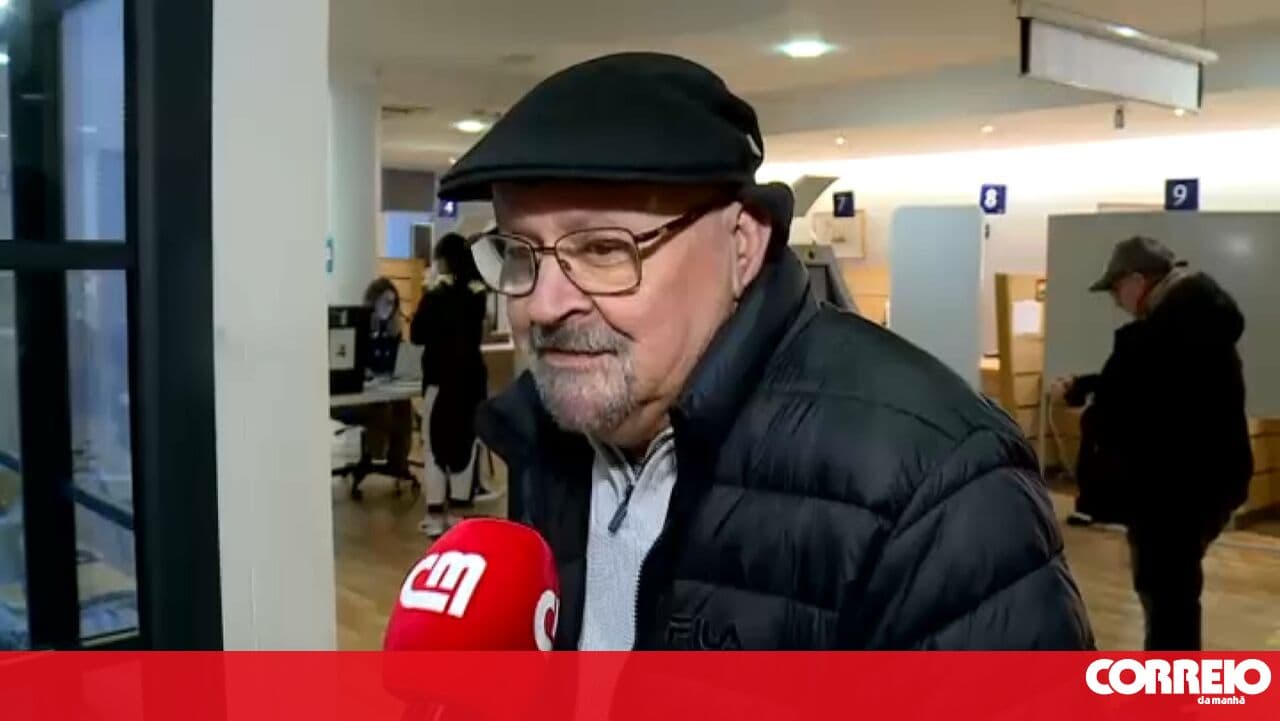
In the West, Ventura hears businessman say that without foreigners the business would close
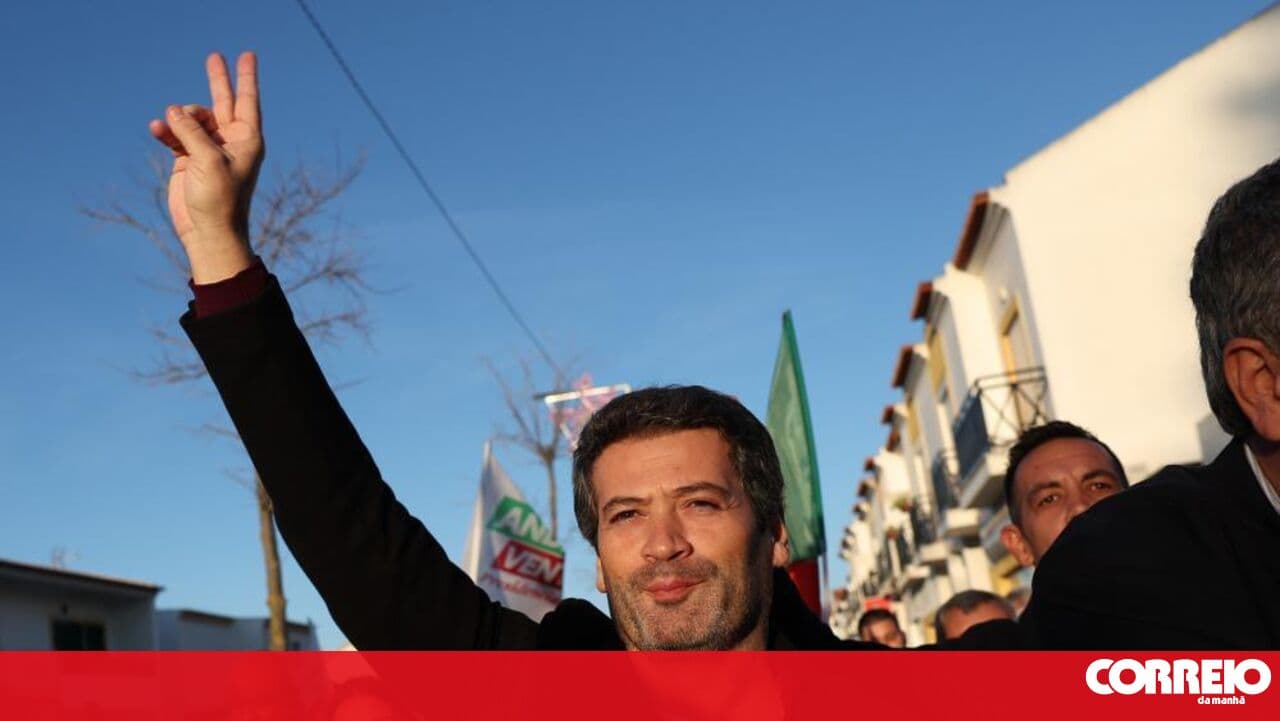
The candidate, who advocates anti-immigration policies, was questioned during the campaign about the indispensability of foreign workers in various sectors.

Latest news and stories about election campaign in immigration in Portugal for expats and residents.
The candidate, who advocates anti-immigration policies, was questioned during the campaign about the indispensability of foreign workers in various sectors.

Portugal heads into a runoff on February 8. As with any election, it brings a bit more attention to topics like immigration, the economy, and the country’s overall direction. For The post Portugal’s presidential election: what changes, what doesn’t appeared first on Portugal Resident.

An assessment of the damage caused by Storm Kristin, a call to vote, criticisms of a president who “uses his immigration policies as political bargaining”, and a world leader who is “more fragile” than one might imagine. This is this week's analysis with Paulo Portas.

Admiral Gouveia e Melo, who finished fourth in the first round of Portugal’s presidential election, announced he will cast a tactical (‘useful’) vote for António José Seguro in the run-off. Framing the decision as a contribution to a ‘conscious and informed choice’ for the Portuguese who supported him as an independent, he praised Seguro’s moderation, lack of a party-driven agenda and apparent unwillingness to instrumentalise the presidency. The move is presented as strategic rather than partisan, aimed at influencing the final outcome in favour of stability and non‑partisan leadership.

In a country that depends on the work of immigrants, Miguel Sousa Tavares, on Viva Voz, speaks about the injustice and the insults aimed at “those who are serving us and came to give life to a moribund country”.
The debate was marked by discussion over health, labour legislation, presidential powers, immigration regulation and foreign policy.

The candidate backed by Chega was questioned about the need for foreign labour in some industries in Portugal.

The candidate supported by the PS questioned the president of Chega about the criminalisation of illicit enrichment and the role of immigrants in the Portuguese economy.

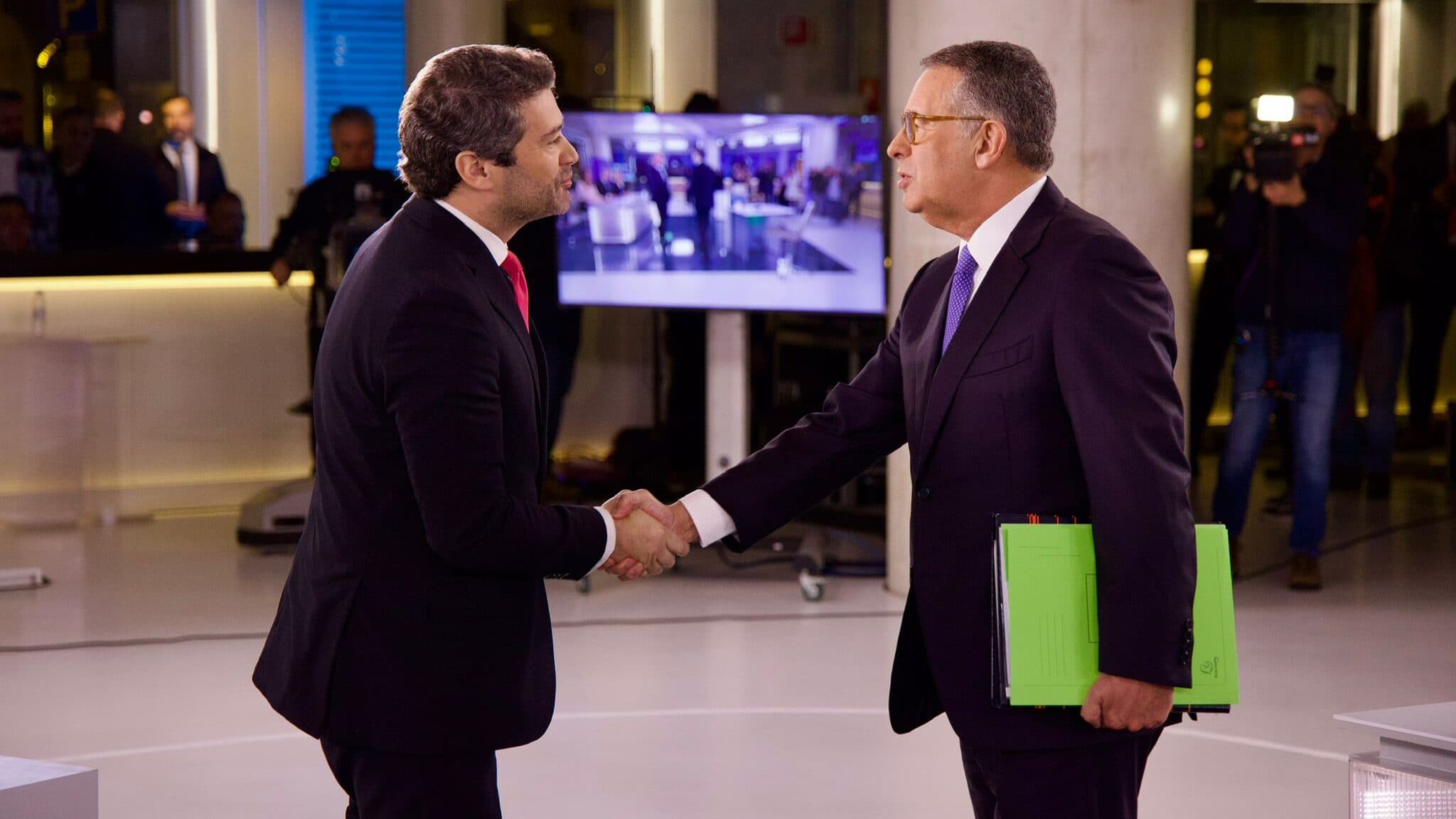
António José Seguro and André Ventura faced each other this Tuesday in what was the only debate of the presidential run-off. Presidential powers, the economy, health, immigration, declared endorsements for the second round and the international situation were among the main topics discussed.
On the eve of the official start of the campaign for the second round of the presidential election, the two presidential candidates are set to meet at 8:30pm on RTP, SIC and TVI for the only debate before the vote.

Health, labour reform, immigration and foreign policy were highlighted in the only face-to-face between the two presidential candidates, which took place this Tuesday, broadcast simultaneously on RTP1, SIC and TVI. António José Seguro led the first round of the presidential election, held on 18 January, obtaining 31.12% of the votes, according to official data released by the General Secretariat of ...

Miguel Corte-Real says this Tuesday's debate is decisive for voters to assess the candidates' proposals and accuses António José Seguro of fearing confrontation. The supporter of André Ventura highlights the message of “putting the Portuguese first”, with particular emphasis on immigration.

CGTP criticises the president of Chega and calls for the defeat of those who always blame immigrants and never employers.

André Ventura, the presidential candidate backed by Chega, on Thursday in Switzerland called on Portuguese emigrants to take part in the second round of the elections.

Chega-backed presidential candidate André Ventura on Thursday appealed in Switzerland for Portuguese emigrants to take part in the run-off.

Chega-backed presidential candidate André Ventura appealed to Portuguese emigrants in Switzerland to participate in the second round, arguing that, for the first time in democratic history, their votes “will be decisive.” He framed the contest as an opportunity to “change the system,” accusing PSD, CDS and IL of colluding with Seguro in a “cosy arrangement of interests,” and urged emigrants to cast a decisive vote in the run-off.

The article analyses the surprise outcome of the first round of Portugal’s 2026 presidential election, won by António José Seguro and André Ventura, and the failure of many recent polls to foresee those results. It examines how polling published during the campaign understated late dynamics and argues that neither the standings nor vote shares point to a decisive ‘useful vote’ effect. The piece also reflects on the broader consequences for poll credibility and media narratives, warning that dismissing polls or candidates out of hand risks undermining both public understanding and the activity of polling itself.

Ventura secured almost twice as many votes as Seguro among the diaspora — enough for him to call us, the emigrants, fascists.

The country needs a President who promotes the attraction and integration of immigrants.

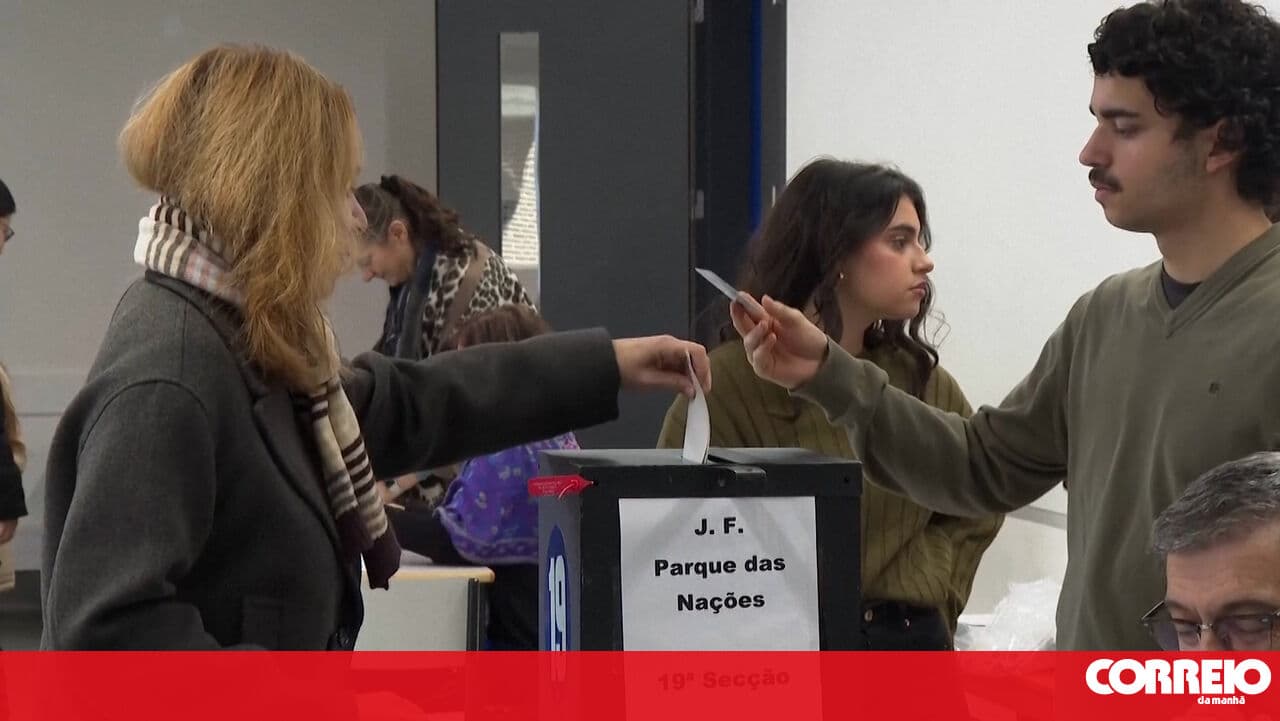
More than 11 million voters are being called to the polls to elect the next President of the Republic, after ten years of Marcelo Rebelo de Sousa. This year the choice of the next occupant of Belém Palace is between 11 candidates, a record number.
Portuguese voters went to the polls on Sunday morning to vote in a closely contested presidential election. A record 11 candidates are contesting Portugal's presidential election.

Around 1.7 million Portuguese are registered abroad.

On the final day of the campaign, André Ventura attacked immigrants and gender minorities, praised Salazar and King Afonso Henriques, and in the afternoon asked that PSD and IL not be 'an obstacle' if the second round becomes a head-to-head against Seguro.
David Pontes argues that the so-called elections for the presidencies of the CCDRs are a façade: party leaders pick office-holders behind closed doors, depriving voters and local stakeholders of genuine choice. The editorial contends this practice undermines democratic legitimacy, concentrates power within party machines and weakens accountability in regional policy, and calls for transparent, competitive selection procedures and broader electoral reform.