Revocation of tribute to Salazar in Brazil seeks to preserve memory and democracy
Researchers from the Federal University of Rio de Janeiro argue that the revocation prevents history from repeating itself.
cmjornal.pt
Latest news and stories about historical figures in Portugal for expats and residents.
Researchers from the Federal University of Rio de Janeiro argue that the revocation prevents history from repeating itself.
Annie wants to stay in Cuba and live like a Cuban. But she remains the daughter of the PIDE director. And Fernando Silva Pais and his wife are not willing to let her cross over to the enemy side so easily.

In the premiere of 'The Scandals of a Revolutionary', Annie Silva Pais disappears. What seemed like a family misunderstanding will turn out to be a diplomatic incident involving the CIA, Fidel, and Salazar.
The people's saint may, after all, have begun his story much closer to the Lisbon elites than popular memory usually admits.

Joe Salgado worked on the 47th floor of the North Tower at the World Trade Center. That morning, he managed to escape from the bank where he worked with other colleagues. Those who turned left did not make it out alive.

Another commentator suggested that a visit by the President of the Republic should “mark for the province the beginning of a new era of peace, harmony, work and consequently of The post Visit of President Carmona to Algarve appeared first on Portugal Resident.
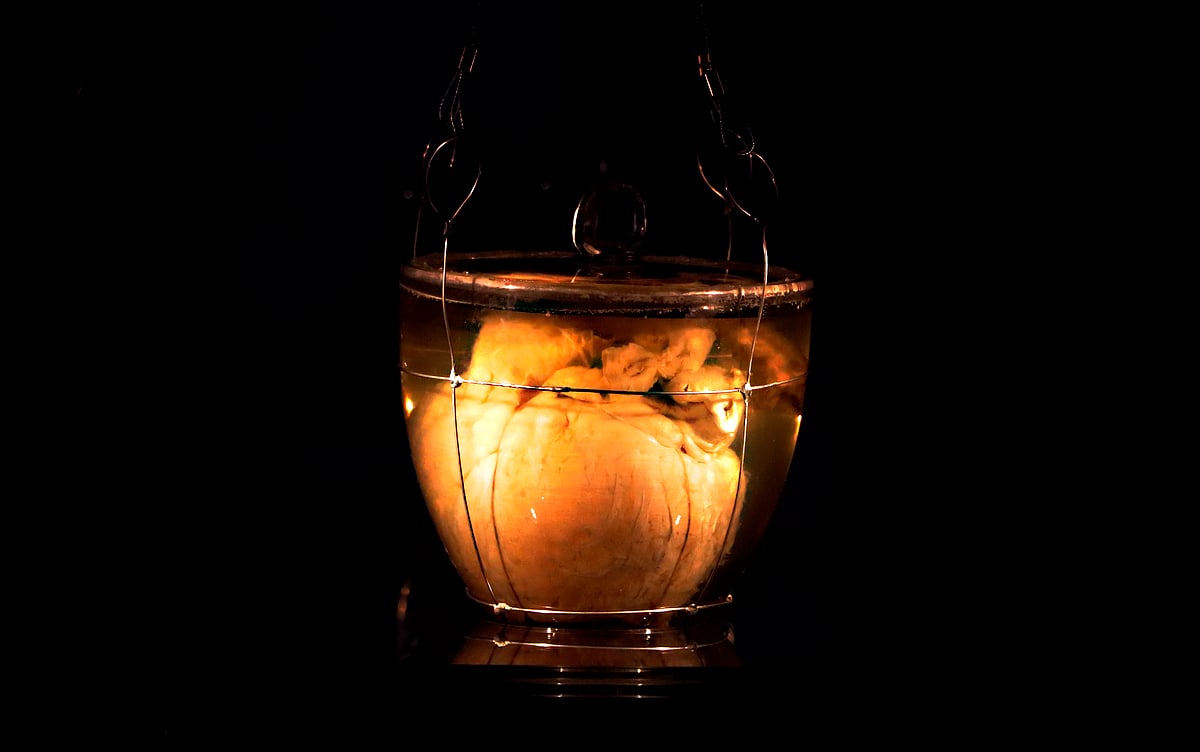
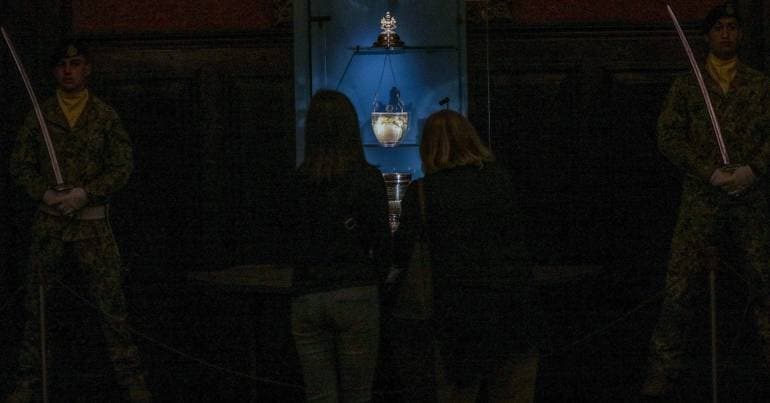
The heart of King Pedro IV, kept in the mausoleum of the Lapa Church in Porto, will be on public display again at the end of this month. For three days only, from September 25th to 27th, the public can view what the Brotherhood of Lapa describes as the 'most precious' legacy the king left to the city. The exhibition will feature an evocative journey through the monarch's life, his connection to Porto, the Liberal movement, and the Portuguese Civil War. The heart was last displayed in August 2022 during the bicentennial commemorations of Brazil's independence. It has been housed in the Lapa Church mausoleum since 1937.
In this episode, Margarida de Magalhães Ramalho and Lourenço Pereira Coutinho discuss the life and times of Diogo Inácio de Pina Manique, the controversial Intendant-General of Police and founder of the Casa Pia.

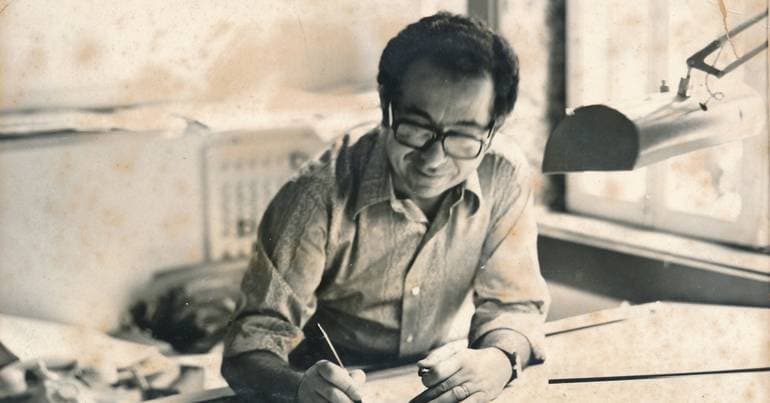
The news was announced this Tuesday by the Marques da Silva Foundation, to whom Fernão Simões de Carvalho donated his collection in 2021. He was one of three Portuguese people to intern at Le Corbusier's studio.

It was only about 48 hours... but Jules Verne managed to get to know a very particular Lisbon
1931-2026. Lawyer, university professor, and politician, he served as a member of parliament, parliamentary leader of the CDS-PP, and vice-president of the Assembly of the Republic over the course of 25 years.

The local council wants to repeat the exhibition of the monarch's heart, which was transferred to Brazil in 2022. First, the ceiling of the Portrait Gallery of the Irmandade da Lapa needs to be repaired.
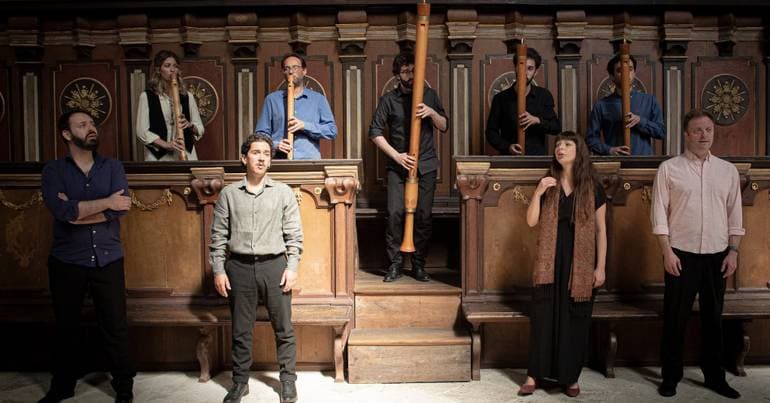
Vicente Lusitano gained international prominence with articles in The Guardian and specials on the BBC. He is considered the first Black composer to have his work published.
The young José Carlos always lived in Póvoa de Varzim. In Coimbra, he fought for rights and freedoms during the academic struggles of 1961. As a lawyer, he defended political prisoners, journalists, and intellectuals in the most “ridiculous” PIDE-related trials. As a journalist, after the 25th of April, he founded the weekly newspaper “Jornal” and the “Jornal de Letras, Artes e Ideias”.

In this episode of 'History Repeats Itself', Lourenço Pereira Coutinho and Margarida Magalhães Ramalho recall Elise Hensler (1836-1929), a Swiss-American opera singer whom King Ferdinand II would marry in his second marriage, thirteen years after the death of Queen Maria II.


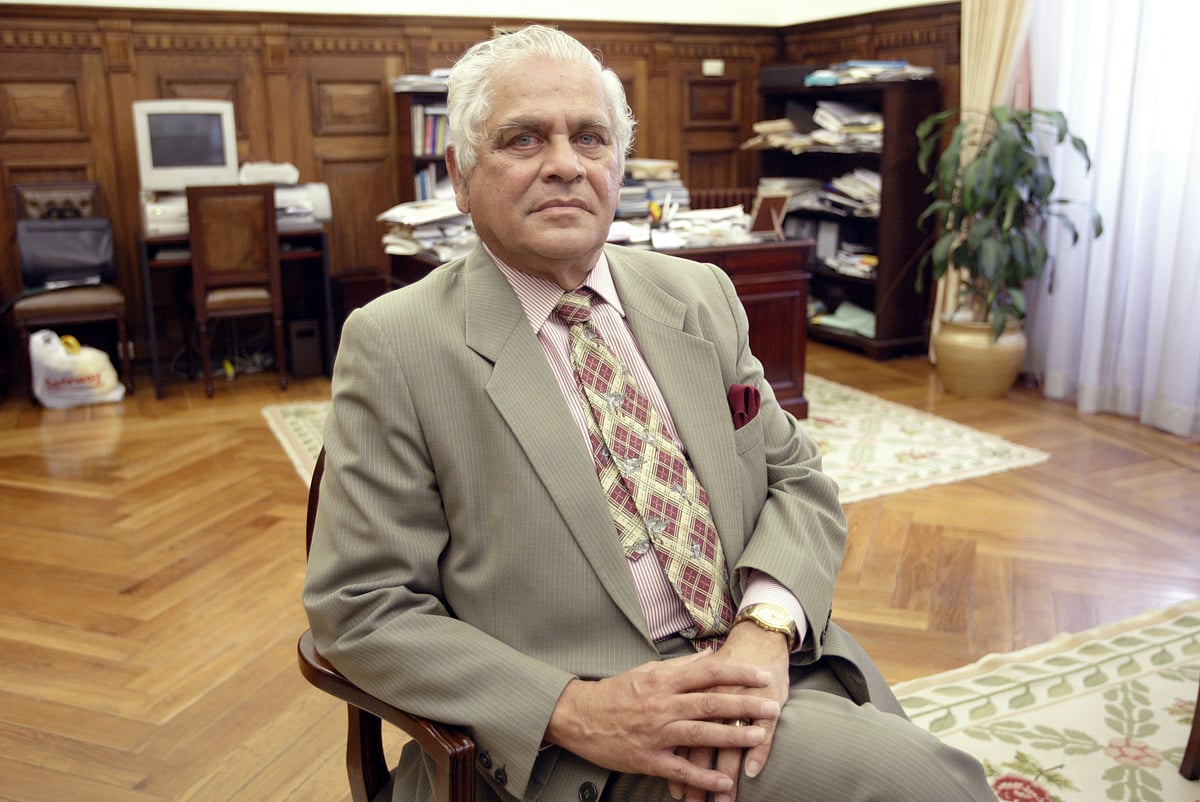
A reflection on the life and legacy of Narana Coissoró, a prominent conservative figure in Portuguese politics. The piece recounts personal memories, his intellectual courage, his experiences in Goa and Coimbra, and his encounters with historical figures like Salazar and Indira Gandhi, highlighting his role as a representative of a time when political adversaries maintained mutual respect.
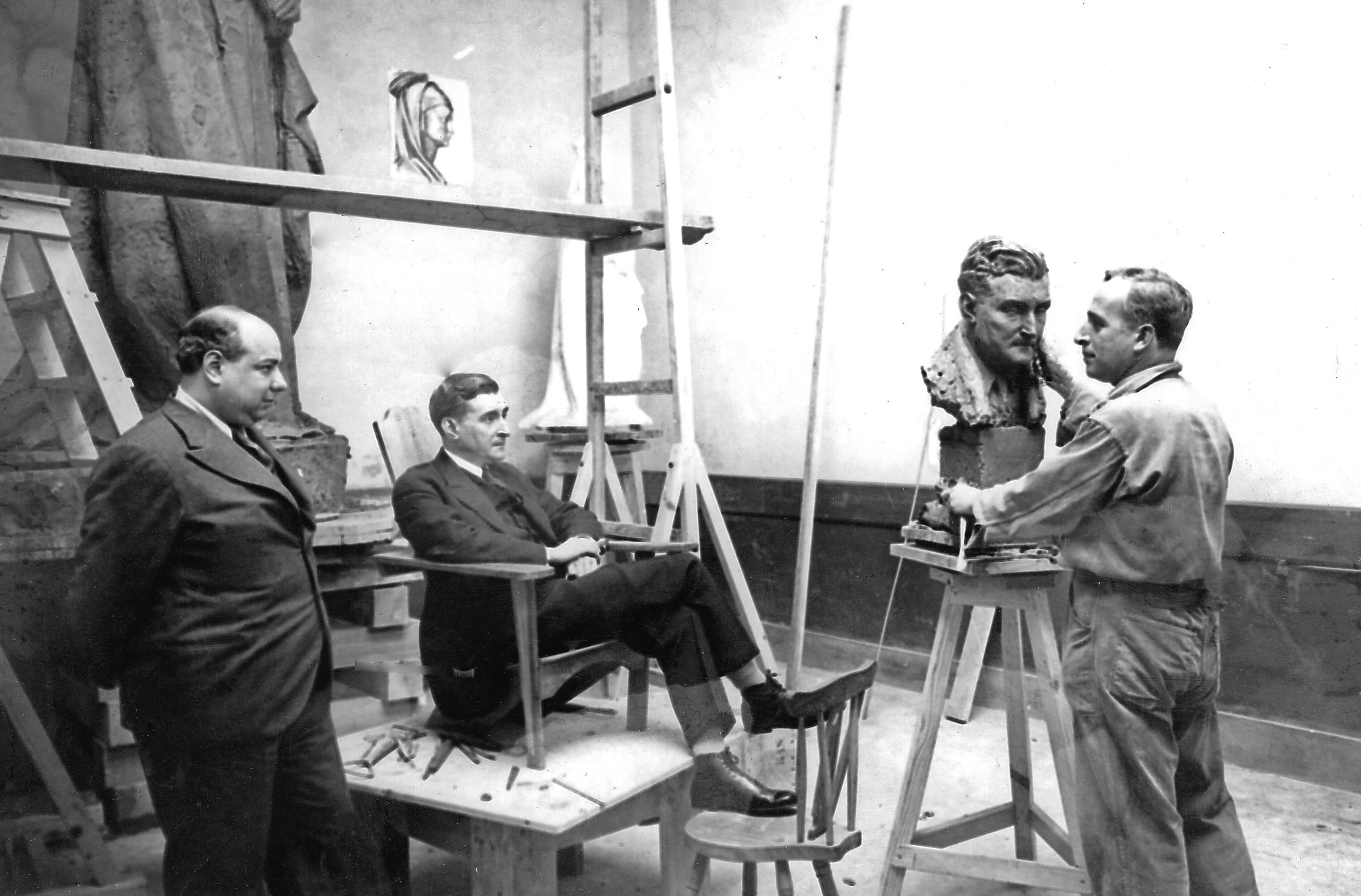
The son of teachers, with above-average general knowledge, Carvalhão Gil was one of the 20 recruits in the second SIS course. As a spy, he had a meteoric rise. His fall was even faster.

The Federal University of Rio de Janeiro considers that the honorary title awarded to the former head of the Council is incompatible with the democratic, academic, and constitutional values that currently guide the academic institution. Salazar had been an honorary doctor since 1941.
The death of Narana Coissoró at the age of 94 is reported.

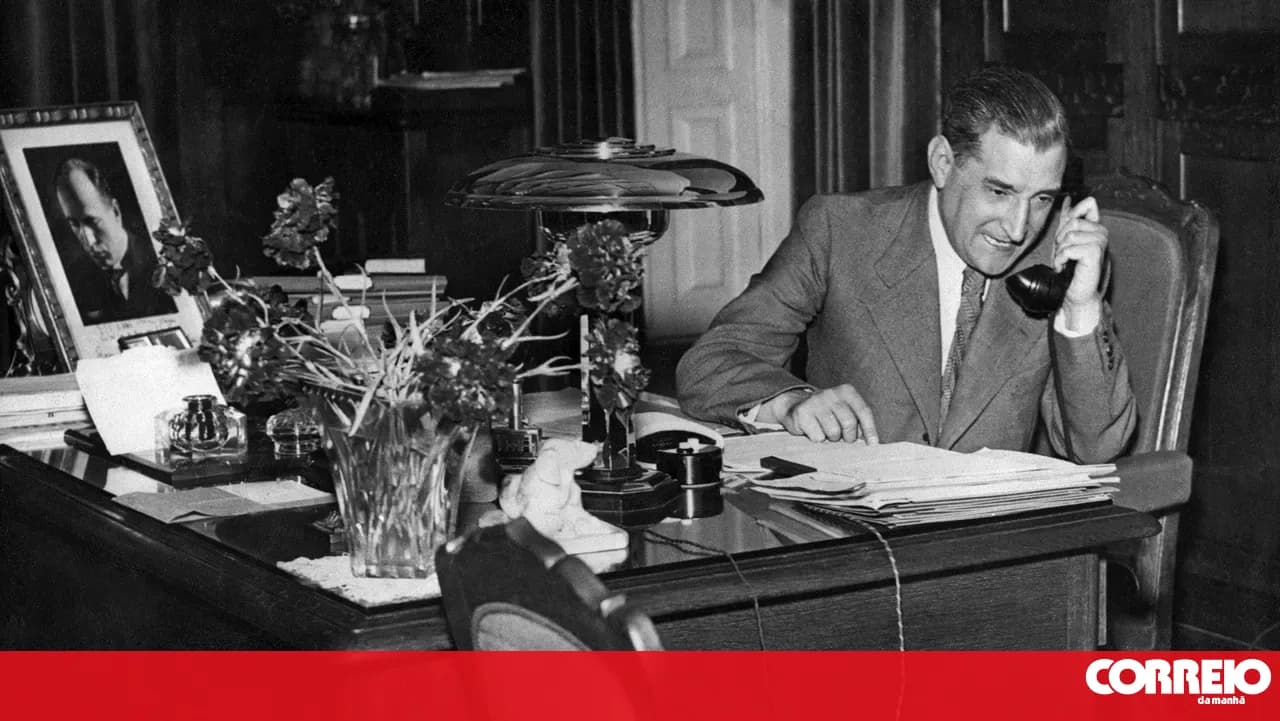
António de Oliveira Salazar is no longer an honorary doctor of the Federal University of Rio de Janeiro (UFRJ). The revocation of the title from the Portuguese dictator was approved by the institution's University Council on August 27. The council stated that the honour is incompatible with the democratic, academic, and constitutional values that currently guide the university. The title had been granted 85 years ago, in 1941, during the Estado Novo regime. The university's decision highlights the authoritarian nature of the Salazar regime, including its repression of academics and colonial policies. This follows similar recent revocations by the university, including those of Jarbas Passarinho and Lincoln Gordon.
A mature and truly pluralistic democracy is one that accepts the integration of multiple possibilities for life choices and paths of human fulfilment.

The article discusses the historical birthplaces of early Portuguese monarchs, noting that many were born in locations that would be considered inappropriate or inadequate by modern standards.
A report on the visit of Jacques Delors to Portugal.
A report on the visit of Jacques Delors to Portugal.

Fernando Hedgar da Silva founded an association in Bissau for children left behind by Portuguese soldiers during the Colonial War. He died at the age of 58. Opinion piece by Catarina Gomes.

By expelling the Jesuits, Pombal did not just eliminate a religious order. According to Nuno Palma's calculations, he eliminated nine out of every ten schools in the country.