Living healthily, extending life
Knowing how to age well presupposes all the habits that are proven to ensure general well-being for as many years of life as possible.
Observador

Latest news and stories about healthy living in Portugal for expats and residents.
Knowing how to age well presupposes all the habits that are proven to ensure general well-being for as many years of life as possible.
Despite its benefits, the Atlantic Diet has received less attention in Portugal than the Mediterranean one. Nutrition experts and chefs argue that this dietary regime should be valued more.

What if we told you that you don't need a gym or intense workouts? Moving a little more and sitting less is enough to reduce the risk of death and add years to your life.

People who spend more time in parks, forests, and gardens consume more fruits and vegetables, a scientific study reveals. This dietary benefit adds to the already known reduction in stress and anxiety.

It is more present in our lives than we would like. Crystals that sweeten the palate but can bring many bitter consequences to our health. Hence the need to understand not which one is good, but rather which one is the 'least bad'.

Did you make a smoothie in the morning to drink later? Does it lose its nutritional qualities after a few hours? Nutritionist Mariana Chaves explains what changes and what tricks you can use.

A trick that helps to slow down, not to cure.

Did you know that it takes more than 10 bees to produce one gram of honey? So, even if it has therapeutic effects, don't act like Winnie the Pooh by putting this ingredient in everything.

There are alternatives, but they all cater to the same taste: sweet. Perhaps the real success lies in moving away from that.

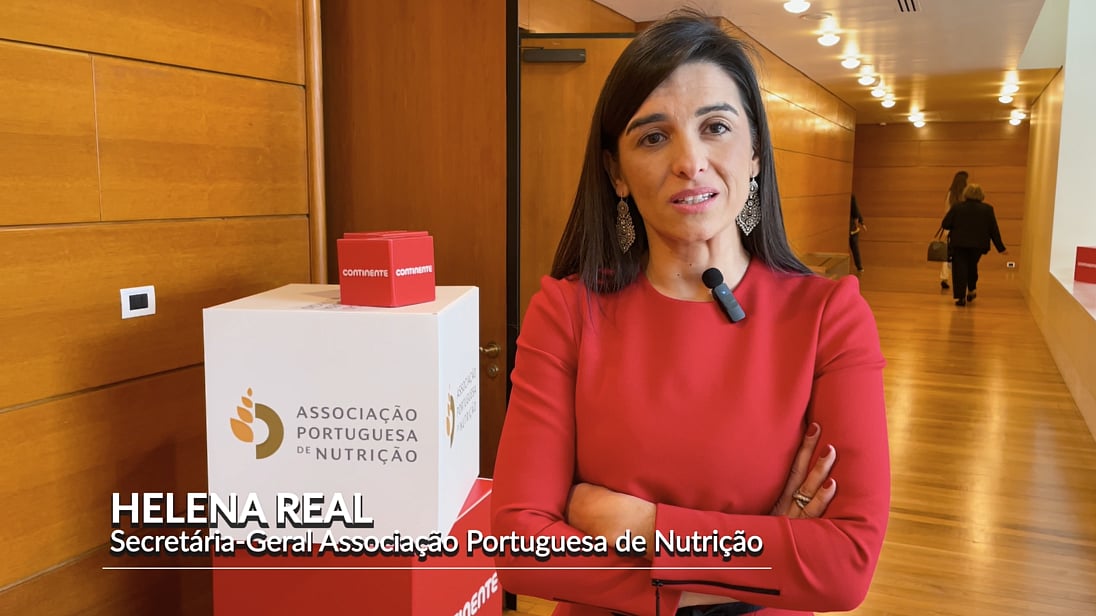
A study by the Portuguese Nutrition Association (APN) provides an unprecedented profile of the food literacy levels of the Portuguese population. On average, 57.7% of the adult population has some access to information on nutrition and food, but difficulties in translating this knowledge into healthier choices are evident. According to the study, which surveyed 1,000 people with the support of the Continente chain and was conducted by the company Pitagórica, 44% of the Portuguese are “compulsive consumers.” This term does not refer to the quantity of food consumed or eating habits, but identifies varying levels of food literacy. These consumers have minimal meal planning, poor management and selection of food choices, and low food preparation skills. Furthermore, socioeconomic challenges significantly impact food literacy levels. Young adults, those with stable employment, and families with higher incomes have the highest levels of knowledge, while the elderly, the unemployed, those living alone, and those with lower incomes are among the least informed and least capable of making good dietary choices.