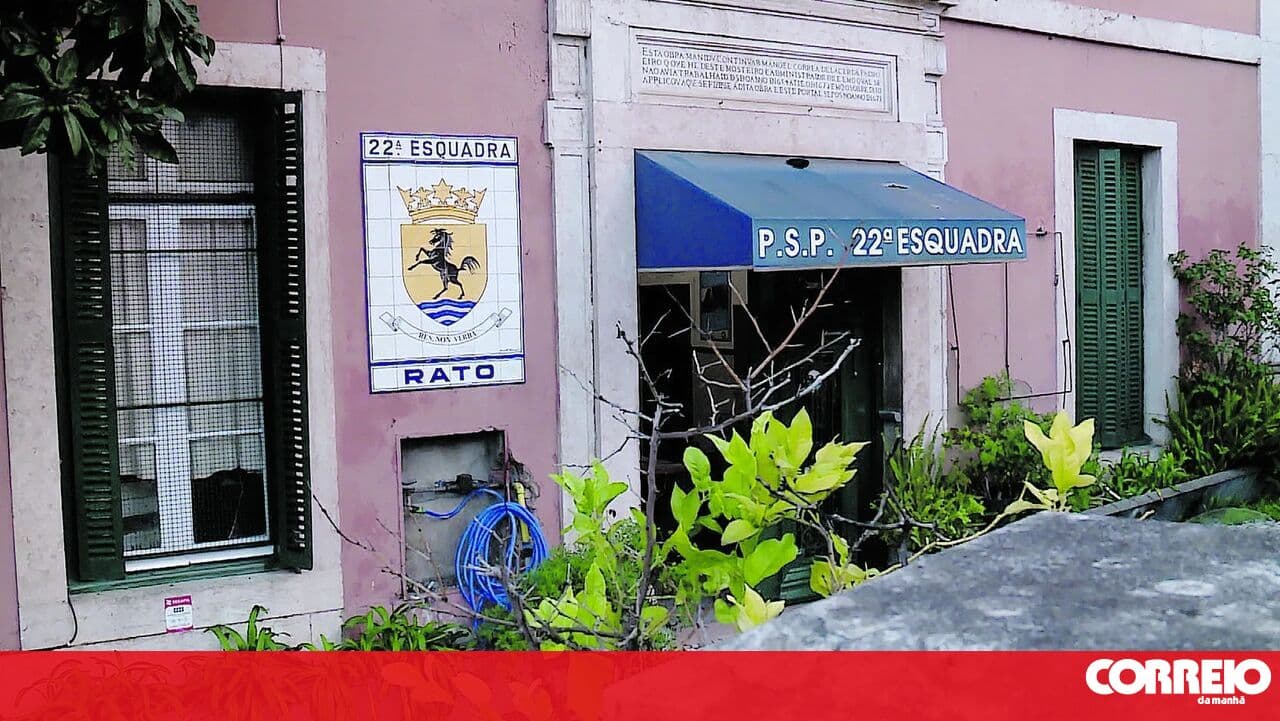
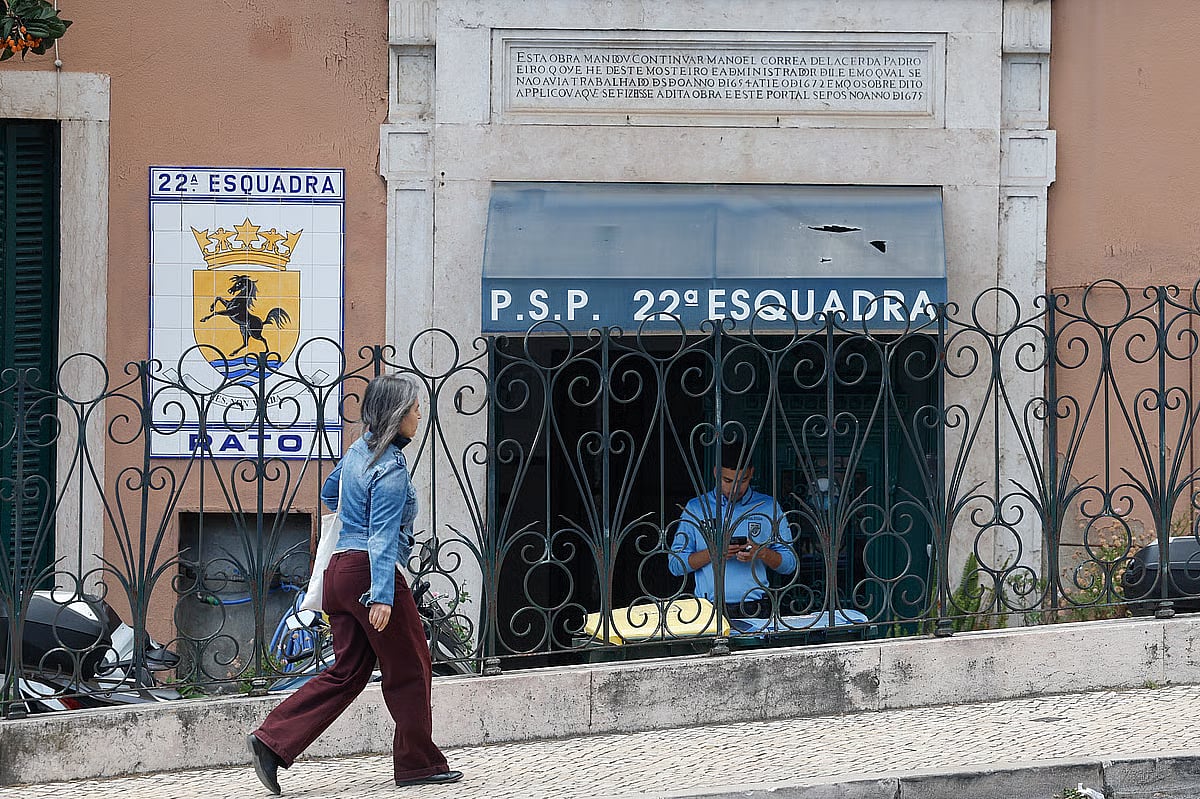
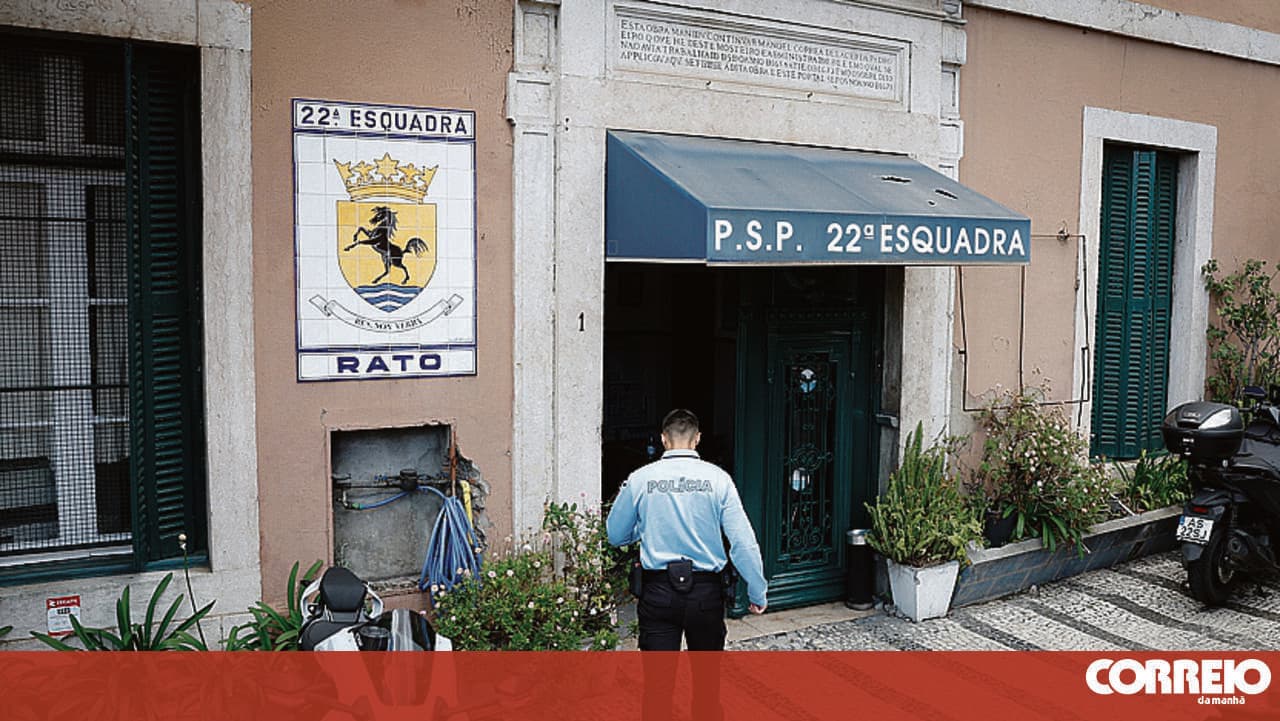
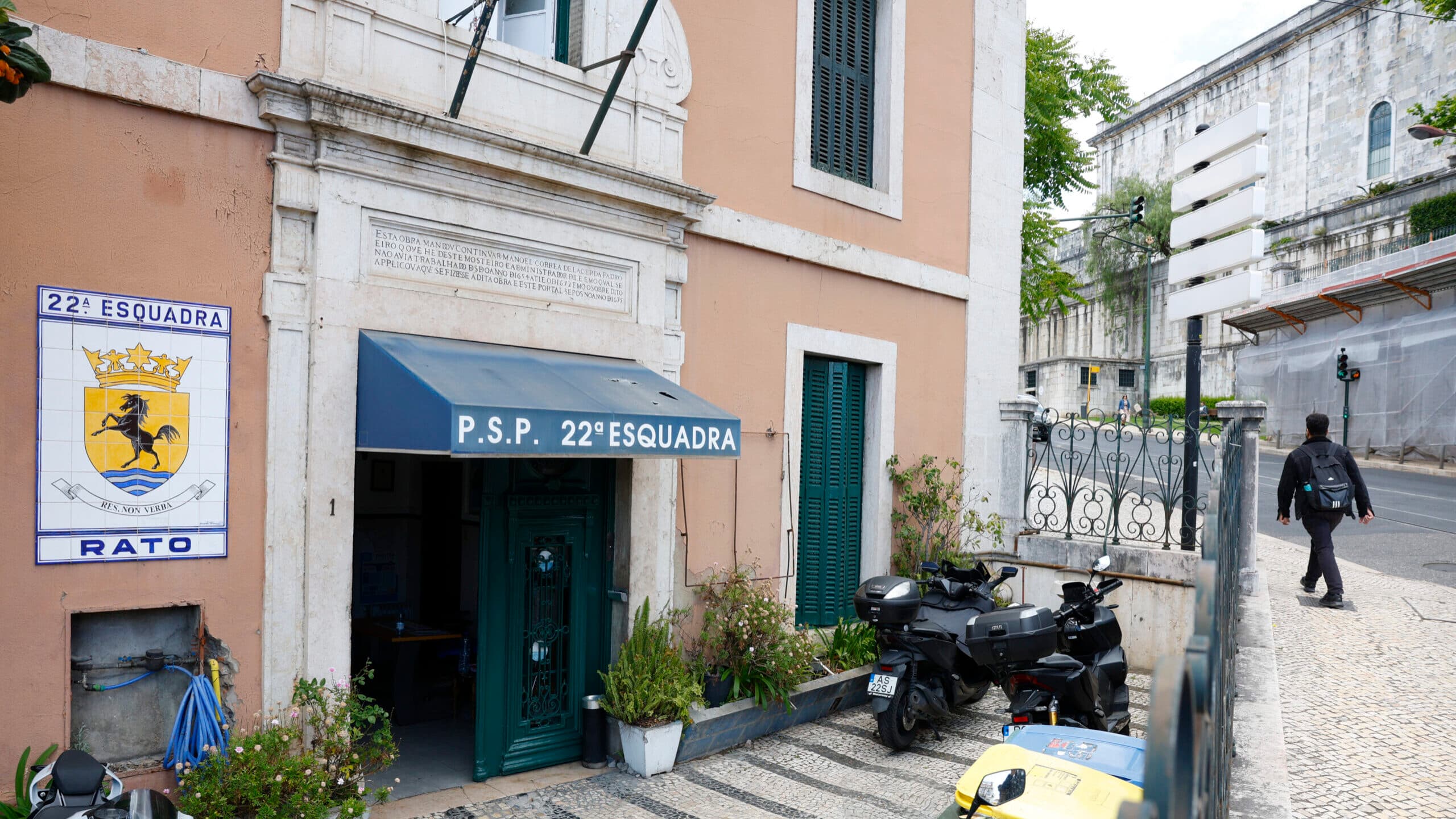
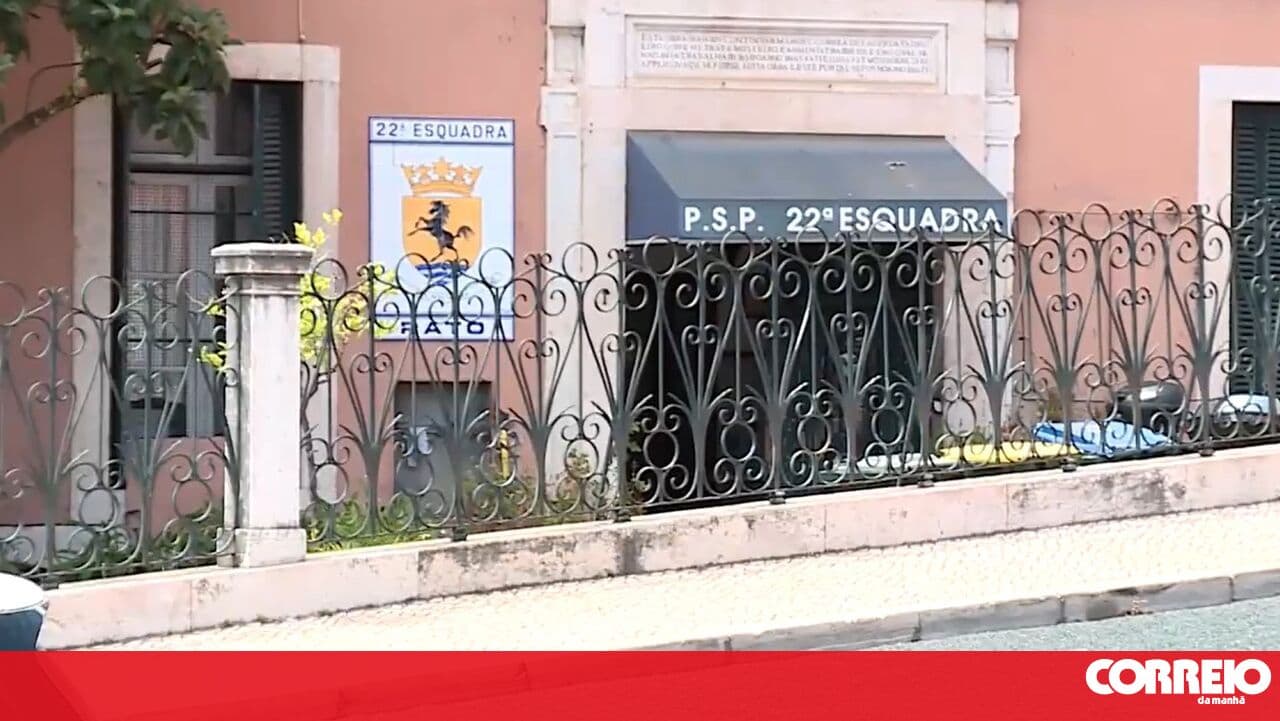
Torture at the Rato PSP station implicates six more officers. Nine police officers are already in pre-trial detention
A woman and a chief are among the suspects. They were questioned at the Lisbon DIAP, but are not formal defendants.

Latest news and stories about police misconduct in government in Portugal for expats and residents.
This page has only 2 stories and is not indexed by search engines.
A woman and a chief are among the suspects. They were questioned at the Lisbon DIAP, but are not formal defendants.

Nine police officers in Portugal have been detained as part of an expanding investigation into abuse allegations. The probe is examining misconduct within the police force, highlighting concerns over abuse and misconduct by law enforcement officials. Further details about the specific allegations or the context of the investigation are not provided in the summary.

Investigation into crimes of violence and torture at the Rato police station may have consequences for 70 more police officers.

Seven PSP officers from the Rato station were arrested on March 4th on suspicion of several crimes, including severe torture, consummated and attempted rape, and abuse of power.

Footage of the crimes was shared by the staff. Colleagues asked suspects to send the files.

Footage of the crimes was shared by the staff. Colleagues asked suspects to send the files.

The article reports that Portugal's national police director, Luís Carrilho, affirmed a zero-tolerance policy for police misconduct, emphasizing that no one is above the law, including police officers. He addressed recent allegations of severe abuse and violence at the Rato police station in Lisbon, which led to the detention of seven officers involved in serious crimes such as torture, assault, and abuse of power, primarily targeting vulnerable individuals like drug addicts, foreigners, and homeless persons. These incidents, some of which involved filming and sharing abuses via WhatsApp, are being thoroughly investigated by judicial authorities. The police leadership acknowledges these cases as exceptions and reaffirms their commitment to maintaining public trust and safety in Portugal.

At the court in Loures, and before a jury, the now chief inspector of the PJ admitted that he fired while pursuing a group of youths who were allegedly peering into his garden.

GNR officers from Tavira, who are under house arrest, are accused of a total of 27 crimes. They allegedly forced victims to pay fines for fabricated road-traffic offences.

Third part of Doa a Quem Doer on 23 January 2026.

The programme Doa a Quem Doer also reveals new information about the disappearance of Maria Custódia Amaral, daughter of actress Delfina Cruz.

The Minister of Internal Administration admits that recruitment of candidates for the security forces needs to be more stringent.

During a parliamentary debate about the cases at the Rato police station and the alleged involvement of a PSP officer in the neo-Nazi group 1143, the minister rejected that abuses by police are systemic but acknowledged a negative trend.

The case concerns an indictment by the Public Prosecutor's Office that “describes a series of violent practices” carried out by PSP officers on duty at police stations in Lisbon.

Some PSP officers suspected of involvement in violent assaults on detainees at the Rato and Bairro Alto police stations in Lisbon remain on duty despite being under investigation. ISCTE researcher Otávio Raposo analyses the situation.

Authorities admit that, without sufficient evidence or identification of all those involved, the officers remain in post while the investigation continues.

Ammunition from batches different to those allocated by the PSP could not be traced back to the police and could be used in serious crimes.

The events date back to 2016. The officer remains in service despite being named as a suspect in two cases.

A 42-year-old police officer is under house arrest. He will face trial and may be expelled from the PSP (Public Security Police).

The Public Prosecutor's indictment is 122 pages long and describes the assaults in detail.

A police officer previously implicated in torture had access to unauthorised ammunition from batches not assigned to the PSP; these rounds were untraceable to the force and could facilitate serious firearms offences. The case exposes weaknesses in ammunition control, record-keeping and oversight within the PSP, increasing public safety risks and underscoring the need for stricter inventory procedures, forensic tracing and accountability measures.

Guns held to victims' heads, beatings, hair cut off. It was the PSP itself that, upon receiving the complaint about one of the cases, forwarded it to the Public Prosecutor's Office.

Guns held to victims' heads, beatings, hair forcibly cut. It was the PSP itself that, when it received a complaint about one of the cases, referred it to the Public Prosecutor's Office.

The Public Prosecutor's Office alleges that more than ten officers assaulted detainees at two Lisbon police stations and that images of alleged torture were shared among over 70 police officers. Two people have been formally identified as suspects in the alleged torture inquiry, and the prosecution's file describes ten particularly violent assaults. The allegations raise serious criminal and human-rights concerns and the investigation is ongoing.