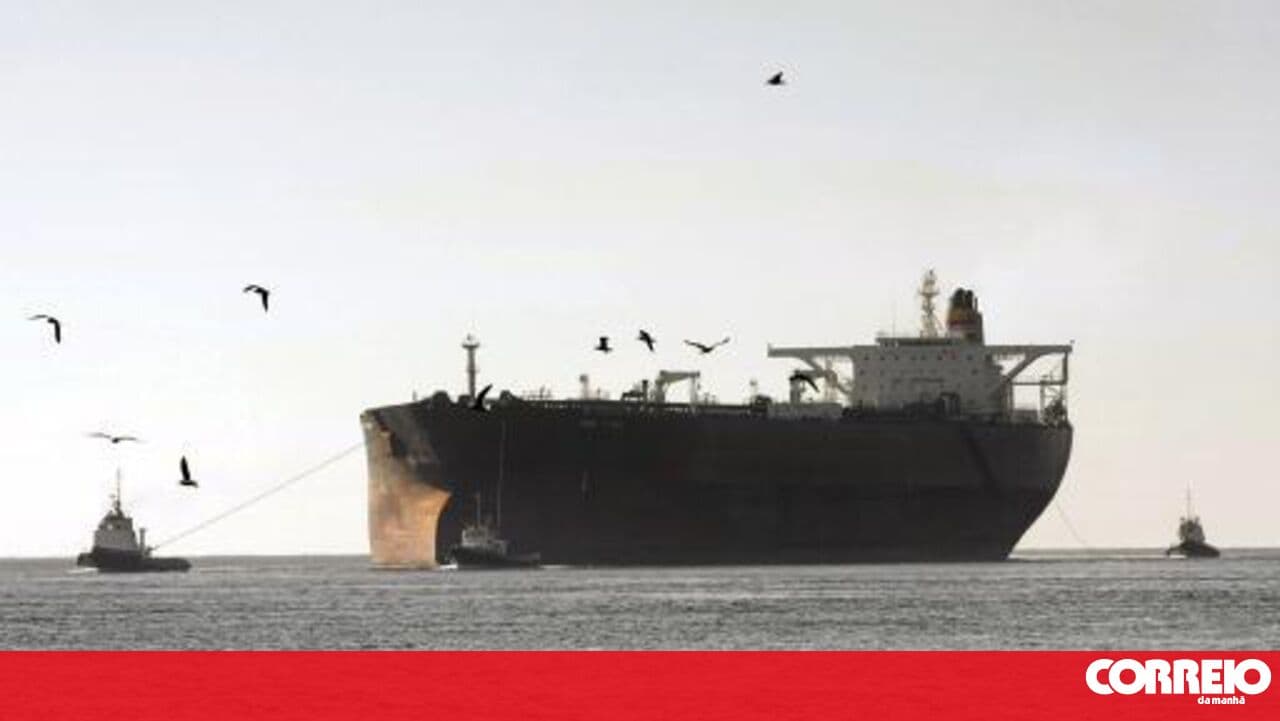
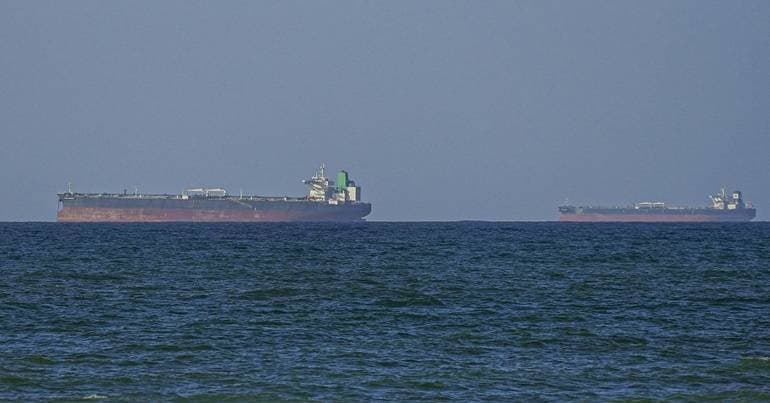
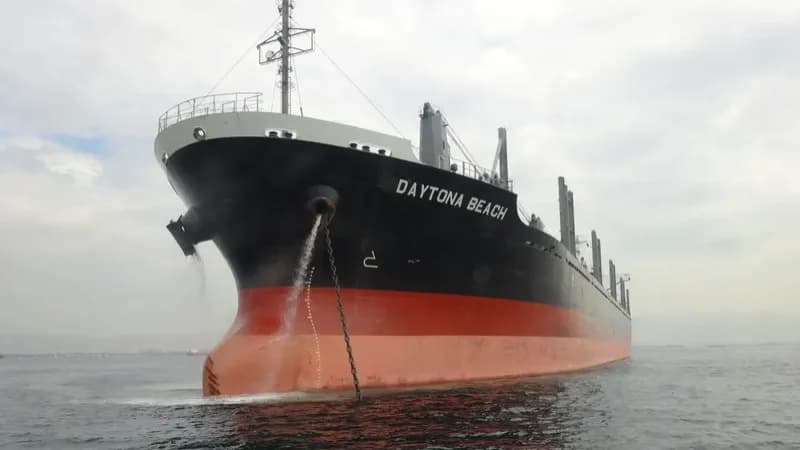
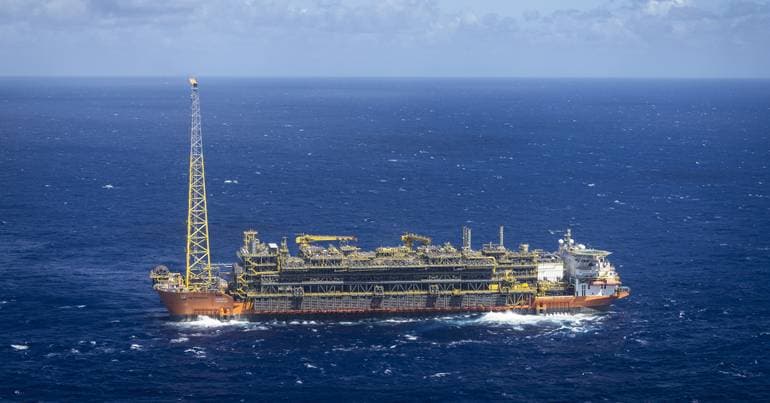
Tehran selects allied ships that may cross the Strait of Hormuz
At least five ships have left the strategic waterway.

Latest news and stories about global economy in Portugal for expats and residents.
This page has only 1 story and is not indexed by search engines.
At least five ships have left the strategic waterway.

Small regional events reverberate globally, making the interpretation of indirect signs an even more relevant and essential tool for anticipating trends and decisions that will shape the future. Opinion by João Ferreira da Cruz

European Council President António Costa expressed deep concern over the conflict between the US/Israel and Iran, noting that the lack of a clear objective makes the duration of the war unpredictable and poses risks to international stability, European security, and the global economy.


Economist Luís Aguiar-Conraria analyzes the potential economic fallout of the Middle East conflict, emphasizing that global recession risks depend heavily on policy responses and the stability of oil transport routes.
![If there is an impediment to oil transport [in the strait], it is almost as if 20% of global reserves disappeared](/_next/image?url=https%3A%2F%2Fimg.iol.pt%2Fimage%2Fid%2F69b73b3ed34edcee7c61e93d%2F200.jpg&w=3840&q=75)
The United States will also be affected despite being the world's largest producer of oil and gas today, thanks to shale oil and gas exploration. Analysis by Teresa de Sousa.

Joao Rodrigues dos Santos, a commentator for CNN Portugal, argues that 'the Strait of Hormuz will not be cleared' anytime soon, because Iran 'wants to place a global crisis on the shoulders of the USA, turning the whole world against the country'.

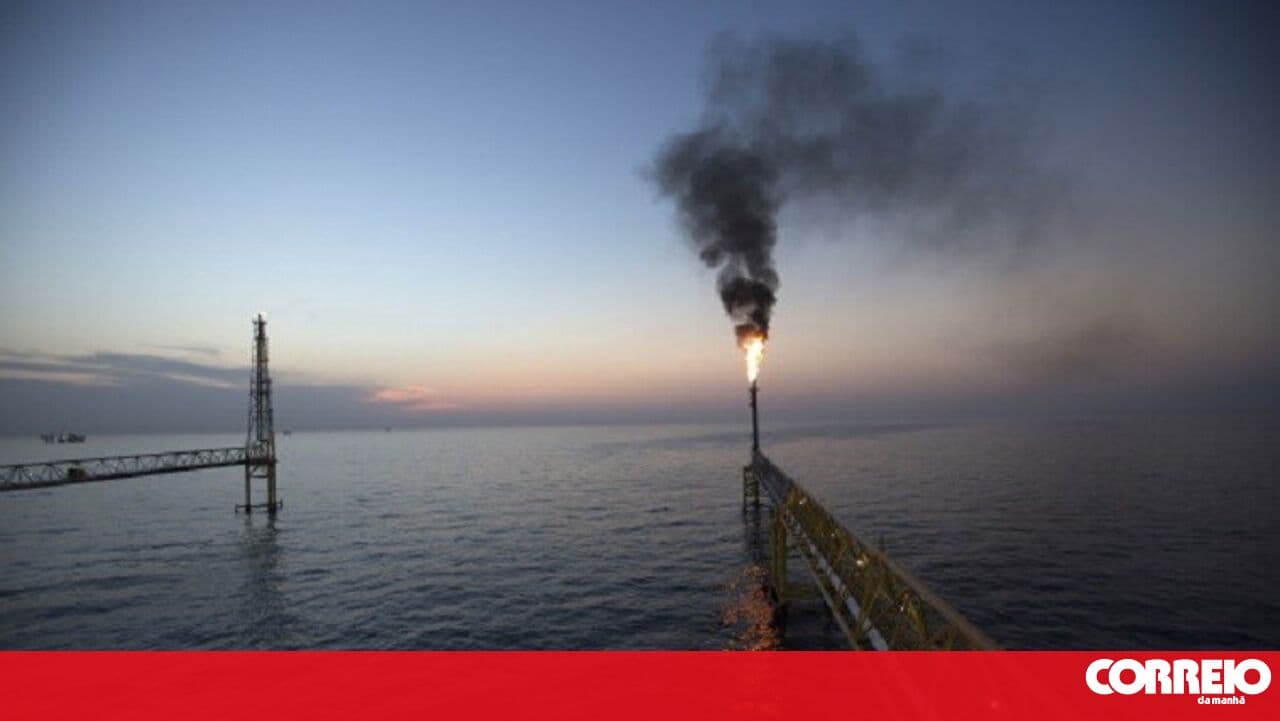
The offensive by the US and Israel against Iran has led to the suspension of maritime traffic through the Strait of Hormuz.

The secret to the economic impact of the war in Iran lies in its duration. If the Strait of Hormuz remains closed for a long time, it could lead to recession and rising inflation, points out Sree Kochugovindan.

The US Chairman of the Joint Chiefs of Staff, Dan Caine, described the Strait of Hormuz today as a “tactically complex environment,” implicitly acknowledging that it will not be possible to prevent Iranian attacks on ships in the short term.

“If the conflict lasts another two or three weeks, the global economy will not hold up,” says António Costa Silva.
An envoy for the President of Russia stated today that the global energy market 'cannot remain stable' without Russian oil, after Washington temporarily authorised the sale of Russian oil stored on ships.
The article discusses the global oil market, emphasizing that the United States is beginning to acknowledge the obvious: without Russian oil, market stability cannot be maintained. Moscow asserts that the absence of Russian petroleum exports would destabilize global oil prices and markets, highlighting the critical role Russia plays in the energy sector. The piece underscores the interconnectedness of global energy supplies and suggests that efforts to exclude Russian oil could have significant repercussions on market stability, including potential increases in prices and supply disruptions.

OPEC maintained its forecasts for oil supply and demand, as well as global economic growth, today in a report containing data from before the start of the US and Israeli attacks against Iran on February 28.

OPEC maintained its forecasts for oil supply and demand, as well as global economic growth, in a report released this Wednesday, the 11th. The data predates the US and Israeli attacks on Iran on February 28th. The monthly report shows that Iran and other regional producers increased output in February compared to January, with Iran extracting nearly 3.2 million barrels per day. Despite geopolitical tensions in the Middle East and Eastern Europe, OPEC expects economic growth to remain steady at 3.1% in 2026 and 3.2% in 2027, supported by strong performance in the US, China, and India. Oil consumption forecasts remain at 106.5 million barrels per day for 2026 and 107.8 million for 2027, driven by transport fuels and industrial activity in non-OECD countries.

In an interview with CNN Portugal, former Minister of Economy Pedro Siza Vieira analyses the impact that the conflict in the Middle East is having on the global economy.

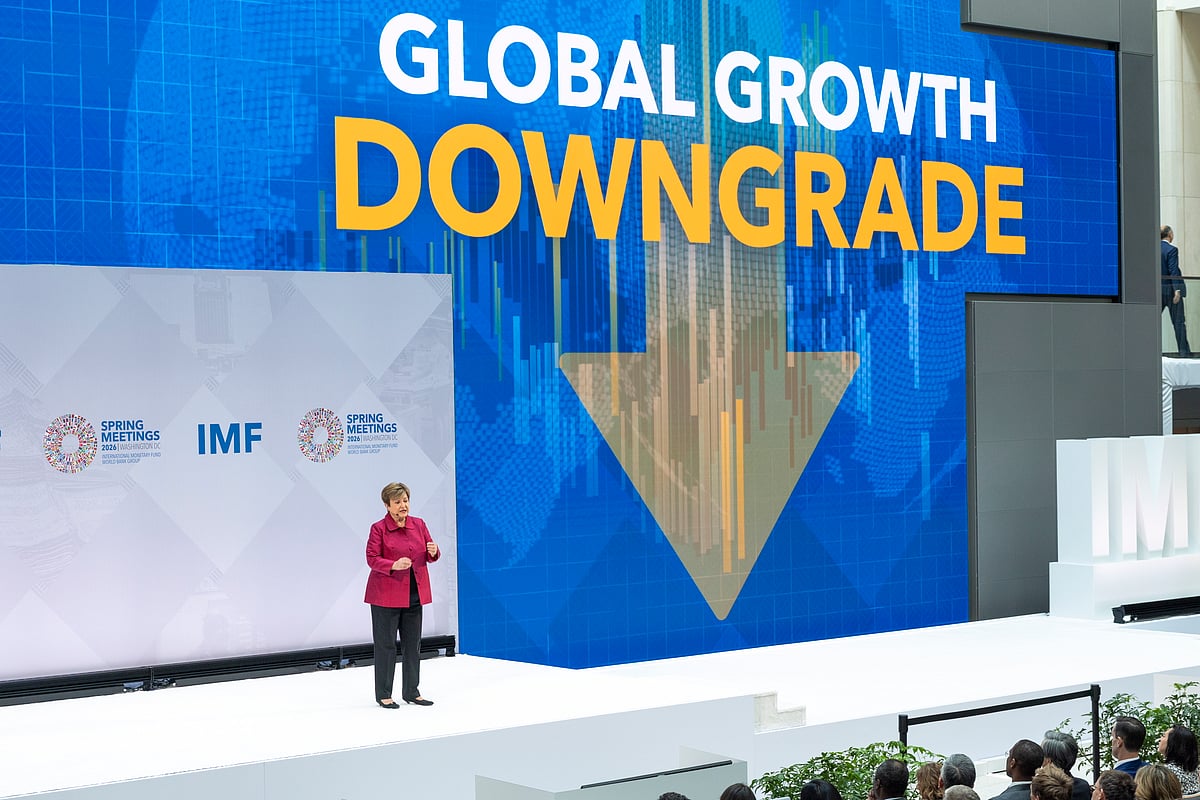
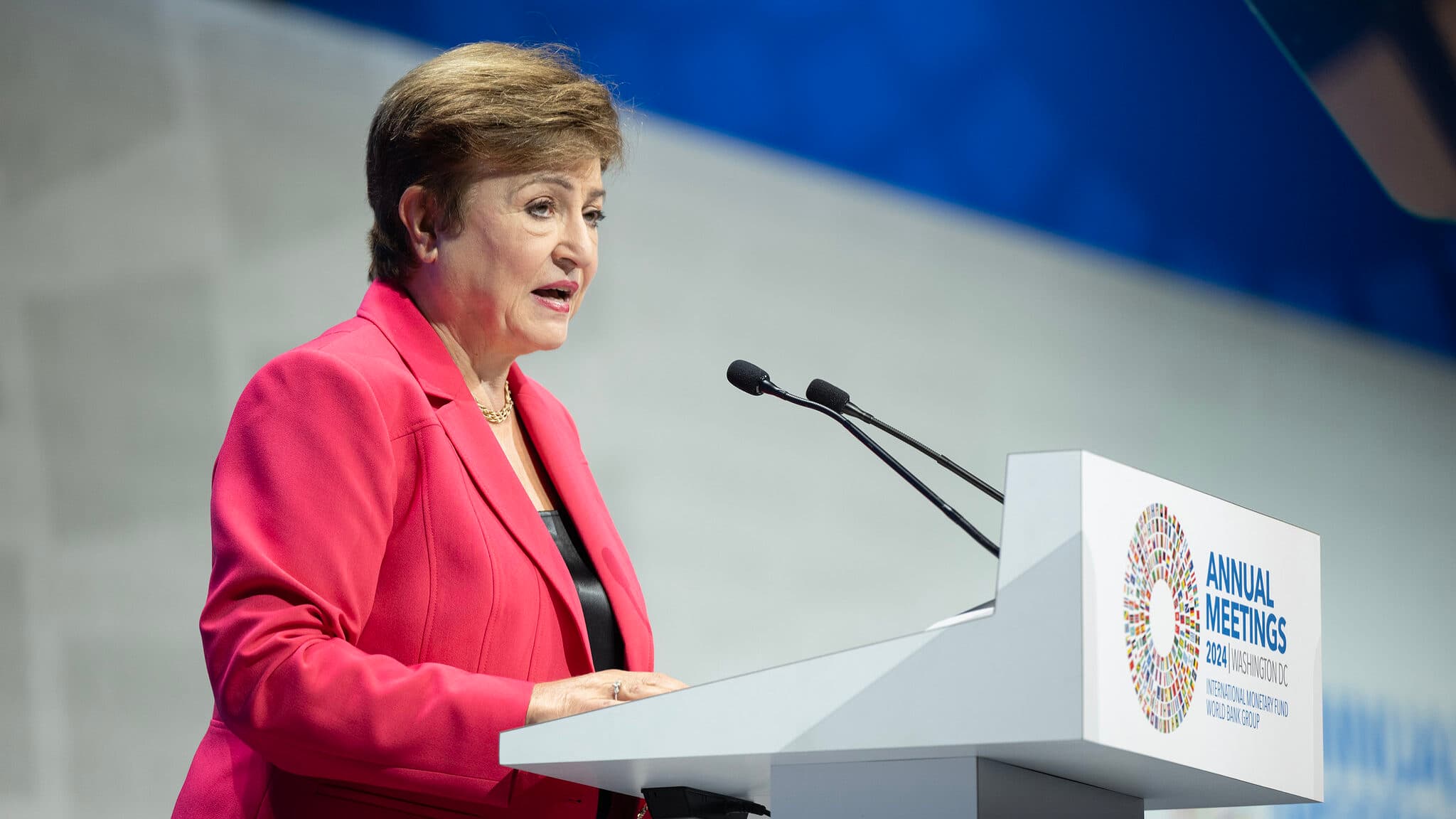
The Managing Director of the International Monetary Fund (IMF) urged government leaders this Monday to think about “the unthinkable” in light of the war with Iran and successive global shocks, advocating for rapid responses to strengthen economic growth and resilience. “If, as we all hope, the conflict [in Iran] ends soon, be certain that shortly after, another will arise.”

A new record of inequality: 12 people hold more wealth than half of humanity