OCC organises training on the 2026 State Budget, new contribution cycle and two-factor authentication
New year, new cycle of training. The Portuguese Order of Certified Accountants (OCC) will organise a special training session focused on the 2026 State Budget, other tax changes and VAT in the construction sector, as well as the new contribution cycle and two-factor authentication. According to the Order, led by Paula Franco, this training cycle takes place between 16 ...
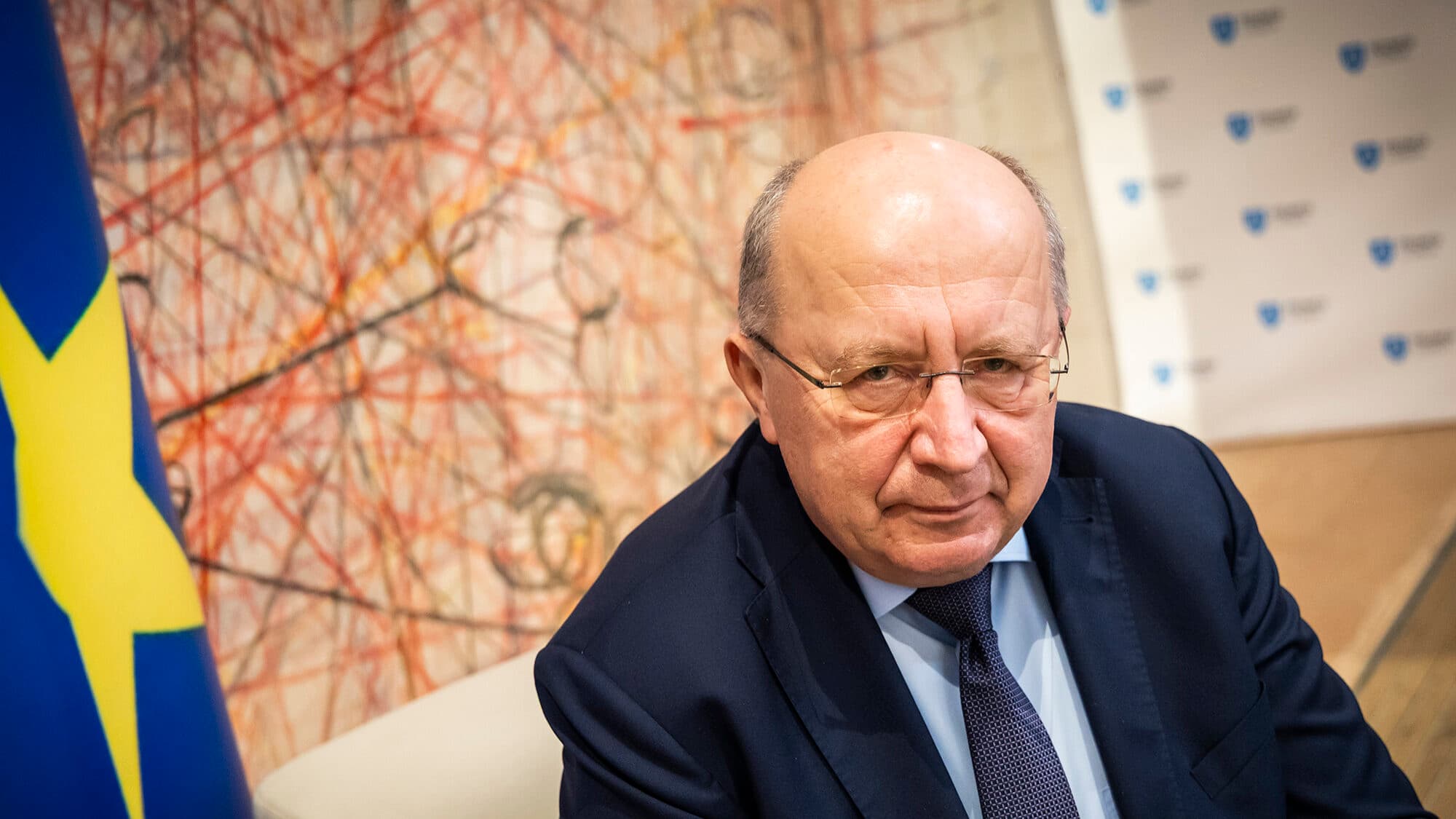
"SAFE funds could reach the Government in the coming weeks or months"
European Commissioner for Defence and Space Andrius Kubilius conducted his first official visit to Portugal, meeting Defence Minister Nuno Melo and Education Minister Fernando Alexandre to discuss defence and space policy. He signalled that SAFE funds could reach the Portuguese government in the coming weeks or months, prompting analytical questions about budget timing, allocation between defence and civil space programmes, and coordination between national ministries and EU institutions. The visit underlined the need for clear planning to integrate incoming EU funding with Portugal’s defence and space policy priorities.
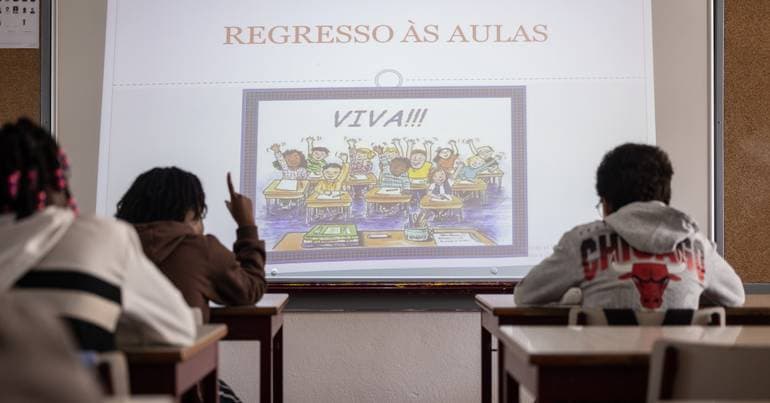
€32 million to reduce the number of pupils without classes
The funds are for payment of overtime and travel allowances.

Education: €25.9 million in overtime hours in December
According to the released data, the number of teachers covered by overtime payments “will shortly be revised upwards”, as will the funding allocated to these payments.
Ministry of Education paid €25.9 million for overtime hours in December
More than 30,000 teachers were covered.
Ministry of Education paid €25.9 million in overtime in December
According to published data, the number of teachers covered by the overtime payments “will shortly be revised upwards”, as will the funds allocated to these payments.
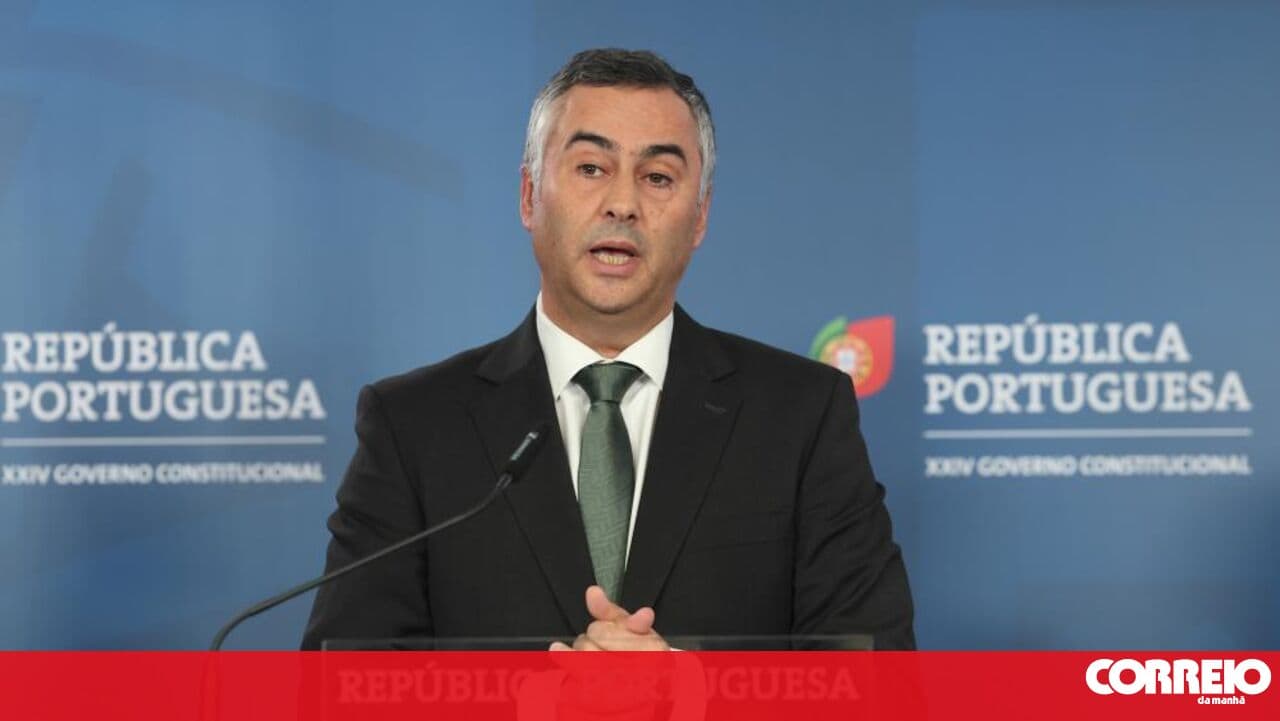
More than 30,000 teachers worked overtime to cover teacher shortages
The ministry paid almost €26 million in overtime, which includes retroactive payments back to 2018 after a correction in the calculation. More than 5,700 teachers are receiving travel support.

This school year alone 1,500 teachers postponed their retirement
The Ministry of Education believes the €750 supplement helped reduce the number of teachers retiring in 2025. In the previous school year, 1,496 teachers extended their careers.

Special education schools to receive an extra €65 per pupil — "It's a pittance", say institutions
The current amount stands at around €650 and will rise to €716, representing a 10% increase. However, schools say this rise is insufficient to meet their expenses, especially staff costs.

Government increases funding for special education by 10%
The monthly funding per pupil thus rises from €651.26 to €716.39 in special education schools, leading the Government to disburse €12.6 million this year.
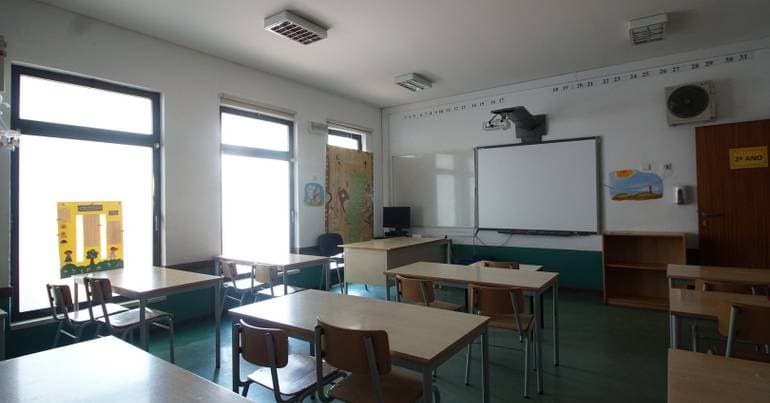
Government boosts funding allocated to special education schools by 10%
The increase is intended to address the financial difficulties experienced by the schools, the government says.

Government increases funds allocated to special education schools by 10%
The Ministry of Education said today it will increase by 10% the funds allocated to special education schools under cooperation contracts, clarifying that the boost aims to address the financial difficulties experienced by those schools.

FCT says it transferred €11.4 million for 1,445 new PhD scholarships
According to the Foundation for Science and Technology, eight programme contracts corresponding to 95 scholarships have yet to be drafted or signed.

Refund of tuition fees remains uncertain. Listen to the 'Ao trabalho!' podcast
The latest episode of the weekly podcast 'Ao trabalho!' examines lingering uncertainty over tuition fee refunds and the implications for pay awards that recognise qualifications. Finance Minister Joaquim Miranda Sarmento’s response on the pay-award question is discussed alongside fast-moving items on labour policy, employment law and the state budget, with analysis of what these developments mean for workers and expats. The short, under-five-minute episode aims to distil key takeaways and policy consequences for those following workplace rights and public spending.
Tuition refunds in doubt. Government to review salary award
Finance Minister Joaquim Miranda Sarmento said on Wednesday that the Government will review the salary award for recognising qualifications. A measure that, in practice, amounts to the refund of tuition fees to young people who remain working in the country. Applications must be submitted by May each year, but in 2025 the ...
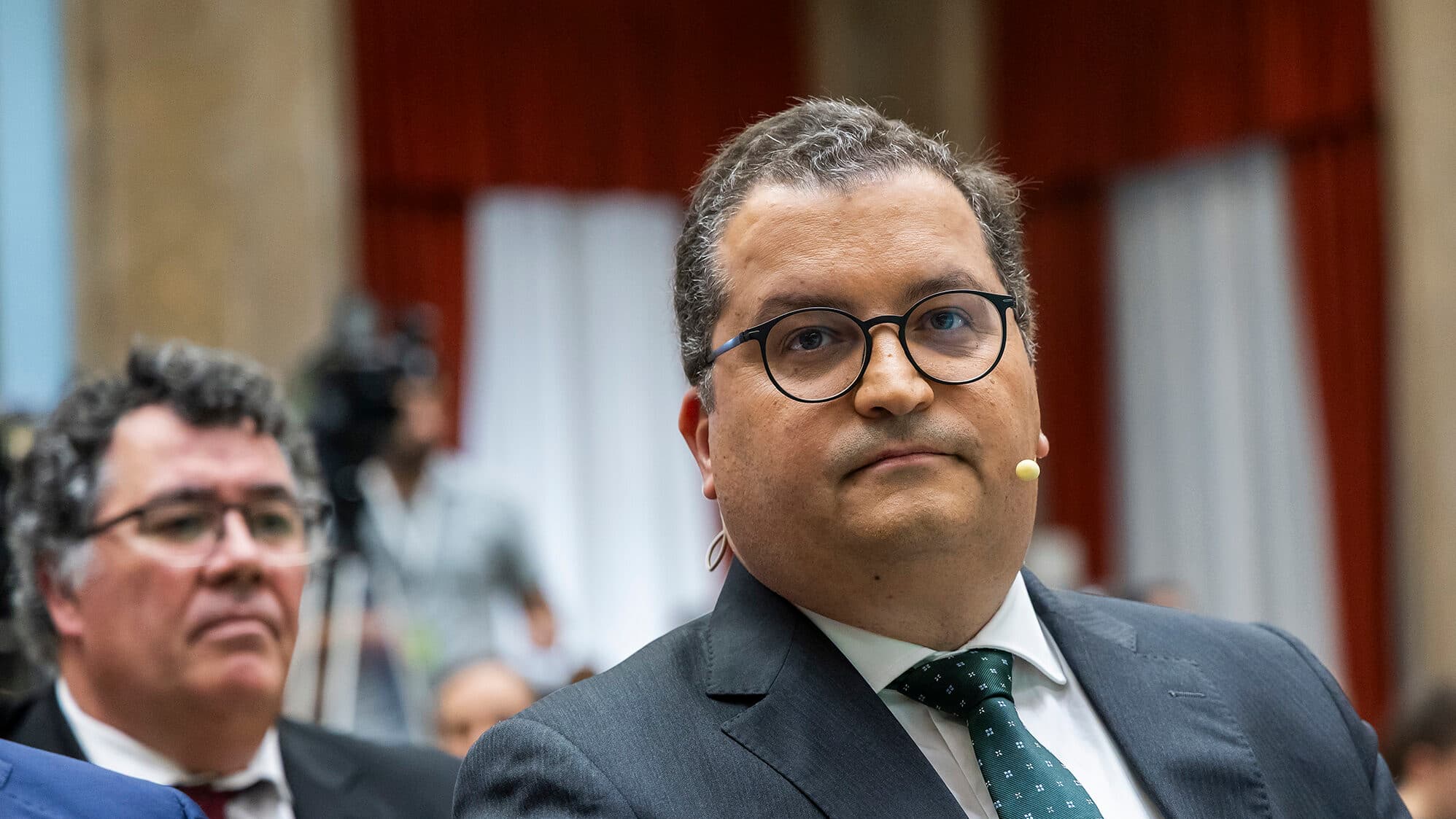
Unsustainable finances prompt special education schools to take to the streets on Monday
Protests will take place outside the Ministry of Education to demand an increase in the contribution paid by the State.

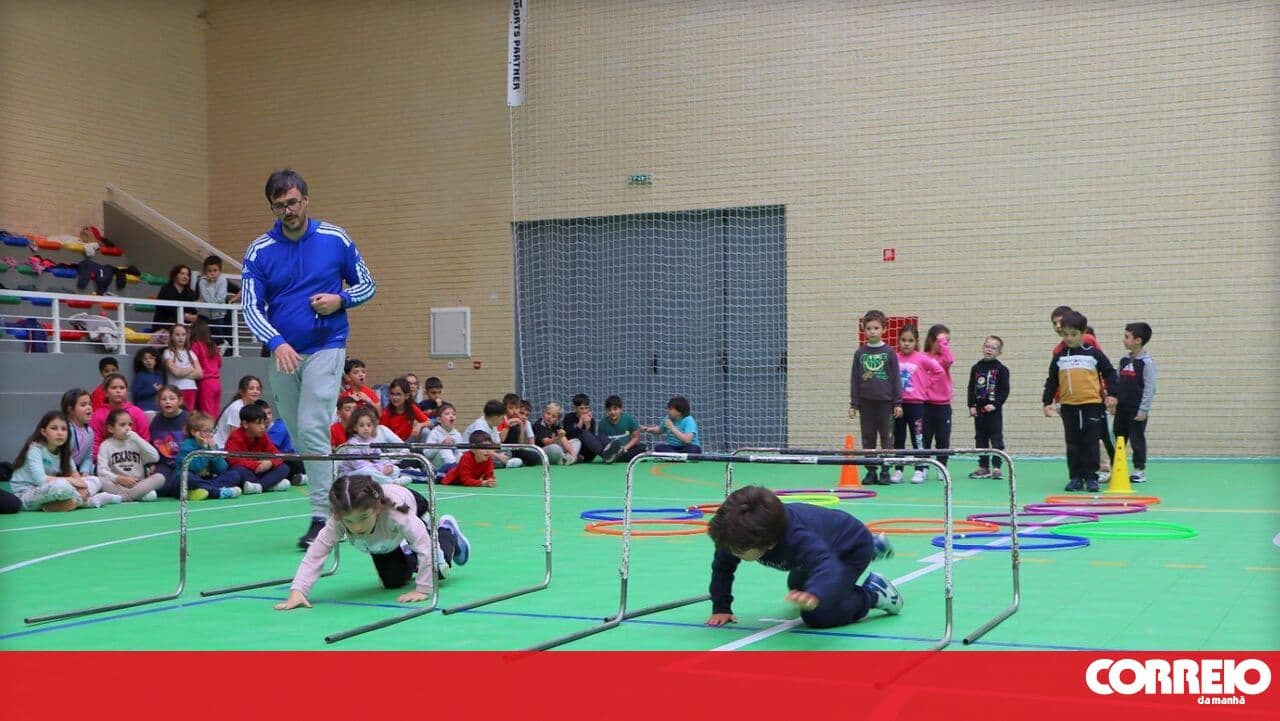
1st-cycle pupils to have Physical Education from next school year
The government will introduce compulsory Physical Education for 1st‑cycle pupils in public schools from the next school year, affecting around 330,000 children. The Budget Law commits to hiring the teachers needed to deliver the measure but does not specify how much will be invested or the number of weekly hours to be allocated. The lack of detail raises implementation questions — recruitment timelines, teacher training, regional distribution, and fiscal impact — and creates uncertainty about curriculum time and equity of provision across schools.
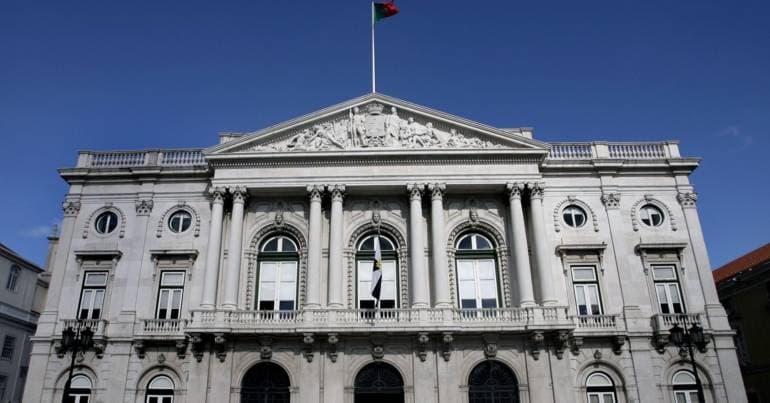
Left Bloc criticises Lisbon budget
“Carlos Moedas has no new ambitions for Lisbon and there is no way to solve the problems of access to housing, schools, or the social issues of the city,” argued the Left Bloc.
Freezing tuition fees is a "terrible decision" and a "setback"
The Minister of Education believes that the decision will make higher education institutions dependent on the government, “lacking autonomy and capacity for innovation”: this is a “historical setback.”

OE2026: Over 160 amendments, from tolls to tuition fees, with PS leading the opposition
The 2026 State Budget sees more than 160 proposed amendments, addressing issues ranging from toll charges to university tuition fees, with the Socialist Party (PS) taking a prominent role in opposing the measures.
