Latest news and stories about disinformation in Portugal for expats and residents.
This page has only 1 story and is not indexed by search engines.
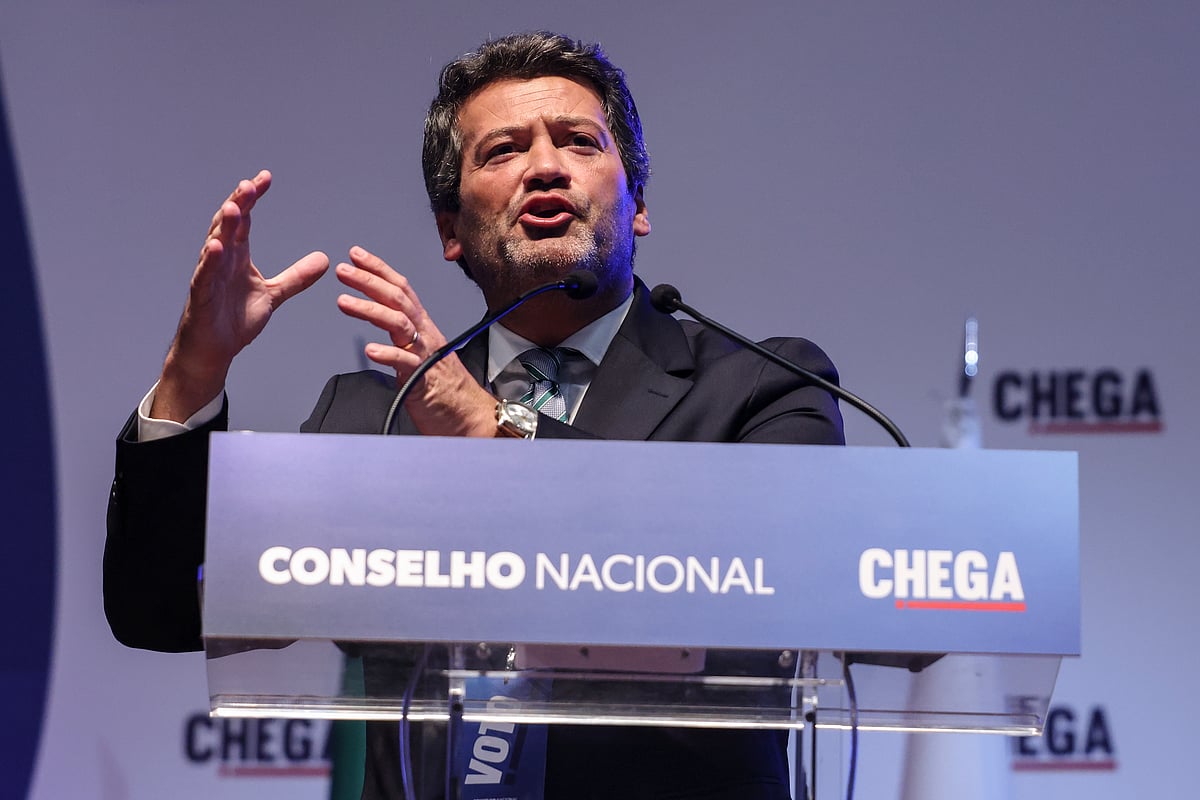
Disinformation linked to the presidential election totalled more than 8.3 million views on social media in the first round, and André Ventura accounted for 82.4% of the cases, according to LabCom — the Communication Laboratory of the University of Beira Interior (UBI). LabCom's study, carried out within ODEPOL — the Political Disinformation Observatory, monitored disinformation related to ...

André Wemans, of the National Elections Commission, told RTP that there has been only one disinformation incident so far. An individual urged a vote that would be recorded as an invalid ballot.

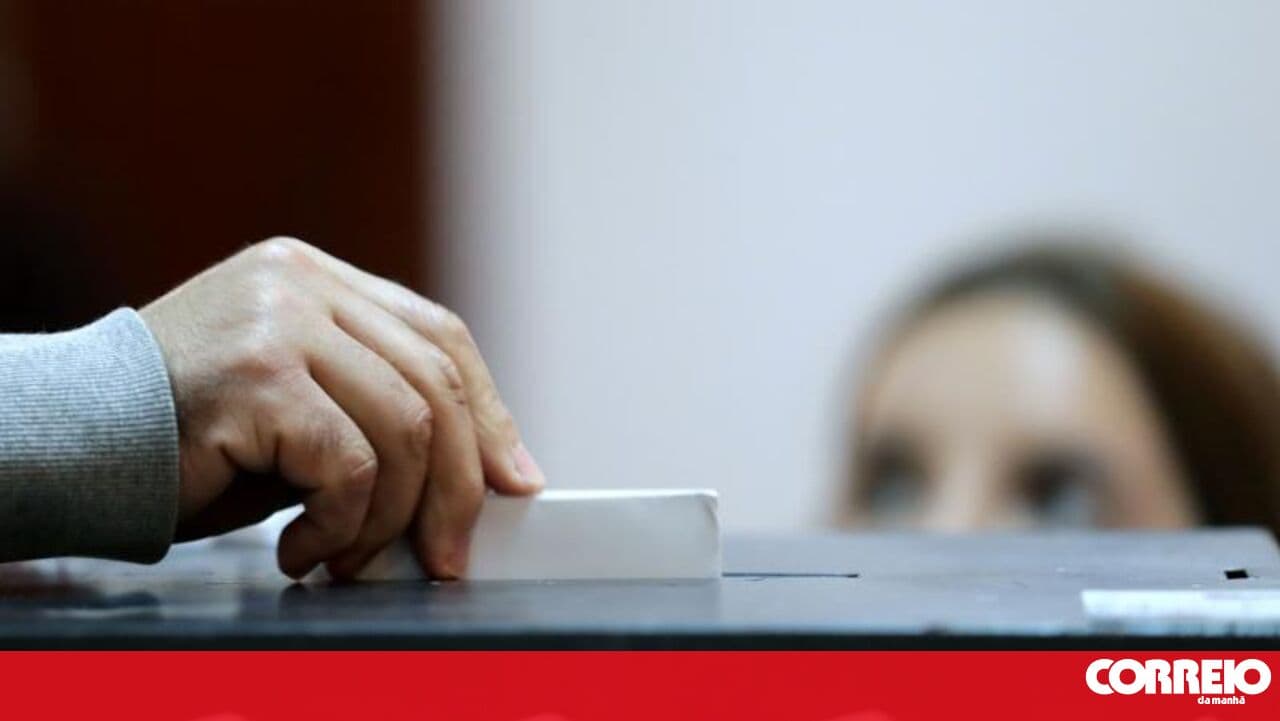
André Wemans, spokesman for the National Elections Commission (CNE), says Sunday's voting is proceeding “normally”, despite some “disinformation” on social networks about how to vote.

Home News The reality of misinformation in Portugal The reality of misinformation in Portugal Since November 2025, misinformation associated with the presidential elections has garnered more than 7. 7 million views on social media, with André Ventura accounting for 85.

André Ventura uses disinformation “to create chaos and informational disorder in society and to manipulate the electorate”.

Disinformation in the presidential elections showed a pattern similar to that of the 2025 legislative elections and had a greater impact than expected, academic Branco Di Fátima told Lusa today.

The Regulatory Authority for the Media (ERC) opened three procedures concerning compliance with the polling law after monitoring disinformation on social networks during the presidential campaign. The regulator signed a protocol in November 2025 with LabCom — the Research Unit in Communication Sciences at the University of Beira Interior ...

The President of the Assembly of the Republic says the solution to threats to democracies 'cannot rely solely on security and defence', but must also involve 'greater participation, stronger civic engagement and better information'.

A LabCom study at the University of Beira Interior finds disinformation linked to the presidential campaign has reached over 7.7 million views on social media since November 2025, with André Ventura associated with about 85.7% of identified cases. Multiple national outlets report the figures consistently, noting the high concentration around one candidate and the scale of reach. Voters and social-media users should be cautious about viral claims and cross-check major assertions with reputable outlets.

André Ventura, born January 15, 1983, is a lawyer, academic, and Portugal's most prominent far-right leader. He founded Chega ("Enough") in 2019 after his PSD mayoral campaign attacked the Romani community. Chega surged from 1.3% in 2019 to 22.8% in May 2025, becoming parliament's second-largest party and making Ventura Leader of the Opposition.
His platform emphasizes immigration restrictions, law-and-order policies, constitutional reform, and contains inflammatory anti-Romani rhetoric that has triggered multiple discrimination convictions and investigations. Politically classified as far-right by international media, Ventura cultivates alliances with European far-right figures including Marine Le Pen and Santiago Abascal.
He announced his 2026 presidential candidacy, polling at 18% alongside independent Admiral Gouveia e Melo. His rise ended Portugal's 50-year resistance to far-right parties.
LabCom is the Communication Laboratory at the University of Beira Interior (Universidade da Beira Interior), a research group that monitors media, political communication and disinformation. Its study found that since November 2025 election‑related disinformation posts have collected over 7.7 million views on social media, with André Ventura linked to 85.7% of the cases, which helps voters and residents understand the scale and sources of misleading content ahead of the vote.

The platform includes two practical guides that help recognise manipulative signs and reduce the risk of manipulation.

What we have on the table, after these years of fake news, is scarce. The question is whether the State should adopt a more proactive stance, in cooperation with civil society and academia. Opinion piece by Francisco Rui Cádima.