

The hour that nobody wants
What is being established in the minds of the confused – starting with defenceless children – is that summer time is merely the counterpoint to winter time. A column by Miguel Esteves Cardoso.
Público

Latest news and stories about daylight saving in Portugal for expats and residents.
What is being established in the minds of the confused – starting with defenceless children – is that summer time is merely the counterpoint to winter time. A column by Miguel Esteves Cardoso.
Mainland Portugal and the autonomous regions of Madeira and the Azores will move their clocks forward one hour early Sunday morning, marking the start of daylight saving time. In mainland Portugal and the Autonomous Region of Madeira, clocks will advance one hour at 1:00 am on Sunday, becoming 2:00 am. In the Autonomous Region of the Azores...
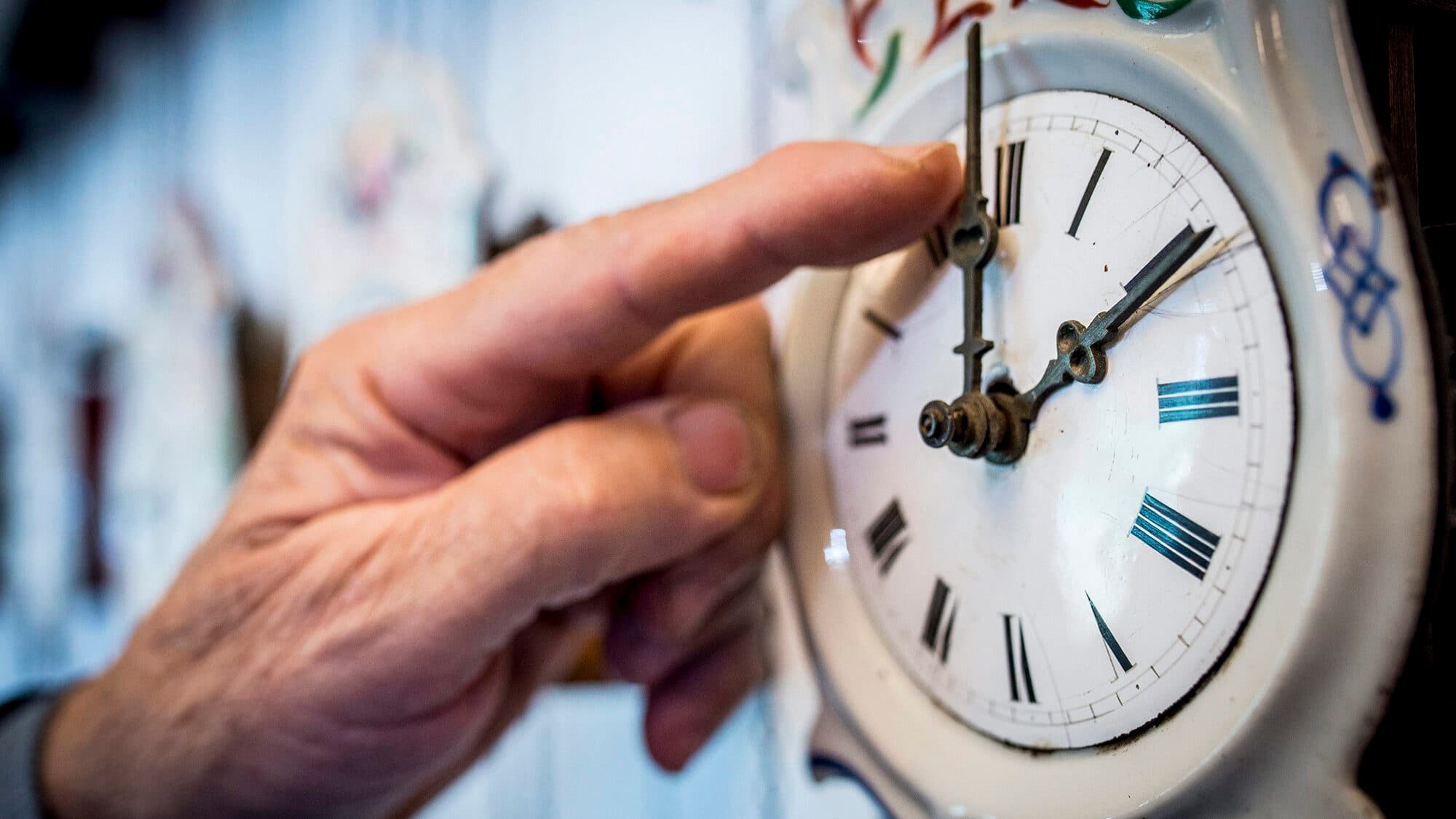
Mainland Portugal and the autonomous regions of Madeira and the Azores will move their clocks forward by one hour early on Sunday morning, marking the start of daylight saving time. In mainland Portugal and the Autonomous Region of Madeira, clocks will advance one hour at 01:00 on Sunday, becoming 02:00. In the Autonomous Region of the Azores, the change will take place at 00:00, moving to 01:00. Standard time will change again on 25 October for the winter period. The current clock change system is regulated by a 2000 European Union directive, which requires clocks to be moved forward and backward by one hour on the last Sunday of March and the last Sunday of October each year, marking the beginning and end of daylight saving time.
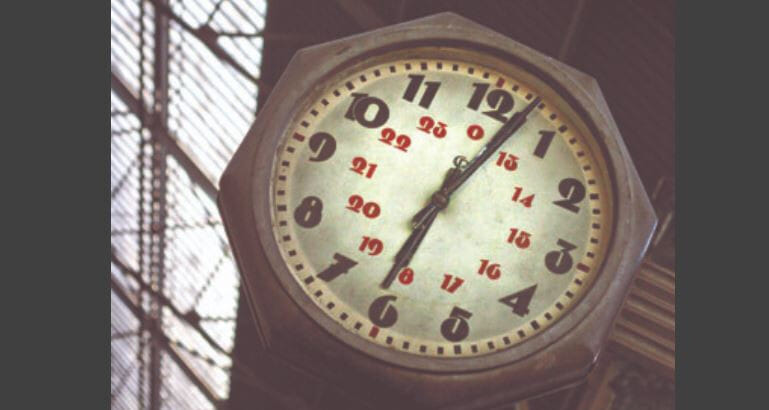
Mainland Portugal and the autonomous regions of Madeira and the Azores will set their clocks forward by one hour early on Sunday morning, marking the start of daylight saving time.
The current daylight saving time regime is regulated by a 2000 European directive, which provides that clocks are moved forward and backward by one hour on the last Sunday of March and October every year.

When the clock strikes one in the morning, it will automatically jump to two. In the Autonomous Region of the Azores, it will go from midnight to one in the morning. Estefânia Marques, a clinical psychologist, explains the consequences of this change for our sleep. The change will bring more hours of natural light and the days will become longer. Daylight saving time remains in effect until the last Sunday of October, when the clocks will be set back one hour.

In mainland Portugal and the Autonomous Region of Madeira, clocks will advance one hour at 01:00 on Sunday, becoming 02:00.

The EU has commissioned two different studies to re-evaluate the potential impact of adopting a single time zone — without changes in March and October. A decision could still be made in 2026.
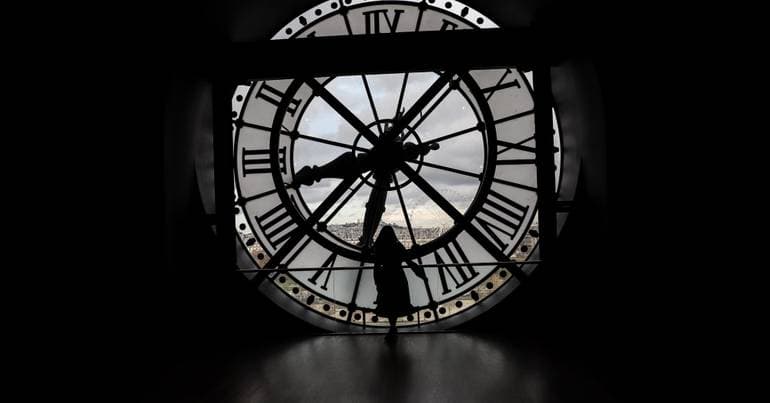
After a long and dark winter, days will become longer starting this Sunday (29). The date marks the beginning of daylight saving time in Europe, when clocks are moved forward by one hour—at 1:00 AM they jump directly to 2:00 AM. Consequently, the time difference with most of Brazil, which had been three hours in recent months, increases to four hours. The change occurs at 1:00 AM in mainland Portugal and Madeira. In the Azores, the change happens at midnight, with clocks moving forward to 1:00 AM. The archipelago remains one hour behind the mainland and Madeira. The new time will be in effect for the next six months until the start of winter time on October 25, 2026. The regime follows a European directive in force since 2000, which establishes the time change on the last Sunday of March and the last Sunday of October.
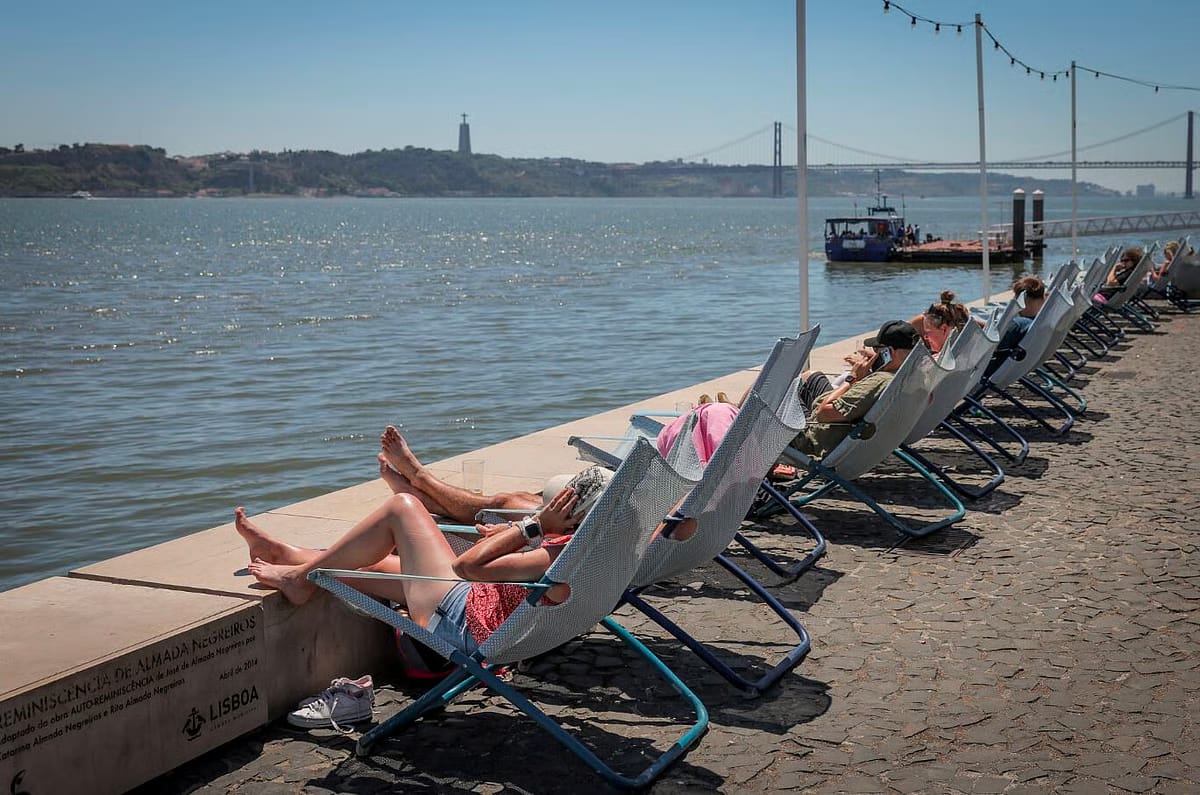
A sleep specialist explains that the time change has effects on mood, productivity, and even health, and 'there are more vulnerable groups'.

Home News Clocks will move forward in Portugal Clocks will move forward in Portugal Mainland Portugal and the autonomous regions of Madeira and the Azores will move their clocks forward one hour in the early hours of next Sunday, marking the start of daylight saving time.
Another clock change is coming

Mainland Portugal and the autonomous regions of Madeira and the Azores will set their clocks forward by one hour this coming Sunday, March 29, marking the start of daylight saving time. In mainland Portugal and the Autonomous Region of Madeira, clocks will advance one hour at 01:00 on Sunday, becoming 02:00. In the Autonomous Region of the Azores, the change will occur at 00:00, moving to 01:00. Standard time will return on October 25 for the winter period. The current clock-change regime is governed by a 2000 EU directive, which requires clocks to be set forward and back by one hour on the last Sunday of March and the last Sunday of October, respectively. In September 2018, the European Commission proposed ending seasonal time changes, but the process has been stalled due to a lack of agreement among member states. When questioned by the Lusa agency, the European Commission stated last week that it is 'still possible' to reach a consensus to end the time change and will present a study on the matter later this year. European Commission spokesperson Anna-Kaisa Itkonnen noted that the executive decided to propose ending the time change in 2018 following requests from citizens and member states, a European Parliament resolution, various studies, and a public consultation supporting the measure. The European Commission believes it is possible to end the time change and will present a study.
Standard time will change again on 25 October to the winter regime.

In mainland Portugal and Madeira, clocks will advance one hour at 1:00 am on Sunday, becoming 2:00 am. In the Azores, the change will take place at 12:00 am, moving to 1:00 am.
Daylight saving time comes into effect until October 25th.

Clocks will advance one hour at 1 am on Sunday, March 29, becoming 2 am. Brussels believes it is possible to end the time change and will present a study.

Mainland Portugal and the autonomous regions of Madeira and the Azores will set their clocks forward by one hour early next Sunday morning, marking the start of daylight saving time.
Clocks ‘move forwards one hour’ for the spring and summer months next Sunday (March 29) – but this may be one of the last times: Brussels is getting serious about The post Clocks change next Sunday – but possibly for one of last times appeared first on Portugal Resident.

“We have launched a study to support” the process of ending the clock change, which should be completed by the end of 2026, explained the European Commission spokesperson.
At the end of the month, the clocks will change across the entire European Union to mark the start of summer time. In 2018, the European Commission proposed ending the seasonal adjustment, but the process has been stalled.

The European Commission believes that reaching a consensus to end the clock change is “still possible” and will present a study on the matter this year, with member states expressing their willingness to analyse it as soon as it is delivered. In the early hours of the 29th of this month, the time will change again across the entire European Union.

The process has been blocked since 2018 due to a lack of agreement between member states, despite 84% of citizens consulted being in favour of ending this practice.

The European Commission states that reaching a consensus to end the biannual clock change is still possible and will present a study on the matter this year. Member states have expressed willingness to review the findings once delivered. On the 29th of this month, clocks across the EU will shift to summer time, as mandated by a directive requiring adjustments on the last Sundays of March and October. Although the Commission proposed ending this practice in 2018 following strong public support, the process has been stalled due to a lack of agreement among member states. The current Cypriot presidency of the Council of the EU noted that they are prepared to discuss the proposal if the study is completed during their term, though it is expected to be finalised later.

In September 2018, the European Commission proposed ending seasonal time adjustments, but the process has been stalled since then due to a lack of agreement among member states on the matter.

The European Commission believes that reaching a consensus to end the clock change is “still possible” and will present a study on the matter this year, with member states expressing their willingness to analyse it as soon as it is delivered.
In 2018, the European Commission proposed ending seasonal time adjustments, but the process has been stalled since then due to a lack of agreement among member states on the matter.

Today, March 13th, marks World Sleep Day. Why do we want to keep repeating the mistake of changing the clocks twice a year? Opinion by Ana Rita Álvaro
