A little bit of geography
We say that we were colonised by the Moors, but we forget that the aforementioned Moors were African. A chronicle by Miguel Esteves Cardoso.

Latest news and stories about cultural identity in Portugal for expats and residents.
We say that we were colonised by the Moors, but we forget that the aforementioned Moors were African. A chronicle by Miguel Esteves Cardoso.

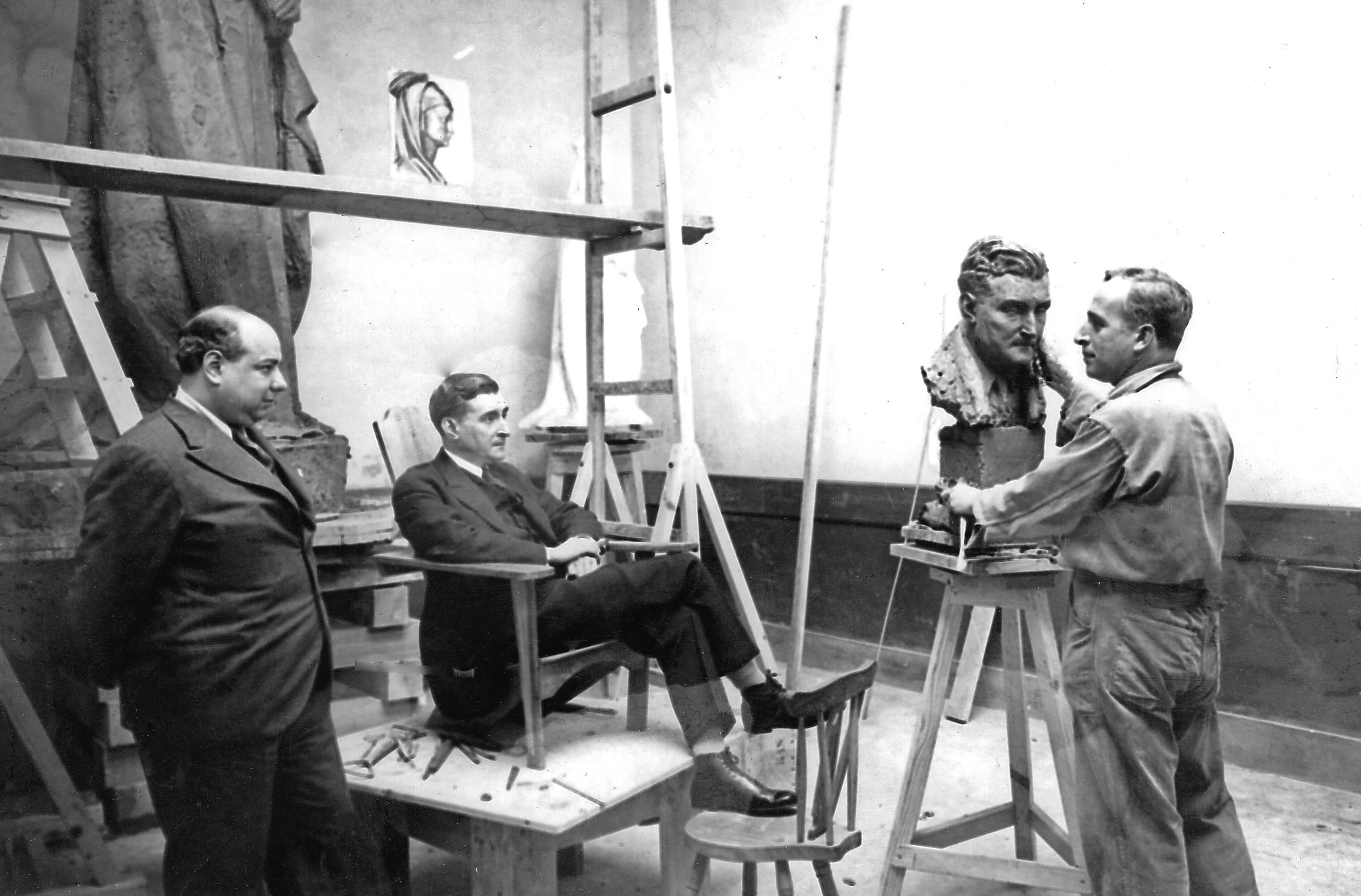
António Ferro, a figure inextricably linked to Salazar as the chief propagandist of the Estado Novo for nearly two decades, is the subject of a new six-part narrative podcast from Diário de Notícias. Through the perspectives of historians, political scientists, and his granddaughter, novelist Rita Ferro, the series explores his complex legacy—from his modernist roots and involvement with the Orpheu magazine to his role in shaping Portuguese cultural identity, including the popularization of the Barcelos rooster. The podcast, narrated by Nuno Braga, examines the life of a man who was a journalist, diplomat, and cultural architect, leaving an indelible mark on 20th-century Portugal.

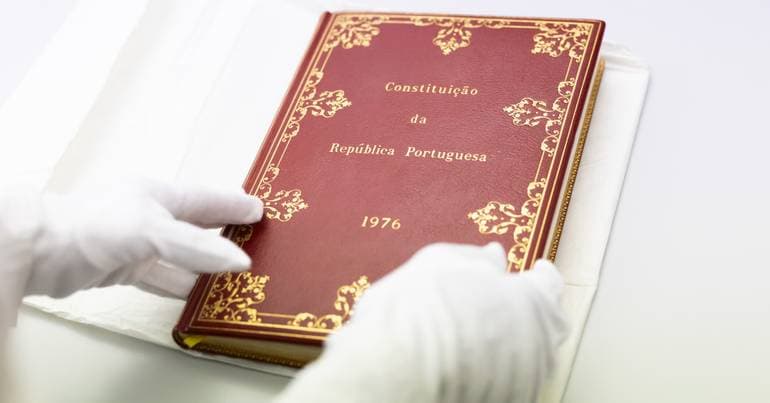
The Constitution of the Portuguese Republic now has a version in the Mirandese language. Associations describe it as a “deeply cultural gesture” to bring speakers closer to their fundamental law.

By gathering recipes, as well as customs and traditions, gastronomic charters serve as a vehicle for preserving cultural identity at the table. In Portugal, the oldest is the Alentejo charter, and the next one will be the Saloia.

Today, historians separate fact from propaganda and study the myth as a cultural phenomenon. The miracle of Ourique is not a lie, it is an identity narrative.

In this episode of 'Assim Vamos Ter de Falar de Outra Maneira' about collective memory and historical trauma, Miguel Góis, José Diogo Quintela, and Ricardo Araújo Pereira reflect on very ugly words that should not be said and recall the work of Avô Cantigas. At the end, they revisit a sketch about a man whose son is a gem of a boy.

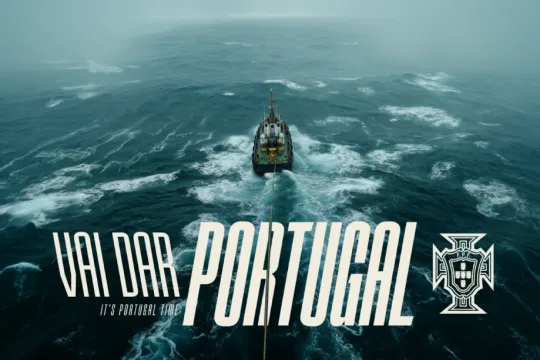
The Portuguese Football Federation has unveiled a new communication strategy for the National Team's participation in the 2026 World Cup, based on the slogan “Vai Dar Portugal” (It Will Be Portugal/Portugal Will Succeed). This campaign aims to represent not only support for the team but also the country's collective identity and its global positioning through football. The initiative seeks to frame the team as a cultural and emotional symbol of the nation, focusing on Portuguese values and the connection between fans and players. As part of this, an audiovisual project featuring the tugboat “Esperança” was launched, serving as a metaphor for resilience, with a concluding chapter expected in June 2026. The federation also aims to promote Portuguese culture to international audiences. On the sporting front, the team is beginning a series of preparation matches, starting with a game against Mexico at the historic Estadio Azteca, followed by a match against the United States in Atlanta on March 31st. Roberto Martinez anticipates a challenging test at the Azteca, noting that the 2026 World Cup will be one of the most complex ever.

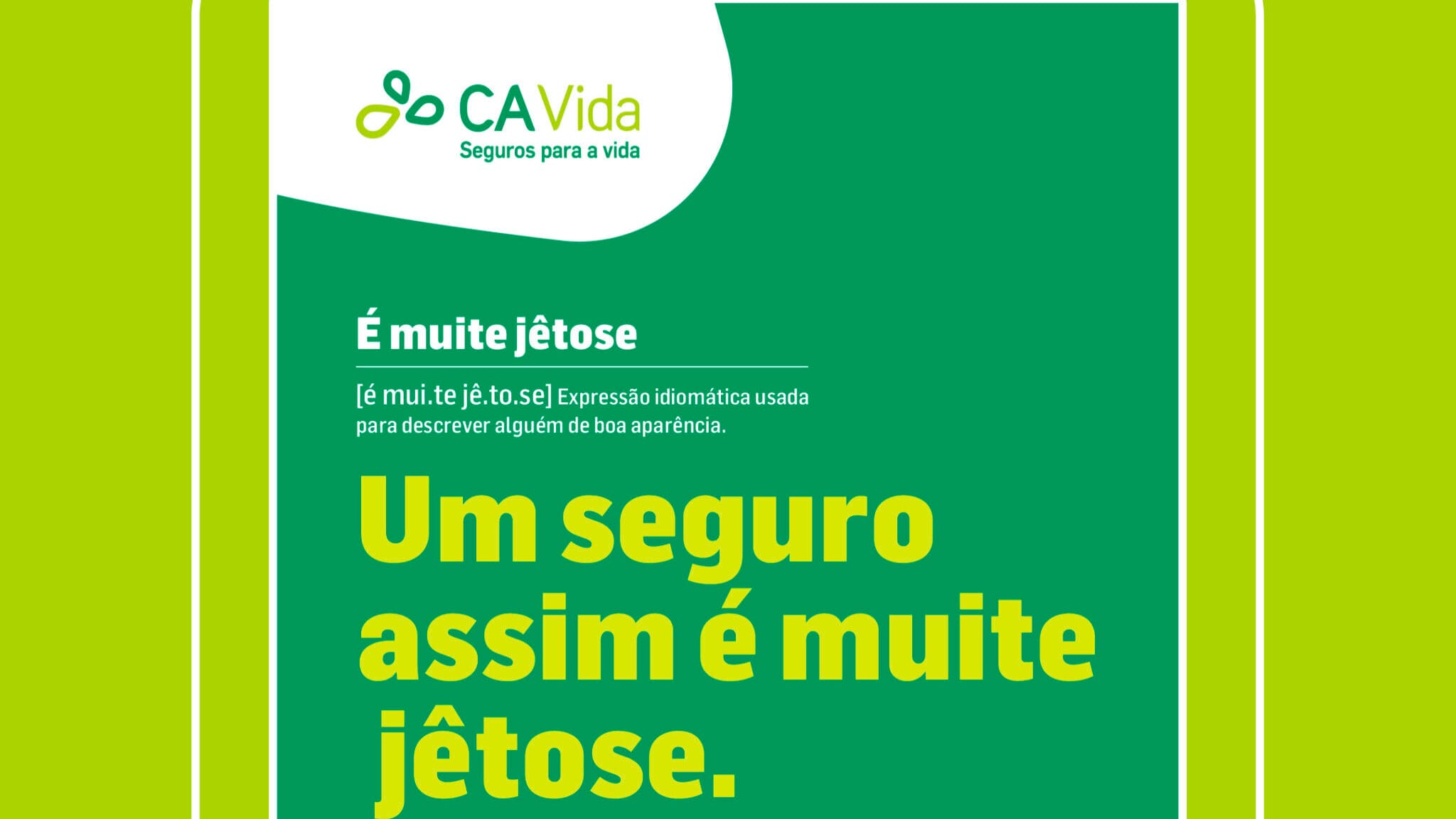
CA Vida, part of the Crédito Agrícola group, celebrates its latest distinctions in the “5 Star Award 2026” and the BECX Award 2025 through a multimedia campaign titled “In Good Portuguese”. This transforms the celebration of a corporate award into a celebration of the culture and popular language that unites Portugal, from north to south.

The difficulty of defining 'doing good' places us between ethical dilemmas and contemporary life. What saves us? The sense of giving and the Portuguese language. Opinion by José Luís Landeira

The values we consider central today, such as religious freedom, pluralism, and human dignity, are not automatic inheritances of history, but hard-learned moral achievements.

Marco Martins challenges societal barriers in his performance of “An Enemy of the People,” highlighting the immigrant experience.