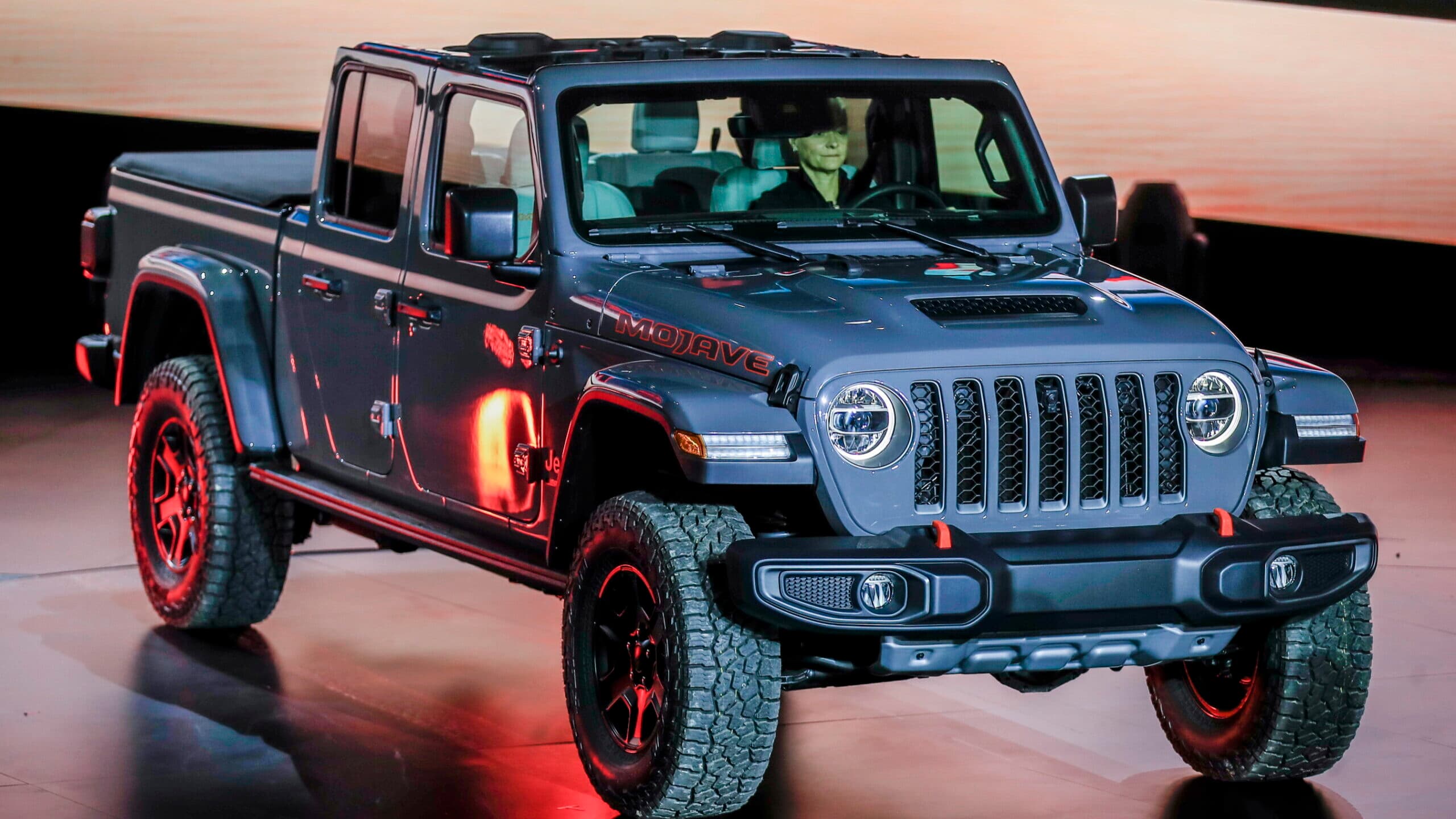
Stellantis is recalling 357 Jeep Wrangler and Gladiator vehicles in Portugal due to an electrical fault in the power steering pump that poses a fire risk. This local action is part of a global recall affecting approximately 1.3 million vehicles.
Miguel Araújo, director-general of Mobinov and a promoter of SCARIA, argues for accelerating industrial convergence between the automotive and aerospace sectors. He says both industries face common structural challenges and share many critical solutions, and highlights the role of initiatives like the third and final SCARIA call to foster startup creation and industrial development in rural areas. The piece calls for intensified collaboration across clusters, supply chains and innovation ecosystems to leverage shared technologies and strengthen regional industrial capacity.
Home News Americancars Algarve Returns to Faro for 13th Annual Gathering Americancars Algarve Returns to Faro for 13th Annual Gathering The Algarve will once again celebrate American automotive culture this weekend as Americancars Algarve returns to Faro for its 13th edition, bringing together mo
An analysis of the growing influence of Chinese manufacturers in the European car market, highlighting the significant presence of more than 20 brands currently available in Portugal.
Modern cars have become smartphones on wheels, filled with giant touchscreens and constant alerts. While this 'mobile office' functionality is a survival necessity for busy professionals, the author argues that the future of hyper-luxury will shift toward digital detoxification. The ultimate status symbol will soon be the return of analog controls and a clean, screen-free cabin, offering the driver the luxury of being unreachable and disconnected while on the road.
The Chinese automotive group Geely, which operates in Portugal with two electrified models, has announced an unprecedented double side-impact test in Europe that exceeds Euro NCAP safety requirements. The manufacturer aimed to demonstrate the robustness of its structure and battery safety by conducting a 'beyond compliance' crash test at the UTAC facilities in France. The test involved the Geely Starray EM-i hybrid SUV, simulating a chain collision scenario with energy levels significantly higher than current Euro NCAP regulations. The vehicle was struck laterally by a moving deformable barrier at 60 km/h and projected against a rigid pole on the opposite side. The results showed that the cabin maintained its shape, safety systems functioned correctly, and the battery remained secure. Geely currently markets the Starray EM-i and the electric E5 in Portugal, both backed by an eight-year or 200,000-kilometre warranty.
Plug-in hybrid vehicles (PHEVs) have long been marketed as the ideal bridge between internal combustion engines and 100% electric mobility. However, they often come with an 'open secret' that frustrates many drivers: in very cold weather or during morning starts, the petrol engine is frequently forced to turn on—not to move the car, but to generate heat for the battery and cabin. With the introduction of its 6th-generation PHEV system in the 2026 Toyota RAV4, the Japanese manufacturer claims to have overcome this dilemma through advanced thermal management, replacing conventional heat pumps with a complex, multi-circuit cooling architecture that allows for dynamic heat transfer between components. While this innovation promises greater efficiency and electric-only range, it also introduces increased mechanical complexity and the removal of the manual 'Charge Mode' feature.
Arriving in Europe in early 2027, the Xpeng L03 promises to democratise Artificial Intelligence in electric vehicles with a price point under 40,000 euros. The brand also unveiled an EREV (Extended Range Electric Vehicle) version, featuring a petrol-powered generator to extend range up to 1,000 km. Designed by former Ferrari exterior design lead JuanMa López, the L03 features the XOS 6 operating system and the proprietary Turing processor, enabling advanced driver assistance systems. The vehicle will be available in both fully electric and range-extender configurations, with the latter expected in Portugal by late 2025.
The association revealed that 5.89 million vehicles were registered between January and June. 'Robust' demand for vehicles continues despite the crisis. Tesla and BYD soar, with Volkswagen in the lead.
Data shows a rise in new vehicle registrations across the European Union in the first half of the year, with Portugal outperforming the average growth rate.
The German firm Brose Sitech, chosen by Autoeuropa to produce the seats for the new hybrid T-Roc model, will occupy a total of 24,000 square metres at Quinta da Marquesa, where it has been based since 2024, thereby doubling the size of its Palmela factory. Patron Capital and Inbrigt Portugal announced this Wednesday...
BYD has entered the demanding pick-up truck market with the new Shark, its first model in this category. It features the DMO super hybrid technology, offering 436hp of combined power, 90km of electric-only range, and a total range of 675km. The vehicle includes a 1.5-litre turbo petrol engine and two electric motors, achieving 0-100 km/h in 5.7 seconds. Built with a 32.2kWh Blade Battery integrated into the chassis, it offers intelligent all-wheel drive, a 2,500kg towing capacity, and vehicle-to-load functionality. The Shark is expected to arrive in the European market in the second half of this year, with pricing yet to be announced.
The new Leapmotor B05 electric vehicle launches in the Portuguese market, featuring a 480km driving range and the ability to charge in just 17 minutes.
Faced with pressure from unions, Oliver Blume, CEO of the Volkswagen Group, confirms the intention to make additional cuts beyond those already known, in order to make the company more competitive.
The 25% reduction in production capacity by the German car manufacturer Volkswagen will affect the automotive components sector in Portugal. Although it is not yet possible to anticipate the scale of this impact, the president of AFIA, the association representing the sector, acknowledges the situation of the multinational, which owns Autoeuropa in...
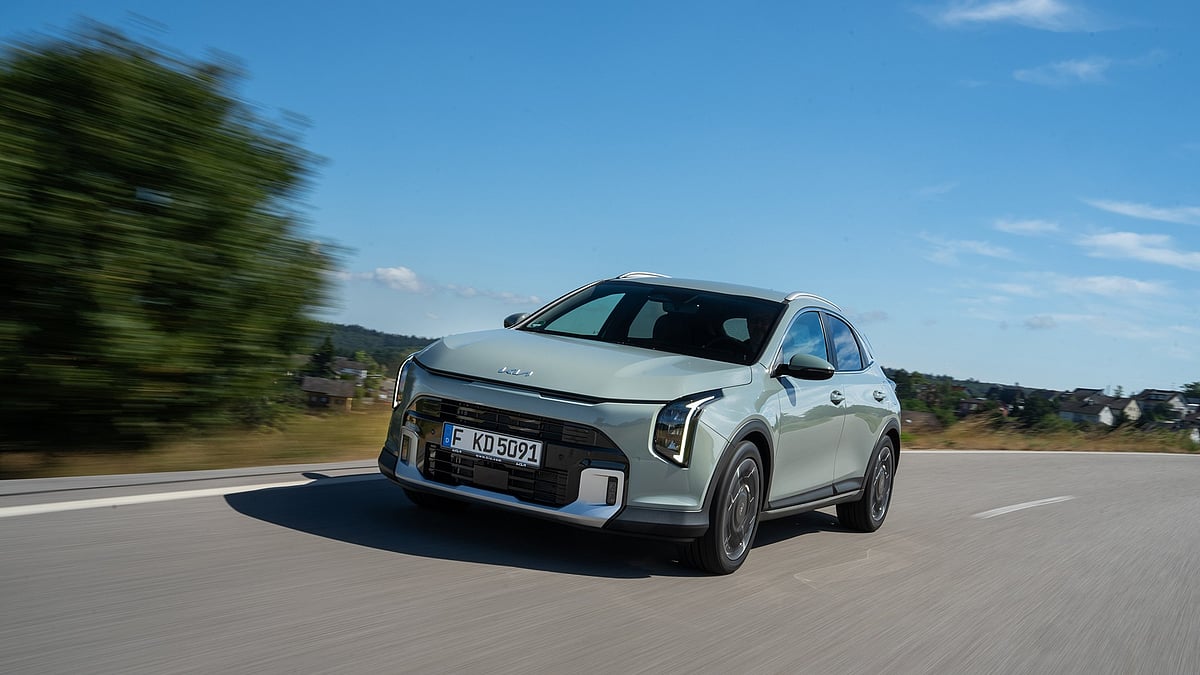
It is not a 'back to basics' model, but rather a solution for customers uncomfortable with electrification. Kia has relaunched the second-generation Seltos, which features a design inspired by electric vehicles but is offered exclusively with a 1.6 TGDi petrol engine. With 180hp and two trim levels, the Seltos aims to provide pragmatism and technology without the complexity of an EV. During test drives in Sintra, the vehicle demonstrated a good balance between comfort and handling, featuring a refined steering system and aerodynamic design elements. Available with either a six-speed manual or a seven-speed dual-clutch transmission, the Seltos is positioned as a C-SUV alternative to the Sportage, with launch prices starting at €33,990.
The director-general of Cupra in Portugal discusses the brand's growth strategy, the importance of the upcoming Raval model, and how the company leverages Portuguese tax incentives for electric and hybrid vehicles to compete in the market.
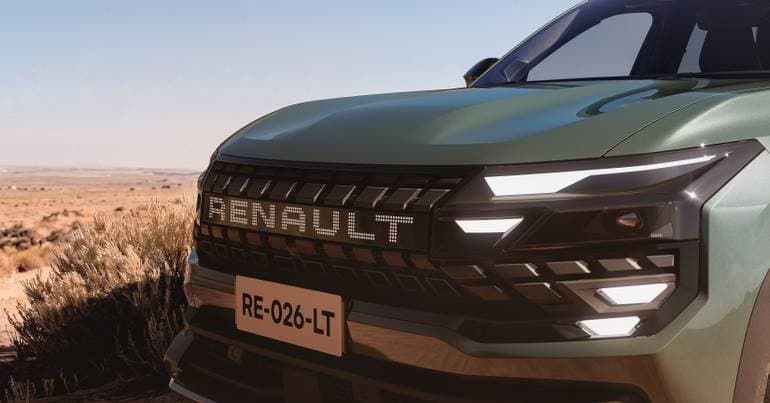
With its arrival in Portugal scheduled for October, the revamped French SUV focuses on aerodynamic efficiency and onboard well-being to confidently take on its German rivals.
The new BYD Dolphin G DM-i enters the B-segment market featuring the brand's DM 5.0 super hybrid technology. This system prioritises electric-mode driving, offering a pure electric range of 105km and a total range of 1040km. The vehicle combines a 1.5-litre petrol engine with dual electric motors, providing 163hp and a 0-100 km/h acceleration time of 8.3 seconds. It includes advanced infotainment with Google integration, comprehensive driver-assistance systems, and a competitive warranty package.
Positioned somewhere between an SUV and a hatchback, the Peugeot 408 suggests the best of both worlds with a new design. Fuel consumption is good, but the driving position still does not suit everyone.
The Chinese manufacturer regained the global lead in electric vehicle sales in the second quarter. On national soil, the Elon Musk brand's model surpassed its combustion-engine rivals.
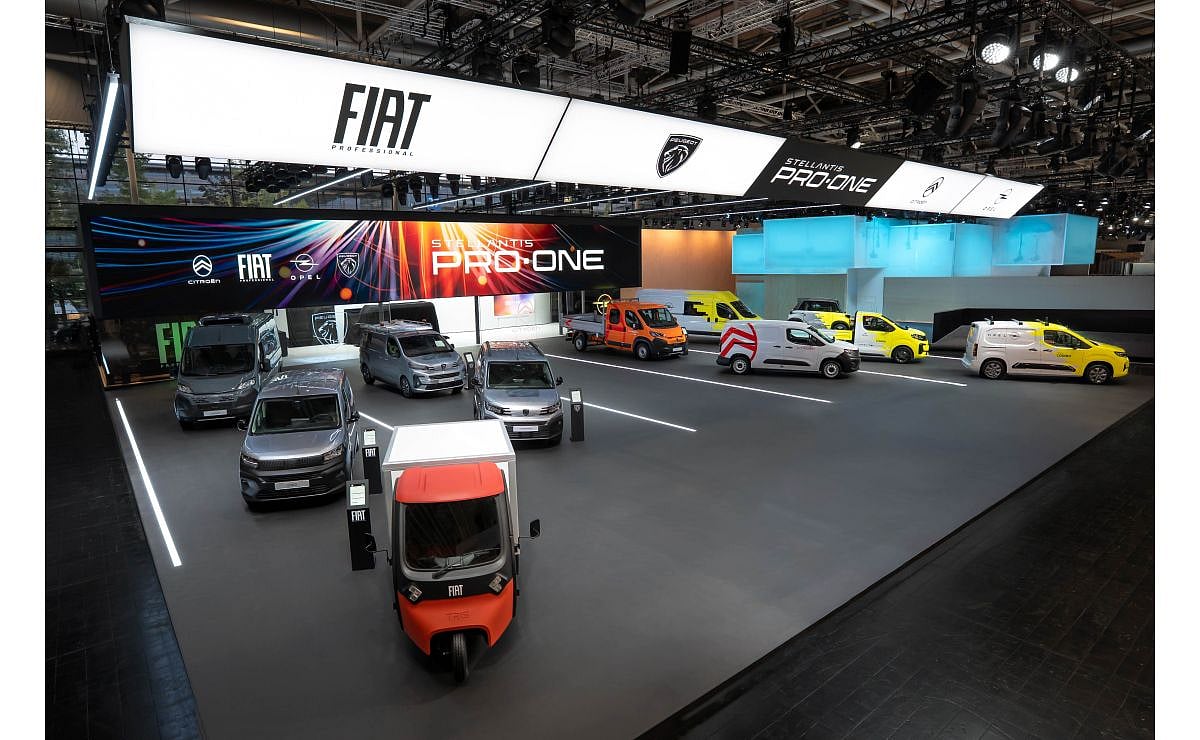
The Peugeot 2008 and Peugeot 208 are the best-selling passenger cars in Portugal. The French brands within the multinational Stellantis group closed the semester with a 25.3% market share, after achieving a 25.7% share in June with 7,626 registrations. In June, Stellantis also led sales in passenger and light commercial vehicles, totaling 38,942 registrations for the semester. According to Stellantis, citing ACAP data, the group's June sales—which include brands like Citroën, Fiat, Alfa Romeo, Jeep, and Leapmotor—were 15% above the market average. In June, Peugeot held a 9.7% market share, while Fiat and Alfa Romeo saw impressive year-on-year growth of 67% and 56% respectively, and the Chinese brand Leapmotor grew 18-fold. The Peugeot 2008 is the top-selling car in Portugal with 4,823 units delivered in the semester, followed by the Peugeot 208 with 3,780. The Citroën C3 ranks 4th in private sales for the semester, and the Opel Corsa rounds out the top 10. Stellantis also led the electric and electrified vehicle market in the semester with over 8,000 registrations, securing a 21.2% market share. In the light electric commercial vehicle market, Stellantis sold 1,687 units, a 52.9% share, highlighted by 100% electric vans produced in Mangualde.
The Chinese car brand Dongfeng, founded nearly 60 years ago, has announced a global investment plan in electric mobility worth approximately 12.9 billion euros. The goal is to sell five million vehicles by 2030. Represented in Portugal by Salvador Caetano Auto with three models on the national market—Dongfeng, Voyah, and M-Hero—the company used the Hong Kong International Auto and Supply Chain Summit to announce the foundations for its new international development, supported by technological innovation, electrification, and proximity to global markets. The plan, according to the brand's statement, combines the expansion of its electrified vehicle range, the strengthening of industrial capacity outside China, and the development of local mobility ecosystems. It also includes plans to create new research and development centers, expand the global service network, and make a strong commitment to hiring and training local talent. New energy models will account for 70% of the global sales target, with international markets expected to contribute 40% to the total sales goal.