UGT Union Demands Minimum Wage Increase to €1,000

Saturday, 10 October 2026AI summary
UGT Union Demands Minimum Wage Increase to €1,000
Photo: cmjornal.pt

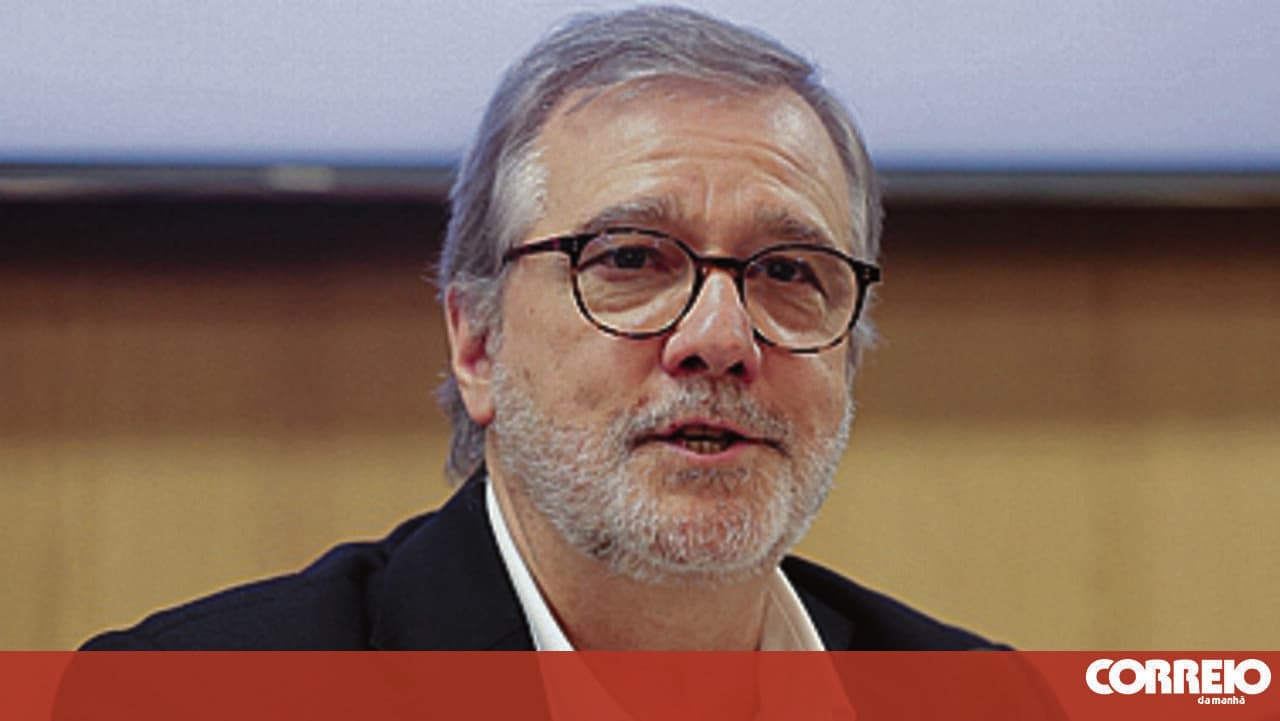
General Workers' Union (União Geral de Trabalhadores or UGT) Secretary-General Mário Mourão challenged Prime Minister Luís Montenegro to renegotiate national wage targets and raise the national minimum wage (salário mínimo nacional) to €1,000. Speaking at the union's congress, Mourão cautioned that any upcoming changes to labour law must reinforce collective bargaining rules. The government maintained that any wage revisions beyond existing targets require agreement among social partners in tripartite negotiations.

Update: Government Rejects Minimum Wage Increase Beyond €970

Minister of Labour Maria do Rosário Palma Ramalho rejected raising the minimum wage above €970 for the time being. Speaking at the UGT congress, she insisted that any modification to the proposed State Budget figure can only occur through a renegotiated tripartite agreement with social partners.

Context & Explainers

UGT (União Geral de Trabalhadores)

The General Union of Workers (UGT – União Geral de Trabalhadores) is one of Portugal’s two main national trade union confederations. Founded in Lisbon on 28 October 1978, it was created as a social‑democratic alternative to the more communist‑aligned CGTP after the 1974 Revolution, grouping unions close to the Socialist Party and moderate centre‑right currents.

UGT represents around 400,000 workers and is affiliated to the European Trade Union Confederation and International Trade Union Confederation, giving Portuguese labour a voice at EU and global level. Its principles stress union independence from the state, employers, churches and parties, internal democracy and active worker participation.

Historically, UGT’s hallmark has been “propositive” social dialogue: it is usually more willing than CGTP to sign tripartite agreements on wages, labour law and social policy with governments and employers, shaping minimum wage increases, working‑time rules and social protection reforms. This makes UGT a key centrist actor in Portugal’s industrial relations, often mediating between left and right while defending collective bargaining and incremental improvements to labour rights.

Maria do Rosário Palma Ramalho is the Minister of Labor, Solidarity, and Social Security (Ministra do Trabalho, Solidariedade e Segurança Social) in the current government led by Prime Minister Luís Montenegro. She is a legal expert and former member of the board of the Bank of Portugal (Banco de Portugal).