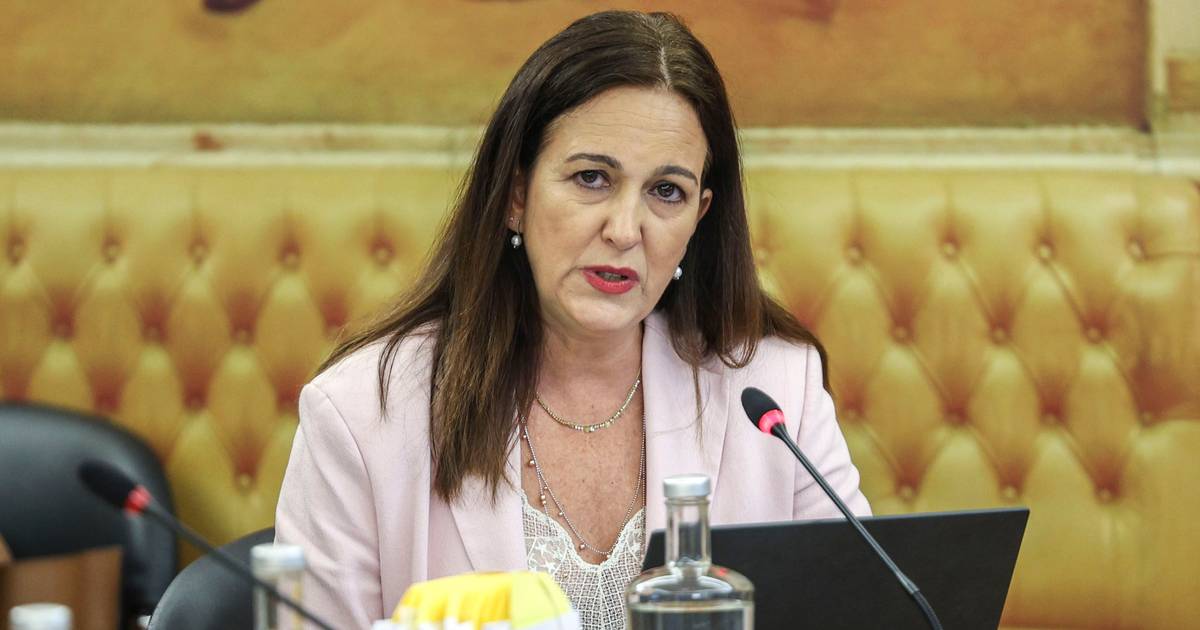
Chega leader André Ventura has requested a meeting with the President of the Assembly of the Republic, José Pedro Aguiar-Branco, following the rejection of his party's proposal for a parliamentary commission of inquiry into the mandates of Luís Neves. Ventura accused the parliamentary speaker of protecting political interests, while Aguiar-Branco maintained that the request did not meet the necessary criteria. The Juntos pelo Povo party is also seeking support from other parliamentary groups to initiate a separate inquiry into contracts awarded during Neves' time as director of the Judicial Police (Polícia Judiciária or PJ).
Chega seeks talks with Aguiar-Branco over rejected inquiry
Wednesday, 16 September 2026AI summary
Context & Explainers

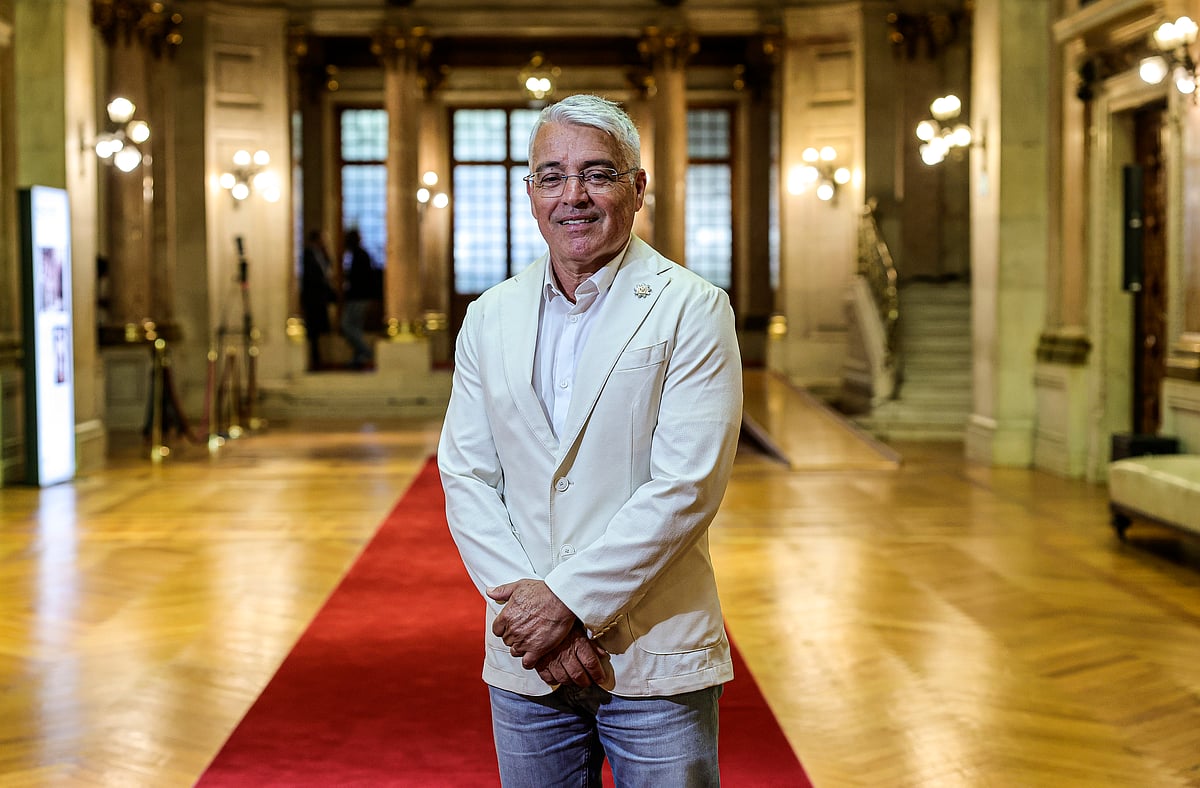
André Ventura, born January 15, 1983, is a lawyer, academic, and Portugal's most prominent far-right leader. He founded Chega ("Enough") in 2019 after his PSD mayoral campaign attacked the Romani community. Chega surged from 1.3% in 2019 to 22.8% in May 2025, becoming parliament's second-largest party and making Ventura Leader of the Opposition.
His platform emphasizes immigration restrictions, law-and-order policies, constitutional reform, and contains inflammatory anti-Romani rhetoric that has triggered multiple discrimination convictions and investigations. Politically classified as far-right by international media, Ventura cultivates alliances with European far-right figures including Marine Le Pen and Santiago Abascal.
José Pedro Aguiar‑Branco is the President of the Assembly of the Republic, who in this story requested that the Committee on Constitutional Affairs examine the constitutional conformity of government measures in a proposed bill. He is using his parliamentary role to trigger a formal review of changes affecting confession rules and the rights of the defence.

The PJ (Polícia Judiciária) is Portugal's national criminal investigation police agency, founded in 1945. Operating under the Ministry of Justice and supervised by the Public Ministry (prosecutors), the PJ is a "higher criminal police body" specializing in serious and complex crimes. Mission: The PJ assists judicial and prosecuting authorities by investigating terrorism, organized crime, homicide, kidnapping, drug trafficking, corruption, cybercrime, financial crime, and money laundering. It conducts forensic examinations, operates Portugal's Interpol and Europol liaison offices, and maintains specialized units including the National Counterterrorism Unit and National Anti-Corruption Unit. Difference from PSP/GNR: While PSP (civilian urban police) and GNR (military rural police) focus on preventive policing, public order, and investigating minor crimes, the PJ exclusively handles serious crime investigation requiring specialized technical and scientific expertise. PSP and GNR report to the Ministry of Internal Affairs; PJ reports to the Ministry of Justice. PJ officers receive higher pay and prestige but face greater operational risk.
8 sources
- Juntos pelo Povo counts on Chega, PS and PSD to enable CPI into Luís Nevesdn.pt ·
- “Dictatorship, dictatorship, dictatorship” – CHEGA leader reacts to blanking of ‘potestative inquiry’portugalresident.com ·
- Ventura requests 'prior conversation' with Aguiar-Branco before deciding whether to insist on an inquiry into Luís Nevescmjornal.pt ·
- “Protection of friends or party interests”: Ventura condemns Aguiar Branco’s decision regarding the inquiry into Luís Nevesexpresso.pt ·
- Ventura accuses Aguiar-Branco of protecting the “system”, but wants to talk to see how to pass a parliamentary inquirypublico.pt ·
- Chega's parliamentary inquiry rejected. André Ventura accuses Aguiar-Branco of 'unacceptable attitude in a democracy'dn.pt ·
- Chega accuses Aguiar-Branco of "defending the rot of the political system"rtp.pt ·
- Chega requests 'prior conversation' with Aguiar-Branco before deciding whether to insist on a parliamentary inquiry into Luís Nevescnnportugal.iol.pt ·