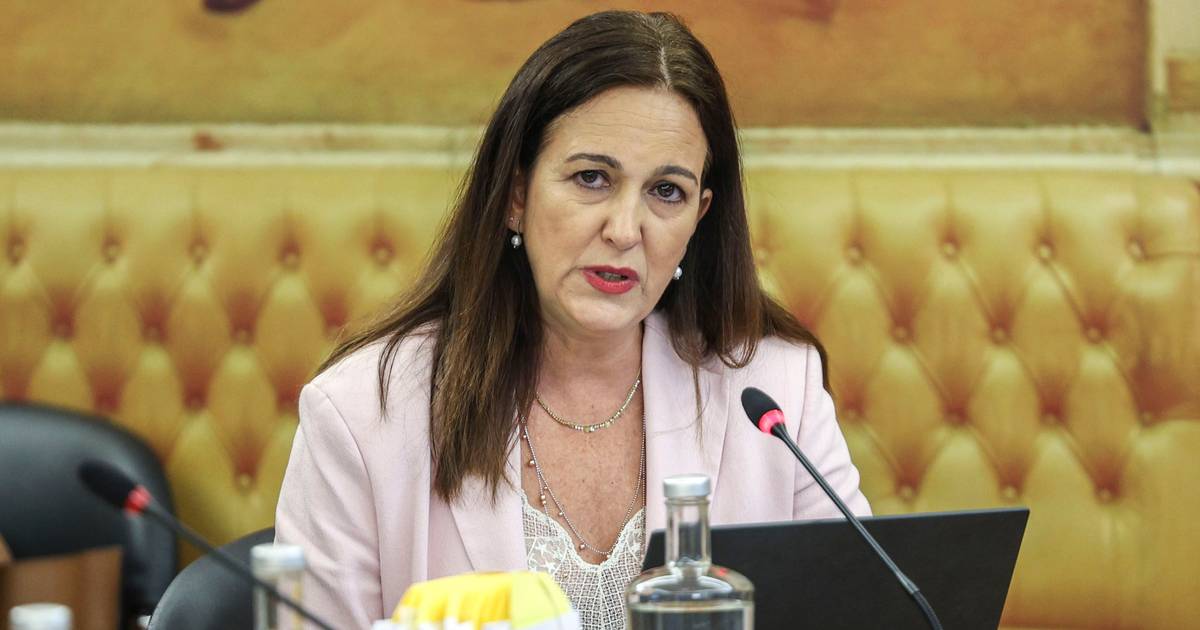
The Constitutional Court (Tribunal Constitucional or TC) has received a formal request to dissolve the Chega party. Judge Maria Benedita Urbano stated that while the court has the authority to declare a party's extinction, it can only act upon a request from the Public Prosecutor's Office (Ministério Público). She also noted the significant legal difficulty in determining if a political movement qualifies as fascist.
Constitutional Court judge addresses potential party dissolution
Monday, 14 September 2026AI summary

Context & Explainers
The Constitutional Court (Tribunal Constitucional) is Portugal's highest court for constitutional review. Its primary role is to assess whether laws, decrees, and government actions comply with the Portuguese Constitution, and it has the power to strike down or suspend unconstitutional measures.
The court consists of 13 judges — 10 appointed by the Assembly of the Republic and 3 co-opted by the other judges. It also oversees the legality of political parties and their finances, verifies election results, and rules on the constitutionality of referendums.
The Constitutional Court is frequently in the news when opposition parties, the President, or the Ombudsman refer controversial legislation for review — such as labor reforms, housing laws, or immigration policy changes. Its rulings are final and binding.
The Ministério Público (Public Prosecution Service) is Portugal's independent state prosecution body, responsible for leading criminal investigations, bringing charges, and representing the public interest in court.
The MP operates autonomously from the government and the police, though it directs criminal investigations carried out by the Polícia Judiciária, PSP, and GNR. It is led by the Procurador-Geral da República (Attorney General), who is appointed by the President on the government's proposal.
The MP gets involved in high-profile cases including corruption, financial crime, and incidents of potential institutional negligence. It also defends the legality of government actions and protects citizens' fundamental rights through the courts.