Parliament approves new Single Social Benefit

Thursday, 25 June 2026AI summary
Parliament approves new Single Social Benefit
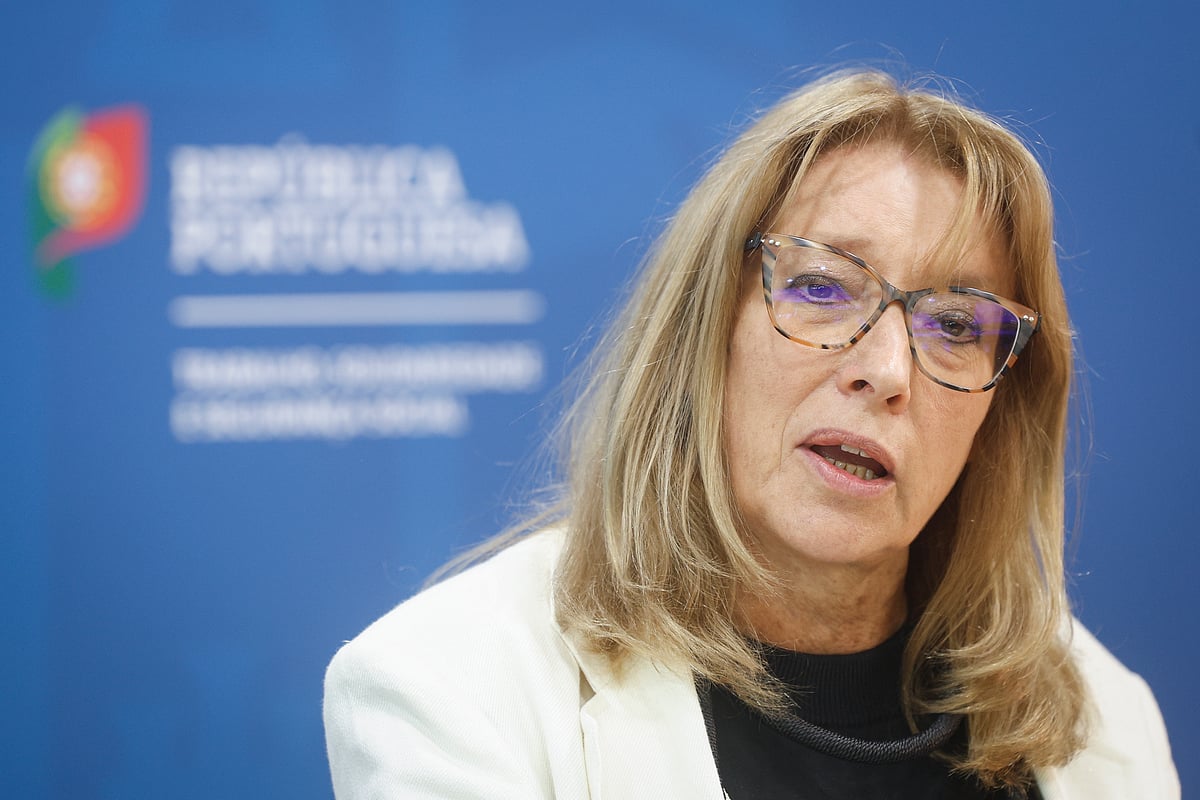
Photo: RTP Notícias

Parliament has authorized the government to create the Single Social Benefit (Prestação Social Única or PSU), a measure designed to consolidate 13 different non-contributory support schemes. The bill passed following an agreement between the Social Democratic Party (Partido Social Democrata or PSD) and the Socialist Party (Partido Socialista or PS), with the latter abstaining during the final vote.

Update: Single Social Benefit approved with mandatory social work requirement

The final version of the legislation confirms that beneficiaries of working age must be available for social work to qualify for support. The approval of the PSU ensures Portugal meets a key milestone of the Recovery and Resilience Plan (Plano de Recuperação e Resiliência or PRR), securing 620 million euros in funding.

Context & Explainers

PSD (Partido Social Democrata)

The Social Democratic Party ('Partido Social Democrata' or 'PSD') is a liberal-conservative political party in Portugal that is the leading partner of the The Democratic Alliance (AD) which is the country's ruling party, with Prime Minister Luís Montenegro.

The Social Democratic Party, despite its name, occupies the centre-right of Portugal's political spectrum. Luís Montenegro, who became Prime Minister in April 2024, leads Portugal's current minority government. The PSD has been one of Portugal's two dominant parties since 1974, having formed nine governments including four with absolute majorities. Montenegro, a former party leader from 1996-1999, was elected with the highest approval rating among party leaders at 10.7 points out of 20.

The Democratic Alliance is a centre-right coalition that includes the smaller CDS – People's Party, a Christian democratic party that has historically been the PSD's coalition partner. Together, they govern without a parliamentary majority, requiring case-by-case support from opposition parties to pass legislation.

Health cards are private membership or discount schemes sold by companies that offer access to consultations, tests or reduced fees at private clinics; they are not the public health service. The Socialist Party (Partido Socialista or PS) has proposed regulation to increase transparency and protect consumers from misleading marketing or unexpected charges.

The PRR (Plano de Recuperação e Resiliência) is Portugal's national program under the EU's NextGenerationEU recovery fund, worth approximately €22.2 billion — roughly €16.6 billion in grants plus €5.6 billion in loans. Approved in 2021, it funds reforms and investments across housing, digital transition, climate action, healthcare, and public administration.

Payments from the European Commission are tied to specific milestones and targets. Missed deadlines or incomplete reforms can delay disbursements, affecting public works, infrastructure projects, and social programs that depend on PRR funding.

The PRR is one of the largest investment programs in Portugal's recent history and touches areas from affordable housing construction to hospital modernization, school renovation, and green energy transition. Progress is monitored by the European Commission through regular reviews.