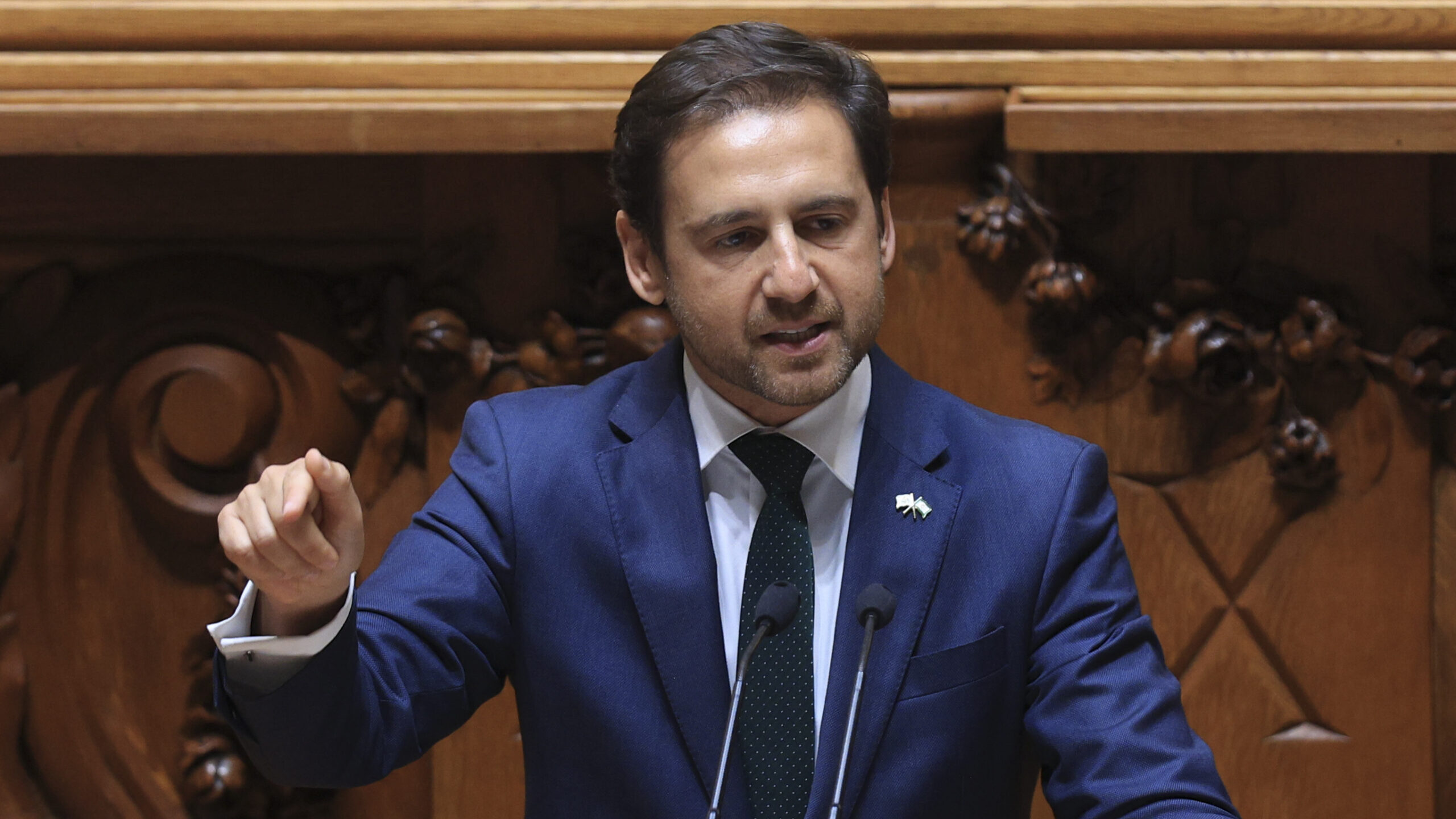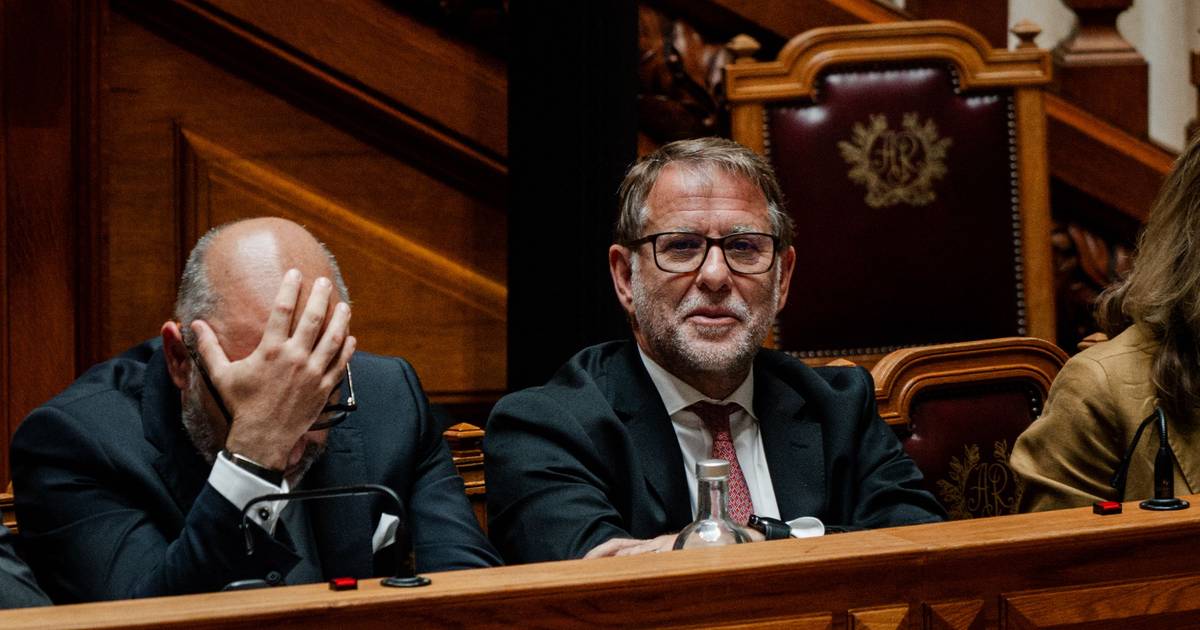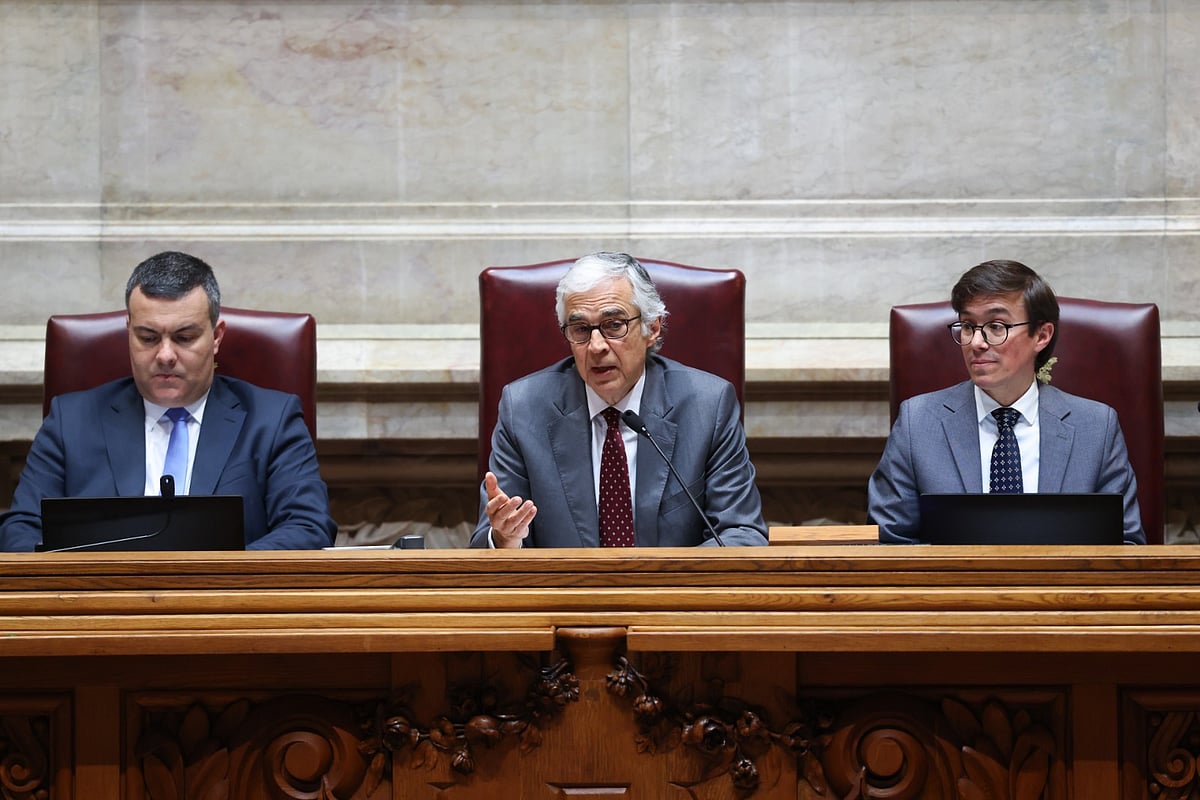
A deal between the Social Democratic Party (Partido Social Democrata or PSD) and Chega, with potential support from the Liberal Initiative (Iniciativa Liberal or IL), appears to have broken the deadlock over appointing Constitutional Court (Tribunal Constitucional) judges. The breakthrough follows pressure from the President's office to ensure the Council of State (Conselho de Estado) can meet with a full membership on April 17. Socialist Party (Partido Socialista or PS) members, including Ana Catarina Mendes, have criticized the arrangement, arguing that Chega should not have a seat on a body dedicated to upholding the Constitution.
Update: PSD and Chega form joint list for Council of State
Chega leader André Ventura announced a formal agreement with the PSD to present a joint list of candidates for the Council of State, effectively reducing the Socialist Party's representation on the advisory body. The deal also covers appointments for the High Council of the Magistracy (Conselho Superior da Magistratura) and includes progress on a new Nationality Law (Lei da Nacionalidade) to address recent court objections. Residents should note that this cooperation signals a significant shift in parliamentary dynamics between the center-right and the far-right.