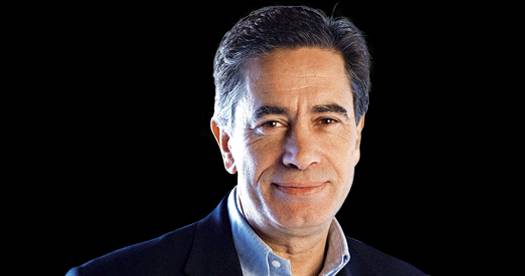
Reports differ over Jorge Pinto’s final campaign messages: RTP and Observador say he urged voters to back António José Seguro before reversing course and criticising journalists, while other outlets quote Pinto denying he explicitly urged a vote. António José Seguro welcomed what he described as a vote‑concentration move, but the sequence of statements and retractions has created uncertainty in the final stretch of campaigning. Undecided voters and local campaign teams should watch for clarifications that could affect last‑minute tactical voting.
Jorge Pinto endorsement flip‑flop fuels confusion
Thursday, 15 January 2026AI summary

Context & Explainers
The Socialist Party (Partido Socialista or PS) is Portugal's main centre‑left, social‑democratic party that has been one of the country’s largest parties and has led national governments since 2015 under António Costa. Its decisions shape taxation, housing, health and immigration policies that directly affect residents and expats living in Portugal.
Tactical voting means choosing a less-preferred candidate to achieve a strategic outcome—for example concentrating support to ensure a preferred candidate reaches the second round (segunda volta) or to block a rival. Party leaders urge it when they want to avoid splitting votes among similar candidates and increase the chance of a favourable runoff result.

RTP (Rádio e Televisão de Portugal) is Portugal's state-owned public service broadcaster, operating since 1935 (radio) and 1957 (television). It runs 8 television channels (including RTP1, RTP2, RTP3) and 7 radio stations (Antena 1, 2, 3), plus international services reaching Portuguese diaspora worldwide. Funded by a broadcasting tax on electricity bills and advertising revenue, RTP serves as Portugal's cultural reference, providing quality news, education, and entertainment. Its archive represents "irreplaceable heritage in Portuguese collective memory", and it pioneered online streaming with RTP Play in 2011. RTP connects "Portugal and the Portuguese to themselves, to each other, and to the world"
Sources (3)
- Seguro welcomes Jorge Pinto's decision on day of appeal for 'concentration' of votes: 'I hope no one is mistaken'RTP Notícias · 10:45pm, 15 Jan 2026
- Jorge Pinto: from urging a vote for Seguro to another backtrackObservador · 1:35am, 16 Jan 2026
- Jorge Pinto denies having urged a vote for Seguro and calls it a "statement of the obvious"Correio da Manhã · 10:49pm, 15 Jan 2026