The Lisboeta

Dermatology unit judged unsafe with no relocation date

Wednesday, 7 January 2026AI summary
Dermatology unit judged unsafe with no relocation date

Update: New reporting puts more than 420 patients waiting for an initial assessment in hospital emergency departments today, slightly lower than earlier figures of 440–470 published in our previous update; numbers vary by hospital and by outlet. The persistent delays are being reported alongside a broader flu surge and strained emergency services, keeping pressure on admissions and ambulance handovers. For expats, expect longer waits for non-urgent A&E care and consider contacting your family doctor or using scheduled appointments where possible.

Update: New outlet figures give local detail — a national average urgent-patient wait of about 3 hours 16 minutes, with much longer waits at some hospitals (Amadora‑Sintra reported ~11 hours; Santa Maria ~6 hours). Sources vary on the exact totals and some hospitals report better performance; overall coverage emphasises regional differences and continued pressure on admissions and ambulance handovers. Practical takeaway for expats: plan non-urgent care in advance and check local hospital performance if choosing a referral or appointment.

Update: New analysis highlights structural problems beyond seasonal pressure: successive hospital mergers have created large Local Health Units (Unidades Locais de Saúde), some with budgets reported above €1bn, but observers say management capacity has not kept pace and individual hospitals have lost identity. The reporting links those governance issues to dysfunctions such as trolleying and delayed ambulance handovers in the National Health Service (Serviço Nacional de Saúde or SNS). For expats this reinforces earlier practical advice — expect variability between hospitals, consider non-emergency options and register with a family doctor where possible.

Update: RTP reports hospitals are now struggling to admit a rising number of patients with respiratory problems, adding pressure to A&E triage and inpatient beds at a time of high seasonal demand. This increase is being cited by hospital sources as a driver of current delays.

Update: Admiral Carlos Gouveia e Melo has publicly called for changes to leadership in the health sector, accusing the State of failing to meet deadlines and urging new appointments to improve management and accountability. His criticism adds a political voice to coverage that links structural governance issues with current operational stresses in emergency departments.

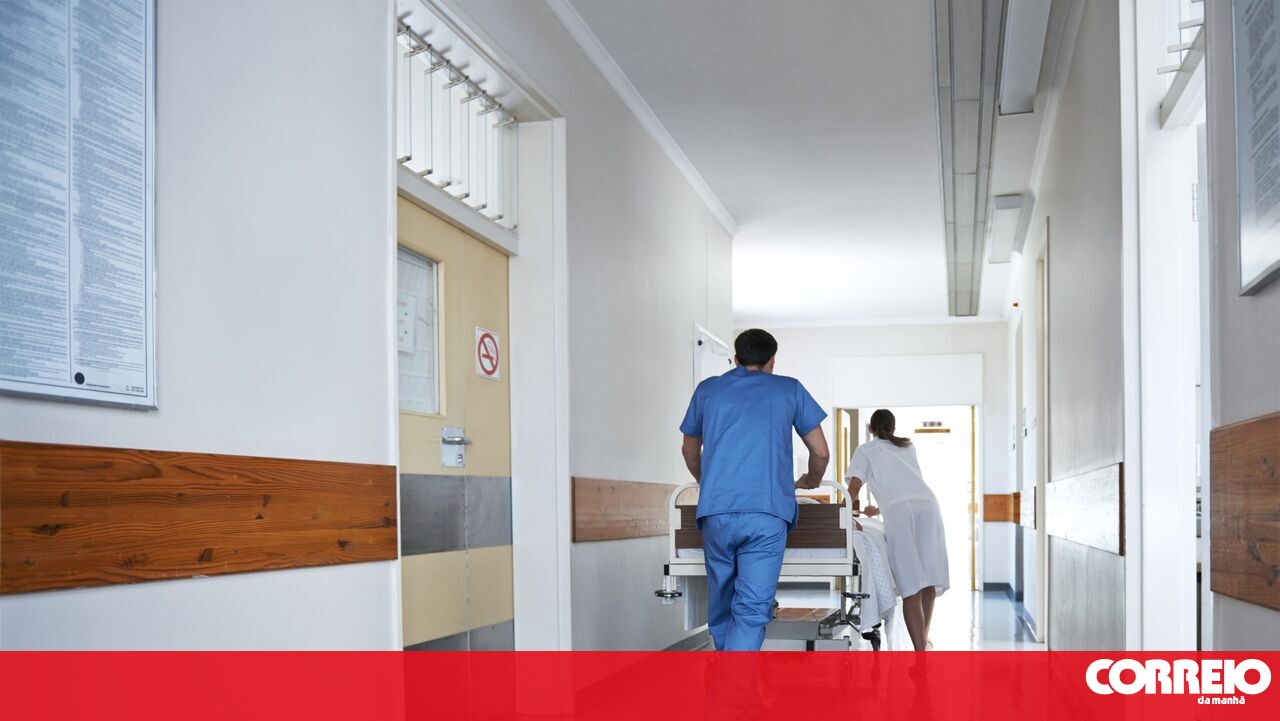
Update: Reporting in Público and CNN Portugal says the dermatology service at Hospital Egas Moniz, part of the Lisbon Western Local Health Unit (Unidade Local de Saúde de Lisboa Ocidental), was judged in October 2024 to lack conditions of “safety, health and hygiene” and still has no set date for relocation; authorities had recommended relocation but no timetable has been published. The situation may disrupt specialist outpatient dermatology care in Lisbon while a resolution is sought.


Context & Explainers

An intensive care unit (Portuguese: unidade de cuidados intensivos) is a specialised hospital ward that provides close monitoring and life-sustaining treatment for critically ill patients using advanced equipment and highly trained staff. ICU capacity is frequently mentioned because it signals how many severe patients a health system can care for — when ICUs are full, hospitals may delay surgeries, limit admissions or transfer patients, so expats should check insurance and hospital policies for critical-care coverage and visitation rules.

Staffing and shift schedules in the SNS combine permanent doctors, residents and temporary cover (locums or overtime) arranged by each hospital's Clinical Directorate ("Direção Clínica"), which plans rotas to cover on‑call and emergency shifts. Rotas are subject to national labour rules, collective agreements and local shortages, so hospitals may use voluntary shift swaps, incentives or external contractors when regular staff are unavailable.

Local Health Units (Unidade Local de Saúde) are organisational bodies within Portugal's National Health Service that group hospitals and associated primary-care services under a single management and budget; some now oversee operations with budgets exceeding €1 billion. Successive mergers into these units can blur hospital identities and, as reported, create gaps in management capacity — which may affect service coordination, waiting times and how patients register or access specialised care. For expats this matters because it can change which hospital or family doctor you are directed to, how referrals work, and where to send complaints or requests about continuity of care.

Amadora‑Sintra refers to the public hospital serving the adjoining municipalities of Amadora and Sintra in the Lisbon metropolitan area—commonly called Hospital Amadora‑Sintra, especially its emergency department (serviço de urgência). It is a major suburban emergency and inpatient centre that often runs at high capacity, so safety incidents or staffing problems there can quickly affect waiting times and access to urgent care for expats living in west/northwest Lisbon.

Carlos Gouveia e Melo is a retired Portuguese Navy admiral who became a national public figure when he was appointed at the end of 2020 to lead Portugal’s COVID-19 vaccination task force. He oversaw the vaccine rollout through 2021, gaining a reputation for clear communication and logistical focus; his work directly affected vaccine access for residents and foreigners living in Portugal.

What is RTP?

RTP (Rádio e Televisão de Portugal) is Portugal's state-owned public service broadcaster, operating since 1935 (radio) and 1957 (television). It runs 8 television channels (including RTP1, RTP2, RTP3) and 7 radio stations (Antena 1, 2, 3), plus international services reaching Portuguese diaspora worldwide. Funded by a broadcasting tax on electricity bills and advertising revenue, RTP serves as Portugal's cultural reference, providing quality news, education, and entertainment. Its archive represents "irreplaceable heritage in Portuguese collective memory", and it pioneered online streaming with RTP Play in 2011. RTP connects "Portugal and the Portuguese to themselves, to each other, and to the world"

An Unidade Local de Saúde de Lisboa Ocidental (Lisbon Western Local Health Unit) is a public regional health organisation that plans and delivers NHS services in western Lisbon, coordinating hospitals, primary-care centres, emergency care and specialised outpatient clinics as part of Portugal's National Health Service (Serviço Nacional de Saúde or SNS). It matters now because this unit is the local authority handling recent decisions around the relocation of dermatology services at Egas Moniz, so those relying on public healthcare should check its notices for appointment changes and new locations.

Sources (63)

Continue reading