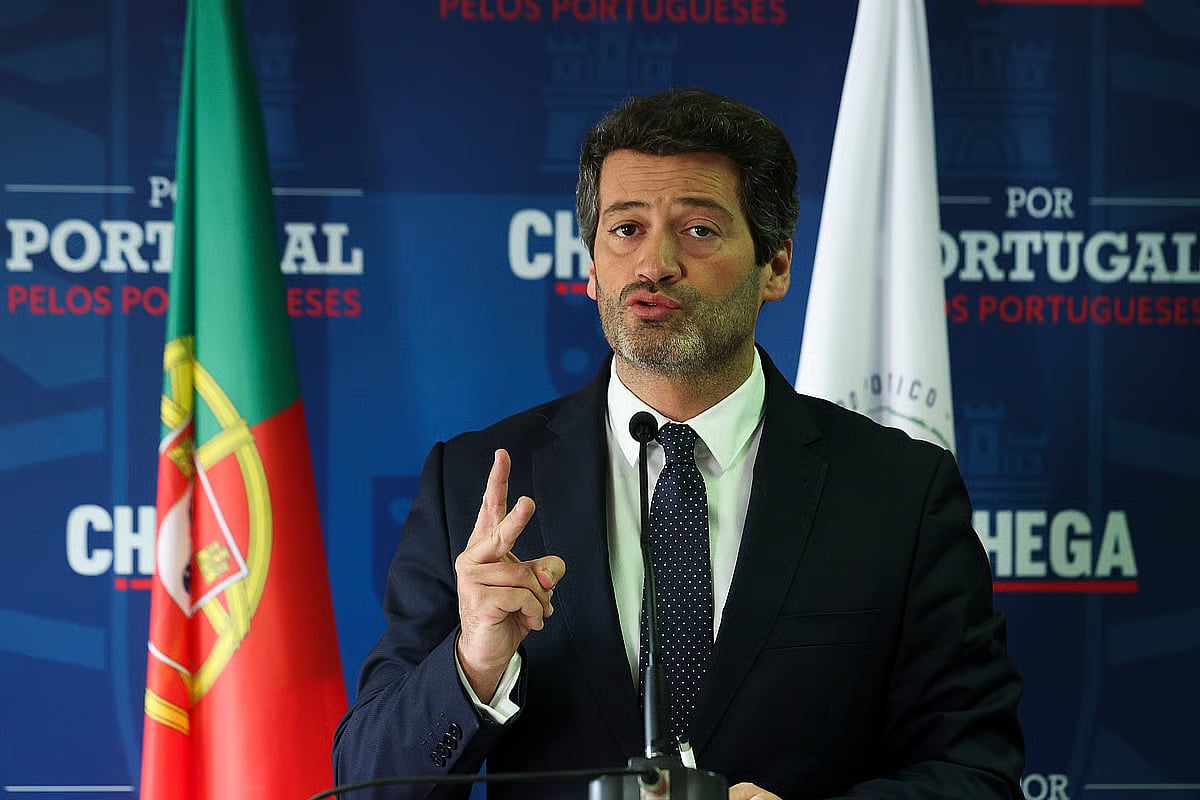
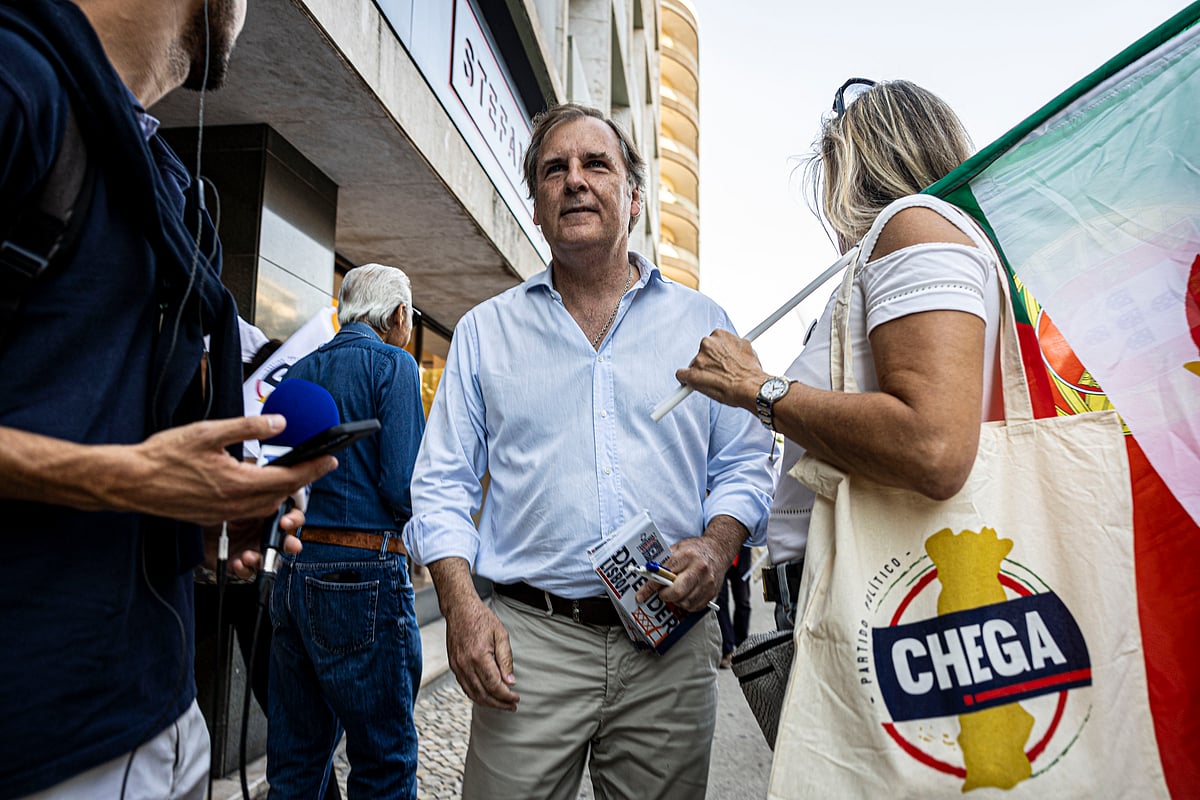
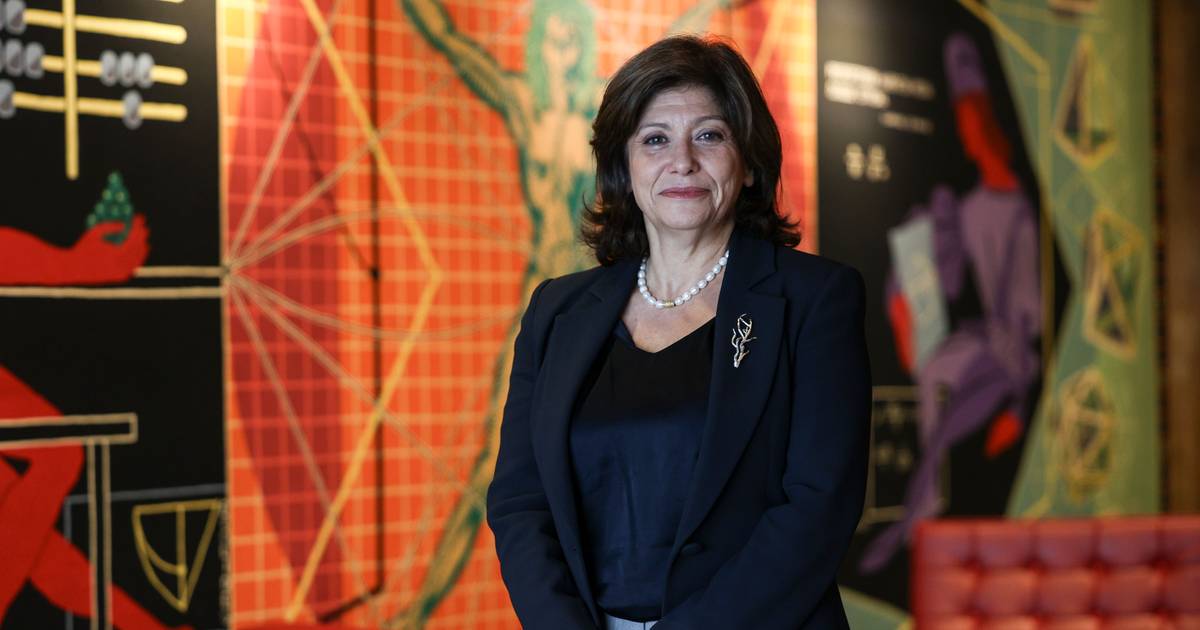
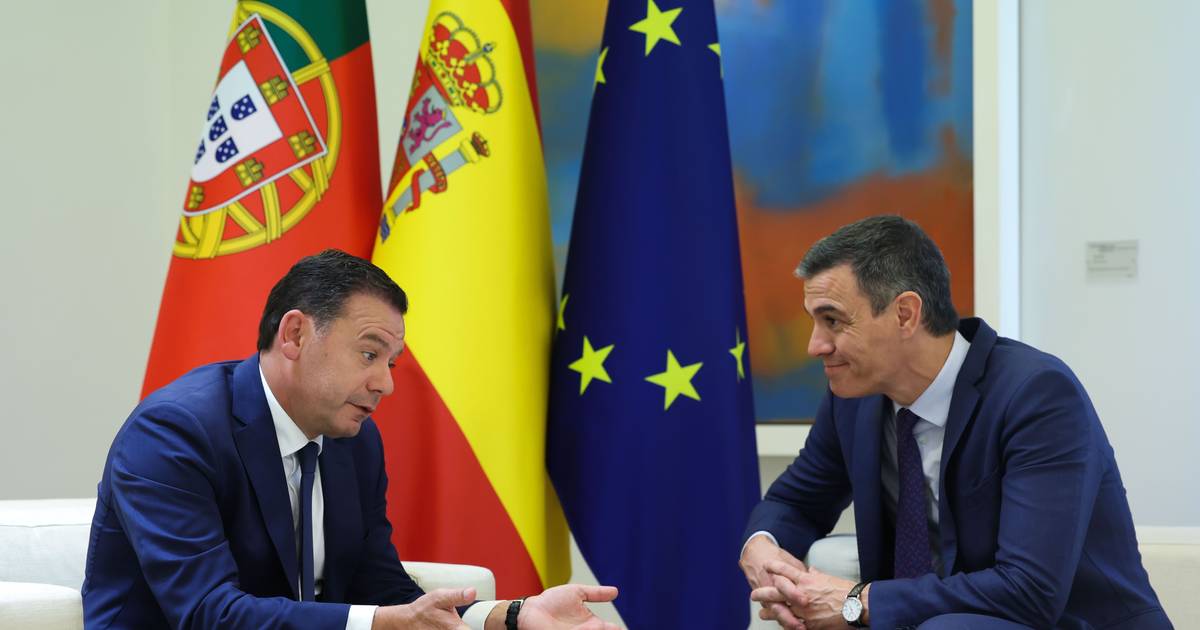
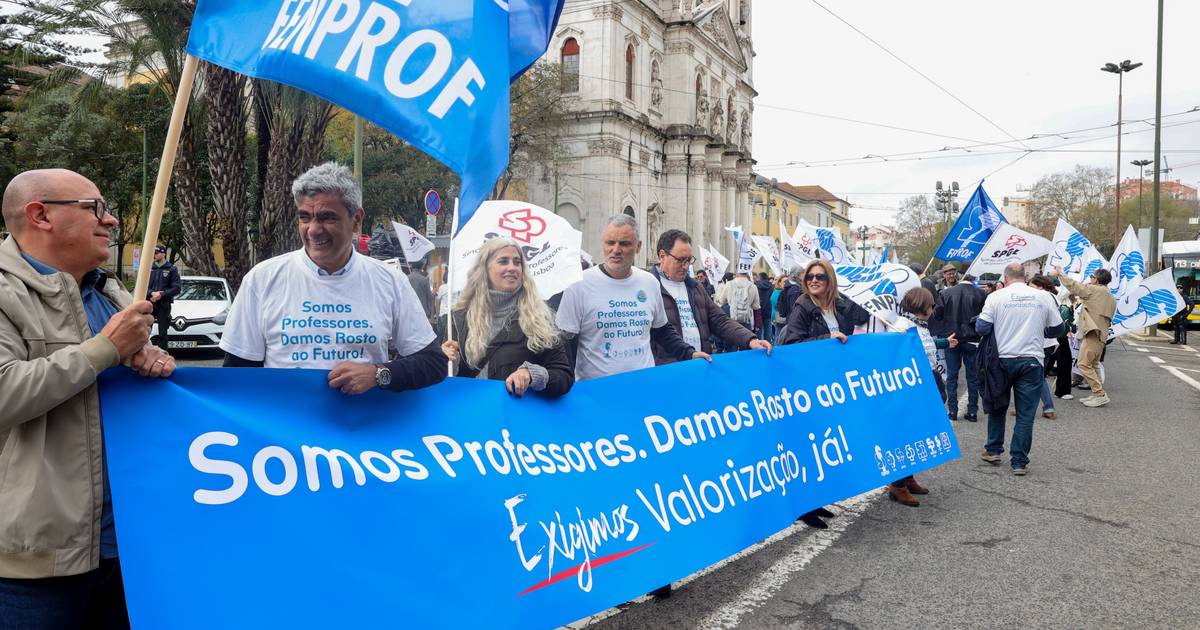
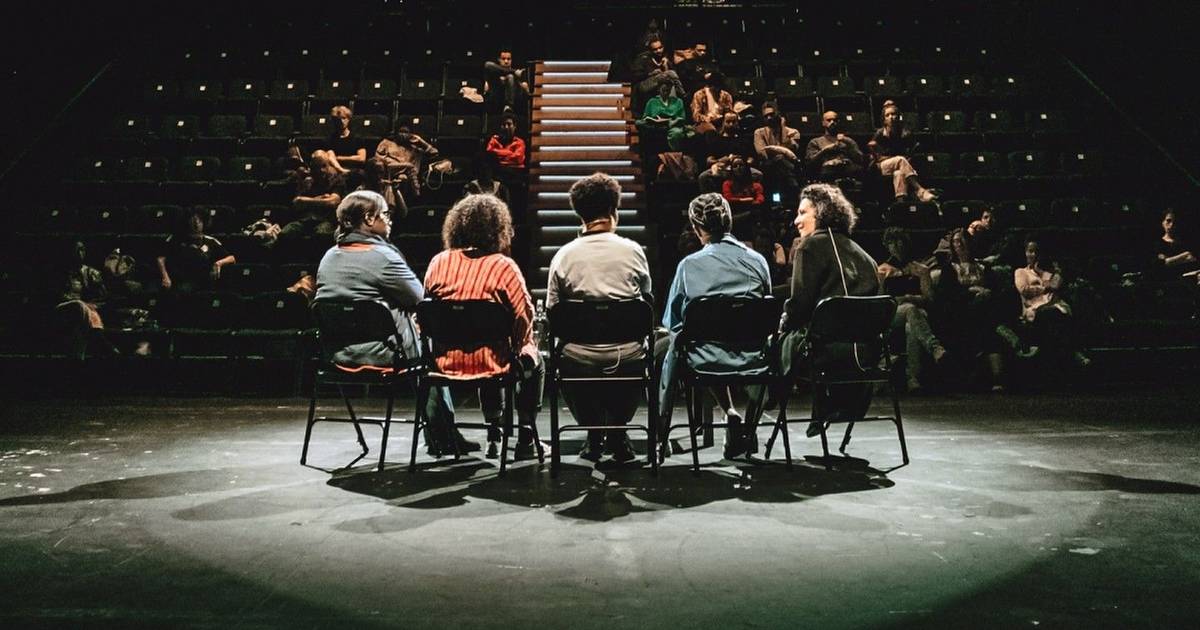
The non-renewal of Francisco Frazão at the TBA and Rita Rato at the Aljube Museum is causing outrage in the sector. Frazão reveals to Expresso that he was only told the TBA would be occupied by São Luiz programming because the latter requires renovations. Creators and cultural officials admit to political motivations, following criticism from Chega-Lisbon regarding the TBA's programming. 'Our time has come,' says a municipal deputy from the party.
Changes at the Teatro do Bairro Alto and the Aljube Museum spark controversy and raise questions about the direction of cultural policy in Lisbon
Thursday, 19 March 2026RSS
Context & Explainers

Chega ("Enough") is a Portuguese far-right populist party founded in 2019 by André Ventura. It positions itself as an anti-establishment movement against what it calls a "rotten and corrupt system" of PS-PSD dominance. The party surged from 1.3% in 2019 to 22.8% in May 2025, becoming parliament's second-largest force with 60 seats. Chega's core platform emphasizes strict immigration control—ending automatic CPLP residency, deporting non-independent immigrants, implementing job-market quotas, and requiring five-year social security contributions before benefit access. It advocates radical constitutional reform, including reducing parliament to 100 members, abolishing the prime minister position for a presidential system, and dismantling public healthcare. Law-and-order policies include life imprisonment and chemical castration proposals.
The party is defined by inflammatory anti-Romani rhetoric, with Ventura convicted multiple times for discrimination. Chega maintains international alignments with European far-right figures including Marine Le Pen, Santiago Abascal, and Matteo Salvini. Mainstream Portuguese parties, including Prime Minister Luís Montenegro's government, have imposed a cordon sanitaire, refusing coalition with Chega despite its parliamentary strength.