The Liberal Initiative (IL) in Coimbra has condemned Mayor Ana Abrunhosa for publicly attacking a Lusa news agency journalist, calling her behaviour intimidating and a threat to press freedom. The incident occurred after the journalist reported that the Coimbra Cinema House risked losing its licence due to municipal inaction. Abrunhosa publicly questioned the journalist's integrity and suggested he should hand in his press card if he wanted to engage in politics. Both the IL and the PCP have criticised the mayor's actions, while the Lusa news agency's editorial board has issued a formal letter repudiating the mayor's 'unfounded and defamatory' accusations and reaffirming its full confidence in the journalist.
"It is unacceptable". IL/Coimbra accuses Abrunhosa of threatening press freedom and demands a retraction
Saturday, 11 April 2026RSS

Context & Explainers

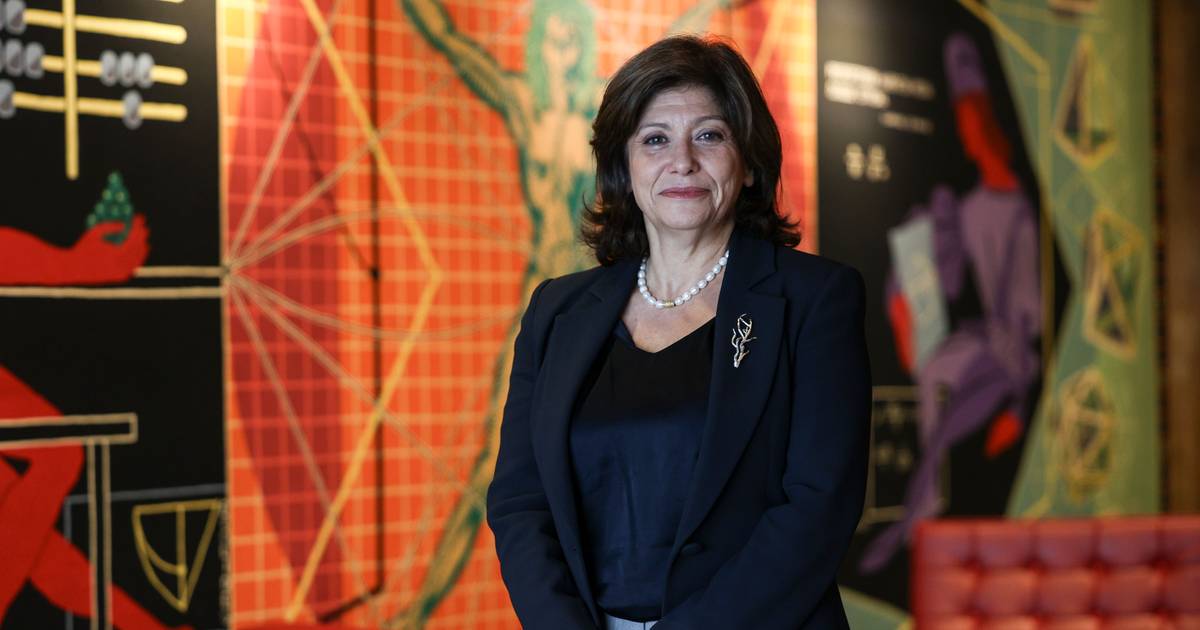
Ana Abrunhosa (born July 4, 1970) is the Mayor of Coimbra, elected in the 2025 local elections, and is noted as the second woman to hold this position. She is an economist and university professor, formerly serving as Portugal's Minister of Territorial Cohesion (2019–2024). She is known for taking an active, vocal role in local infrastructure and crisis management.Key Facts About Ana Abrunhosa:
Political Role: Elected Mayor of Coimbra in 2025, representing the Socialist Party (PS).Background:
She is an economist and served as the Minister of Territorial Cohesion from October 2019 to April 2024.
Leadership Style: Recently highlighted for her firm, hands-on approach to local issues, including tackling infrastructure challenges and managing damage from severe weather (storm KRISTIN) in 2026.
Conflict Management: Gained attention for publicly confronting the national Minister of Agriculture over local infrastructure projects (Casais dike) in February 2026.
- Leader: Mariana Leitão (since July 2025)
- Ideology: Classical liberalism, economic libertarianism
Founded in 2017, the Liberal Initiative advocates for reduced state intervention, tax simplification, labor market liberalization, and secular liberalism under the motto "Less State, More Freedom". The party gained its first parliamentary seat in 2019 and now holds 9 seats. Mariana Leitão, 42, became the party's first female leader in July 2025 after Rui Rocha resigned following disappointing 2025 election results. Leitão previously served as parliamentary leader and has been announced as the party's candidate for the 2026 presidential election. The party explicitly rejects alliances with both far-left and far-right parties, positioning itself as the "only alternative" that won't negotiate with extremes.

The Portuguese Communist Party (PCP or Partido Comunista Português) is a Marxist‑Leninist party founded in 1921 out of the revolutionary trade‑union and anarcho‑syndicalist movement, becoming the Portuguese section of the Comintern in 1923. Banned after the 1926 coup, it went underground and became a central force of resistance to the Estado Novo dictatorship, organizing clandestine unions, anti‑fascist struggle and supporting the colonial liberation movements. After the 1974 Carnation Revolution, the PCP was pivotal in land reform, nationalisations and embedding social rights in the 1976 Constitution, especially in the Alentejo and Setúbal regions where it has long been very strong.
Today the PCP is a smaller but still influential party rooted in the CGTP trade‑union confederation and local government, holding a handful of Assembly seats and one MEP in the Left group. It advocates a “patriotic and left‑wing alternative”: defence of workers’ rights, public services and national sovereignty, strong criticism of EU and NATO constraints, and support for socialist countries and anti‑imperialist causes.
AI Summary AvailableCoimbra mayor faces criticism over journalist disputeRead the synthesized summary with context and explainers
View full article on dn.pt