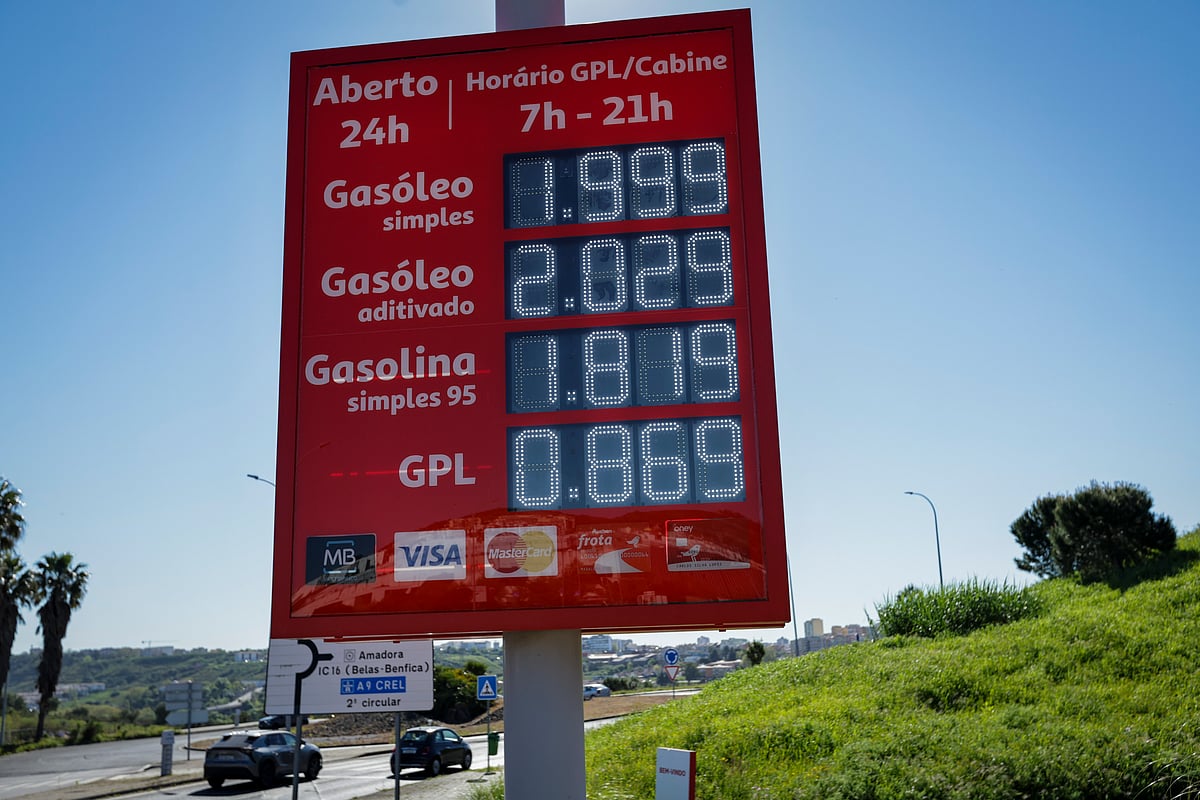
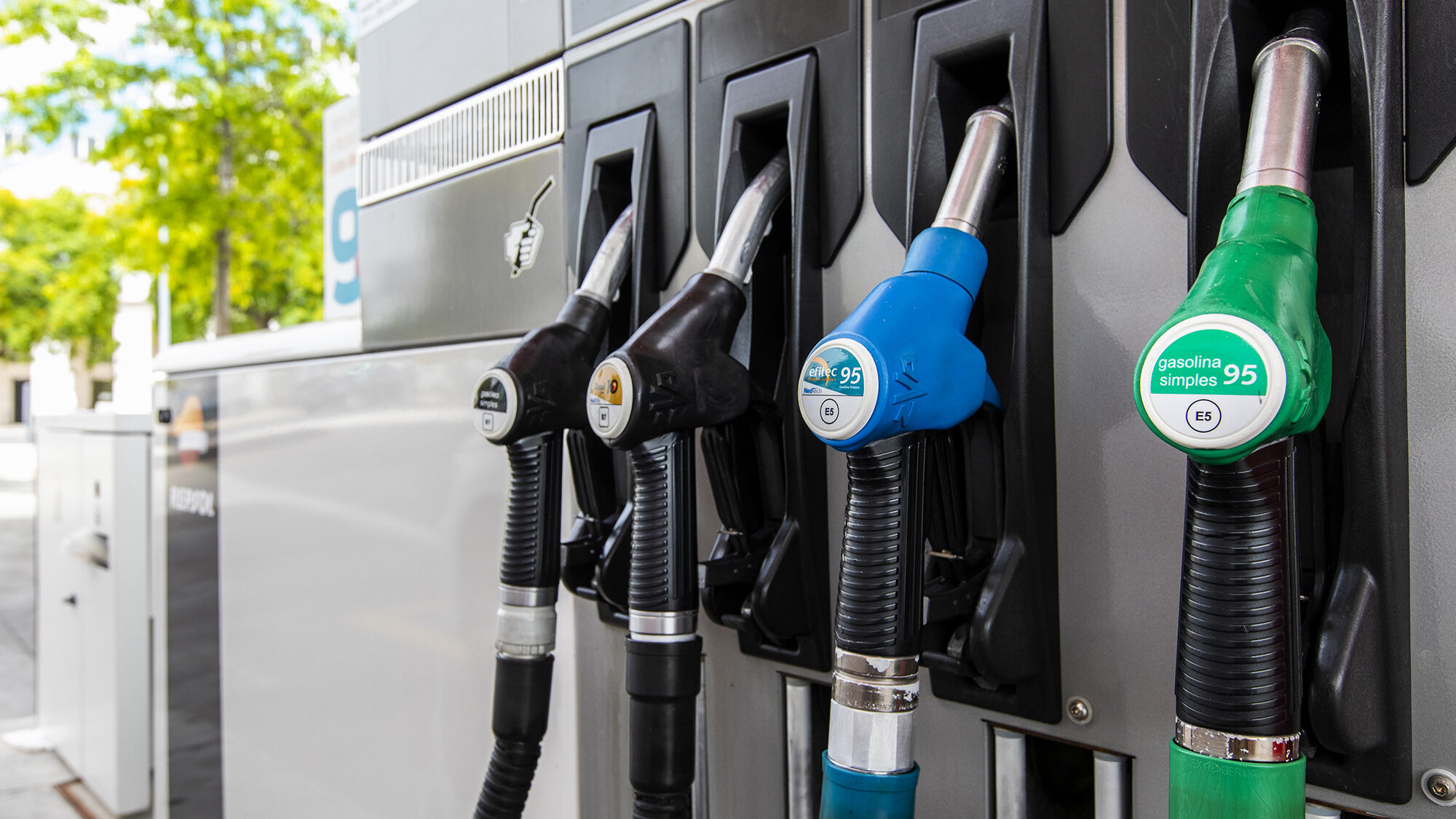
The Government currently perceives the rise in fuel prices as a significant but potentially temporary issue, despite immediate impacts on consumers. An editorial by Marta Moitinho Oliveira discusses the rush of drivers to petrol stations in anticipation of price hikes due to geopolitical tensions, particularly American attacks in Iran. While the government has implemented a discount to mitigate the increase in diesel prices, consumers will still face higher costs for petrol. The situation has led to record high fuel prices in Portugal, raising concerns among the public.
Crisis: acting without hypercalibrating
Saturday, 7 March 2026RSS

Context & Explainers
Deco Proteste is Portugal's largest consumer rights organization, providing independent product testing, legal advice, dispute mediation, and advocacy on behalf of consumers. It is part of the international Euroconsumers group.
Deco publishes comparative tests of products and services (from insurance policies to supermarket prices), lobbies for consumer-friendly legislation, and runs a mediation service that helps resolve disputes between consumers and companies. It also operates helplines during crises — such as severe weather events — to advise on insurance claims, billing disputes, and emergency consumer rights.
Membership is paid, but Deco's public advocacy and media presence make it a significant voice in Portuguese consumer affairs. Its studies and reports are frequently cited in news coverage of cost-of-living, energy prices, and financial products.
Brent crude is a major international oil price benchmark made up of several light, low-sulfur crude oils produced in the North Sea; its price is quoted in US dollars per barrel. It is one of the two main global benchmarks, alongside West Texas Intermediate (WTI), and is widely used to price shipments to Europe and Africa. Because petrol and diesel in Portugal generally track Brent, a rise in the Brent price usually leads to higher pump prices, higher transport costs, and more expensive goods; one barrel equals 159 litres.

André Ventura, born January 15, 1983, is a lawyer, academic, and Portugal's most prominent far-right leader. He founded Chega ("Enough") in 2019 after his PSD mayoral campaign attacked the Romani community. Chega surged from 1.3% in 2019 to 22.8% in May 2025, becoming parliament's second-largest party and making Ventura Leader of the Opposition.
His platform emphasizes immigration restrictions, law-and-order policies, constitutional reform, and contains inflammatory anti-Romani rhetoric that has triggered multiple discrimination convictions and investigations. Politically classified as far-right by international media, Ventura cultivates alliances with European far-right figures including Marine Le Pen and Santiago Abascal.
The ISP (Imposto sobre Produtos Petrolíferos e Energéticos) is Portugal's excise tax on petroleum and energy products, charged as a fixed amount per liter on petrol, diesel, and other fuels. It is one of the main components of fuel prices at the pump, alongside VAT and the carbon tax (Taxa de Carbono).
The government can adjust ISP rates — temporarily or permanently — to influence fuel prices. Rate cuts are a common policy tool to ease cost-of-living pressures on drivers and transport businesses, though they also reduce government revenue.
For consumers, the ISP is significant because even small changes in the per-liter rate translate into noticeable differences at the pump, particularly for diesel users and commercial transport operators.
AI Summary AvailableDiesel jumps 19 cents; queues form at pumpsRead the synthesized summary with context and explainers
View full article on publico.ptRSS source
Other news coverage of this topic
- Drivers 'play' for anticipation and rush to petrol stations to cope with rising prices • Expresso
- Fuel prices rise. Drivers queue to fill up vehicles • RTP Notícias
- Long queues at petrol stations before price hike • Correio da Manhã
- Prime Minister promises to monitor fuel price developments • Correio da Manhã
- Fuel prices hit record high • Correio da Manhã
- At this moment, I foresee that fuel prices could rise significantly above two euros very soon • CNN Portugal