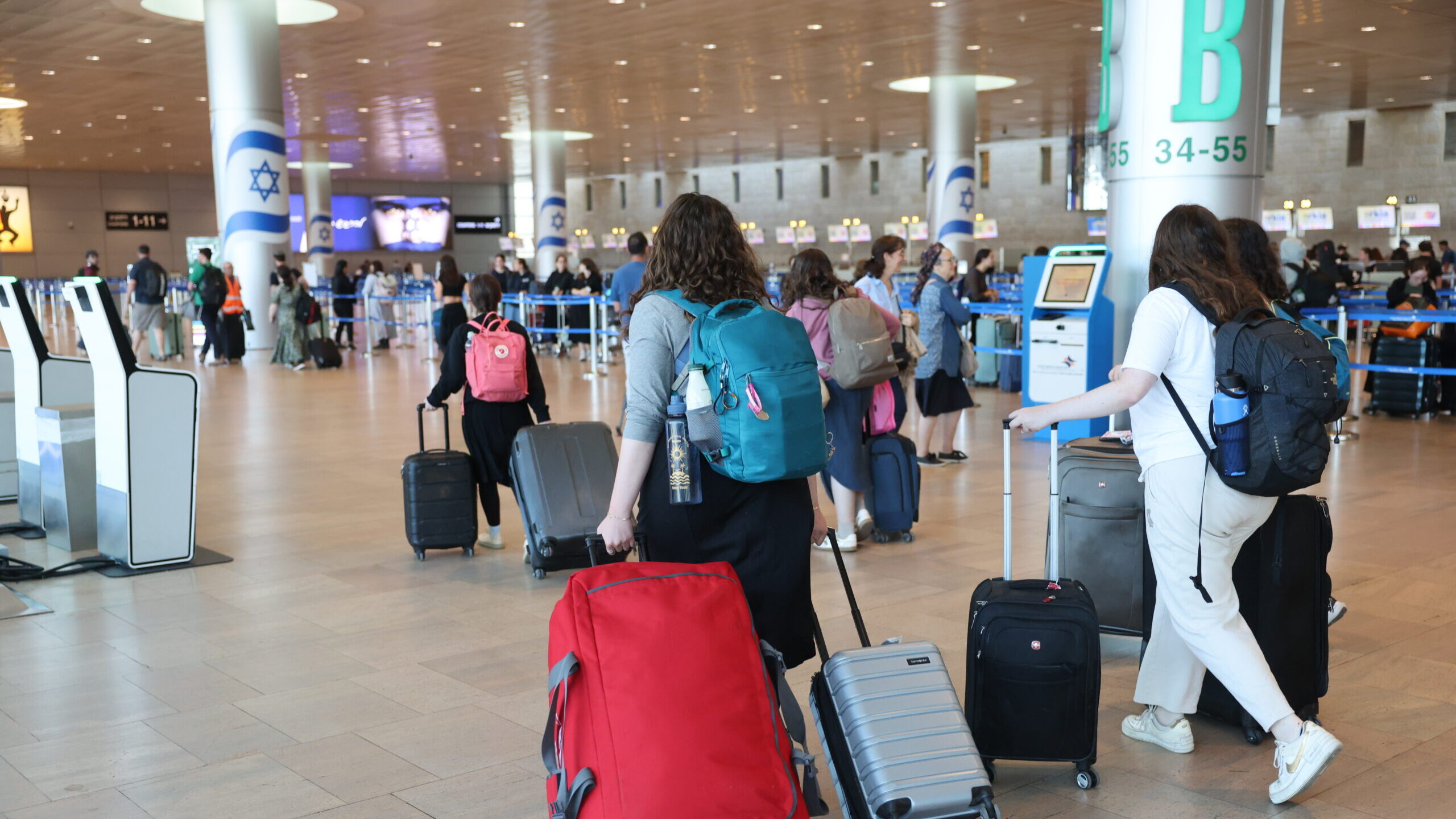
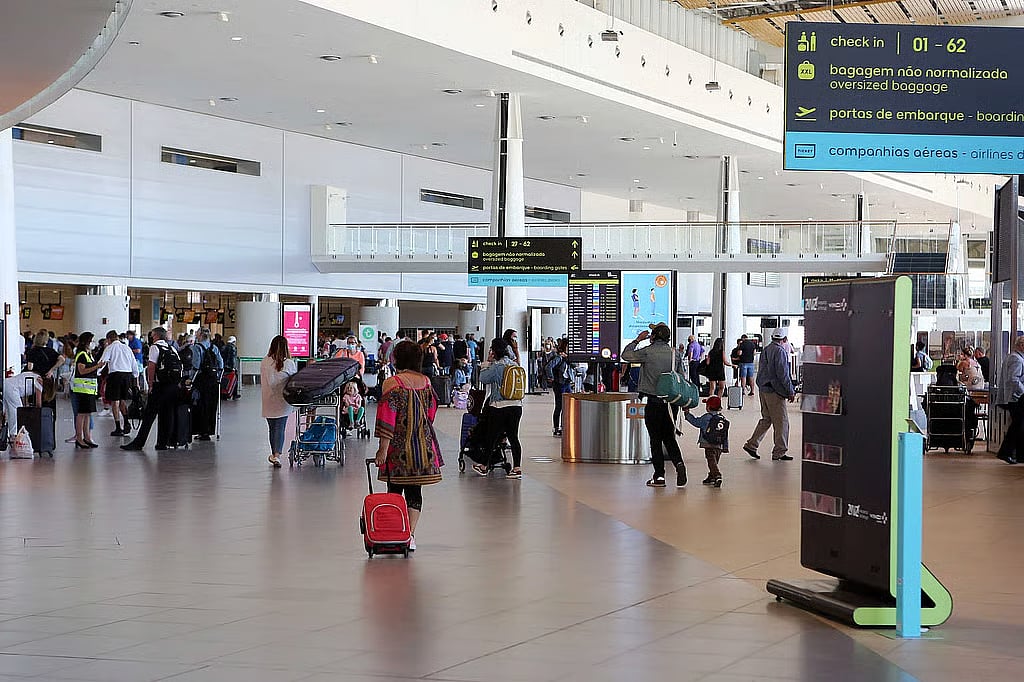
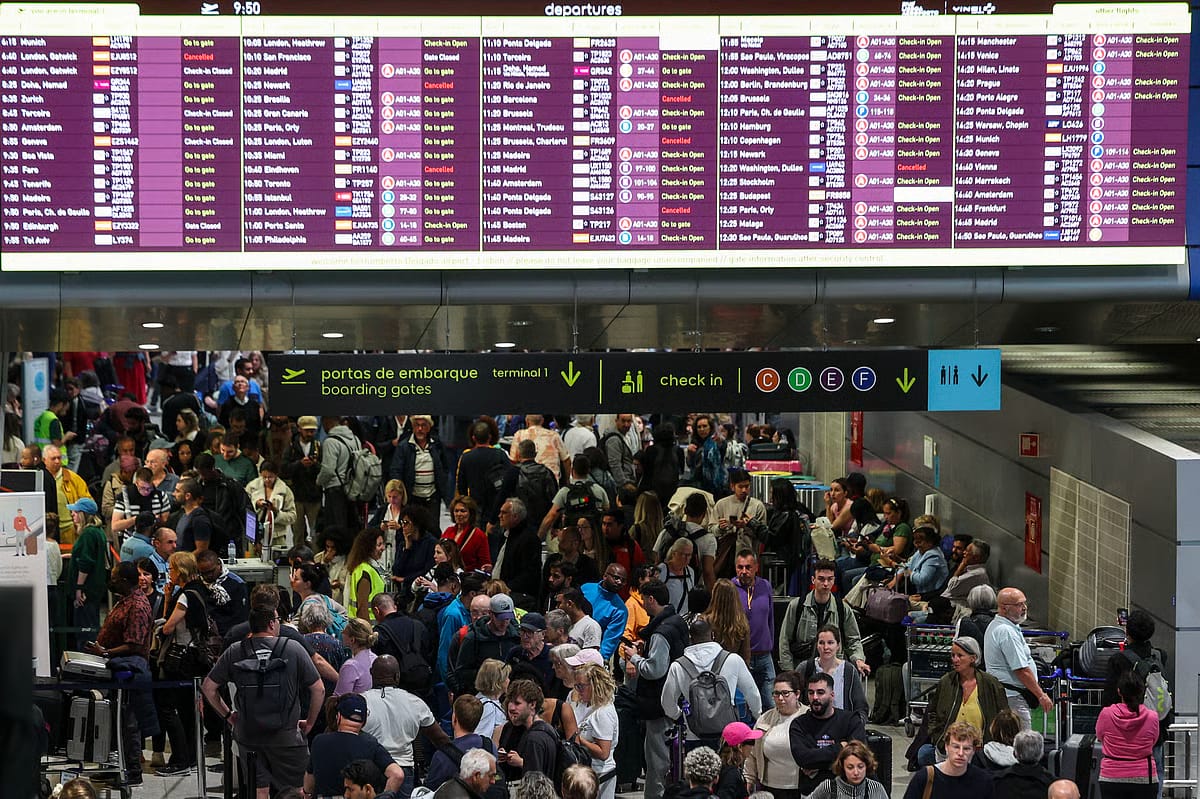
Waiting times at Lisbon Airport's border control peaked at two hours for arrivals around 08:30 on Sunday, March 29, but have since decreased to under an hour, according to the PSP and ANA. Officials confirmed that all available border control posts were fully staffed as part of the Easter contingency plan, which includes additional police reinforcements and a new border control zone. The Entry/Exit System (EES) for non-EU citizens, which had been temporarily suspended due to previous delays, is now fully operational again.
Wait times at Lisbon Airport border control reached two hours early this morning
Sunday, 29 March 2026RSS
Context & Explainers

The PSP (Polícia de Segurança Pública) is Portugal's national civilian police force, founded in 1867. Responsible for defending Republican democracy and safeguarding internal security and citizens' rights, the PSP polices major cities—Lisbon, Porto, Faro—and large urban areas, covering only 4% of Portugal's territory but roughly half the population. Led by a National Director under the Ministry of Internal Affairs, its approximately 21,500 officers handle preventive policing, crime investigation, public order, airport security, diplomatic protection, private security regulation, firearms licensing, and border control (since 2023).
PSP vs. GNR: The PSP is civilian with police-focused training and urban jurisdiction, while the GNR (Guarda Nacional Republicana) is military (gendarmerie) with military training, covering 96% of Portugal's rural and suburban territory. Both share core public safety missions but differ fundamentally in nature, training, and geographic responsibility.
ANA (ANA Aeroportos de Portugal) is the company that manages Portugal's main airports, including Lisbon Humberto Delgado, Porto Francisco Sá Carneiro, Faro, and airports in the Azores and Madeira. Since 2013, ANA has been owned by the French group Vinci Airports following privatization.
ANA is responsible for airport operations, terminal management, and infrastructure investment across its network. The company has been at the center of Portugal's long-running debate over a new Lisbon airport, with plans for a new facility to relieve capacity constraints at the current airport, which is located in the city center.
Passenger traffic at Portuguese airports has grown significantly, with Lisbon consistently ranking among Europe's fastest-growing airports. ANA's investment decisions and concession terms directly affect flight capacity, passenger experience, and connectivity for residents and tourists.
AI Summary AvailableLisbon Airport border control wait times peak at two hoursRead the synthesized summary with context and explainers
View full article on dn.pt