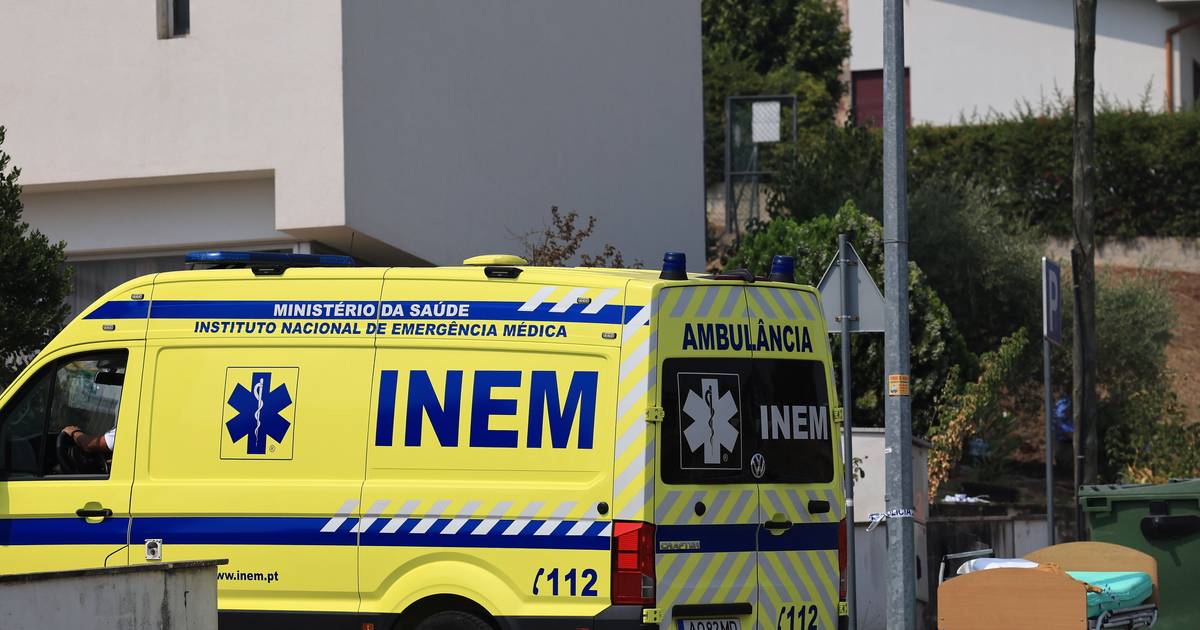
CNN Portugal spent time inside CODU, INEM’s medical call centre in Lisbon and found a centre under sustained pressure where high call volumes demand rapid, accurate triage and careful deployment of ambulances and other rescue resources. The report examines how operators prioritise calls, the protocols guiding decision-making, and the operational strain of matching limited resources to urgent needs.
Inside the heart of INEM: this is how medical emergencies are handled
Sunday, 11 January 2026RSS

Context & Explainers
The eight‑minute response‑time standard is the target maximum time INEM sets for emergency medical teams to reach life‑threatening calls, typically in urban areas. INEM (Instituto Nacional de Emergência Médica) uses it as a performance goal, but traffic, narrow roads and long rural distances often make actual response times much longer.
ESPAP is the Shared Services Entity of the Public Administration (Entidade de Serviços Partilhados da Administração Pública). It handles central procurement and other shared services for state bodies, and in this case it awarded a public tender launched last year to buy 275 vehicles for INEM (Instituto Nacional de Emergência Médica) to three economic operators.
INEM (Instituto Nacional de Emergência Médica) is Portugal's national emergency medical service, responsible for coordinating and providing pre-hospital emergency care. It operates the country's emergency medical dispatch system, activated through the European emergency number 112.
INEM deploys ambulances (including basic and advanced life support units), medical helicopters (VMER), and motorcycle response units across Portugal. It also manages the CODU (Centro de Orientação de Doentes Urgentes) — the emergency call centers that triage incoming 112 calls and dispatch the appropriate medical response.
INEM has faced persistent challenges including ambulance shortages, staffing gaps (particularly among emergency medical technicians), and long response times in rural areas. These issues have made INEM a frequent subject of political debate, with calls for better funding, improved working conditions, and expanded coverage. Residents should know that calling 112 connects to INEM's triage system, and knowing your exact location speeds up emergency response.
The CODU (Centro de Orientação de Doentes Urgentes) is the emergency medical dispatch center responsible for coordinating urgent pre-hospital care in Portugal. It operates under the National Institute of Medical Emergency (Instituto Nacional de Emergência Médica or INEM) to assess medical emergencies and dispatch the appropriate resources, such as ambulances or helicopters.
Miguel Soares de Oliveira is a doctor who served as president of INEM (Instituto Nacional de Emergência Médica), Portugal's national institute for medical emergencies; he was appointed last summer and has now resigned. He declined to say whether his departure is linked to moving emergency medical training to outside providers, a change that could affect ambulance services and training arrangements.