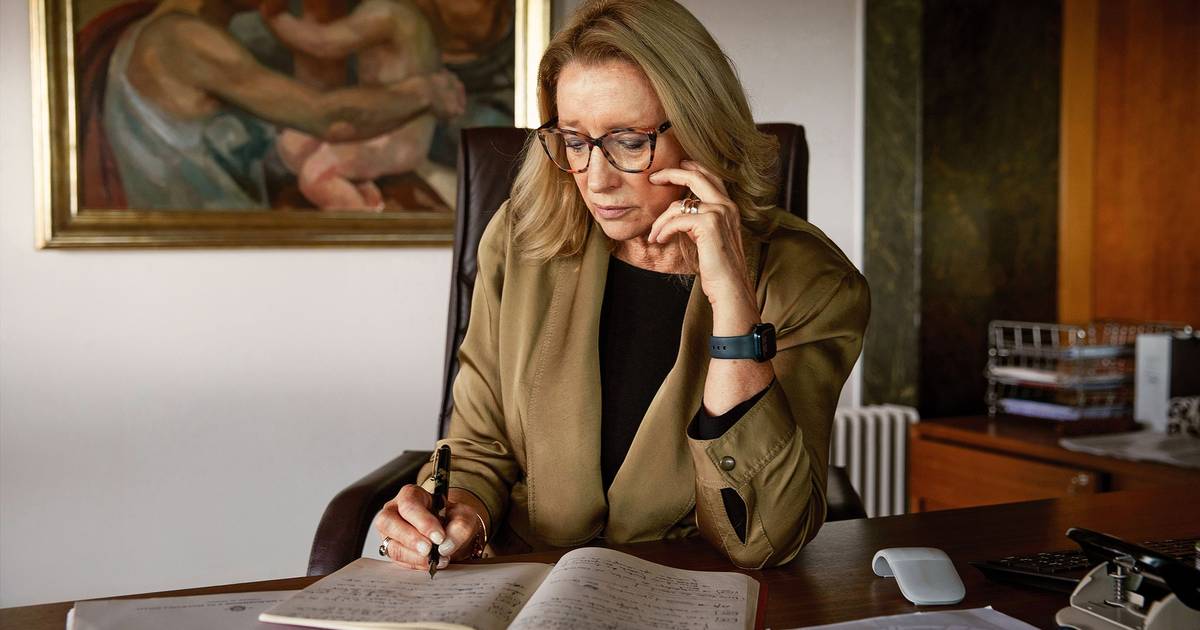
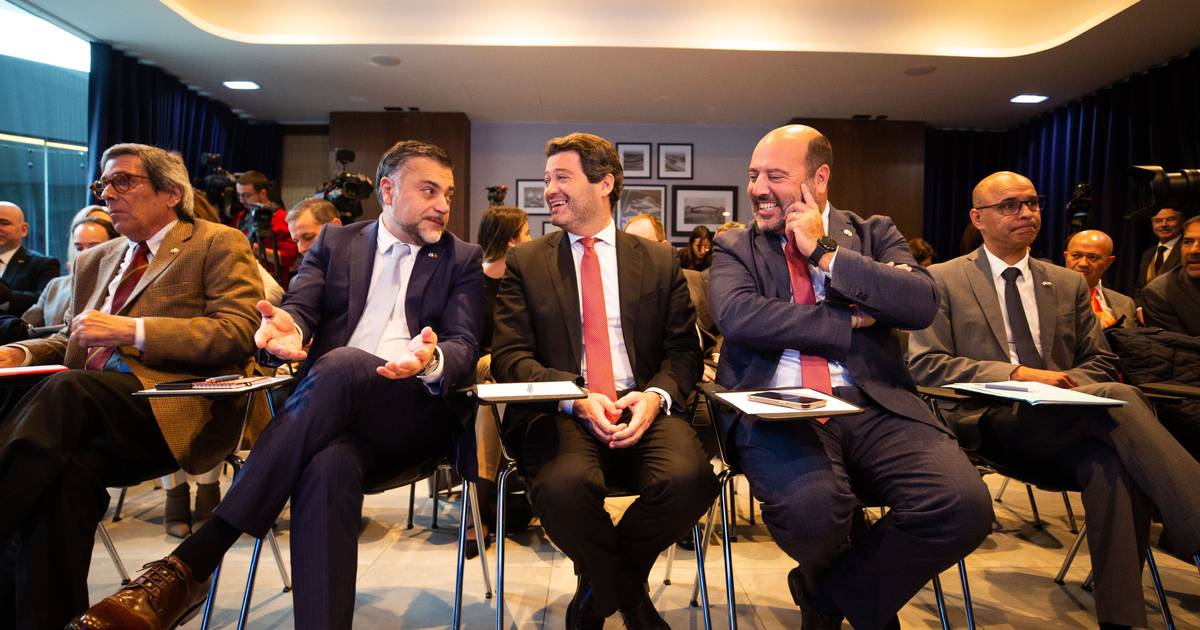
Elections for the remaining external bodies remain scheduled for Thursday in Parliament. However, the 'urgent' opinion requested from the Transparency Committee regarding Chega's candidates for the RTP Opinion Council could postpone that vote.
Parliament requests 'urgent' opinion on Chega candidates for the RTP Opinion Council
Wednesday, 15 April 2026RSS
Context & Explainers
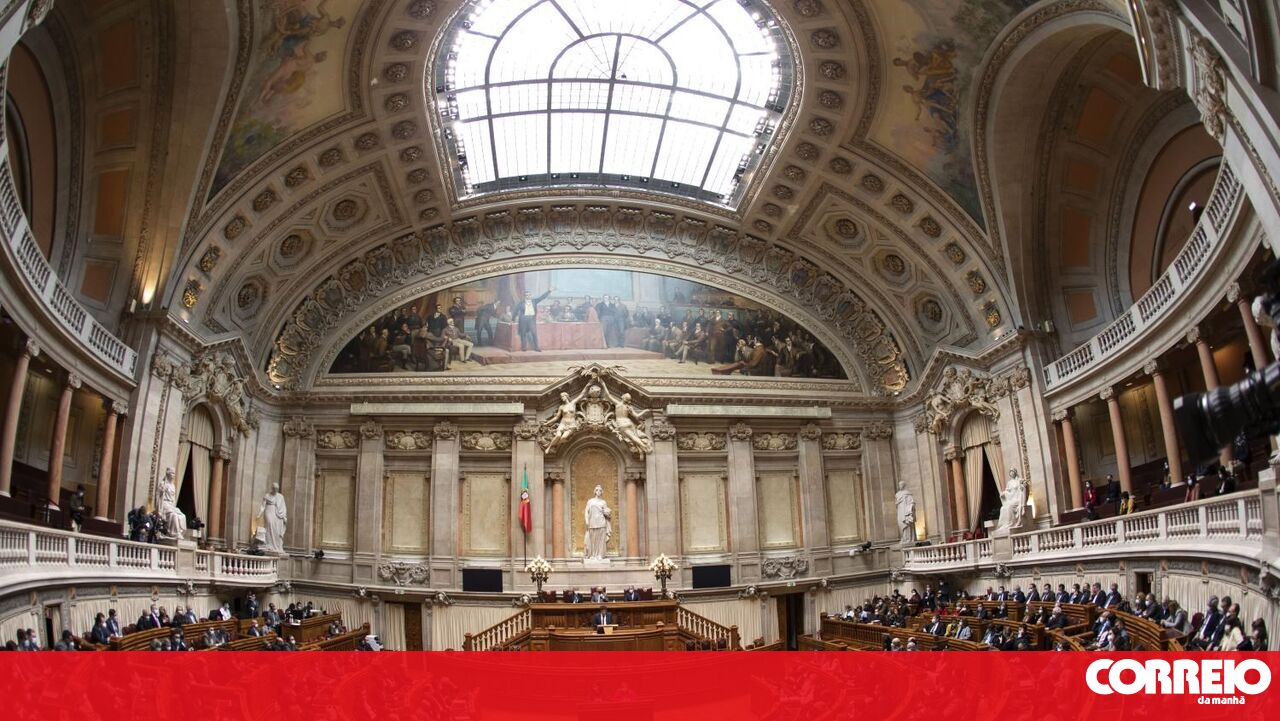
The Assembly of the Republic (Assembleia da República) is Portugal's unicameral parliament, located in the Palácio de São Bento in Lisbon. It consists of 230 deputies elected by proportional representation for four-year terms.
The Assembly's powers include making and amending laws, approving the state budget, ratifying international treaties, and overseeing the government through debates, hearings, and committees. It can also pass votes of no confidence to bring down a government, as happened in March 2025.
Following the May 2025 elections, the current parliamentary composition is led by the Democratic Alliance (AD) with the largest share of seats, followed by Chega, PS, and smaller parties including the Liberal Initiative, Left Bloc, Livre, and PCP.

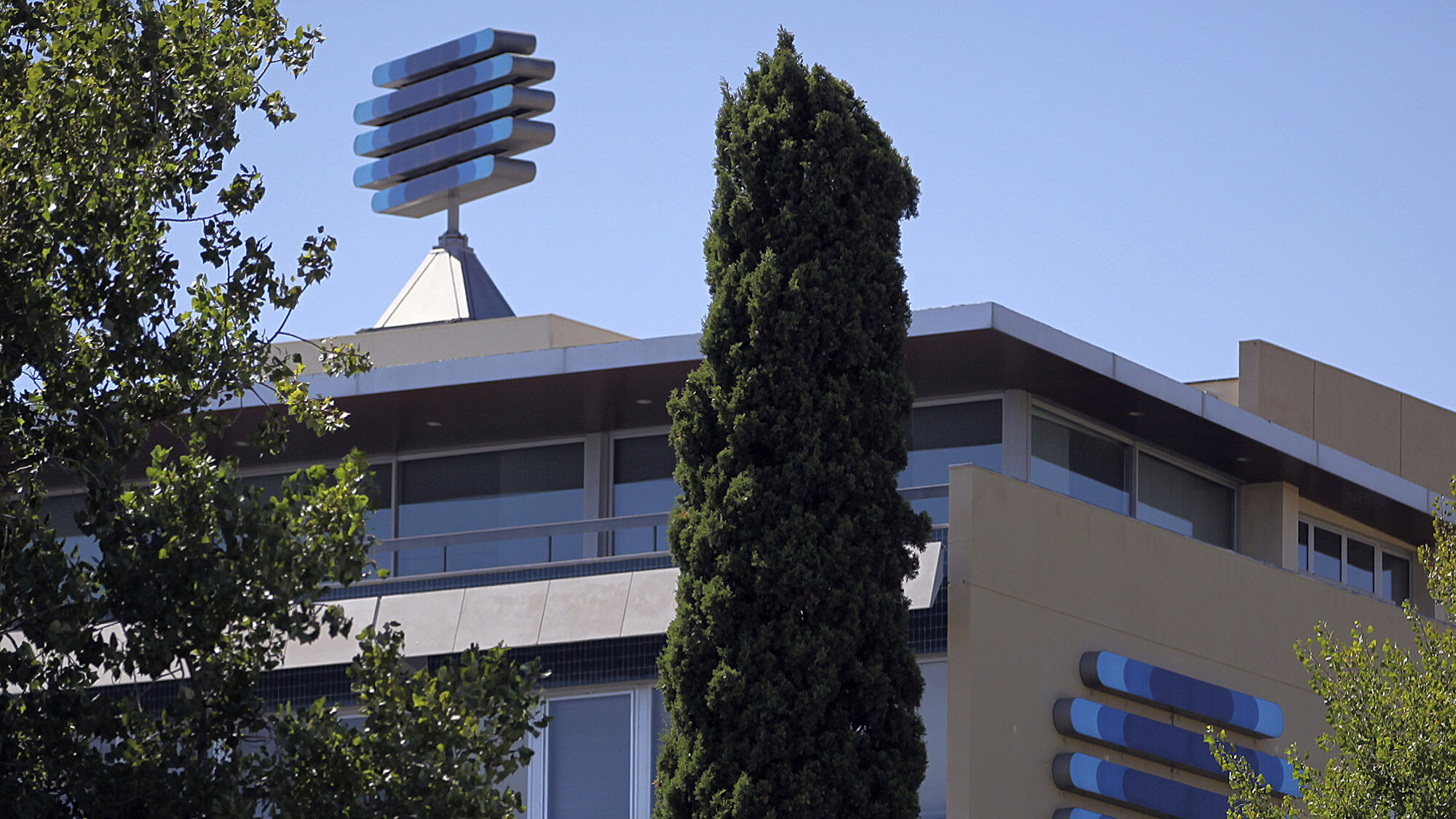
RTP (Rádio e Televisão de Portugal) is Portugal's public service broadcaster, operating television channels (RTP1, RTP2, RTP3, RTP Memória, RTP Internacional, RTP África), radio stations (Antena 1, Antena 2, Antena 3, RDP Internacional, RDP África), and the RTP Play streaming platform.
Founded in 1955 (television) and 1935 (radio, as Emissora Nacional), RTP is funded through a monthly audiovisual contribution (Contribuição para o Audiovisual, CAV) included in electricity bills, plus limited advertising revenue. It operates under a public service concession that mandates news independence, cultural programming, and coverage for Portuguese-speaking communities worldwide.
RTP plays a central role in Portuguese public life — it hosts the main political debates during elections, produces news programming, and broadcasts major national events. Its editorial independence and funding model are recurring subjects of political debate, with some parties advocating for privatization or restructuring of the public broadcaster.

Chega ("Enough") is a Portuguese far-right populist party founded in 2019 by André Ventura. It positions itself as an anti-establishment movement against what it calls a "rotten and corrupt system" of PS-PSD dominance. The party surged from 1.3% in 2019 to 22.8% in May 2025, becoming parliament's second-largest force with 60 seats. Chega's core platform emphasizes strict immigration control—ending automatic CPLP residency, deporting non-independent immigrants, implementing job-market quotas, and requiring five-year social security contributions before benefit access. It advocates radical constitutional reform, including reducing parliament to 100 members, abolishing the prime minister position for a presidential system, and dismantling public healthcare. Law-and-order policies include life imprisonment and chemical castration proposals.
The party is defined by inflammatory anti-Romani rhetoric, with Ventura convicted multiple times for discrimination. Chega maintains international alignments with European far-right figures including Marine Le Pen, Santiago Abascal, and Matteo Salvini. Mainstream Portuguese parties, including Prime Minister Luís Montenegro's government, have imposed a cordon sanitaire, refusing coalition with Chega despite its parliamentary strength.