On Tuesday, 24 March 2026, Lisbon will test four tsunami sirens along its waterfront. The exercise, named 'Lisbon Wave 26', will take place between 10:30 and 12:00, with sirens sounding every half hour and broadcasting voice messages in Portuguese and English. Lisbon Mayor Carlos Moedas stated that the initiative aims to strengthen the city's emergency preparedness against natural risks. Civil Protection officials advised that in the event of an earthquake, citizens should move away from the waterfront to higher ground, even without an official alert, and remain vigilant for signs such as receding water.
Lisbon conducts first major tsunami siren alert test between Praça do Comércio and Alcântara
Friday, 20 March 2026RSS

Context & Explainers
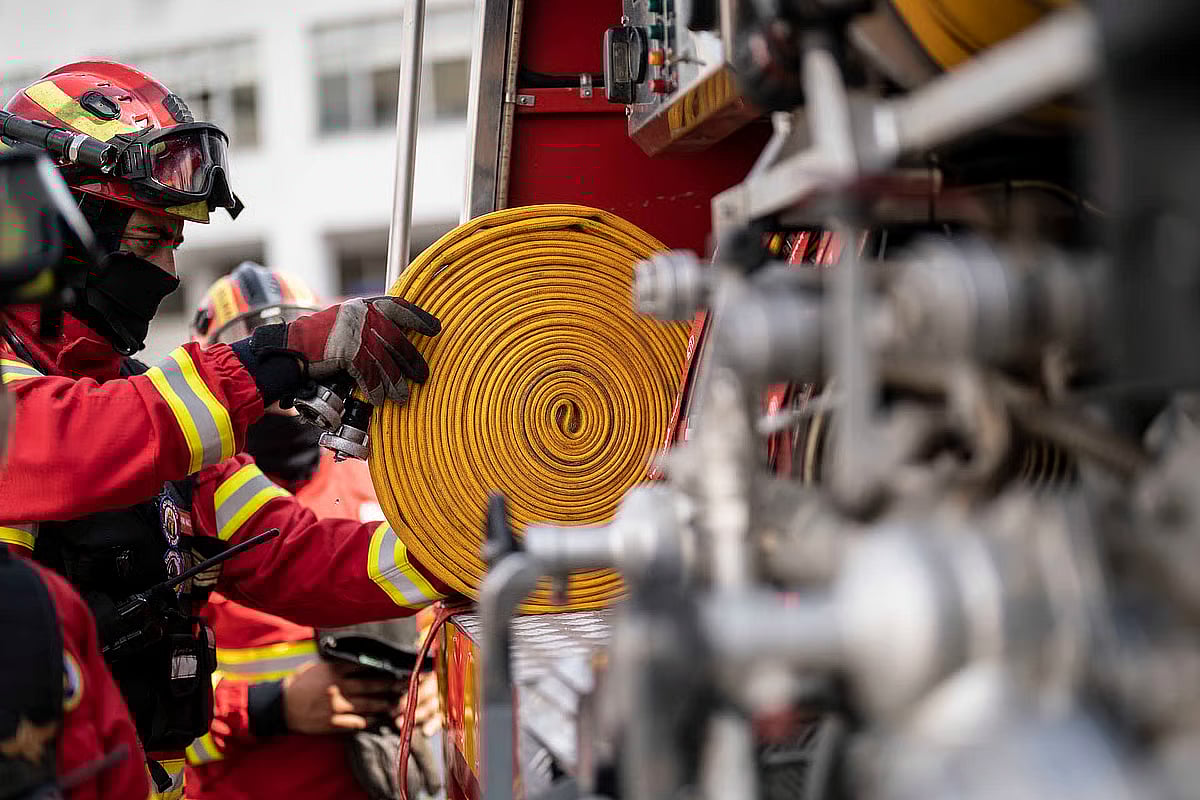
Civil Protection (Proteção Civil) is Portugal's national system for preventing, preparing for, and responding to disasters and emergencies — from wildfires and floods to earthquakes and storms.
The system is coordinated by the ANEPC (Autoridade Nacional de Emergência e Proteção Civil), which issues warnings, activates response plans, and coordinates firefighters, police, military, and municipal services. During major events, the ANEPC can activate the SIOPS (Sistema Integrado de Operações de Proteção e Socorro), a unified command structure for managing multi-agency responses.
Portugal's Civil Protection framework operates at three levels — national, district, and municipal — each maintaining its own emergency plans. The system has been under ongoing reform, with emergency associations pushing for clearer single-command structures to reduce confusion between responders during major incidents.
During weather emergencies, Proteção Civil issues safety advisories, may close roads and access routes, and coordinates rescue operations. Residents should follow official ANEPC guidance and call 112 for emergencies.