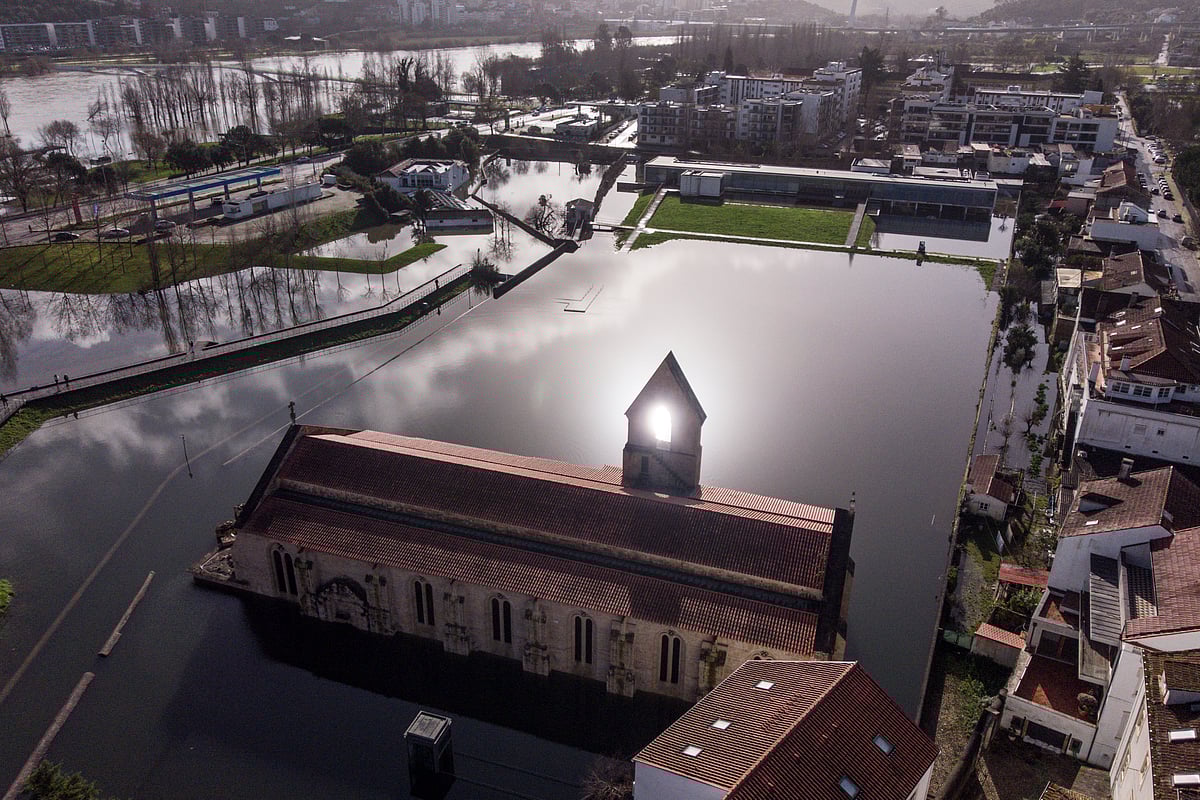
The Chega party supports extending the state of calamity until the end of the month and expanding it to other municipalities in the West region, as well as continuing toll exemptions in areas affected by bad weather. In a statement, Chega's National Directorate and Parliamentary Group challenge the government to prolong the state of calamity and toll exemptions, citing ongoing meteorological instability and significant damages that require public resources for effective response. Sixteen people have died in Portugal due to recent storms, with many more injured and displaced, and the most affected regions include Central Portugal, Lisbon, and Alentejo. The current state of calamity, initially declared on January 29 and extended twice, is set to end this Sunday, along with the toll exemptions, despite calls from various municipalities for their continuation.
Chega advocates for extension of state of calamity and toll exemptions
Context & Explainers
A state of calamity (situação de calamidade) is the highest level of civil emergency Portugal can declare under its Civil Protection framework, short of a constitutional state of emergency. It is typically declared by the government in response to severe natural disasters such as major wildfires, floods, or storms.
A calamity declaration activates the National Civil Protection Emergency Plan, mobilizes additional resources, and grants authorities expanded powers to restrict movement, requisition private property, and deploy military assets. It also unlocks emergency financial support for affected populations and municipalities.
Portugal uses a three-tier alert system: alerta (alert), contingência (contingency), and calamidade (calamity), each with escalating levels of coordination and authority. The state of calamity requires coordination between the national government, ANEPC, local authorities, and emergency services.