The Lisboeta

Instability and Risks: Doubts About the Sustainability of the Portuguese Economy in Europe

Thursday, 27 November 2025RSS
Instability and Risks: Doubts About the Sustainability of the Portuguese Economy in Europe

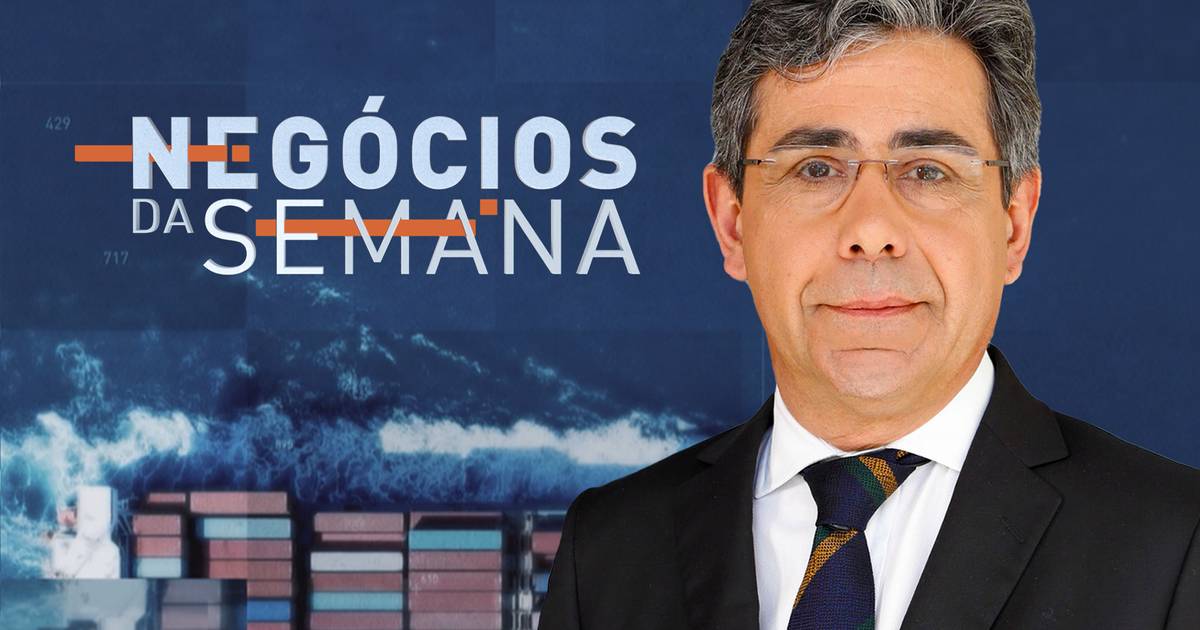
The government continues to focus on a mega package of grandiose projects. The most expensive project for the country will be the construction of a new high-speed rail network. José Gomes Ferreira hosts Mário Lopes and Paulo Morais on the podcast 'Negócios da Semana'.

View full article on Expresso

RSS source

Context & Explainers

The President of Portugal (Presidente da República) is the head of state with mostly ceremonial duties but key powers such as vetoing legislation, appointing the prime minister and, in certain circumstances, dissolving parliament. For expats the president is important for national stability and international representation, though daily government policy is run by the prime minister.

Banco de Portugal is Portugal’s central bank, founded in 1846, responsible for banking supervision, financial stability and representing Portugal within the European System of Central Banks. For expats, it matters because it regulates banks and financial resolutions, influences monetary and payment rules, and can be involved in legal disputes with international investors.

Portugal's president is elected by universal suffrage, requiring an absolute majority; if no candidate wins over 50% in the first round, a second round is held between the top two candidates. The president has important but limited powers — they represent the state internationally, appoint the prime minister, can veto legislation and dissolve parliament — while day‑to‑day government policy and foreign policy are led by the prime minister and ministers.

The president can shape the tone of Portugal's foreign policy through speeches, high‑profile meetings and formal powers like accrediting ambassadors, but executive responsibility for daily foreign policy lies with the government (prime minister and foreign minister). In practice the president's influence is political and moral rather than unilateral: strong statements can affect public debate and diplomatic signalling, but major policy shifts require government action or parliamentary support.

Portugal has seen a long-term decline in road deaths since 2000, and recent years show substantially fewer fatalities than two decades ago; for example, the country recorded roughly 380 road deaths in 2023 (about 37 per million), down from much higher rates around 2000. That places Portugal slightly below or close to the EU average (around 42 deaths per million); by comparison Germany is about 38 per million, France about 52 per million and the UK about 25 per million, so Portugal sits between lower- and higher-performing EU states.