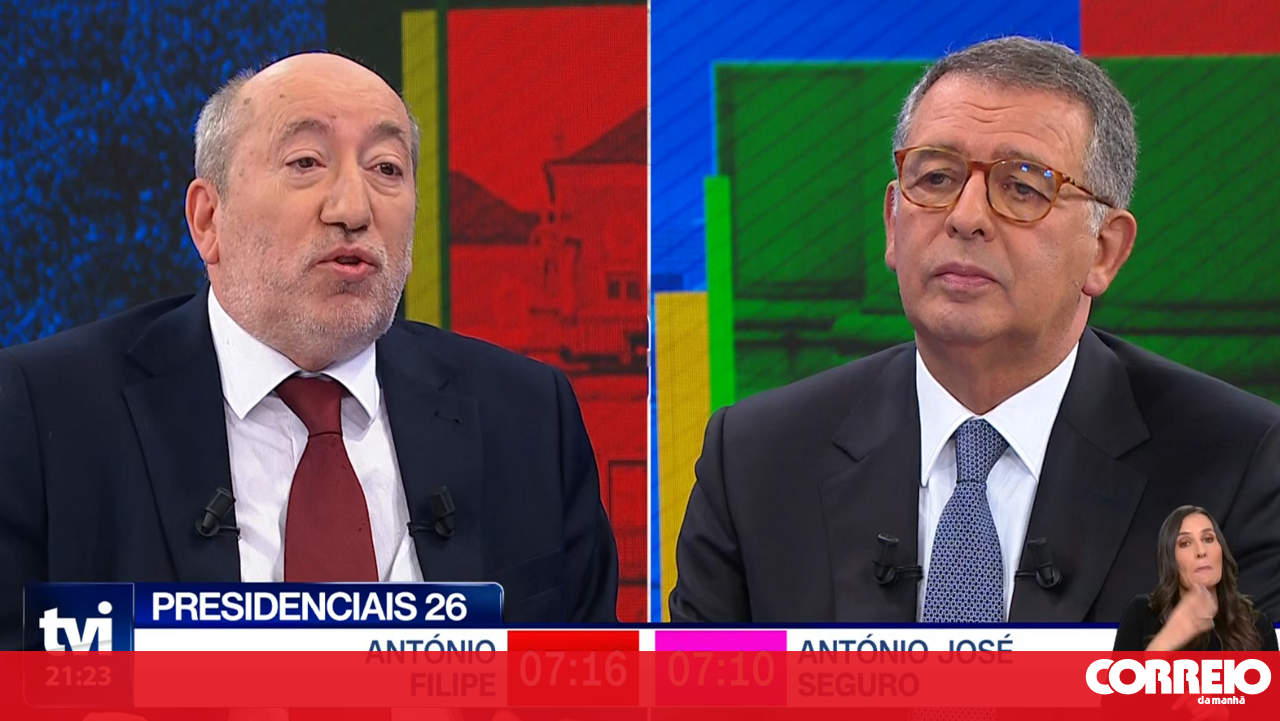
'A vote for a candidate to my left is a vote for the right,' said Seguro. António Filipe said votes for Seguro would end up 'in the same basket' as Marques Mendes and Gouveia e Melo.
António Filipe says he is 'the left-wing candidacy that was missing'. Seguro calls for votes to unite in the second round
Saturday, 20 December 2025RSS
Context & Explainers
The second round (segunda volta) is a runoff held if no candidate wins more than 50% of the vote in the first round of a Portuguese presidential election. Only the top two candidates advance to the runoff, which takes place 21 days after the first round.
Portugal's Constitution requires an absolute majority for the presidency, making runoffs a possibility whenever the field is fragmented. In practice, most Portuguese presidential elections since 1976 have been decided in the first round — the only runoff to date was in 1986, when Mário Soares defeated Diogo Freitas do Amaral.
The 2026 presidential election went to a second round for only the second time in democratic history, with António José Seguro and Henrique Gouveia e Melo advancing from a crowded first-round field. Second-round dynamics often differ significantly from the first round, as voters consolidate behind two candidates and tactical considerations become paramount.