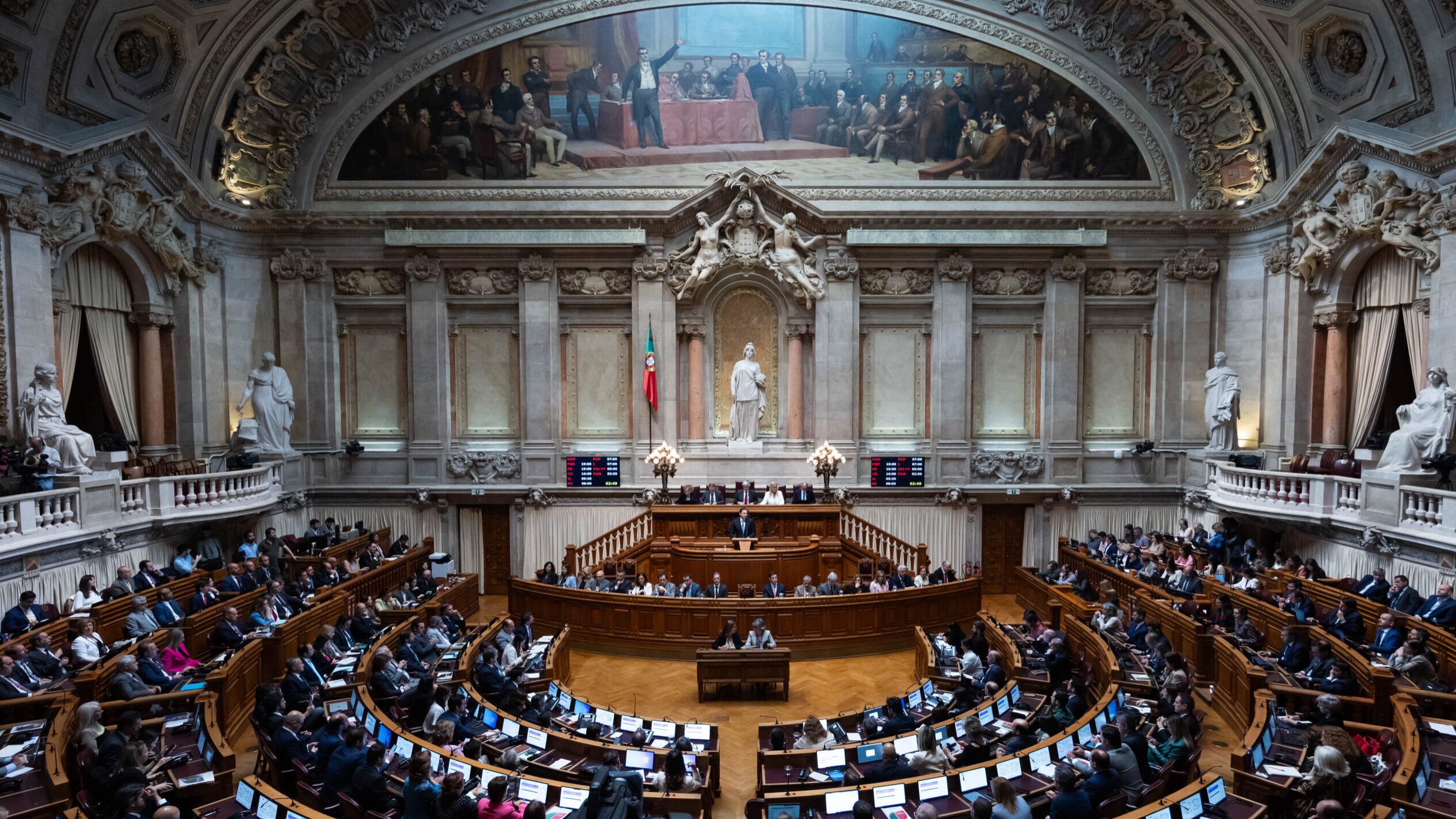
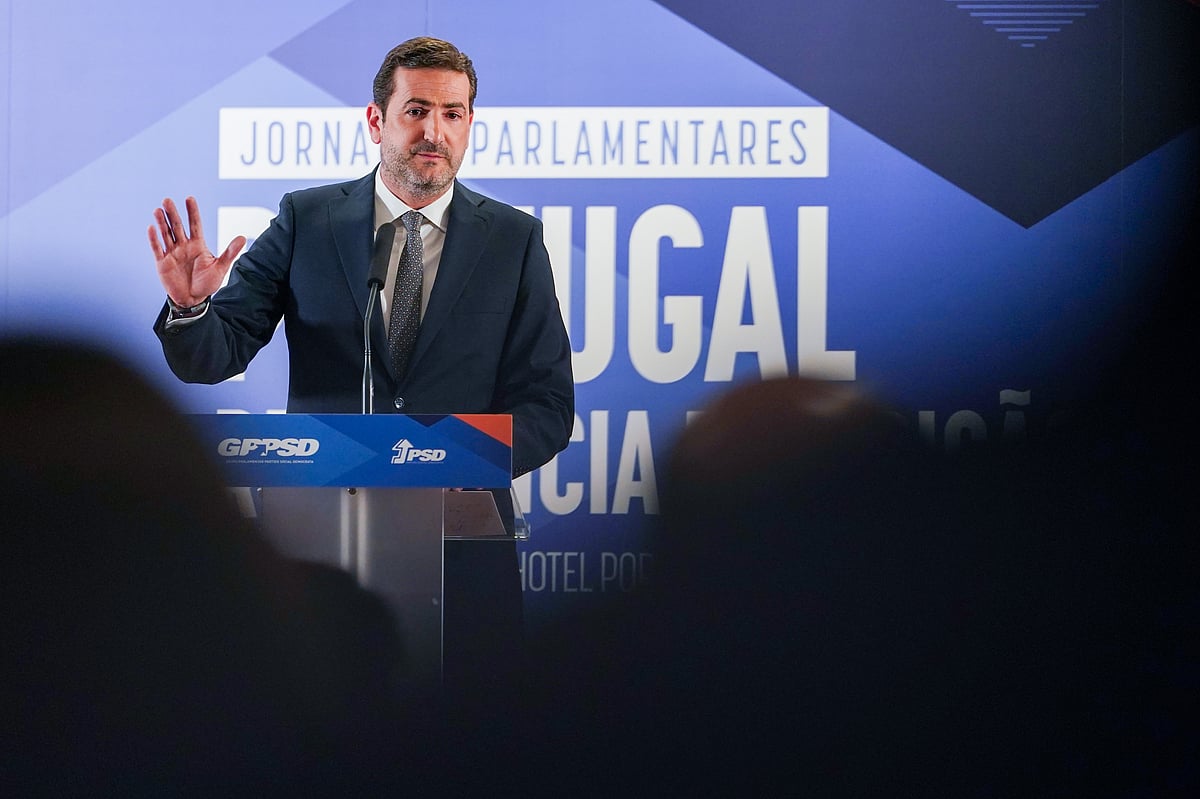
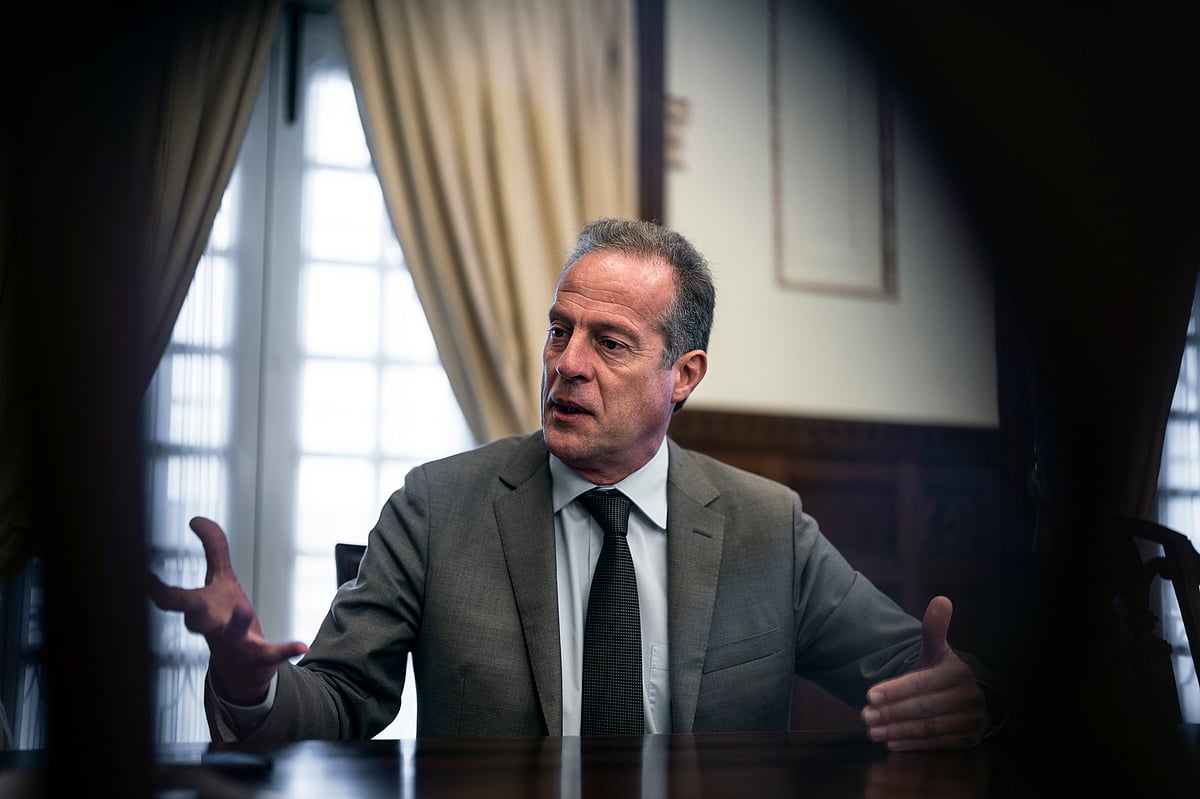
The President of the Assembly of the Republic, José Pedro Aguiar-Branco, blocked proposals from Chega, the Left Bloc, and the Liberal Initiative (IL) aimed at lowering fuel prices through tax changes. He cited the constitutional 'brake rule,' which prohibits parliamentary initiatives that reduce state revenue or increase expenditure beyond the current budget. Despite appeals from the opposition parties, the decision was upheld by the PSD, PS, and CDS-PP parliamentary groups. Aguiar-Branco argued that the proposals, particularly those involving VAT reductions, would have a direct negative impact on state revenue, unlike the government's own temporary tax adjustment mechanisms.
Fuels: Aguiar-Branco invokes the 'brake rule' to reject proposals from Chega, the Left Bloc, and the IL
Wednesday, 8 April 2026RSS
Context & Explainers
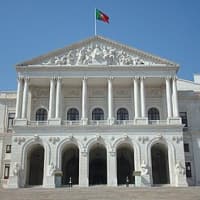
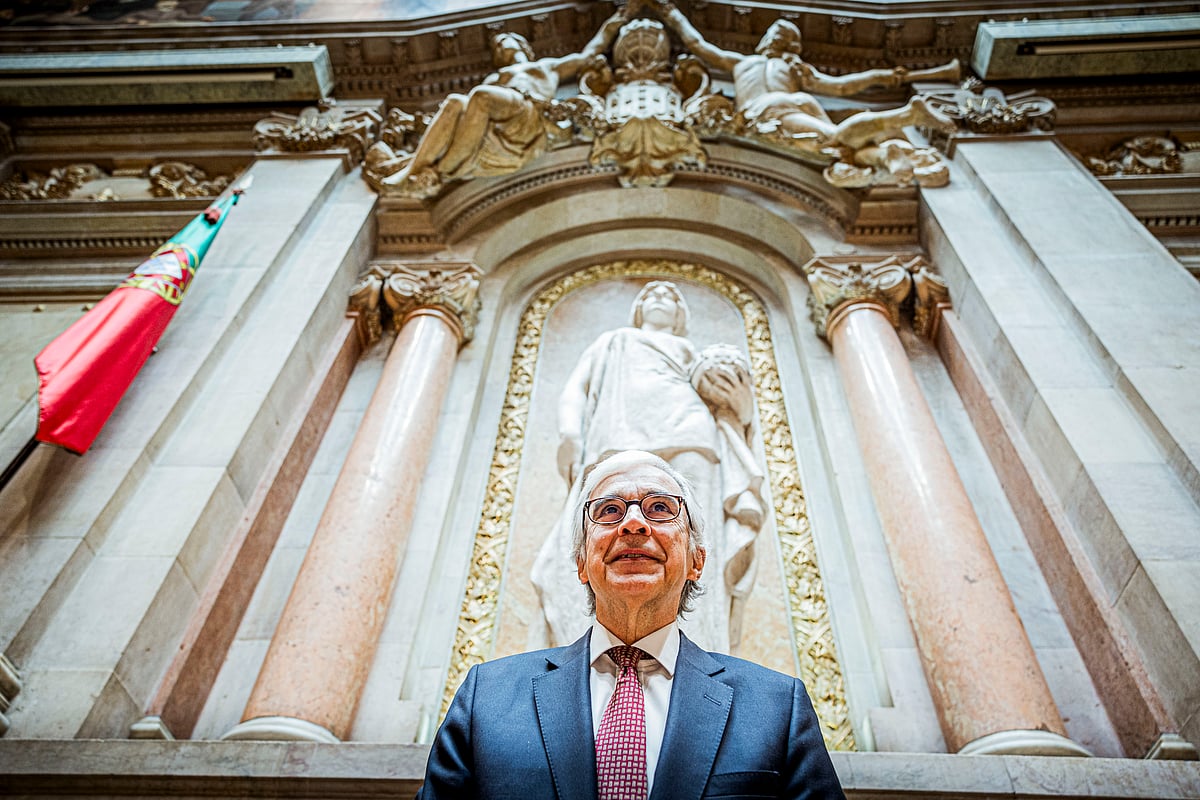
The Assembly of the Republic (Assembleia da República) is Portugal's unicameral parliament, located in the Palácio de São Bento in Lisbon. It consists of 230 deputies elected by proportional representation for four-year terms.
The Assembly's powers include making and amending laws, approving the state budget, ratifying international treaties, and overseeing the government through debates, hearings, and committees. It can also pass votes of no confidence to bring down a government, as happened in March 2025.
Following the May 2025 elections, the current parliamentary composition is led by the Democratic Alliance (AD) with the largest share of seats, followed by Chega, PS, and smaller parties including the Liberal Initiative, Left Bloc, Livre, and PCP.