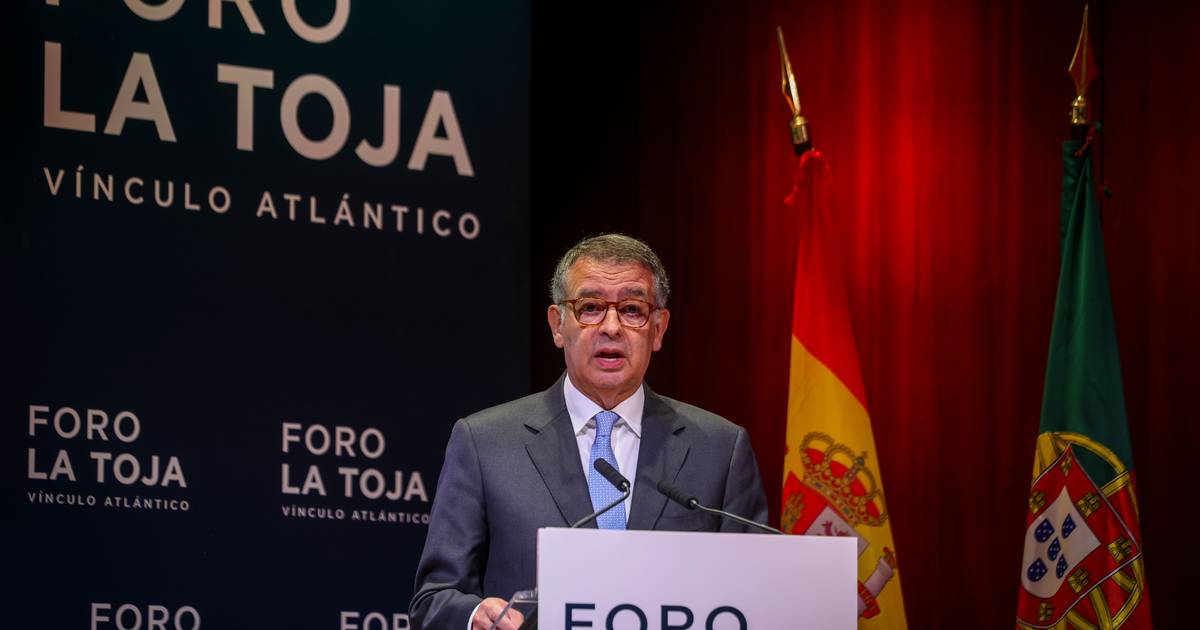
António Filipe and Catarina Martins criticise António José Seguro for his closeness to figures linked to the right.
"There is still a left (without endorsements like Santana Lopes's) in this election": candidates question Seguro's closeness to the right
Saturday, 10 January 2026RSS

Context & Explainers
Catarina Soares Martins (born September 7, 1973, in Porto) is a former actress and theatre co-founder who became Portugal's most prominent left-wing leader. First elected to parliament in 2009 representing the Left Bloc (BE), she rose to party coordinator in 2012 and sole national coordinator in 2014, holding the position for 11 years—the longest tenure in BE history. Under her leadership, BE achieved its best-ever result in 2015 with 19 MPs and 10% of votes, becoming critical parliamentary support for Prime Minister António Costa's Socialist government, shifting policy leftward on labour rights, pensions, and public services. After BE's collapse to 5 MPs in 2022, Martins stepped down as leader in May 2023 and left parliament.
Current role:
In 2024, she was elected to the European Parliament, where she advocates for social justice, climate action, and human rights. Her significance lies in consolidating BE as a stable parliamentary force and normalizing leftist government cooperation in Portugal.
António Filipe is a politician from the PCP (Partido Comunista Português) who, in this story, acknowledged that his election results fell short and said the party would join forces to oppose what it called a 'serious threat to democracy'. His remarks indicate the PCP intends to be active in post-election alliances rather than withdrawing from national debates. Voters and those following left-wing politics should pay attention to his and the PCP's next moves.

- President of Portugal (since March 9, 2026)
- Party: Independent. Former leader of the Socialist Party (PS), Partido Socialista
- Center-left
António José Martins Seguro (born March 11, 1962, in Penamacor) is a lawyer, political scientist, and the current President of the Portuguese Republic, inaugurated on March 9, 2026 after winning the two-round presidential election in January–February 2026.
Career: He led Socialist Youth (1990–1994), served as MEP (1999–2001), was Minister Adjunct to PM António Guterres (2001–2002), and led the PS parliamentary group (2004–2005). Elected PS Secretary-General in 2011 with 68%, he led the opposition during Portugal's bailout era. In 2014, António Costa defeated him in party primaries by a landslide, prompting Seguro's resignation and a decade-long retreat from politics. He returned in 2025, launching the movement UPortugal and announcing his presidential candidacy in June. He received official PS backing in October 2025 and won the presidency in February 2026.
Political philosophy: Seguro positions himself as representing a "modern and moderate" left, advocating financial responsibility while opposing austerity. As President, he has emphasized institutional trust, efficient governance, and a collaborative relationship with the government while maintaining rigorous constitutional oversight.